If you’re asking yourself “how profitable are vending machines business,” the short answer is that a well-run automated retail operation can generate monthly gross profits of $1,500 to $4,000 per machine, but that number depends entirely on location, product mix, and operational discipline. I’ve been placing and managing vending machines across the US and parts of Europe for over a decade, and I’ve seen firsthand how a single machine in a busy hospital break room can outperform three machines in a quiet office lobby. The vending machine business isn’t a get-rich-quick scheme, but it is a legitimate, scalable side hustle or full-time operation if you treat it like a real business. In this guide, I’ll walk you through the real numbers, the hidden costs, and the practical decisions that separate profitable operators from those who sell their machines at a loss after six months.
The Reality of Vending Machine Profitability
Let’s start with what most online articles won’t tell you. The vending machine industry is mature in North America and Western Europe, with an estimated 5 million machines operating across the US alone according to IBISWorld. The average machine generates around $75 to $100 per week in revenue, but that figure is misleading. Many underperforming machines drag the average down. In my experience, a well-placed machine with the right product mix can easily do $300 to $600 per week. The difference between a profitable machine and a money pit is almost never the machine itself—it’s the location and the operator’s willingness to monitor sales data.
Profit margins in vending typically range from 10% to 25% after all costs, including product cost, credit card fees, machine repair, and restocking labor. Snacks and drinks carry a gross margin of 30% to 50%, but net profit shrinks once you factor in electricity, commission to the property owner (often 10% to 20% of gross sales), and the occasional machine breakdown. A single vending machine repair call can cost $150 to $300, which can erase a week’s profit if you’re not careful. That’s why I always tell new operators to budget at least 15% of monthly revenue for maintenance and repairs.
What You Need to Know Before Buying Your First Machine
Equipment Costs: New vs. Used
New machines from reputable manufacturers range from $3,000 for a basic snack unit to $12,000 for a combination machine with a glass-front and a payment terminal. Used machines can be found for $1,000 to $3,000, but they often come with older card readers, less energy-efficient compressors, and a higher likelihood of needing vending machine repair within the first year. I have purchased used machines that worked flawlessly for three years, and others that required a new refrigeration deck after six months. The key is to inspect the machine in person, test the cooling system, and check the age of the payment system. A machine with an old card reader that can’t support contactless payments will lose sales in any modern location.
Location Is Everything
I cannot stress this enough. You can have the best machine in the world, but if it’s placed in a location with low foot traffic, it will fail. I look for locations with at least 100 to 200 people passing by daily, preferably in environments where people are captive for a few hours: manufacturing plants, hospitals, colleges, gyms, and large office buildings. Retail spaces like malls or street corners can work, but they come with higher rent and more competition from nearby convenience stores. When evaluating a location, I always ask myself: would I buy a snack or drink here right now? If the answer isn’t a clear yes, I walk away.
One of the most common mistakes I see is operators signing long-term placement agreements without first testing the location for 90 days. I always negotiate a 30-day trial period with the property owner. If the machine doesn’t hit a minimum revenue threshold after two months, I move it. This flexibility is critical because a location that looks promising on paper—like a busy office—might have a break room with a fridge where employees bring their own food. That kills your sales.
Cost Breakdown: What You’ll Actually Spend
Here is a realistic cost breakdown based on my own operations and industry data from the National Automatic Merchandising Association (NAMA). These numbers are estimates and will vary by region and machine type.
| Expense Category | Typical Cost Range (USD) | Notes |
|---|---|---|
| New vending machine (snack + drink combo) | $5,000 – $12,000 | Includes basic warranty and delivery |
| Used vending machine | $1,000 – $4,000 | No warranty; budget for repairs |
| Card reader / payment system | $300 – $800 per machine | Monthly processing fees apply |
| Initial inventory (first fill) | $400 – $800 per machine | Depends on machine capacity |
| Location commission (to property owner) | 10% – 20% of gross sales | Negotiable; sometimes waived |
| Electricity (per machine per month) | $20 – $60 | Higher for refrigerated machines |
| Restocking labor (if not self-operated) | $15 – $30 per hour | Typically 1–2 hours per machine per week |
| Vending machine repair and maintenance | $150 – $300 per service call | Plan for 2–4 calls per year per machine |
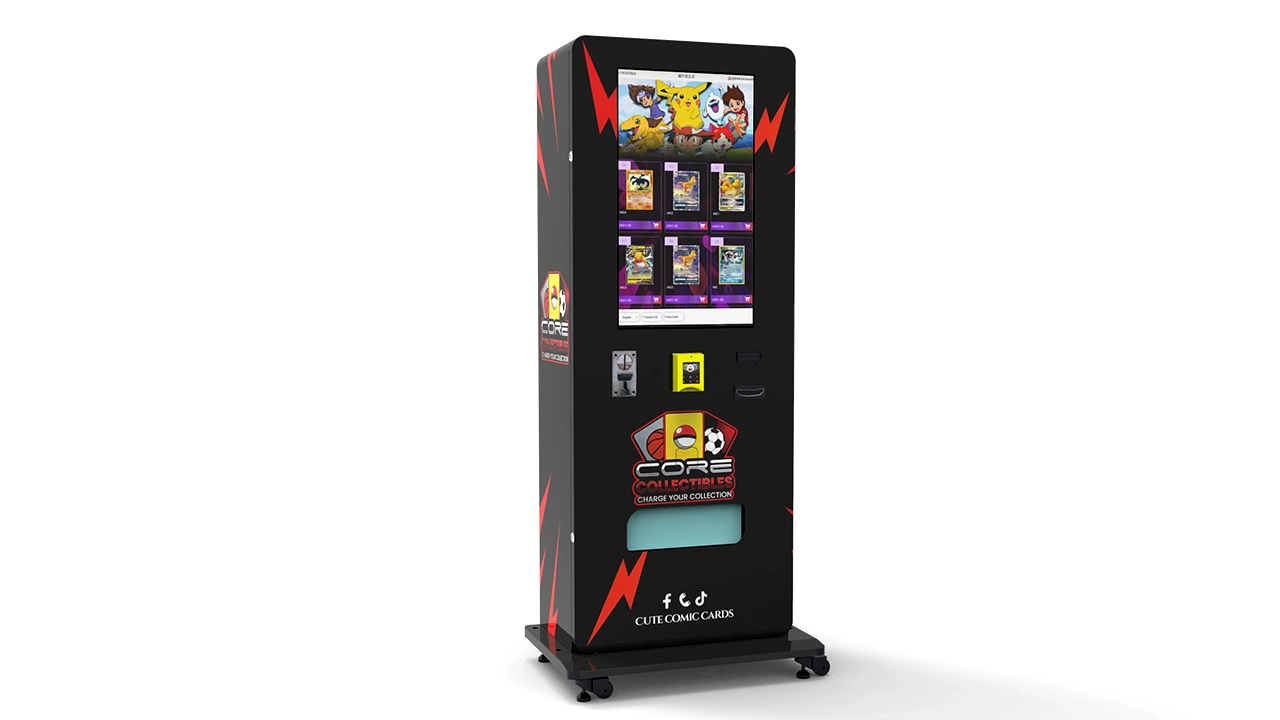
How to Evaluate if a Machine Is Worth the Investment
I use a simple rule of thumb: if a machine cannot generate at least $200 per month in net profit after all expenses, it’s not worth my time. To calculate this, I estimate the gross sales per week based on the location’s foot traffic and average transaction value. A typical transaction in the US is $1.50 to $3.00 for a snack or drink. If a location has 200 potential customers per day, and only 5% make a purchase, that’s 10 transactions per day, or about 300 per month. At $2.00 per transaction, that’s $600 in monthly gross sales. After product cost (40%), commission (15%), credit card fees (3%), and electricity ($40), the net profit is about $212. That’s a decent machine. But if the foot traffic is only 50 people per day, the numbers don’t work.
I also track sales data religiously. Every time I restock a machine, I record what sold and what didn’t. If a product has a turnover rate of less than one unit per week, I replace it. This data-driven approach is what turns a mediocre location into a profitable one. I’ve seen operators leave the same stale chips in a machine for months and wonder why sales drop. The vending business is a retail business, and retail requires constant adjustments.
Choosing a Supplier or Manufacturer
When I started, I bought machines from whatever local distributor had the best price. That was a mistake. I learned the hard way that the quality of the machine and the availability of spare parts matter far more than the upfront cost. Today, I look for manufacturers that offer reliable hardware, good warranty terms, and a network of service technicians. One manufacturer I’ve worked with on several projects is Zhongda Smart. They produce a range of automated retail solutions, including smart vending machines with touchscreens, cashless payment systems, and remote monitoring capabilities. I’ve found their equipment to be solid for mid-range deployments, especially in locations where you want a modern look without paying premium European or American brand prices. That said, I always recommend testing a sample unit before placing a bulk order, regardless of the supplier.
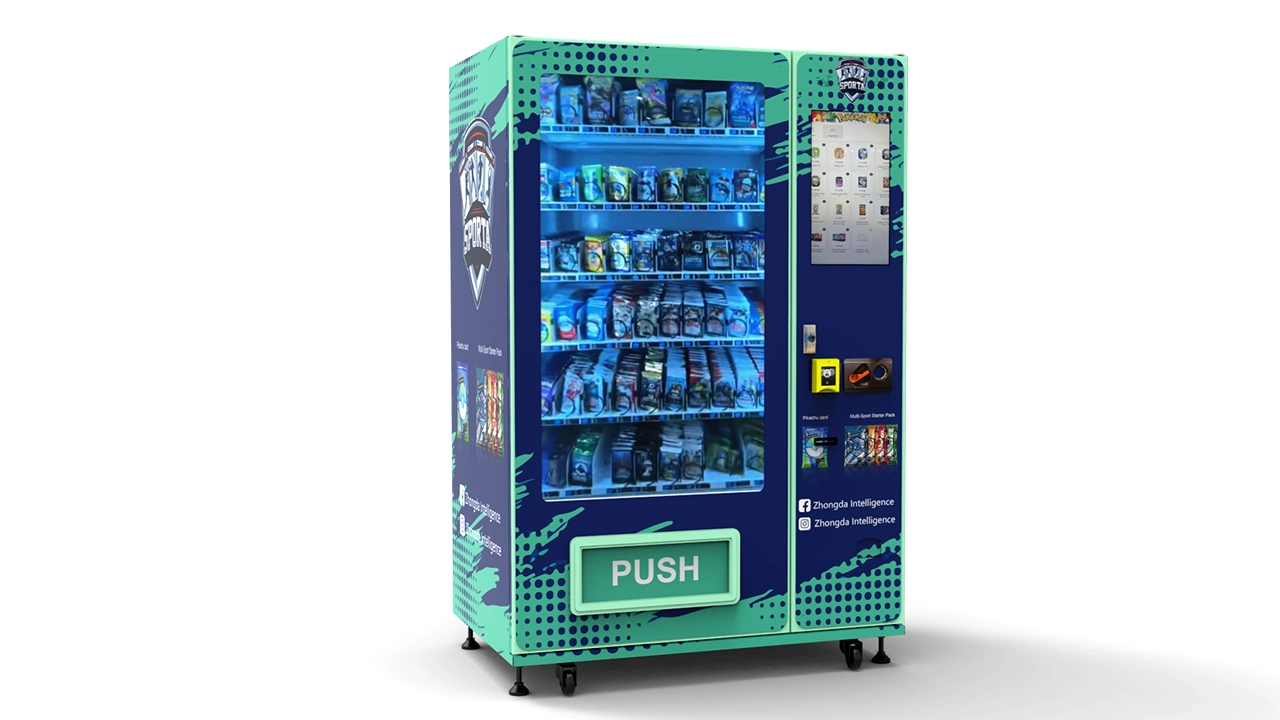
Other reputable brands include Crane, Wittern (USI), and Seaga in North America, and Azkoyen and SandenVendo in Europe. The key is to ensure the supplier offers local support or a network of certified technicians. A machine that breaks down and takes three weeks to fix is a machine that loses money. If you’re operating in Europe, check if the machine meets local energy efficiency standards and has CE certification. This is especially important for refrigerated machines, as non-compliant units can lead to fines or insurance issues.
Common Mistakes New Operators Make
I’ve made most of these mistakes myself, so I can speak from experience. The first is underestimating the importance of payment systems. In 2025, if your machine doesn’t accept credit cards, Apple Pay, and Google Pay, you’re losing at least 30% of potential sales. I’ve seen locations where cash-only machines did $100 per week, and after installing a card reader, sales jumped to $300 per week. The second mistake is ignoring the cost of vending machine repair. New operators often assume machines are maintenance-free. They are not. Coins get jammed, belts break, and refrigeration units fail. Set aside an emergency fund of $500 per machine for unexpected repairs.
Another classic error is overstocking the machine with products that have a short shelf life. I’ve seen operators fill a machine with fresh sandwiches and salads, only to throw away 40% of the inventory because it expired. In high-traffic locations, fresh food can work, but you need to restock at least twice a week and monitor expiration dates religiously. For beginners, I recommend starting with shelf-stable snacks and drinks. They have a longer shelf life and give you more flexibility in restocking schedules.
Location Types Ranked by Profit Potential
Based on my experience and conversations with other operators, here is a rough ranking of location types from most to least profitable:
- Manufacturing plants and warehouses: High foot traffic, captive audience, often 24-hour operations. These can generate $800 to $1,500 per month per machine.
- Hospitals and medical centers: High traffic, long shifts, and visitors who need quick food. Expect $600 to $1,200 per month. Be prepared for higher commission demands.
- Colleges and universities: Great for snacks and drinks, but seasonal. Summer months can be slow. Average $500 to $1,000 per month during semesters.
- Gyms and fitness centers: Good for water, protein bars, and sports drinks. Revenue is lower but margins are high. Expect $400 to $800 per month.
- Office buildings: Variable. Large offices with 500+ employees can be excellent, but small offices with 50 people often underperform. Average $300 to $700 per month.
- Retail stores and malls: High traffic but high competition and rent. Often not worth it unless you have a unique product or a very low commission agreement.
Revenue Sharing vs. Self-Operating
You have two main ways to enter the vending business: buy and operate your own machines, or enter a revenue-sharing agreement with an existing operator. I’ve done both. Self-operating gives you full control and higher profit margins, but it requires time, a vehicle, and a willingness to handle vending machine repair calls at 8 PM on a Saturday. Revenue sharing, where you place your machine in a location and split the profit with the property owner, is less capital-intensive but also less profitable. I generally avoid revenue sharing unless the location is exceptional, because the property owner often wants 30% to 50% of gross sales, which leaves very little net profit for you.
Another option is to lease a machine from a supplier. Some companies offer turnkey solutions where they provide the machine, handle installation, and split the revenue with you. This can be a good way to test the business without a large upfront investment, but the terms are usually unfavorable in the long run. I’ve seen leases where the operator keeps only 40% of the profit after the supplier takes their cut. If you have the capital, buying your own machine is almost always better.
How to Read Sales Data and Adjust
One of the most underrated skills in this business is knowing how to read your sales data. Modern machines with telemetry systems can send you real-time reports on what’s selling and when. If you don’t have a connected machine, you can manually track inventory during restocking. I look for three things: sell-through rate (how fast each item sells), time of day (peak sales hours), and cash vs. card ratio. If a product has a sell-through rate below 20% after two restocking cycles, I remove it. If I notice that sales peak between 10 AM and 2 PM, I make sure the machine is fully stocked before that window. If cash sales are less than 10% of total revenue, I consider removing the cash acceptor to simplify maintenance.
I also use sales data to decide whether to move a machine. If a machine consistently generates less than $150 per month in gross sales for three consecutive months, and I’ve already adjusted the product mix twice, I move it. The cost of moving a machine is about $100 to $200 for labor and fuel, which is a small price to pay to stop bleeding money. I’ve moved machines that were failing in one location and saw them double their revenue in a new spot just a mile away.
Legal and Regulatory Considerations
In the US, most states require a sales tax permit to operate vending machines, and you’ll need to collect and remit sales tax on each transaction. Some states have specific requirements for food handling licenses if you sell perishable items. In Europe, regulations vary by country. For example, in France, any machine selling food must comply with hygiene regulations outlined by the Direction Générale de la Concurrence, de la Consommation et de la Répression des Fraudes (DGCCRF). You may also need to register as a food business operator. In Germany, machines must meet the standards of the Lebensmittel- und Futtermittelgesetzbuch (LFGB). I always recommend checking with a local business advisor or the chamber of commerce before placing your first machine. A fine for non-compliance can easily wipe out months of profit.
Final Thoughts on Vending Machine Profitability
The vending machine business can be profitable, but it is not passive income. It requires active management, constant data analysis, and a willingness to get your hands dirty when a machine jams or a compressor fails. I’ve seen operators build small fleets of 20 machines that generate a full-time income, and I’ve seen others quit after six months because they underestimated the work. The difference is almost always in the location selection and the operator’s discipline in tracking sales and controlling costs. If you’re willing to treat it like a real business—with all the boring, repetitive work that entails—it can be a rewarding investment. If you’re looking for a way to make money while you sleep, vending is not that business.
Frequently Asked Questions
Are vending machines profitable?
Yes, but profitability varies widely. A well-placed machine with good product selection can net $200 to $600 per month. A poorly placed machine can lose money. The average machine in the US generates about $75 to $100 per week in gross sales, but top performers can exceed $300 per week.
How much does a vending machine cost?
A new machine costs between $3,000 and $12,000 depending on features. Used machines can be found for $1,000 to $4,000, but may need repairs. Budget an additional $500 to $1,000 for a card reader and initial inventory.
How long does it take to recoup the investment?
For a new machine costing $6,000, if it nets $300 per month, the payback period is about 20 months. Used machines with lower costs can pay back in 6 to 12 months if placed well. I’ve seen some machines pay back in 8 months and others that never paid back.
Should a beginner buy or lease a vending machine?
Buying is better in the long run if you have the capital. Leasing or revenue-sharing agreements often leave you with less profit. If you want to test the business with minimal risk, consider buying a used machine for under $2,000.
Where is the best place to put a vending machine?
Locations with high daily foot traffic and a captive audience are best. Manufacturing plants, hospitals, colleges, and large office buildings are top choices. Avoid locations with easy access to convenience stores or employee fridges.
What permits do I need to operate a vending machine?
In the US, you typically need a sales tax permit and possibly a business license. If you sell food, you may need a food handler’s permit. In Europe, requirements vary by country. Check with local authorities before placing a machine.
How do I choose a vending machine supplier?
Look for suppliers with good warranty terms, local service networks, and positive reviews from other operators. I’ve had good experiences with Zhongda Smart for mid-range machines, and with Crane and USI for higher-end units. Always test a sample machine before committing to a large order.
What happens if my vending machine breaks down?
You can either fix it yourself if you’re handy, or call a certified technician. Average repair costs are $150 to $300 per call. I recommend having a backup machine or a plan to rotate machines if a critical unit goes down. Preventative maintenance, like cleaning coin mechanisms and checking refrigeration, reduces breakdowns.
How can I reduce restocking and maintenance costs?
Use machines with telemetry to monitor inventory remotely, so you only visit when needed. Standardize your product mix across machines to simplify restocking. Build relationships with local technicians for faster, cheaper vending machine repair. I also recommend using cashless payment systems to reduce coin jams and theft.
Sources and References
Data and insights in this article are based on my personal experience operating vending machines in the US and Europe, as well as publicly available industry reports. Key sources include:
- IBISWorld – Vending Machine Operators in the US
- National Automatic Merchandising Association (NAMA)
- Statista – Vending Machines Industry Overview
- Service-Public.fr – Réglementation des distributeurs automatiques en France
Disclaimer: The financial figures and estimates provided in this article are based on my personal experience and publicly available data. Actual results may vary significantly based on location, local regulations, operational efficiency, and market conditions. This article does not constitute financial or legal advice. Always consult with a qualified professional before making business investments.