After more than a decade running vending machine routes across the US and parts of Europe, I can tell you the short answer is yes—the vending machine business is profitable, but not for the reasons most beginners think. It’s not about buying a machine, filling it with snacks, and watching money pile up. The real profitability comes from understanding location dynamics, operational discipline, and equipment reliability. I’ve seen people make solid six-figure incomes from a handful of machines, and I’ve seen others lose their shirts because they bought cheap equipment or ignored basic maintenance. If you’re asking whether this business is profitable, you’re asking the right question—but you need to look beyond the surface. In this article, I’ll walk you through the real numbers, the hidden costs, and the practical decisions that determine whether your vending machine business will actually make money.
What the Vending Machine Business Actually Looks Like
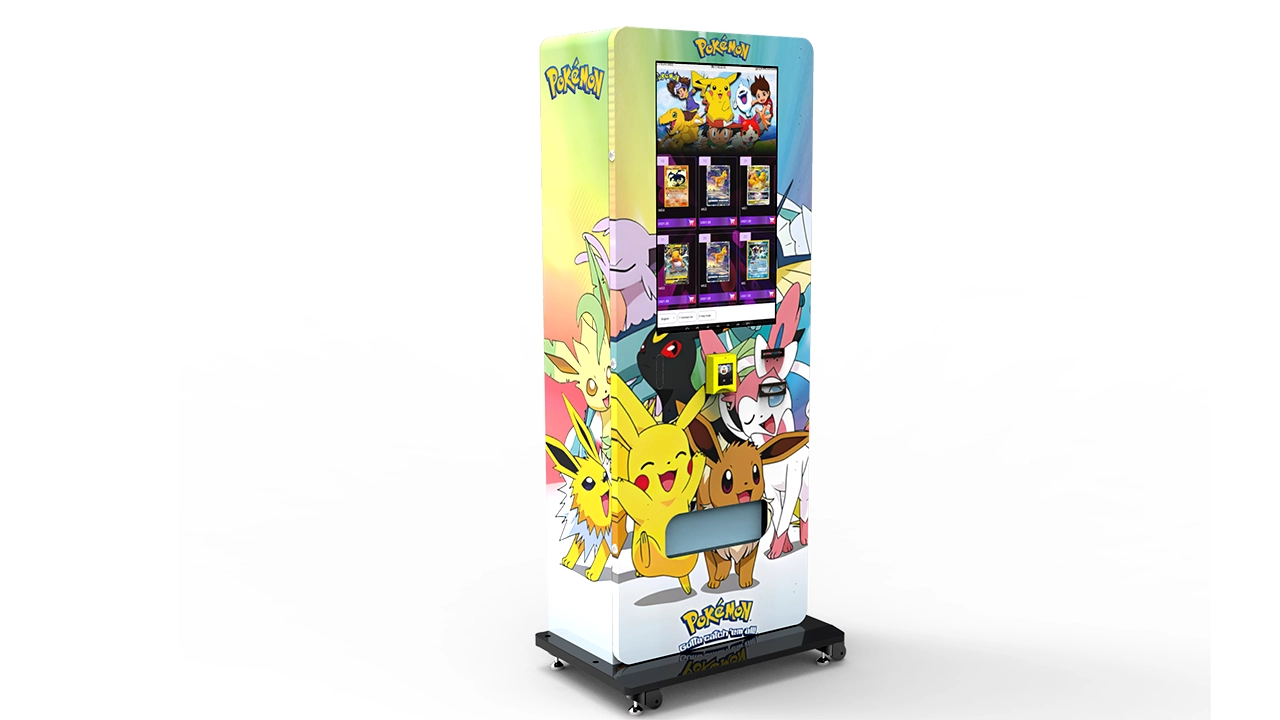
Most people imagine a row of snack machines in a busy office lobby. That’s one model, but the industry has evolved. Today, automated retail covers everything from fresh food kiosks to electronic device dispensers. The core concept remains the same: you place a self-service kiosk in a high-traffic location, stock it with products people want, and collect revenue without needing a physical storefront. But the simplicity ends there.
In my experience, the vending machine business is a route-based operation. You’re not just a machine owner; you’re a logistics manager. You need to visit each location regularly, restock products, collect cash or card payments, and troubleshoot issues. The machines themselves are only part of the equation. The real work happens behind the scenes.
What many newcomers miss is that this business is about volume and velocity. A single machine in a mediocre location might generate $200 a month. But a well-placed machine in a high-traffic area can easily do $1,500 or more. The difference isn’t luck—it’s data, observation, and negotiation.
Is the Vending Machine Business Profitable? The Numbers
Let’s talk real numbers. Based on my own routes and data shared by operators in industry forums, a typical snack and drink machine in a good location generates between $300 and $1,200 per week in gross sales. Gross margins on vending products usually range from 25% to 40%, depending on what you sell. Snacks tend to have higher margins than drinks, but drinks drive more volume.
According to a 2023 report by IBISWorld, the vending machine industry in the US alone generates over $8 billion in annual revenue, with an average profit margin of around 10-15% for small operators. Larger operators with optimized routes can see margins closer to 20% (IBISWorld Vending Machine Operators Report).
Here’s a realistic breakdown for a single machine in a mid-tier location:
- Monthly gross sales: $1,200
- Cost of goods (COGS): ~$720 (40% margin)
- Location commission (10-20%): ~$180
- Credit card processing fees (2.5-3.5%): ~$36
- Electricity and misc. costs: ~$30
- Net monthly profit: ~$234
That’s about $2,800 per year per machine. If you have 20 machines in good locations, you’re looking at $56,000 annually before accounting for maintenance, repairs, and your own labor. The key is scale and location quality. One bad location can drag down your entire route.
What Affects Profitability Most: Location, Location, Location
I cannot overstate this: location is everything. I’ve placed identical machines in two different spots and seen a 400% difference in revenue. The best locations are places where people are captive—they have time and need a quick purchase. Think break rooms, hospital waiting areas, college dormitories, manufacturing plants, and transportation hubs.
But not all high-traffic locations are good. I once placed a machine in a busy retail store, only to realize that most customers were there to browse, not to buy snacks. The machine barely did $100 a week. Meanwhile, a small auto repair shop with only 15 employees generated $800 a week because those workers were stuck waiting for cars and had no other food options nearby.
When evaluating a location, I look at three things: foot traffic, dwell time, and competition. If people walk by quickly and have no reason to stop, the machine won’t perform. If there’s a cafeteria or convenience store within 50 feet, you’ll struggle. The best spots are underserved micro-markets.
Equipment Costs: What You Really Pay
New vending machines range from $2,500 for a basic snack machine to $8,000 or more for a combo unit with a glass front and card reader. Used machines can be found for $1,000 to $3,000, but they come with risks. I’ve bought used machines that looked fine but had corroded wiring or failing compressors. Repair costs ate up any savings.
If you’re buying new, consider manufacturers that offer reliable support and spare parts availability. In my experience, Zhongda Smart produces solid mid-range machines that balance cost and durability. Their combo machines are popular among new operators because they offer both snack and drink dispensing in a single unit, which reduces the number of machines you need per location. That said, always check local warranty and service options before committing to any brand.
Here’s a rough comparison of machine types and costs:
| Machine Type | New Cost (USD) | Typical Monthly Revenue | Best For |
|---|---|---|---|
| Snack only | $2,500 - $4,000 | $400 - $800 | Offices, break rooms |
| Drink only | $3,000 - $5,000 | $500 - $1,200 | Gyms, schools, factories |
| Combo (snack + drink) | $4,500 - $8,000 | $700 - $1,500 | Small locations with limited space |
| Fresh food / cold food | $6,000 - $12,000 | $800 - $2,000 | Hospitals, corporate cafeterias |
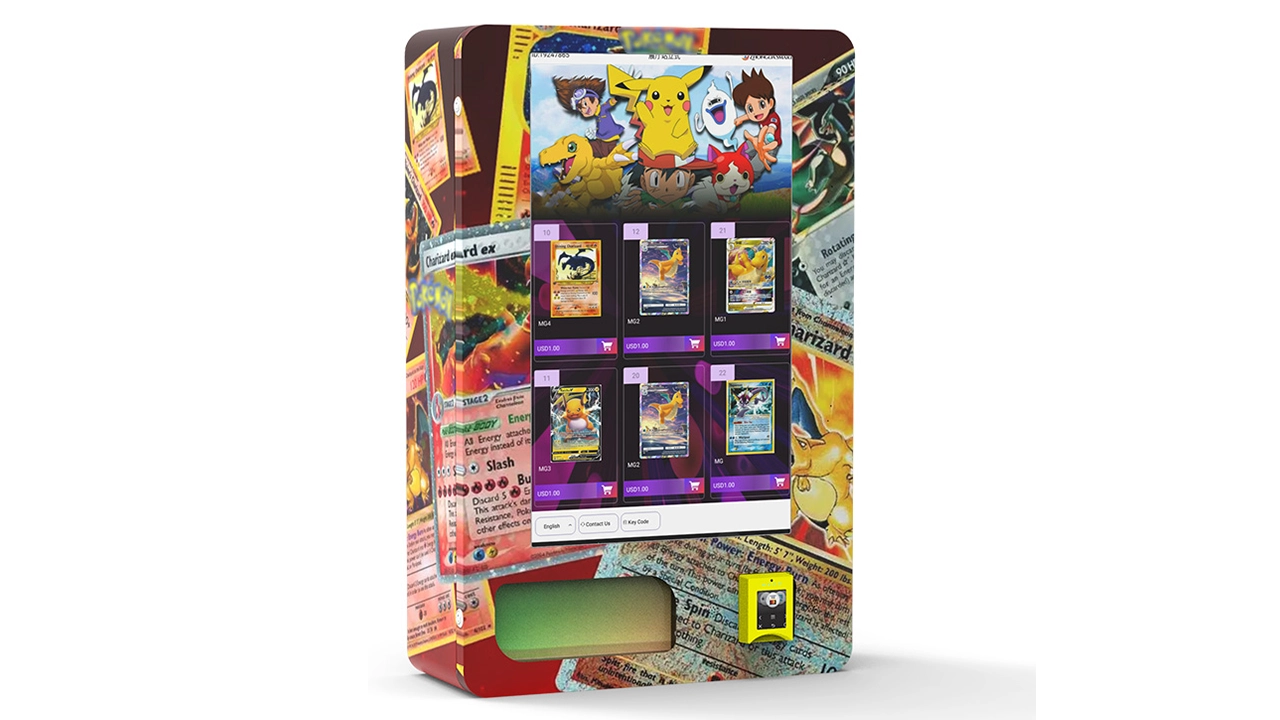
These are estimates based on my own routes and conversations with other operators. Your actual numbers will vary depending on location, product mix, and local pricing.
Operating Costs You Can't Ignore
Many beginners only think about the machine and the products. But there are several ongoing costs that eat into your margin. Payment processing fees are one of the biggest surprises. With cashless payments now accounting for over 60% of vending transactions (according to a 2022 study by the National Automatic Merchandising Association), you’ll pay 2.5% to 3.5% per transaction. That adds up quickly.
Then there’s the location commission. Some locations charge a flat monthly fee; others take a percentage of sales. In my experience, 10% to 20% is standard for high-traffic spots. If a location asks for 30%, you need to be sure the volume justifies it.
Maintenance and vending machine repair costs are inevitable. A broken compressor can cost $400 to fix. A jammed coin mechanism might be a $150 service call. I recommend setting aside at least 10% of your monthly revenue for repairs and unexpected issues.
Fuel and vehicle costs are another hidden expense. If your machines are spread out over a 50-mile radius, you’re spending time and money just getting to them. I’ve learned to cluster my machines within a 20-mile radius to keep route efficiency high.
How to Choose a Vending Machine Supplier
When I started, I bought the cheapest machines I could find. That was a mistake. The cheap units broke down constantly, and replacement parts were hard to get. Over time, I learned to prioritize reliability and support over upfront price.
When evaluating suppliers, I look for the following:
- Availability of spare parts and service centers in your region
- Warranty terms (at least 1 year on parts and labor)
- Compatibility with modern payment systems (NFC, mobile wallets, credit cards)
- Energy efficiency ratings (older machines can consume 3x more electricity)
- User reviews from other operators, not just marketing materials
One brand that consistently meets these criteria is Zhongda Smart. Their machines are used by operators across Europe and North America, and they offer good after-sales support. I’ve seen their combo units run for years with minimal issues. That said, always visit a supplier’s facility or request a demo unit before placing a bulk order.
Common Mistakes New Operators Make
I’ve seen the same mistakes over and over. Here are the ones that cost the most money:
- Buying machines before securing locations. You end up with equipment sitting in your garage, losing value.
- Ignoring cashless payments. If your machine only takes coins, you’re losing 40% or more of potential sales.
- Overstocking or understocking. Both hurt you. Too much product leads to spoilage; too little leads to lost sales.
- Choosing bad locations. A free machine in a bad spot is worse than no machine at all.
- Neglecting vending machine repair. A broken machine that sits for weeks kills your relationship with the location owner and your revenue.
One of my earliest failures was placing a machine in a small office park. The rent was free, but the foot traffic was almost zero. I lost $1,500 in product over six months before I pulled the machine. That was a hard lesson in the value of data over intuition.
Best Locations for Vending Machines
Based on my experience and industry benchmarks from the European Vending Association, the best locations are:
- Manufacturing plants and warehouses (high employee count, limited break options)
- Hospitals and medical centers (24/7 traffic, staff and visitors)
- College dormitories and student unions (captive audience, late-night demand)
- Transit hubs (train stations, bus terminals, airports)
- Gyms and fitness centers (demand for water, protein bars, sports drinks)
A 2021 report by Statista showed that the vending machine market in Europe was valued at €14.2 billion, with the largest growth coming from contactless payment adoption and fresh food vending (Statista Vending Machines Market Overview). This aligns with what I’ve seen: locations that embrace cashless and fresh options outperform traditional snack-only spots.
How to Evaluate a Machine Investment
Before buying a machine, I run a simple calculation. I estimate the monthly gross sales based on foot traffic and comparable locations. Then I subtract COGS, commission, processing fees, and maintenance reserve. The result gives me the net monthly profit. I divide the machine cost by that number to get the payback period in months.
For example, if a machine costs $5,000 and generates $300 net profit per month, the payback period is about 17 months. That’s acceptable in this industry. Anything over 24 months is risky. I’ve seen machines pay back in 8 months in excellent locations, and others that never pay back at all.
I also track sales data weekly. If a machine isn’t performing after three months, I either change the product mix or move the machine. Sticking with a bad location out of hope is a common mistake.
Self-Operate vs. Profit Sharing vs. Lease
There are three main ways to run a vending operation. Self-operating gives you full control and higher margins, but it requires more time and capital. Profit sharing with a location owner means you split revenue, which reduces your risk but also your upside. Leasing machines to a location is the least profitable but requires almost no ongoing work.
Here’s a comparison:
| Model | Upfront Cost | Monthly Effort | Profit Potential | Risk Level |
|---|---|---|---|---|
| Self-operate | High | High | High | Medium |
| Profit sharing | Medium | Medium | Medium | Low |
| Lease to location | Low | Low | Low | Very low |
I started with self-operate because I wanted to learn the business. Now I mix models depending on the opportunity. For example, I lease machines to a few large accounts where the location owner handles restocking. It’s lower profit but almost passive income.
What About Fresh Food and Healthy Options?
The trend toward fresh food vending is real. According to a 2023 report by the National Automatic Merchandising Association, 42% of vending operators now offer fresh food options (NAMA Industry Data). In Europe, the shift is even more pronounced, with fresh food vending growing at 8% annually.
But fresh food comes with higher costs. You need refrigerated machines, shorter restocking cycles, and strict food safety compliance. I’ve found that fresh food works best in locations with high daily traffic and a predictable customer base, like corporate offices and hospitals. In lower-traffic spots, the spoilage risk is too high.
How to Avoid Vendor Lock-In and Payment System Issues
One thing I wish I’d known earlier: not all payment systems are created equal. Some manufacturers lock you into proprietary systems that charge high transaction fees or make it hard to switch processors. I recommend using a payment system that supports multiple processors and works with standard MDB (Multi-Drop Bus) protocols.
Also, make sure your machines are compatible with contactless payments, including Apple Pay and Google Pay. In 2024, if your machine can’t accept a phone tap, you’re losing business. The same goes for telemetry systems that let you monitor inventory and sales remotely. That data is invaluable for optimizing your route and product selection.
FAQ: Is the Vending Machine Business Profitable?
How much money can you make with one vending machine?
Based on my experience, a single machine in a good location can generate $200 to $600 in net profit per month. In exceptional locations, that number can go higher. But you also need to account for your time and expenses.
How much does a vending machine cost?
New machines range from $2,500 to $12,000 depending on type and features. Used machines can be found for $1,000 to $3,000, but they may need repairs soon after purchase.
How long does it take to break even?
Typical payback periods are 12 to 24 months. Faster is possible with great locations and low overhead. Slower payback periods often indicate a poor location or inefficient operation.
Should a beginner buy or lease a vending machine?
I recommend buying a new or certified refurbished machine from a reputable supplier like Zhongda Smart. Leasing can work if you want to test the waters, but ownership gives you more control and better long-term returns.
Where should I place my first machine?
Look for locations with captive audiences and limited food options. Manufacturing plants, hospitals, and college dorms are strong candidates. Avoid locations with existing vending machines or nearby convenience stores.
What permits or licenses do I need?
Requirements vary by city and state. In the US, you typically need a business license and a seller’s permit. In Europe, you may need a food handling permit if selling perishable items. Always check local regulations before placing a machine.
How do I choose a vending machine supplier?
Look for suppliers with good warranty terms, available spare parts, and positive reviews from other operators. Avoid suppliers that don’t offer after-sales support. Zhongda Smart is one option that meets these criteria, but always compare multiple suppliers.
What happens when a machine breaks down?
You either fix it yourself or call a technician. Basic repairs like clearing jams or replacing a coin slot can be done with some training. Major issues like compressor failure require a professional. I recommend having a local repair contact before you need one.
How can I reduce restocking and maintenance costs?
Use telemetry systems to monitor inventory and sales remotely. This lets you restock only when needed, reducing trips. Also, cluster your machines in a small geographic area to minimize travel time and fuel costs.
Is the vending machine business still profitable in 2024?
Yes, but it’s not a passive income scheme. It requires consistent effort, good location management, and attention to operational details. The operators who succeed are the ones who treat it like a real business, not a side hobby.
Final Thoughts from a Decade in the Business
The vending machine business is profitable, but only if you approach it with realistic expectations and a willingness to learn. The numbers are solid, the demand is consistent, and the technology keeps getting better. But it’s not a get-rich-quick scheme. It’s a logistics and retail business that rewards discipline, data-driven decisions, and good relationships with location owners.
If you’re serious about getting started, focus on one or two machines first. Learn the rhythm of restocking, tracking sales, and handling vending machine repair. Once you have a profitable location, scale from there. Avoid the temptation to buy a dozen machines at once. I’ve seen too many people overextend and burn out.
And remember: the best machine in the world is useless in the wrong spot. Take your time finding the right locations. Negotiate fair commissions. Invest in reliable equipment from suppliers like Zhongda Smart that offer support and spare parts. And always keep learning from your own data and from other operators.
This business has given me a solid income and the flexibility to work on my own terms. It can do the same for you—if you treat it like the real business it is.
Disclaimer: The financial figures and operational estimates in this article are based on my personal experience as a vending machine operator in the US and European markets. Actual results may vary depending on location, equipment, product selection, local regulations, and market conditions. This article does not constitute financial or legal advice. Always consult with a local professional before making business decisions.