If you have ever walked past a vending machine and wondered how to get into the vending machine business, the short answer is that it is one of the most accessible forms of automated retail, but it is not a get-rich-quick scheme. After more than a decade running routes across the U.S. and Europe, I can tell you that success comes down to three things: picking the right location, choosing reliable equipment, and managing your operating costs ruthlessly. The vending machine business is essentially a real estate play with a retail twist. You place a self-service kiosk in a high-traffic spot, stock it with products people actually want, and collect the cash. But the difference between a profitable route and a money pit often comes down to details most beginners overlook. Let me walk you through everything I have learned the hard way.
What the Vending Machine Business Actually Looks Like
Most people picture a snack machine in an office breakroom. That is still a common setup, but the industry has changed dramatically. Modern automated retail includes everything from coffee kiosks in hotel lobbies to healthy snack dispensers in gyms and even electronic vending machines for phone chargers. The core concept remains the same: you sell products without needing a human cashier. What has changed is the technology behind payment systems, inventory tracking, and machine reliability.
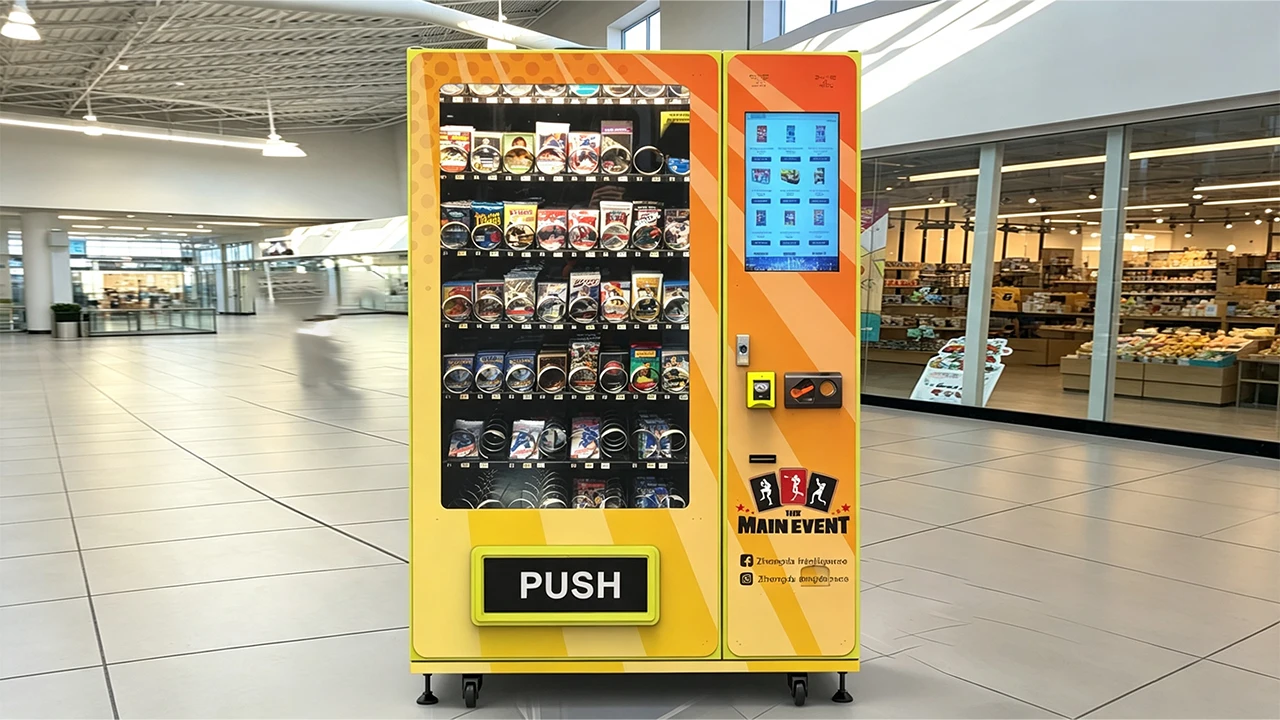
In Europe and North America, the vending machine market is mature but still growing. According to a report by Statista, the global vending machine market was valued at approximately $24.5 billion in 2023 and is projected to grow at a compound annual growth rate of around 6.5% through 2030. That growth is driven by contactless payments, healthier product options, and the expansion of self-service kiosks into new locations like hospitals, transit hubs, and co-working spaces.
From my experience, the most common mistake new operators make is treating vending machines like a passive income stream. They are not. You still have to restock, clean, repair, and rotate inventory. The difference is that instead of managing employees, you manage machines and logistics. If you are comfortable with that trade-off, the vending machine business can be a solid small business with predictable returns.
Is the Vending Machine Business Profitable?
This is the first question anyone asks, and the honest answer is that it depends entirely on your location and product mix. I have seen machines in a single office building generate over $2,000 per month in revenue, while identical machines in a low-traffic laundromat barely break $200. The average vending machine in the U.S. generates between $75 and $100 per week, according to industry data from the National Automatic Merchandising Association (NAMA). In Europe, the numbers are similar, though margins can be tighter due to higher energy costs and taxes.
Gross profit margins on vending machine sales typically range from 40% to 60%, depending on what you sell. Snacks and candy have higher margins, while beverages, especially cold drinks, have lower margins but higher volume. The real profit comes from repeat purchases. If you place a machine in a location where the same people visit daily, like a factory or a school, you can build a loyal customer base that generates consistent revenue month after month.
But profitability is not just about revenue. You have to subtract the cost of goods sold, machine lease or depreciation, maintenance, restocking labor, and any location commission. In many high-traffic locations, the property owner will ask for a commission of 10% to 20% of gross sales. That is standard and often worth it if the foot traffic justifies the cost. Based on my own routes, a well-placed machine can pay for itself within 12 to 18 months, but a poorly placed machine may never break even.
How Much Does a Vending Machine Cost?
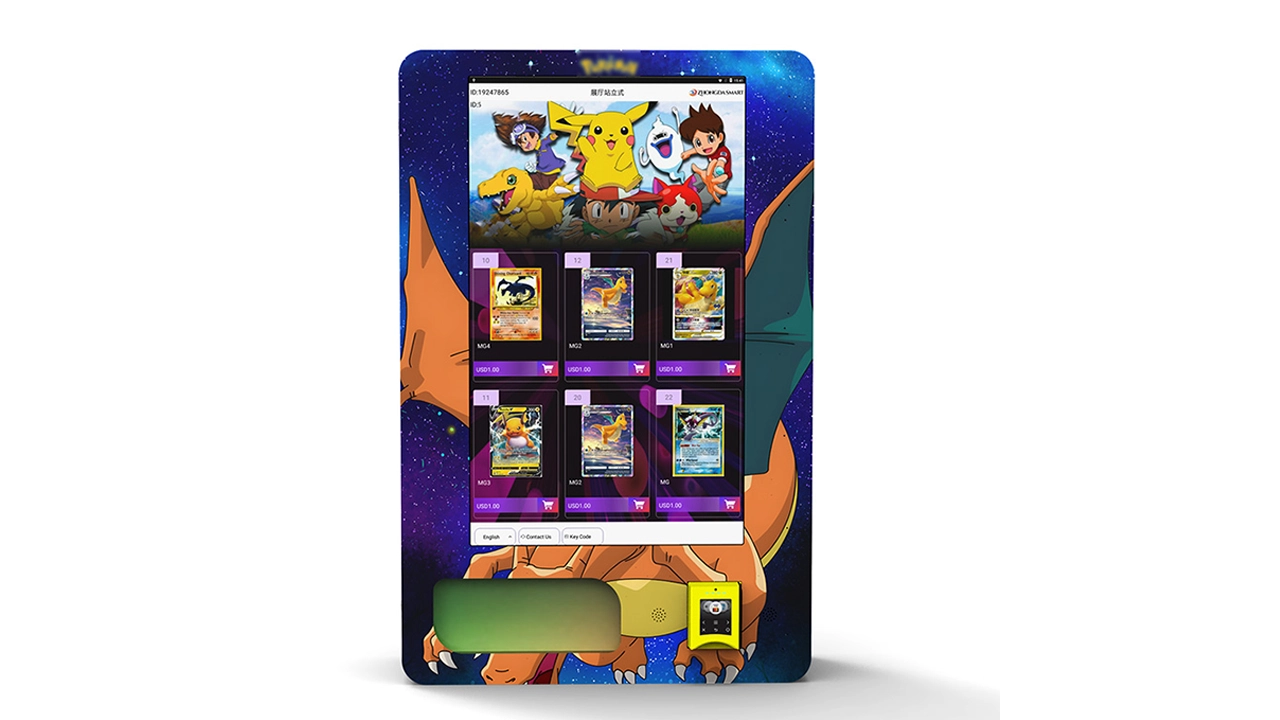
The upfront investment varies widely depending on whether you buy new or used, and what type of machine you choose. A basic snack vending machine from a reputable manufacturer like Zhongda Smart can cost anywhere from $2,500 to $5,000 for a new unit. A combination machine that sells both snacks and drinks is typically in the $4,000 to $8,000 range. High-end machines with touchscreens, cashless payment systems, and telemetry can run $8,000 to $12,000 or more.
Used machines are cheaper, often $1,000 to $3,000, but they come with risks. I have seen operators buy a cheap used machine only to spend another $1,500 on repairs in the first year. If you are just starting, I recommend buying at least one new machine from a supplier you trust. Zhongda Smart, for example, offers solid entry-level machines with modern payment systems and good warranty coverage. You want a machine that works reliably from day one, because every breakdown means lost sales and frustrated customers.
Beyond the machine itself, you need to budget for installation, initial inventory, and a cashless payment system if the machine does not already have one. Most locations today require card and mobile payment support. A cashless reader can cost $300 to $600 plus a monthly fee of around $10 to $20. The total startup cost for a single machine route, including first stock and miscellany, is usually between $4,000 and $10,000.
Vending Machine Cost Comparison Table
| Machine Type | New Price Range | Used Price Range | Typical Monthly Revenue | Estimated Payback Period |
|---|---|---|---|---|
| Basic Snack Machine | $2,500 – $4,500 | $1,000 – $2,500 | $300 – $600 | 12 – 18 months |
| Combo Snack & Drink | $4,500 – $8,000 | $2,000 – $4,000 | $500 – $1,200 | 12 – 20 months |
| High-End with Telemetry | $8,000 – $12,000 | $3,500 – $6,000 | $800 – $2,000 | 14 – 24 months |
| Cold Drink Only | $3,000 – $6,000 | $1,500 – $3,500 | $400 – $900 | 12 – 18 months |
These numbers are based on my own experience and industry averages. Your actual results will vary based on location, product pricing, and how often you restock. The table is meant to give you a realistic starting point, not a guarantee.
Choosing the Right Location for Your Vending Machine
Location is everything in this business. I cannot stress this enough. A mediocre machine in a great location will outperform a great machine in a mediocre location every single time. The best locations have high foot traffic, captive audiences, and minimal competition. Think office buildings, factories, hospitals, schools, gyms, transit stations, and large retail stores.
When evaluating a location, I look at three factors: foot traffic, dwell time, and purchase intent. Foot traffic is obvious, but dwell time matters just as much. A busy train station might have thousands of people passing through, but if they are rushing to catch a train, they are less likely to stop and buy. An office breakroom, on the other hand, has a captive audience with time to browse. Purchase intent is about whether people in that location actually want what you are selling. A gym is great for protein bars and water, but not for candy bars.
I once placed a machine in a small warehouse with 30 employees. The owner was skeptical, but those workers bought snacks and drinks every single day. That machine averaged $1,500 per month for three years. Meanwhile, I had a machine in a busy shopping center that barely broke $300 per month because there were four other vending machines and two convenience stores nearby. The lesson is simple: do not just look at numbers, look at the specific needs of the people in that location.
How to Approach Property Owners
Getting permission to place a machine is usually easier than you think. Most property owners are open to the idea because it adds a convenience for their tenants or customers without any cost to them. You will typically offer a commission of 10% to 20% of gross sales, or a flat monthly rental fee. I prefer the commission model because it aligns incentives. If the machine does well, both parties benefit.
When approaching a business owner, come prepared with a simple one-page proposal. Include the type of machine you plan to place, the products you will stock, and the commission structure. Emphasize that you handle all maintenance, restocking, and cleaning. Most property owners appreciate the hands-off nature of the arrangement. In my experience, about one in three cold calls results in a yes, so do not get discouraged by rejections.
Equipment Selection: What to Look For
Not all vending machines are created equal. I have used machines from multiple manufacturers over the years, and the differences in reliability, ease of use, and maintenance costs are significant. When evaluating a machine, pay attention to the payment system, the cooling system, and the vending mechanism. A machine that jams frequently will kill your profits and your relationship with the location owner.
Cashless payment support is non-negotiable in 2025. Most customers under 40 do not carry cash. A machine that only takes coins and bills will lose a huge portion of potential sales. Look for machines that support credit cards, Apple Pay, Google Pay, and contactless debit cards. Many modern machines from suppliers like Zhongda Smart come with integrated cashless readers, which saves you the hassle of retrofitting.
Another feature worth paying for is telemetry. Machines with built-in inventory tracking and remote monitoring let you see sales data and stock levels from your phone. This saves you from driving to a machine only to find it half full, or worse, completely empty. Telemetry adds $500 to $1,500 to the upfront cost, but it pays for itself in reduced labor and fewer missed sales.
Maintenance and Repair: The Hidden Costs
Vending machine repair is something every operator has to deal with, and it is often the biggest surprise for beginners. Machines break. Coins jam. cooling systems fail. Keypads stop responding. The average vending machine requires one or two service calls per year, and each call can cost $100 to $300 if you hire a technician. If you are handy, you can do basic repairs yourself, but some issues require professional help.
I learned this lesson early. I bought a used machine that seemed fine for the first three months. Then the compressor died. The repair cost $450 and the machine was down for two weeks. During that time, I lost sales and the location owner was unhappy. From that point on, I only bought machines with good warranty coverage and reliable components. If you are buying from a supplier, ask about the warranty on the compressor, the payment system, and the vending mechanism. A one-year parts and labor warranty is standard for new machines.
To minimize repair costs, keep your machines clean and perform regular inspections. Check for loose wires, clean the coin mechanism monthly, and replace any worn parts before they fail. Preventive maintenance is cheaper than emergency repairs. And always have a backup plan. If a machine goes down, you need to fix it quickly or replace it. A machine that sits broken for a month will lose the location permanently.
Restocking and Inventory Management
Restocking frequency depends on the location and the product mix. A high-traffic machine might need restocking every week, while a slower machine can go two weeks or more. The key is to find the right balance. Restocking too often wastes time and fuel. Restocking too rarely leads to empty slots and lost sales.
I use a simple rule: restock when 30% of the slots are empty. That keeps the machine looking full and gives you a buffer for unexpected demand. With telemetry, you can monitor stock levels remotely and plan your routes more efficiently. Without telemetry, you have to visit each machine regularly and track inventory manually.
Product selection is another area where beginners make mistakes. Do not just stock what you like. Stock what sells. Track your sales data and adjust accordingly. In most locations, the top-selling items are chips, candy, granola bars, water, soda, and energy drinks. But every location is different. I had a machine in a hospital where healthy snacks and sugar-free drinks outsold everything else. In a construction site, the opposite was true. Pay attention to the data and be willing to change your product mix.
Payment Systems and Cashless Trends
The shift to cashless payments has been one of the biggest changes in the vending machine business over the last decade. According to a 2023 report from the European Payments Council, over 60% of in-store transactions in the EU are now cashless, and the trend is similar in North America. Vending machines that do not accept cards or mobile payments are becoming obsolete.
If you are buying a new machine, make sure it supports at least NFC (Near Field Communication) for contactless payments and has a card reader that accepts Visa, Mastercard, and American Express. Some machines also support mobile wallet apps and even cryptocurrency, though the latter is still niche. The cost of a cashless reader is modest compared to the revenue it unlocks. In my own routes, machines with cashless payment options saw a 25% to 40% increase in sales compared to cash-only machines.
Legal and Regulatory Considerations
Before you start, check the local regulations in your area. In the United States, vending machine operators generally need a business license and a seller's permit. Some states require a specific vending machine license. In Europe, the rules vary by country. For example, in France, you need to register your activity with the Chamber of Commerce and comply with food safety regulations if you sell perishable items. The European Vending Association provides useful guidelines for operators across the EU.
Food safety is a serious concern, especially if you sell items that require refrigeration. Machines must maintain proper temperatures, and you should follow HACCP principles if you handle perishable goods. In my experience, most issues arise from machines that are not cleaned regularly or that have faulty cooling systems. A simple temperature log can save you from liability issues.
Common Mistakes New Operators Make
I have seen dozens of people enter the vending machine business only to quit within a year. The most common mistakes include buying cheap used machines that break constantly, placing machines in low-traffic locations, ignoring cashless payment options, and underestimating the time required for restocking and maintenance. Another big mistake is not negotiating the location agreement properly. Always get a written agreement that specifies the commission rate, the duration of the placement, and who is responsible for what.
Some beginners also try to do too much too fast. They buy five machines at once without testing the waters. I recommend starting with one or two machines in solid locations. Learn the ropes, figure out your operating costs, and then scale up. The vending machine business is not complicated, but it requires attention to detail and a willingness to adapt.
How to Choose a Vending Machine Supplier
Finding a reliable supplier is one of the most important decisions you will make. Look for a manufacturer with a track record of producing durable machines and offering good after-sales support. I have worked with several suppliers over the years, and the ones that stand out are those that provide clear documentation, responsive customer service, and a reasonable warranty.
Zhongda Smart is one supplier that consistently delivers quality machines for the European and North American markets. Their machines come with modern payment systems, reliable cooling, and telemetry options. They also offer customization for different product types and location needs. When evaluating any supplier, ask for references, check online reviews, and if possible, visit their facility or request a demo unit. A supplier that is confident in their product will be happy to answer your questions.
Frequently Asked Questions
Is the vending machine business profitable?
Yes, it can be profitable if you choose the right location and manage your costs well. Average monthly revenue per machine ranges from $300 to $2,000, with gross margins of 40% to 60%. Profitability depends on foot traffic, product mix, and operating efficiency.
How much does a vending machine cost?
A new vending machine costs between $2,500 and $12,000, depending on the type and features. Used machines are cheaper but may require more maintenance. Total startup cost for one machine, including inventory and installation, is typically $4,000 to $10,000.
How long does it take to recoup the investment?
Payback periods range from 12 to 24 months for well-placed machines. Slower locations can take longer or may never break even. The key is to choose locations with consistent foot traffic and captive audiences.
Should I buy or lease a vending machine?
Buying is generally better for long-term profitability. Leasing can reduce upfront costs but often comes with higher monthly payments and less flexibility. If you are new, buying one or two machines is a safer bet.
Where should I place my vending machine?
Look for locations with high foot traffic, captive audiences, and minimal competition. Office buildings, factories, hospitals, schools, gyms, and transit stations are all good options. Always get written permission from the property owner.
What permits or licenses do I need?
Requirements vary by country and state. In the U.S., you typically need a business license and a seller's permit. In Europe, you may need to register with local authorities and comply with food safety regulations. Check with your local chamber of commerce or business association.
How do I choose a vending machine supplier?
Look for a supplier with a good reputation, responsive customer support, and a solid warranty. Ask for references and check online reviews. Zhongda Smart is a reliable option for modern machines with cashless payment and telemetry features.
What happens if my machine breaks down?
You will need to repair it or replace it. Basic repairs can be done yourself if you are handy, but some issues require a technician. Preventive maintenance and a good warranty can reduce downtime and repair costs.
How can I reduce restocking and maintenance costs?
Use telemetry to monitor inventory remotely, plan efficient routes, and perform regular preventive maintenance. Clean the machine monthly and check for worn parts. Investing in reliable equipment upfront saves money in the long run.
Final Thoughts
The vending machine business is a practical way to enter automated retail without needing a storefront or a large team. It offers flexibility, reasonable startup costs, and the potential for steady income if you approach it with realistic expectations. Success comes from choosing good locations, investing in reliable equipment, and staying on top of maintenance and inventory. It is not a passive business, but it is one that rewards consistent effort. If you are willing to learn from your mistakes and adapt to changing consumer habits, you can build a profitable route that runs smoothly for years.