If you’re looking into the vending machine business in Houston, the first question that usually comes up is who actually builds the equipment you’ll be relying on. After a decade of placing machines across Texas, I can tell you that the manufacturer you choose matters more than most operators realize. The top vending machine manufacturers in Houston USA range from global brands with decades of service history to specialized builders who understand local climate and foot traffic patterns. But before you even start comparing models, you need to understand that “top” doesn’t always mean the most expensive or the most feature-packed. In my experience, the best manufacturer for your specific location is the one that balances machine reliability, payment system flexibility, and after-sales support. Let’s walk through what I’ve learned about the key players, the real costs, and the operational realities you’ll face on the ground in Houston.
What Makes a Vending Machine Manufacturer “Top” in Houston?
Houston isn’t like New York or Chicago. The heat and humidity here put serious stress on refrigeration units, coin mechanisms, and even the touchscreens on modern machines. A manufacturer that performs well in a climate-controlled office building in Minnesota might fail within six months in a Houston warehouse with no air conditioning. Over the years, I’ve seen machines from well-known national brands develop condensation issues that ruined product packaging, and I’ve seen lesser-known builders handle the humidity just fine because they used sealed electronics and heavier-duty cooling systems.
When I evaluate a manufacturer, I look at three things: service network density, spare parts availability, and how quickly they respond to a repair call. In Houston, you want a manufacturer that has a local distributor or a certified service partner within a 50-mile radius. Waiting three days for a technician to fly in from another state kills your revenue and frustrates your location host. I’ve personally used machines from Crane, USI, and Wittern, but I’ve also had good results with regional builders who understand the Gulf Coast environment.
Another factor is payment system compatibility. Houston is a diverse market, and you’ll encounter customers who want to pay with cash, credit cards, mobile wallets, or even meal benefit cards. Your manufacturer needs to offer or at least support a range of payment options. I’ve had to retrofit machines from one brand with third-party card readers because the factory option didn’t support NFC payments. That added cost and complexity I could have avoided with a different manufacturer.
Global Brands vs. Local Specialists
Global brands like Crane Merchandising Systems, Wittern (USA Technologies), and SandenVendo have strong reputations for a reason. Their machines are tested, they have extensive service manuals, and you can find parts on eBay or through any major distributor. However, their machines are often designed for a national market, not specifically for Houston’s conditions. I’ve had Crane machines that ran flawlessly for years, and I’ve had units from the same line that developed compressor issues because the condenser coils were too close to the ground and collected dust and debris common in industrial areas here.
Local specialists and regional manufacturers sometimes offer better customization. For example, Zhongda Smart has been gaining traction among operators I know because they offer machines with upgraded insulation and sealed payment systems that handle humidity better than some of the budget imports. I’m not saying they’re the only option, but when I’m sourcing equipment for a high-traffic location in a humid environment, I pay attention to builders who prioritize climate resilience.
How Much Does a Vending Machine Actually Cost? (Real Numbers)
Let’s talk money, because this is where most new operators make their first mistake. You can find a used vending machine on Craigslist for $1,200, and it might work for a month. But I’ve seen operators lose more than that in lost sales and repair costs. Based on my experience and data from the National Automatic Merchandising Association (NAMA), here’s a realistic breakdown of what you should budget.
| Machine Type | New Price Range | Used Price Range | Typical Lifespan |
|---|---|---|---|
| Basic snack machine (no refrigeration) | $3,000 – $5,000 | $1,500 – $2,500 | 5–7 years |
| Refrigerated drink machine | $4,500 – $7,000 | $2,000 – $3,500 | 5–8 years |
| Combo snack & drink machine | $6,000 – $10,000 | $3,000 – $5,000 | 5–7 years |
| Glass-front refrigerated food machine | $8,000 – $12,000 | $4,000 – $6,000 | 5–6 years |
| High-end touchscreen + cashless | $10,000 – $15,000 | $5,000 – $8,000 | 6–8 years |
These prices are based on what I’ve paid and seen colleagues pay between 2020 and 2024. According to a 2023 industry report by IBISWorld, the average cost of a new vending machine in the US ranges from $3,000 to $12,000, with the majority of operators spending between $5,000 and $8,000 per unit. That aligns with my experience.
But the machine cost is just the beginning. You also need to budget for installation, which can run $200 to $500 depending on whether you need electrical work. Then there’s the payment system. A basic card reader installation costs around $400 to $800, plus monthly fees of $15 to $30 per machine. If you want telemetry and remote monitoring, add another $20 to $50 per month.
Is the Vending Machine Business Profitable in Houston?
Yes, but it’s not automatic. I’ve seen single machines in a busy medical center generate $1,200 a month in revenue, and I’ve seen identical machines in a low-traffic break room barely hit $200. The difference is location, product mix, and maintenance discipline. According to a 2022 study by Statista, the average monthly revenue for a vending machine in the United States is between $300 and $600. In Houston, I’ve found that number tends to be on the higher end, especially near construction sites, hospitals, and transportation hubs.
Gross profit margins on vending machine sales typically range from 40% to 60%, depending on what you sell. Snacks like chips and candy bars have margins around 45%, while drinks can be 50% to 60%. But you have to subtract product cost, credit card processing fees (2% to 3%), machine maintenance, and location commission. A typical location commission is 10% to 20% of gross sales, though some high-traffic spots demand 25%.
Here’s a realistic example from one of my Houston locations: a drink machine placed inside a small warehouse with 50 employees. Monthly sales averaged $850. Product cost was $380. Commission to the warehouse owner was 15% ($127). Card processing fees were about $25. My net profit per month was around $318. The machine cost me $5,200 new. That’s a payback period of about 16 months, which is typical for a well-placed machine. According to NAMA, the average payback period for a new vending machine is 12 to 24 months, depending on location and product pricing.
What About Passive Income?
I hear people talk about vending machines as “passive income.” Let me be direct: it’s not passive. You will spend time stocking, cleaning, repairing, and managing inventory. A single machine might take 2 to 4 hours per month. If you have ten machines, that’s 20 to 40 hours. If you hire a route driver, that cuts into your margin. I’ve seen operators burn out because they thought they could set it and forget it. That’s not how it works in Houston’s competitive market.
Key Factors to Consider Before Buying a Machine
If you’re serious about this business, here are the factors I evaluate before I buy any machine. These come from years of trial and error, and I’ve lost money on almost every mistake you can imagine.
Location Evaluation
I never buy a machine before I have a location secured. I’ve seen operators buy three machines on a credit card and then scramble to find spots. That’s a fast way to go broke. When I evaluate a location, I look for at least 100 people passing by per day, ideally with a captive audience. Factories, hospitals, schools, and large office buildings are my top choices. I also check if there’s already a vending machine on site. If there is, I ask the location manager how satisfied they are. Sometimes a bad machine creates an opportunity for a better one.
One mistake I made early on: placing a machine in a location with very low foot traffic but high hopes. I put a combo machine in a small auto repair shop because the owner promised his customers would use it. After three months, I pulled it out. Total revenue was $180. The machine was worth more elsewhere.
Machine Configuration
Not all machines are created equal. A refrigerated machine in Houston needs a condenser that can handle 95-degree ambient temperatures. I’ve had machines shut down on 100-degree days because the cooling system wasn’t rated for that environment. If you’re placing a machine outdoors or in an unconditioned space, make sure the manufacturer offers a “hot climate” package. Zhongda Smart, for example, offers reinforced cooling systems for their machines intended for outdoor use in southern markets.
Also, consider the product mix. A snack-only machine works well in an office break room. A drink machine is better near a gym or a sports field. A combo machine gives you flexibility but has less capacity for each category. I generally prefer dedicated machines for high-volume locations because they hold more inventory and require less frequent restocking.
Payment System and Telemetry
Cashless payment is no longer optional. I would estimate that 70% of my transactions now come from cards or mobile wallets. If your machine only takes cash, you’re losing a huge chunk of potential sales. I use Nayax and USA Technologies for my card readers. They work well, but the monthly fees add up. Make sure your manufacturer supports the payment system you want. Some budget machines only work with proprietary systems that limit your options.
Telemetry is another game-changer. Remote monitoring tells you when a machine is low on inventory, when a coil is jammed, or when the temperature is rising. Without it, you’re driving to locations blind. I’ve saved hundreds of dollars in fuel and labor just by knowing not to visit a machine that still has plenty of stock. Most modern machines from top manufacturers offer telemetry as an option, but it adds $200 to $500 to the upfront cost.
Common Mistakes New Operators Make
I’ve made plenty of mistakes, and I’ve watched others make them too. Here are the ones I see most often.
Buying the Cheapest Machine Available
There’s a reason some machines cost $2,000 new and others cost $8,000. The cheap machines often have plastic coin mechanisms, weak refrigeration, and poor insulation. I bought a budget combo machine once because I wanted to test a low-risk location. Within six months, the cooling system failed twice. The repair costs ate up any profit I made. I eventually scrapped the machine and bought a better unit from a reputable manufacturer. The cheap machine ended up costing me more in the long run.
Ignoring Location Host Relationships
Your location host is your partner, whether you like it or not. I’ve had hosts who were fantastic – they let me know when the machine was empty, they didn’t block access, and they didn’t demand a high commission. I’ve also had hosts who complained constantly, demanded more commission, or let employees damage the machine. I now have a simple agreement in writing for every location. It covers commission percentage, access hours, maintenance expectations, and a 30-day cancellation clause. This has saved me from several bad situations.
Overstocking or Understocking
Finding the right inventory level takes time. I used to overstock machines because I was afraid of running out of popular items. That led to stale products and wasted money. Now I use sales data from my telemetry system to adjust my orders. I keep about 1.5 times the weekly sales volume in inventory. For a machine that sells $500 a week, I stock about $750 worth of product. This gives me a buffer without overfilling.
Where Should You Place a Vending Machine in Houston?
Houston has a diverse economy, and different locations work for different types of machines. Here’s what I’ve found works best.
Industrial and Warehouse Locations
These are my favorite. Workers in warehouses and factories have limited break options, and they’re often on tight schedules. A drink machine placed near a loading dock or break room can generate consistent revenue. I have a machine in a metal fabrication shop that does $1,100 a month in drink sales alone. The key is to stock energy drinks and water. Those are the top sellers in industrial settings.
Medical Facilities
Hospitals and clinics have high foot traffic and a captive audience. Visitors and staff both use vending machines. However, hospitals often have strict requirements about machine placement, cleanliness, and product nutrition. You may need to offer healthier options. I’ve had success with glass-front food machines in hospital break rooms, but the commission rates are higher – sometimes 20% to 25%.
Schools and Universities
Schools can be good, but they come with restrictions. Many school districts in Texas have policies about sugary drinks and snacks. You’ll need to offer water, juice, and healthier snacks. The volume can be excellent, especially during lunch hours. I have two machines at a community college that generate about $900 per month combined. The downside is that schools are closed during holidays and summer breaks, so you need to plan for seasonal dips.
Outdoor Locations
Outdoor machines in Houston face heat, humidity, and occasional flooding. I avoid placing machines in areas that are exposed to direct sunlight for most of the day. Even with a shade structure, the internal temperature can rise above safe levels. If you do place a machine outdoors, make sure it’s rated for outdoor use and has a robust cooling system. I’ve seen machines from Zhongda Smart used in covered outdoor areas like bus stations and park pavilions with good results, but I always recommend a shade canopy or roof overhang.
How to Choose a Vending Machine Manufacturer or Supplier
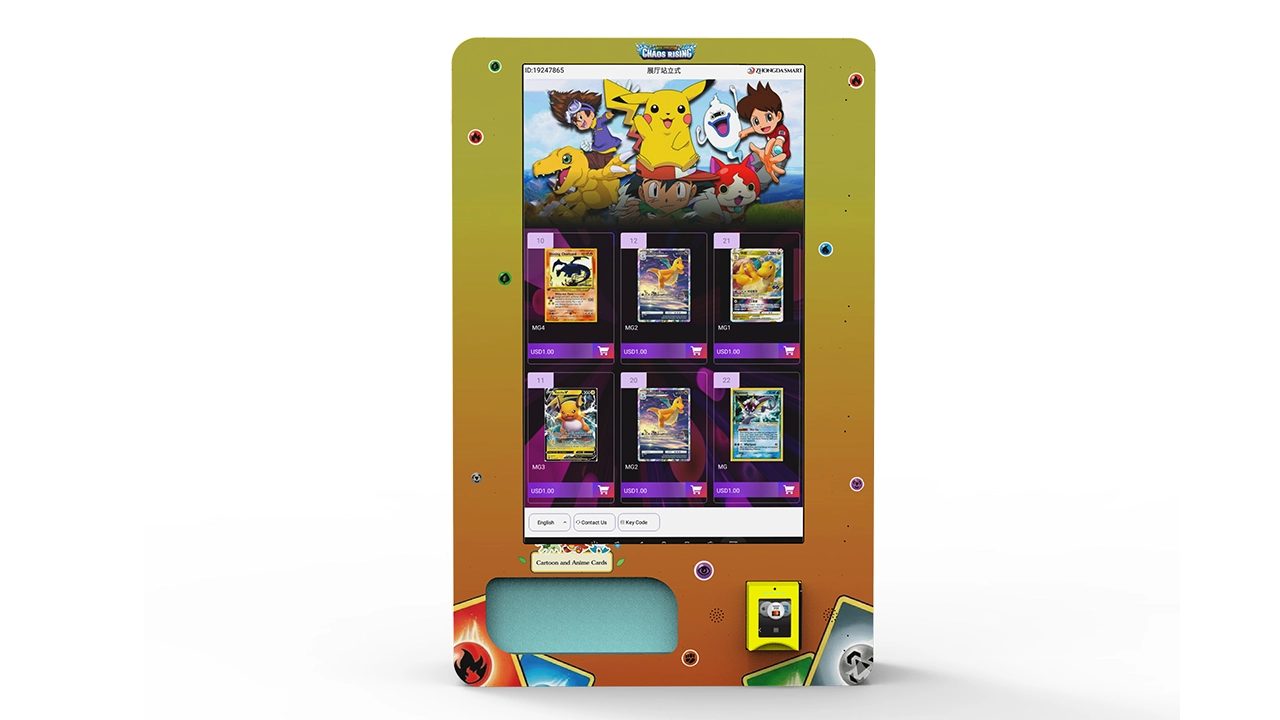
When you’re ready to buy, don’t just pick the first name you find online. Here’s my process for evaluating suppliers.
Check Service and Parts Availability
I call the manufacturer’s service line before I buy. I ask how long it takes to get a replacement board or a compressor. If they can’t give me a clear answer, I move on. I also check if there are local service technicians who are certified to work on that brand. In Houston, I can find technicians for Crane and USI within 24 hours. For some lesser-known brands, I’ve had to wait a week.
Look for Customization Options
Some manufacturers offer standard machines with no options. Others, like Zhongda Smart, allow you to choose the payment system, cooling package, and even the exterior color. If you have a specific location in mind, customization can make a big difference. For example, I once needed a machine with a lower height to fit under a low ceiling in a break room. A standard machine wouldn’t work, but a manufacturer that offered custom dimensions solved the problem.
Read Reviews from Other Operators
I’m active in online forums and Facebook groups for vending machine operators. I ask for real experiences with specific manufacturers. I’ve found that operators are very willing to share their successes and frustrations. If I see multiple complaints about a brand’s cooling system or customer service, I take it seriously.
Self-Operation vs. Leasing vs. Profit Sharing
Not everyone wants to buy a machine outright. Here’s a comparison of the three common models.
| Model | Upfront Cost | Monthly Cost | Control | Profit Potential |
|---|---|---|---|---|
| Self-operate (own machine) | $3,000 – $15,000 | Maintenance + restocking | Full control | High (40-60% margin) |
| Lease a machine | $0 – $500 deposit | $100 – $300 per month | Limited (supplier owns machine) | Medium (you keep product profit) |
| Profit sharing with location | $0 | Commission (10-25% of sales) | Shared | Low to medium |
In my experience, self-operating gives you the best return if you have the time and willingness to manage the business. Leasing can be a good way to test the waters without a big investment, but you’ll never build equity. Profit sharing with a location host is rare in the vending world; most hosts prefer a fixed commission.
FAQ: Common Questions About Vending Machines in Houston
Are vending machines profitable in Houston?
Yes, but profitability depends on location, product selection, and your ability to maintain the machine. A well-placed machine can generate $300 to $1,200 in monthly revenue, with net profit margins of 40% to 60% before commissions and expenses. Based on my experience and NAMA data, most operators see a return on investment within 12 to 24 months.
How much does a vending machine cost?
A new basic snack machine costs around $3,000 to $5,000. A refrigerated drink machine ranges from $4,500 to $7,000. High-end touchscreen machines with cashless payment can cost $10,000 to $15,000. Used machines are cheaper but come with higher maintenance risks. According to IBISWorld, the average operator spends between $5,000 and $8,000 per new machine.
How long does it take to break even on a vending machine?
Typical payback periods are 12 to 24 months for a new machine in a good location. If you buy used or place the machine in a low-traffic area, it can take longer. I’ve seen machines pay for themselves in 10 months in high-volume industrial locations.
Should a beginner buy or lease a vending machine?
If you have the capital and are willing to learn, buying is better in the long run because you build equity. Leasing is less risky upfront but you won’t own anything after the lease ends. I started by buying a used machine to keep my initial investment low.
Where is the best place to put a vending machine?
Industrial warehouses, hospitals, schools, and large office buildings are top choices. Look for locations with at least 100 people passing by daily, a captive audience, and no existing vending competition. I’ve had the best results in manufacturing facilities and medical centers.
What permits do I need to run a vending machine in Houston?
You need a Texas Sales and Use Tax permit to collect sales tax on vending sales. Depending on the location, you may also need a local business license. Food machines require compliance with local health department regulations. I recommend checking with the City of Houston’s finance department for specific requirements.
How do I choose a vending machine supplier?
Look for a supplier with a strong service network, spare parts availability, and positive reviews from other operators. Ask about payment system compatibility and whether they offer machines with climate-resistant features. I’ve had good experiences with manufacturers like Crane and Zhongda Smart for their reliability and support.
What happens if my vending machine breaks down?
If you have a service contract with a local technician, call them immediately. If not, you’ll need to troubleshoot or hire a repair service. Telemetry helps you detect issues early. I’ve learned to keep spare parts like coin mechanisms and control boards on hand for common failures.
How can I reduce restocking and maintenance costs?
Use telemetry to monitor inventory remotely so you only visit machines that need restocking. Choose machines with durable components to reduce repairs. In Houston, regular cleaning of condenser coils is essential to prevent overheating. I also bundle my routes geographically to save fuel and time.
Final Thoughts from the Field
The vending machine business in Houston is a solid opportunity if you approach it with realistic expectations. It’s not a get-rich-quick scheme, but it can provide a steady income stream if you choose the right equipment, secure good locations, and stay on top of maintenance. The top vending machine manufacturers in Houston USA offer a range of options, but your success depends more on your own discipline than on the brand name on the machine. Start small, learn from your mistakes, and scale when you have a proven system. I’ve seen too many operators jump in with five machines and fail because they underestimated the work. Take your time, test one location, and build from there.
- online service