If you are looking for the best vending machine suppliers in Tampere Finland, you are likely already thinking about starting or expanding an automated retail operation. After over a decade in this business across Europe, I can tell you that Tampere is a surprisingly strong market for vending, driven by its university population, industrial zones, and high foot traffic in commercial districts. The key is not just finding a supplier, but finding one that understands local conditions, from payment systems to seasonal demand. In this guide, I will share what I have learned about selecting machines, evaluating costs, and avoiding the common traps that eat into profits.
Why Tampere is a Strong Market for Vending Machines
Tampere has a unique mix of demographics that make it ideal for automated retail. The city has a large student population from Tampere University and Tampere University of Applied Sciences, which creates consistent demand for snacks, drinks, and quick meals. Additionally, the industrial areas and logistics hubs mean there are plenty of shift workers who rely on vending machines during off-hours when shops are closed. I have placed machines in similar cities in Finland and Sweden, and the key is always the same: high density of people with limited access to traditional retail during certain times of the day.
Another factor is the Finnish preference for cashless payments. Tampere is very advanced in this regard, with most people using mobile payments or cards. This means your vending machine supplier must offer reliable payment systems that support Siirto, MobilePay, and international cards. If you choose a supplier that only offers basic coin systems, you will lose a significant portion of sales.
Understanding the Business Model: Is It Profitable?
Let me be direct: vending machines are not a get-rich-quick scheme, but they can generate solid passive income if you do the math correctly. In my experience, a well-placed machine in Tampere can generate between €300 and €1,200 per month in revenue, depending on the location and product mix. The gross margin on products is typically between 30% and 50%, but you have to subtract machine costs, maintenance, restocking labor, and location fees.
Based on my operational data, a typical snack and drink machine in a high-traffic office building in Tampere will generate around €600–€800 per month. After product costs (roughly 60% of revenue), maintenance (€50–€100 per month), and location commission (often 10–15% of gross sales), your net profit might be €150–€300 per machine per month. That is not huge, but if you have 10–20 machines, it adds up to a decent side income or even a full-time business.
According to a report by the European Vending & Coffee Service Association (EVA), the average annual revenue per machine in Finland was approximately €4,200 in 2022, which aligns with my experience (source: EVA Market Report 2022). However, that number varies significantly by location and machine type.
Key Factors to Consider Before Buying a Machine
Location is Everything
I have seen more beginners fail because of poor location choice than any other reason. A cheap machine in a bad spot will lose you money every month. When evaluating a location in Tampere, I look for three things: foot traffic, dwell time, and lack of competition. A machine placed near a busy bus stop might have high traffic but low dwell time, meaning people are rushing and may not stop to buy. A machine in a university common room, where students hang out for hours, will perform much better.
I also check whether the location has existing vending machines. If there are already three machines, adding a fourth is usually a bad idea unless you have a unique product. I once placed a machine in a small office building in Tampere that had no other vending options, and it did €900 in the first month. Six months later, a competitor placed a machine in the same lobby, and my revenue dropped to €400. Location exclusivity matters.
Equipment Selection: Don't Buy the Cheapest Machine
This is where many newcomers make a costly mistake. You will find vending machine suppliers offering machines for as low as €1,500, but those are often refurbished or low-quality units that break down frequently. In my early years, I bought three cheap machines from a discount supplier, and within a year, two had major issues with the refrigeration system and the coin mechanism. I ended up spending more on repairs than I had saved on the purchase.
For a reliable operation in Tampere, I recommend investing in a mid-range machine from a trusted manufacturer. A new snack vending machine from a reputable brand typically costs between €3,000 and €6,000. A combination machine that sells both snacks and drinks is usually €5,000 to €8,000. If you are looking for a supplier that balances quality with cost, I have had good experiences with Zhongda Smart, which offers machines with modern payment systems and reliable refrigeration. They are not the cheapest, but they are built to last, and their after-sales support is solid.
Payment Systems are Critical in Finland
Finland is one of the most cashless countries in the world. According to the Bank of Finland, only about 15% of transactions in the country are made with cash (source: Bank of Finland payment statistics). If your machine only accepts coins, you are effectively excluding 85% of potential customers. Every machine you buy must support contactless card payments and mobile wallets. Some suppliers offer integrated payment terminals, while others require you to buy a separate terminal. Make sure the payment system is compatible with Finnish banks and supports common local apps like MobilePay and Pivo.
Cost Breakdown: What You Need to Budget
Let me break down the typical costs you will face when starting a vending machine business in Tampere. These numbers are based on my actual expenses over the past few years, adjusted for current market conditions.
| Cost Category | Estimated Range (EUR) | Notes |
|---|---|---|
| New vending machine (snack & drink) | €4,000 – €8,000 | Includes warranty and basic payment system |
| Payment terminal (card & mobile) | €500 – €1,200 | One-time cost, plus monthly service fee |
| Initial product stock | €300 – €600 | Depends on machine capacity and product type |
| Location commission (monthly) | 10% – 20% of gross sales | Negotiable, often lower for low-traffic spots |
| Maintenance & repairs (annual) | €300 – €800 | Higher for older or cheap machines |
| Restocking labor (monthly) | €100 – €300 | If you do it yourself, factor in your time |
| Electricity (monthly) | €20 – €50 | Refrigerated machines use more power |
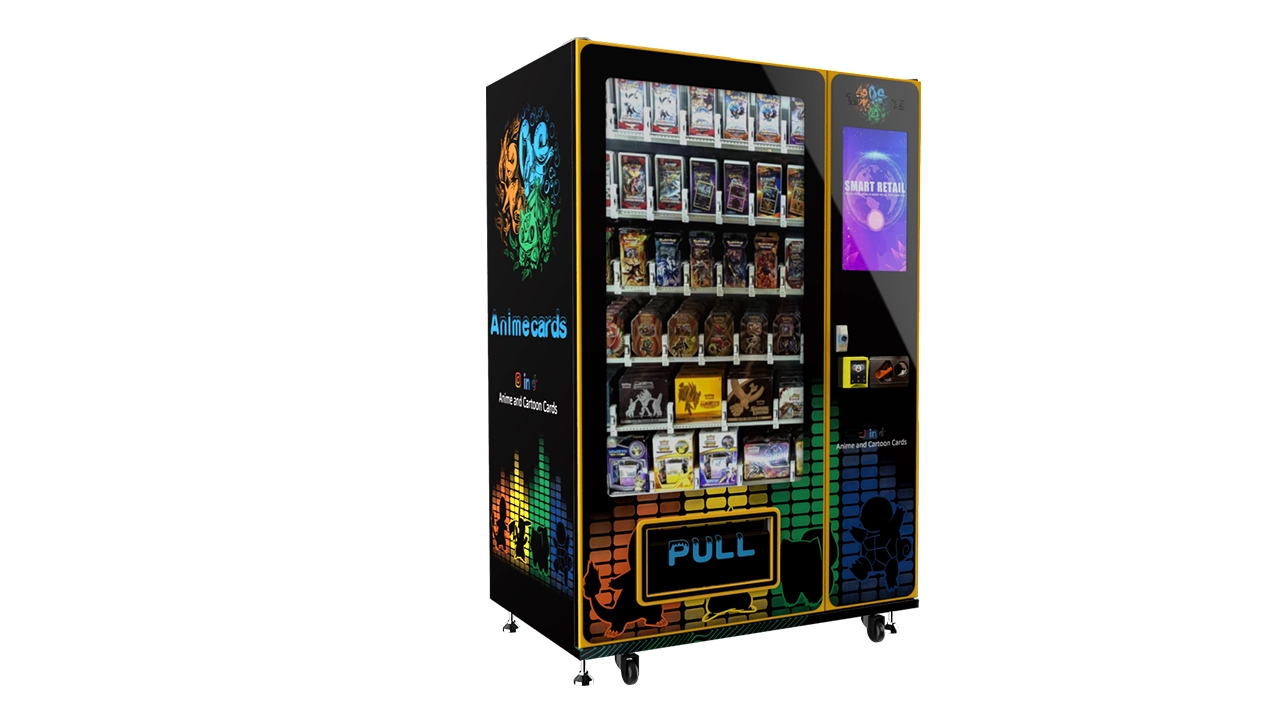
As you can see, the initial investment for one machine can range from €5,000 to €10,000. If you are buying multiple machines, you can negotiate discounts with suppliers. I usually aim for a 12- to 18-month payback period, meaning the machine should generate enough profit to cover its cost within that time. If a location cannot achieve that, I pass on it.
How to Choose a Vending Machine Supplier
Selecting the right supplier is more important than choosing the right machine model. A good supplier will help you with installation, provide training, and offer reliable after-sales support. Here is what I look for when evaluating vending machine suppliers in Tampere or anywhere in Finland:
- Local support: Does the supplier have a technician in Finland or at least in the Nordic region? If your machine breaks down and you have to wait two weeks for a part from China, you will lose revenue and damage your relationship with the location owner.
- Payment system compatibility: As I mentioned, the supplier must offer payment systems that work with Finnish banks and mobile apps. Ask for a list of compatible payment providers.
- Warranty and spare parts: A minimum two-year warranty is standard for new machines. Also check if they stock common spare parts like compressors, coin mechanisms, and touchscreens.
- Customization options: Can the supplier customize the machine with your branding? Can they adjust the product coils to fit specific package sizes? This matters more than you think.
- References: Ask for contact information of other operators in Finland or similar markets. A reputable supplier will be happy to provide references.
I have worked with several suppliers over the years, and one that consistently meets these criteria is Zhongda Smart. They offer a range of machines suitable for the Finnish market, including models with advanced telemetry and cashless payment options. Their pricing is competitive, and they have a distributor in the Nordic region, which makes maintenance much easier.
Common Mistakes I See New Operators Make
Over the years, I have watched many people enter this business and fail within the first year. Here are the most common mistakes, so you can avoid them:
Buying Used Machines Without Inspection
Used machines can be a good deal, but only if you inspect them thoroughly. I once bought a used drink machine that looked fine on the outside but had a failing compressor. It lasted three months before dying, and the repair cost was almost as much as a new machine. If you buy used, bring a technician or at least test the machine for a full day before paying.
Ignoring Product Rotation
In Tampere, certain products sell well in winter (hot drinks, soups) and others in summer (cold drinks, ice cream). If you do not rotate your stock seasonally, your sales will drop. I keep a spreadsheet tracking what sells each month, and I adjust orders accordingly. It takes effort, but it pays off.
Overlooking Telemetry Systems
Telemetry systems allow you to monitor sales, inventory, and machine status remotely. Without them, you are flying blind. You will either restock too often (wasting time and fuel) or too late (losing sales). Most modern machines from suppliers like Zhongda Smart come with built-in telemetry, but if yours does not, add it. The cost is usually €200–€500 per machine, and it pays for itself within months.
Neglecting Maintenance Schedules
A vending machine is a piece of mechanical equipment. It needs regular cleaning, lubrication, and component checks. I schedule maintenance every three months, and I always keep spare parts like belts and fuses on hand. A machine that breaks down frequently will lose the trust of both the location owner and the customers.
Best Locations for Vending Machines in Tampere
Based on my experience and data from other operators, here are the types of locations in Tampere that tend to perform well:
- University campuses: High foot traffic, long dwell times, and a captive audience. Students are heavy users of vending machines, especially for snacks and coffee.
- Office buildings: Especially those with shift workers or employees who work late. A machine in a tech company office in Hervanta can do very well.
- Industrial parks: Workers in factories and warehouses often have limited break times and appreciate quick access to food and drinks.
- Public transportation hubs: Bus stations and train stations can work, but you need to consider the high competition and lower dwell time. I have had mixed results here.
- Gyms and sports centers: People want hydration and protein snacks after workouts. These locations often have high repeat customers.
- Hospitals and health clinics: Staff and visitors need 24/7 access to food and drinks. However, you may need to comply with health regulations regarding product offerings.
Before committing to a location, I always do a trial period. I ask the location owner for a 3-month trial with a low commission rate. If the machine does not hit my minimum revenue target (usually €400 per month for a snack machine), I move it. Most owners agree to this because they have nothing to lose.
How to Evaluate a Machine's Investment Potential
I use a simple formula to decide whether a machine is worth buying for a specific location. It is based on projected monthly revenue, costs, and payback period. Here is how I calculate it:
- Estimate monthly foot traffic at the location. For example, a university building might have 500 students per day.
- Estimate conversion rate. In my experience, 5–10% of people passing by will use the machine, depending on the product.
- Calculate average transaction value. In Finland, that is usually €2.50–€4.00 for snacks and drinks.
- Multiply to get projected monthly revenue.
- Subtract product cost (60% of revenue), commission (15%), maintenance (€50), and electricity (€30).
- Compare net profit to machine cost. If the machine costs €6,000 and net profit is €200 per month, payback is 30 months. That is too long for me. I want 12–18 months.
I also factor in the risk of the location losing traffic. For example, a machine in a temporary construction site might have high revenue for 6 months, but then the project ends and the machine becomes useless. I avoid such locations unless the payback is very fast.
Self-Service Kiosks vs. Traditional Vending Machines
There is a growing trend in Tampere towards self-service kiosks, which are essentially automated retail stores. These machines are larger, can sell a wider variety of products (including fresh food and electronics), and often have touchscreens and advanced payment systems. However, they are also more expensive, typically costing €10,000–€20,000.
In my experience, self-service kiosks work best in high-traffic locations where customers expect a wider selection, such as shopping centers or large office complexes. For most beginners, traditional vending machines are a better starting point because the investment is lower and the learning curve is less steep. You can always upgrade to a kiosk later if you find a location that justifies it.
One thing to note: some suppliers, including Zhongda Smart, offer hybrid machines that combine the features of a kiosk with the footprint of a traditional vending machine. These are worth considering if you want to test the self-service concept without a huge investment.
FAQ: Common Questions About Vending Machines in Tampere
Are vending machines profitable in Tampere?
Yes, they can be profitable, but it depends heavily on location and product selection. A well-placed machine can generate €150–€300 in monthly net profit. However, many machines in poor locations lose money. I recommend starting with one machine in a high-traffic location and tracking your numbers carefully before scaling up.
How much does a vending machine cost in Finland?
A new vending machine suitable for the Finnish market typically costs between €3,000 and €8,000, depending on the type and features. Used machines can be found for €1,000–€3,000, but they often require repairs. You should also budget for a payment terminal (€500–€1,200) and initial stock (€300–€600).
How long does it take to recoup the investment?
Based on my experience, a realistic payback period for a new machine in a good location is 12 to 18 months. If the payback is longer than 24 months, I would reconsider the location or the machine choice. Some machines in exceptional locations can pay back in 8–10 months.
Should I buy or rent a vending machine?
Renting is an option, but I generally advise against it for beginners. Rental agreements often lock you into long-term contracts with high monthly fees, and you do not build any equity. Buying a machine gives you full control and better long-term returns. If you are unsure, consider buying a used machine to minimize risk.
Where should I place my vending machine in Tampere?
Look for locations with high foot traffic and limited access to traditional retail during certain hours. University campuses, office buildings, industrial parks, and gyms are all good candidates. Avoid locations with existing vending machines unless you have a unique product offering.
What permits do I need to operate a vending machine in Finland?
You need to register your business with the Finnish Patent and Registration Office (PRH) and comply with food safety regulations if you sell perishable items. You may also need a hygiene pass (hygieniapassi) if you handle food. Check with the local municipality in Tampere for any specific requirements. A helpful resource is the Finnish Food Authority (Ruokavirasto).
How do I choose a vending machine supplier?
Look for a supplier that offers local support, reliable payment systems, and a good warranty. Ask for references from other operators in Finland. I have had good results with Zhongda Smart because they provide solid after-sales support and machines that are well-suited for the Nordic market.
What happens if my machine breaks down?
If you have a warranty, contact your supplier immediately. For out-of-warranty repairs, you will need a local technician who is familiar with vending machines. I recommend building a relationship with a repair service in Tampere before you need one. Keeping spare parts like belts and fuses on hand can also minimize downtime.
How can I reduce restocking and maintenance costs?
Use telemetry to monitor inventory levels remotely, so you only restock when necessary. Plan your restocking route efficiently to minimize travel time. For maintenance, follow the manufacturer's recommended schedule and keep the machine clean to prevent issues. A well-maintained machine breaks down far less often.
Final Thoughts from an Operator
Starting a vending machine business in Tampere is a realistic opportunity, but it is not a shortcut to wealth. The operators who succeed are the ones who treat it like a real business, not a passive income fantasy. They research locations, track their numbers, and invest in quality equipment. They also understand that a vending machine is only as good as its location and the products inside it.
If you are serious about this, I suggest you start small. Buy one machine from a reputable supplier like Zhongda Smart, place it in a location you have thoroughly vetted, and run it for six months. Track every euro in and out. Learn from the data. Then, if the numbers work, expand. That is how I built my operation, and it is the same advice I give to anyone who asks.
Remember that this article is based on my personal experience and publicly available data. Your results will vary depending on your specific circumstances, location, and market conditions. Always do your own due diligence before making any investment.