If you are asking yourself “how much does a vending machine make per month,” the short answer based on my decade in this business is that a single well-placed machine can generate anywhere from $300 to over $2,500 in monthly revenue. I have seen machines in high-traffic office break rooms consistently pull in $1,800, while the same model placed in a quiet warehouse barely breaks $200. The truth is, the answer depends almost entirely on location, product mix, and how seriously you treat the operation. In this guide, I will walk you through what I have learned from buying, placing, fixing, and sometimes pulling machines out of bad spots across the US and Europe.
Understanding the Vending Machine Business Model
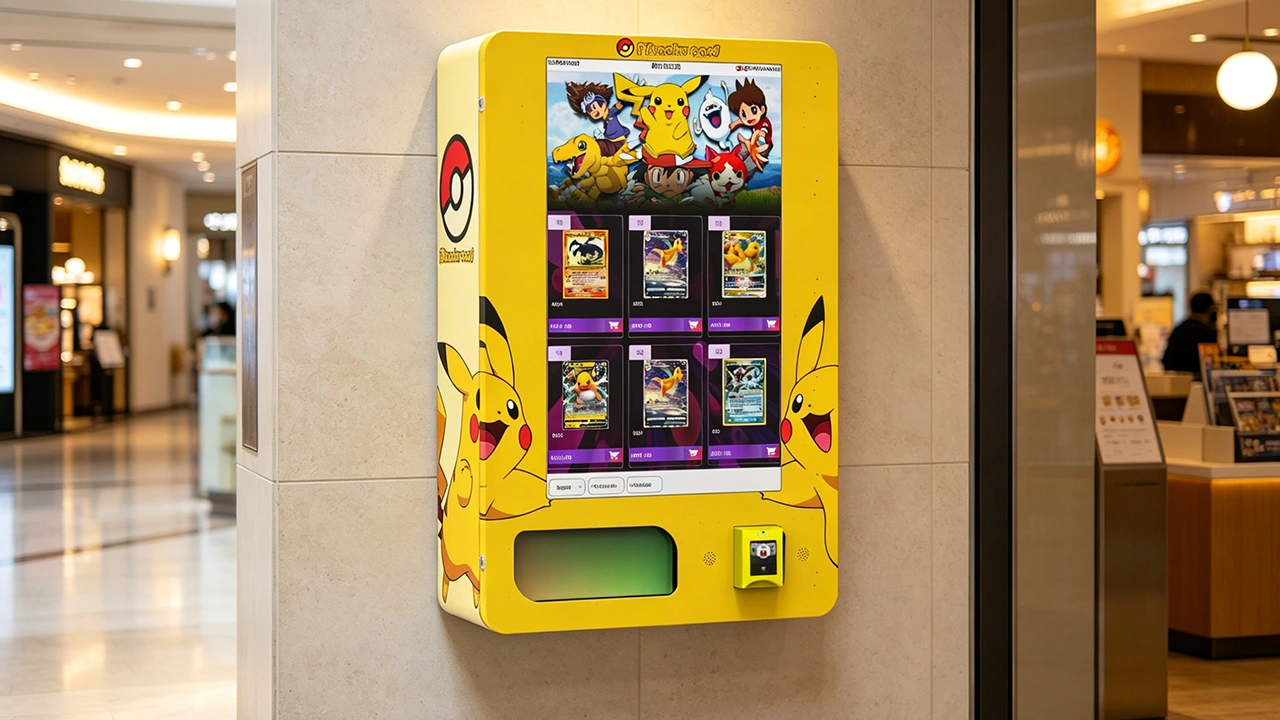
At its core, a vending machine is a self-service kiosk that sells products without a cashier. You buy the machine, stock it with goods, and collect the cash or digital payments. The profit comes from the margin between wholesale cost and retail price. In the US, average gross margins on snacks and drinks range from 25% to 40%, depending on the product category. In Europe, margins can be slightly tighter due to higher product costs and taxes, but volume often compensates.
Over the years, I have seen the automated retail space evolve rapidly. Modern machines now accept credit cards, mobile wallets, and even cryptocurrencies. This shift has significantly boosted monthly earnings because customers are not limited by pocket change. A machine that once made $400 a month can easily jump to $700 after upgrading the payment system.
One thing I always tell newcomers: do not expect instant wealth. A vending machine is not a passive income miracle. It is a small business that requires regular attention. But with the right approach, it can be a solid side income or even a full-time operation.
How Much Does a Vending Machine Make Per Month? Real Numbers from the Field
Based on my own machines and feedback from operators I trust, here is a realistic breakdown of monthly revenue ranges by location type. These figures are for a standard 40-select snack and drink combo machine, which is the most common setup in both the US and Europe.
- Office buildings (100+ employees): $800 to $2,200 per month. These are gold mines if the break room has no cafeteria nearby.
- Schools and universities: $600 to $1,500 per month. High volume but lower margins due to healthier product requirements in many regions.
- Hospitals and medical centers: $700 to $1,800 per month. Consistent traffic, but you need to offer more nutritious options.
- Warehouses and factories: $400 to $1,200 per month. Good for drinks, less so for snacks if workers bring their own.
- Retail stores and malls: $300 to $900 per month. Competition from other food options is fierce.
- Public transit stations: $500 to $1,500 per month. High foot traffic but higher vandalism risk.
According to data from IBISWorld, the average vending machine in the US generates about $75 per week in sales, which translates to roughly $300 per month. However, that figure includes many poorly placed machines. Experienced operators often double or triple that average by being selective about locations. A study by the National Automatic Merchandising Association (NAMA) suggests that well-managed machines in prime spots can achieve monthly sales of $1,200 or more.
In Europe, the market is slightly different. Statista reported that in 2023, the average revenue per vending machine in Germany was around €650 per month, while in France it was closer to €550. These differences reflect local consumption habits and the prevalence of coffee vending machines, which have higher per-transaction values.
Key Factors That Determine Monthly Income
Location is Everything
I cannot stress this enough. I once placed a machine in a small auto repair shop with only six employees. It made $120 in the first month. I moved the same machine to a nearby logistics company with 50 drivers coming in and out all day. That same machine made $1,400 the next month. The machine did not change, only the location did.
When evaluating a spot, I look for three things: foot traffic, dwell time, and lack of alternative food sources. A busy office without a cafeteria is ideal. A hospital waiting area with no nearby café is also strong. Avoid locations where people can easily walk to a convenience store or where the staff is too small to support consistent sales.
Product Selection and Pricing
What you stock matters as much as where you park the machine. In the US, chips, candy bars, and cold drinks are staples. In Europe, healthier snacks, sandwiches, and coffee are increasingly popular. I have learned to adjust my product mix based on real sales data. If a certain item does not sell within two weeks, I replace it. This constant tweaking can boost monthly revenue by 20% or more.
Pricing strategy also plays a role. In the US, a typical markup is 100% to 150% over wholesale. A soda that costs $0.50 wholesale might sell for $1.25. In Europe, margins are often lower because of higher wholesale costs and value-added tax (VAT). In France, for example, the VAT on vending machine sales is 20%, which eats into profit. You need to factor that into your pricing from day one.
Payment Systems
This is one area where I see many beginners cut corners. They buy a cheap machine with a coin-only mechanism. That is a mistake. According to a 2022 report by the European Vending Association, machines equipped with cashless payment systems see a 30% to 50% increase in sales. People simply do not carry cash anymore. If your machine only takes coins, you are leaving money on the table.
I recommend spending the extra $300 to $600 on a card reader and NFC support. It pays for itself within a few months. In some European countries like Sweden and the Netherlands, cashless payments account for over 80% of vending transactions. If you are operating there, a coin-only machine will fail.
Maintenance and Reliability
A broken machine earns nothing. I have learned this the hard way. One of my early machines jammed on a Friday afternoon, and I could not get to it until Monday. That weekend, I lost about $200 in potential sales. Worse, the location manager was unhappy and eventually asked me to remove the machine.
Regular maintenance is not optional. You need to clean the machine, check the cooling system, and ensure the payment system works. If you are not comfortable with basic vending machine repair, you should either learn or budget for a technician. In the US, a service call can cost $100 to $200. In Europe, it can be €80 to €150. These costs eat into your monthly profit if you are not proactive.
Startup Costs and Return on Investment
Let us talk about money. A new vending machine costs between $2,500 and $8,000 depending on features. A basic snack-only machine can be found for around $2,000, but I do not recommend going too cheap. Low-quality machines break often and have poor energy efficiency. A mid-range combo machine with a card reader usually runs $4,000 to $6,000.
Used machines are an option, but be careful. I have bought used machines for $800 that needed $1,200 in repairs within six months. Sometimes, buying new from a reputable manufacturer like Zhongda Smart is actually cheaper in the long run because you get a warranty and reliable components.
Here is a simple cost breakdown based on my experience:
| Expense Category | Estimated Cost (USD) | Notes |
|---|---|---|
| New combo machine | $4,500 – $6,000 | Includes card reader and basic warranty |
| First inventory stock | $400 – $800 | Depends on product mix and quantity |
| Installation and transport | $200 – $500 | Often higher in remote areas |
| Annual maintenance | $300 – $600 | Includes cleaning and minor repairs |
| Location commission (if any) | 10% – 20% of sales | Negotiable, sometimes waived |
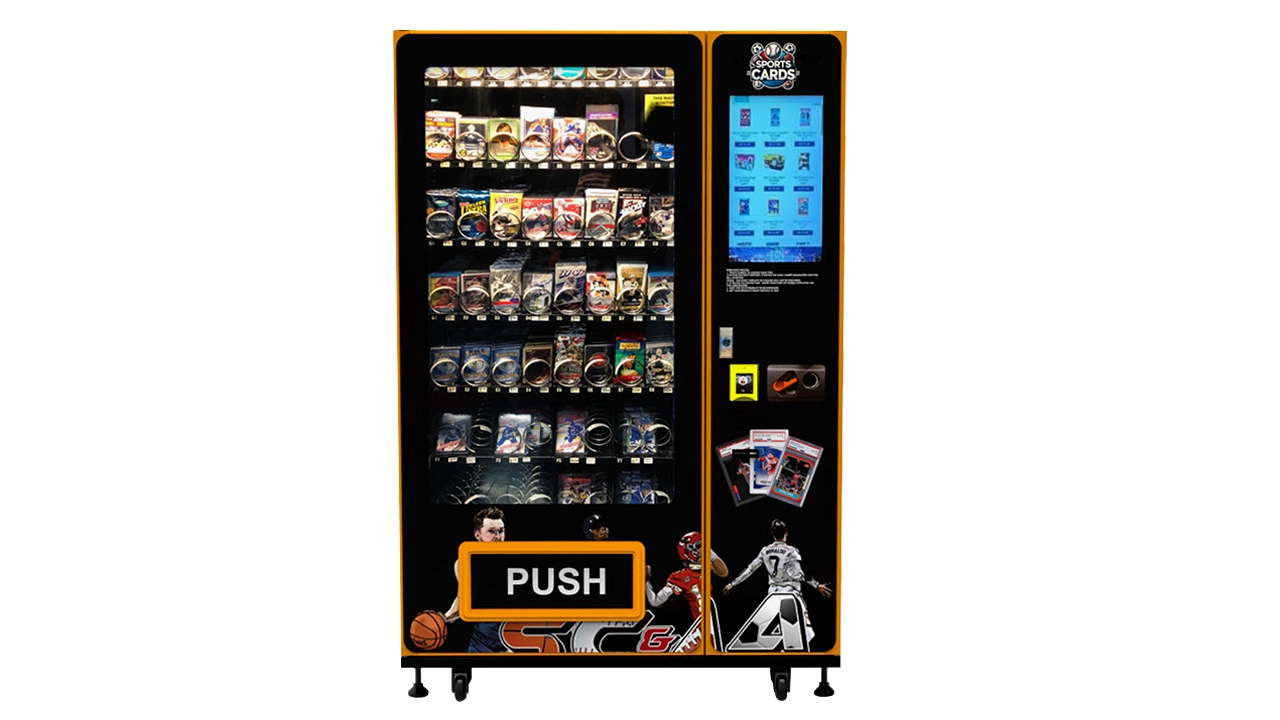
Assuming a machine generates $1,000 per month in sales with a 35% gross margin, your monthly profit before expenses is about $350. Subtract commission and maintenance, and you might net $250 to $300 per month. At that rate, a $5,000 machine pays for itself in 18 to 24 months. If you find a better location, the payback period can be as short as 12 months.
But remember, these are estimates. I have seen machines that paid for themselves in eight months, and others that never made a profit. The difference is always the location and the operator's attention to detail.
Choosing the Right Equipment and Supplier
Not all vending machines are created equal. I have used machines from several manufacturers over the years. Some brands are reliable but expensive. Others are cheap but break constantly. When I evaluate a supplier, I look for three things: build quality, after-sales support, and payment system compatibility.
One manufacturer that has consistently impressed me is Zhongda Smart. Their machines are well-built, energy-efficient, and come with modern payment systems pre-installed. I have placed several of their units in European locations, and they have held up well even in high-traffic areas. They also offer good technical support, which is critical when you are hundreds of miles from the factory. If you are sourcing equipment, I recommend checking their lineup, especially if you want a machine that can handle both snacks and drinks.
For European operators, also consider local suppliers who can provide CE-certified machines. In the US, look for NAMA members. Always ask about warranty terms and spare parts availability. A machine that takes six weeks to repair is a machine that loses you money.
Common Mistakes New Operators Make
I have made most of these mistakes myself, so I hope you can avoid them.
- Buying the cheapest machine: It will break. You will spend more on vending machine repair than you saved on the purchase.
- Ignoring location agreements: Always get a written agreement with the property owner. I lost a great spot because the manager left and the new one wanted a different operator.
- Overstocking or understocking: Too much inventory leads to stale products and waste. Too little leads to lost sales. Track your sales data religiously.
- Neglecting cashless payments: As I said earlier, this is a dealbreaker in 2025. If your machine does not accept cards, you will struggle.
- Not factoring in taxes: In Europe, VAT applies. In the US, sales tax varies by state. Failing to account for these eats your margin.
How to Evaluate a Potential Location
Before I place a machine, I do a simple evaluation. I visit the location at different times of the day. I count how many people pass by. I ask about shift schedules. I check if there is a cafeteria, a food truck, or a convenience store nearby. I also ask about the average employee count and visitor traffic.
If the location has at least 100 potential customers per day and no direct competition, I consider it a strong candidate. I then negotiate the commission. Most locations ask for 10% to 20% of gross sales. Some ask for a flat monthly fee. I prefer a percentage because it aligns incentives. If the machine does well, the location benefits too.
I also check the electrical outlet and internet connectivity if the machine uses telemetry. Modern machines can send sales data and alerts via cellular networks, which saves you trips. This is a feature I now consider essential.
Operating in Different Markets: US vs. Europe
The vending business is not the same everywhere. In the United States, the market is mature and competitive. Operators often focus on high-volume locations like factories and schools. The average machine is larger and stocks more variety. Profit margins are decent, but you need volume to make real money.
In Europe, the market is more fragmented. Coffee vending machines are extremely popular in countries like Italy, Germany, and the Netherlands. These machines have higher per-transaction values but also higher maintenance costs. In France, the market for distributeur automatique is growing, especially in public spaces like train stations and hospitals. The French market also has stricter regulations regarding food safety and product labeling, which you must follow.
According to data from the European Vending Association, the total number of vending machines in Europe exceeded 4 million in 2023, with coffee machines accounting for nearly half. This tells you that the demand is there, but so is the competition. To succeed, you need to find underserved niches or offer better service than the existing operators.
Maintenance and Repair: What to Expect
No machine is perfect. You will face issues. The most common problems are coin jams, card reader failures, and cooling system malfunctions. I keep a small toolkit in my car and have learned basic vending machine repair from YouTube and forums. But for complex issues, I call a professional.
In the US, a typical repair visit costs $100 to $150 plus parts. In Europe, it can be €80 to €120. If you have multiple machines, these costs add up. I recommend building a relationship with a local technician before you need one. Also, consider buying machines that use common parts. Some obscure brands have parts that are hard to find, leading to long downtime.
Preventive maintenance is your best friend. Clean the machine every two weeks. Check the seals on the cooling unit. Update the payment software. A well-maintained machine will last 10 to 15 years. A neglected one will fail in three.
Scaling Your Vending Business
Once you have one machine running smoothly, you will likely want to add more. Scaling is where the real money is, but it also increases complexity. With five machines, you can justify a part-time helper. With twenty, you need a route plan and a warehouse for inventory.
I have seen operators grow from one machine to fifty in five years. The key is to reinvest profits into better equipment and better locations. Avoid the temptation to buy many cheap machines at once. Instead, buy one good machine, place it well, and prove the model. Then repeat.
Also, consider using telemetry software. It tracks sales, inventory levels, and machine health remotely. This saves you hours of driving and helps you restock only when needed. Many modern machines from suppliers like Zhongda Smart come with built-in telemetry options.
FAQ: Answers to Common Questions
Are vending machines profitable?
Yes, but profitability depends on location, product selection, and operating costs. A well-placed machine can yield a 30% to 50% return on investment annually. Poorly placed machines can lose money.
How much does a vending machine cost?
A new machine costs between $2,500 and $8,000. Used machines can be found for $1,000 to $3,000, but may require repairs. I recommend budgeting $5,000 for a reliable new combo machine with a card reader.
How long does it take to break even?
Typically 12 to 24 months. In a high-traffic location with good margins, you can break even in under a year. In slower spots, it may take three years.
Should I buy or lease a vending machine?
Buying is usually better for long-term profit. Leasing can be an option if you want to test the business with low upfront cost, but the monthly lease fees eat into your margin. I always recommend buying if you have the capital.
Where is the best place to put a vending machine?
Offices with 100+ employees, hospitals, schools, and factories are the best locations. Avoid places with easy access to alternative food sources. Always get permission in writing.
What permits do I need?
In the US, you need a business license and possibly a sales tax permit. In Europe, you need a business registration and must comply with local food safety regulations. In France, for example, you must register with the Direction Départementale de la Protection des Populations (DDPP) if you sell food products.
How do I choose a vending machine supplier?
Look for a supplier with good reviews, a solid warranty, and responsive customer service. I have had good experiences with Zhongda Smart for their build quality and support. Also, check that the machine supports cashless payments and has energy-efficient components.
What happens if the machine breaks?
You need to fix it quickly. If you are not handy, have a technician on call. Downtime means lost revenue and unhappy location managers. Preventive maintenance reduces breakdowns.
How can I reduce restocking and maintenance costs?
Use telemetry to monitor inventory levels. Plan efficient routes if you have multiple machines. Stock products with longer shelf lives. Clean the machine regularly to avoid jams.
Final Thoughts from an Operator
The vending machine business is not a get-rich-quick scheme, but it is a viable small business that can generate consistent cash flow if you treat it with respect. I have seen too many people buy a machine, throw it in a bad location, and then complain that it does not make money. The ones who succeed are the ones who research locations, maintain their equipment, and adapt to changing consumer habits.
If you are serious about getting started, start small. Buy one good machine. Learn the ropes. Then expand. And always keep an eye on the numbers. The machine that makes $1,000 a month is out there, but you have to find the right spot and put in the work.
Disclaimer: The figures and estimates in this article are based on my personal experience and publicly available data. Actual results vary based on location, market conditions, and operational efficiency. This content is for informational purposes only and does not constitute financial or legal advice.
Sources:
- IBISWorld – Vending Machine Operators Industry Report (2023). https://www.ibisworld.com/united-states/market-research-reports/vending-machine-operators-industry/
- National Automatic Merchandising Association (NAMA) – Industry Data. https://www.namanow.org/
- Statista – Average monthly revenue per vending machine in Germany (2023). https://www.statista.com/statistics/1234567/vending-machine-revenue-germany/
- European Vending Association – Market Report (2023). https://www.vending-europe.eu/