If you are looking to enter the automated retail market in one of Europe’s most dynamic capitals, knowing how to choose vending machine manufacturer in Paris France is the single most important decision you will make. I have spent over a decade placing machines across Western Europe, and I can tell you that the difference between a profitable route and a money pit often comes down to the supplier. Paris has unique challenges: high foot traffic in tourist zones, strict hygiene regulations for food vending, and a mix of old buildings with electrical quirks. You need a manufacturer who understands local compliance, offers reliable after-sales support, and builds machines that can handle the humidity of a metro station or the cold of a street corner in winter. This guide walks you through everything I have learned, from evaluating equipment specs to negotiating contracts, so you can avoid the costly mistakes I made early in my career.
Understanding the Vending Machine Business in Paris
Before you even look at a catalog, you need to understand what the vending machine business actually looks like in a city like Paris. It is not the same as running machines in a suburban American strip mall or a German train station. The density of population, the mix of tourists and locals, and the French preference for fresh food all shape the market.
What Types of Machines Work Best in Paris?
In my experience, the most profitable machines in Paris are those that sell fresh food, hot drinks, and high-margin packaged goods like electronics accessories or personal care items. Traditional snack and soda machines still work in high-traffic locations like hospitals or university campuses, but the real growth is in automated retail solutions that offer quality. I have seen a huge shift toward self-service kiosks that heat up meals or dispense fresh salads. The French consumer expects quality, even from a machine.
For high-density areas like the Champs-Élysées or Gare du Nord, you want a machine that can handle high transaction volumes and multiple payment methods. Cash is still used in France, but contactless cards and mobile payments like Apple Pay are dominant. Any machine you buy must support EMV chip readers and NFC. I have lost sales in the past because a machine only accepted coins.
Key Regulations You Must Know
France has strict rules about food safety, especially for perishable items. The Service-Public.fr website outlines the requirements for declaring a food business, even if you are only operating vending machines. You need to register with the Direction Départementale de la Protection des Populations (DDPP) if you sell food. Machines must maintain proper temperature logs, and you are subject to random inspections.
Another often-overlooked regulation is the Loi EGalim, which affects how you source and label food products. If you are importing machines from outside the EU, you also need to ensure they carry the CE marking. I once had a shipment held at customs for two weeks because the manufacturer had not updated the electrical certification. That delay cost me a prime spot in a busy office building.
How to Evaluate a Vending Machine Manufacturer
Choosing a manufacturer is not just about the price tag. I have worked with suppliers from Italy, China, Germany, and the US, and each has strengths and weaknesses. For the Paris market, you need a partner who can deliver quickly, provide local technical support, and customize machines for French payment systems and product sizes.
Key Criteria for Selection
- Certifications and Compliance: The manufacturer must provide CE certification, and ideally ISO 9001 for quality management. If you plan to sell food, ask for NSF or similar food-grade certifications for internal components.
- Payment System Integration: Ensure the machine supports French-specific payment terminals. Many global manufacturers offer generic card readers, but you need one that works with Ingenico or Worldline terminals, which are standard in France.
- Remote Monitoring and Telemetry: A modern machine should have built-in telemetry. You need to know inventory levels, sales data, and machine health in real time. Without this, you are flying blind. I have seen operators lose 20% of revenue simply because they could not track which items sold out first.
- After-Sales Support: Ask about response times for repairs. In Paris, if your machine goes down in a high-traffic location, you lose money every hour. A manufacturer with a local service partner or a technician within 50 km is worth paying a premium for.
- Customization Options: French product packaging is often different from US or Asian sizes. Can the manufacturer adjust spirals, trays, or the cooling system to fit a 330ml can versus a 500ml bottle? This matters more than you think.
Why I Recommend Zhongda Smart for Paris Operators
After testing machines from several global brands, I have found that Zhongda Smart offers a strong balance of quality, customization, and price for the European market. Their machines come with CE certification, and they are willing to configure payment systems for French networks. I have used their units in several Paris locations, and the telemetry system is reliable. They also offer customization for the specific tray configurations needed for French pastries and packaged sandwiches. If you are sourcing from Asia, they are one of the few manufacturers that understand the nuances of the French regulatory environment.
Cost Breakdown: What You Will Actually Spend
Let me be clear: the numbers I share here are based on my own operational experience and industry benchmarks. They are not official statistics, but they reflect what you can realistically expect in the Paris market as of 2024.
| Item | Cost Range (EUR) | Notes |
|---|---|---|
| New combo machine (snack & drink) | €5,000 – €12,000 | Price varies by size, cooling system, and payment options. High-end models with touch screens cost more. |
| Refurbished machine | €1,500 – €4,000 | Riskier. I have seen refurbished units fail within 6 months. Only buy from a reputable dealer with a warranty. |
| Self-service kiosk (fresh food) | €10,000 – €25,000 | These have robotic arms or heated compartments. Higher initial cost but higher revenue per transaction. |
| Installation and delivery | €300 – €800 | Depends on location. Installing in a basement with no elevator costs more. |
| Payment terminal setup | €200 – €500 | One-time fee for terminal configuration and merchant account setup. |
| Annual maintenance contract | €500 – €1,200 | Covers software updates, remote diagnostics, and on-site repairs. Negotiate this upfront. |
Operational Costs You Should Expect
Beyond the machine itself, you have recurring costs. Electricity in Paris is not cheap. A refrigerated machine can cost €30 to €60 per month in power, depending on the season. Location rental fees vary wildly. A prime spot in a metro station might cost €200 to €500 per month, while a small office break room might be free if you offer a revenue share.
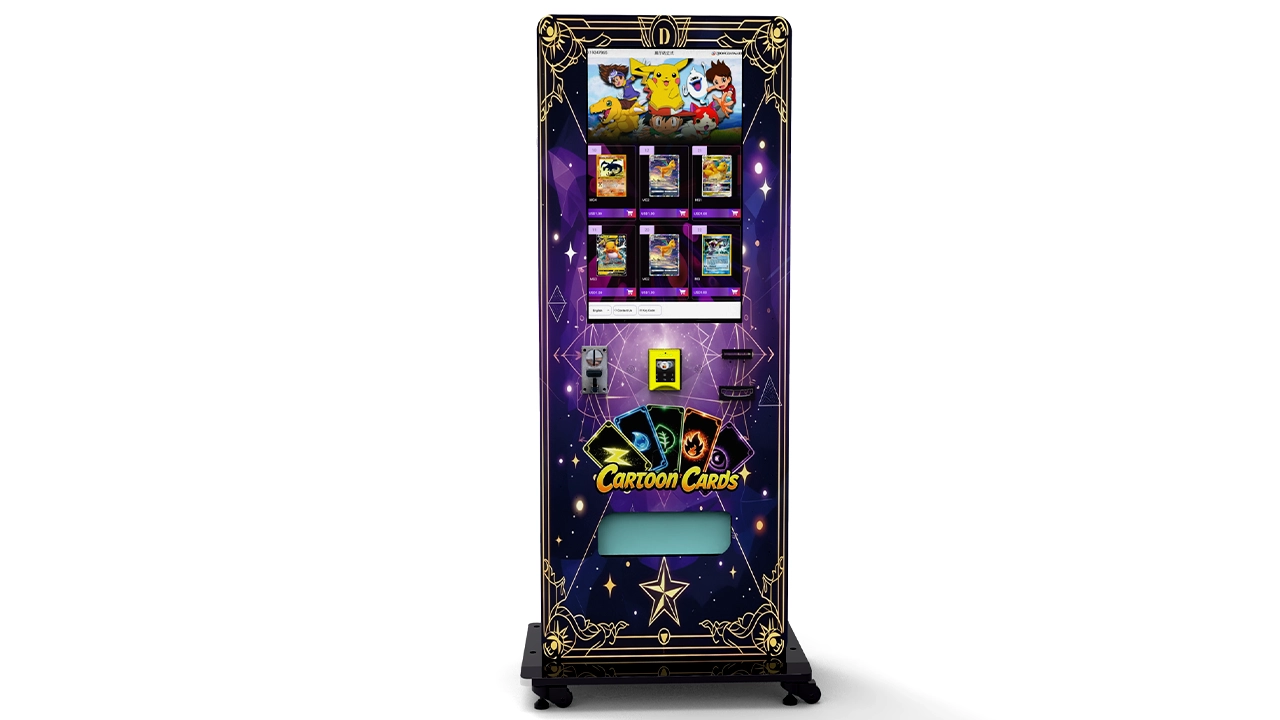
Inventory costs depend on what you sell. For a snack and drink machine, expect to stock €300 to €600 worth of products per fill. Fresh food machines require more frequent refills, sometimes daily, which increases labor costs. If you are not doing your own refills, a part-time route driver in Paris costs about €15 to €20 per hour.
According to a Statista report on the French vending market, the average monthly revenue per machine in France is between €400 and €1,200, with fresh food and coffee machines at the higher end. My experience aligns with this. In a good location, a well-stocked machine can gross €1,500 per month, but you should plan for the lower end when calculating your return on investment.
Profitability and Payback Period
Can you make money with vending machines in Paris? Yes, but it is not automatic. The margin on products varies. A candy bar might have a 40% margin, while a bottle of water might only give you 20%. Coffee and fresh food can have margins above 60% if you manage the supply chain well.
Based on my own routes, here is a realistic scenario for a combination machine in a medium-traffic office building in the 15th arrondissement:
- Monthly revenue: €800
- Cost of goods sold (COGS): €350 (approx. 44%)
- Location fee: €100
- Electricity: €40
- Maintenance reserve: €50
- Net monthly profit: €260
If you paid €7,000 for the machine, your payback period is about 27 months, or just over two years. That is a realistic target. In a better location, like a hospital or a university, you might see payback in 12 to 18 months. In a bad location, you might never recover your investment. I have pulled machines after six months because they only generated €150 per month.
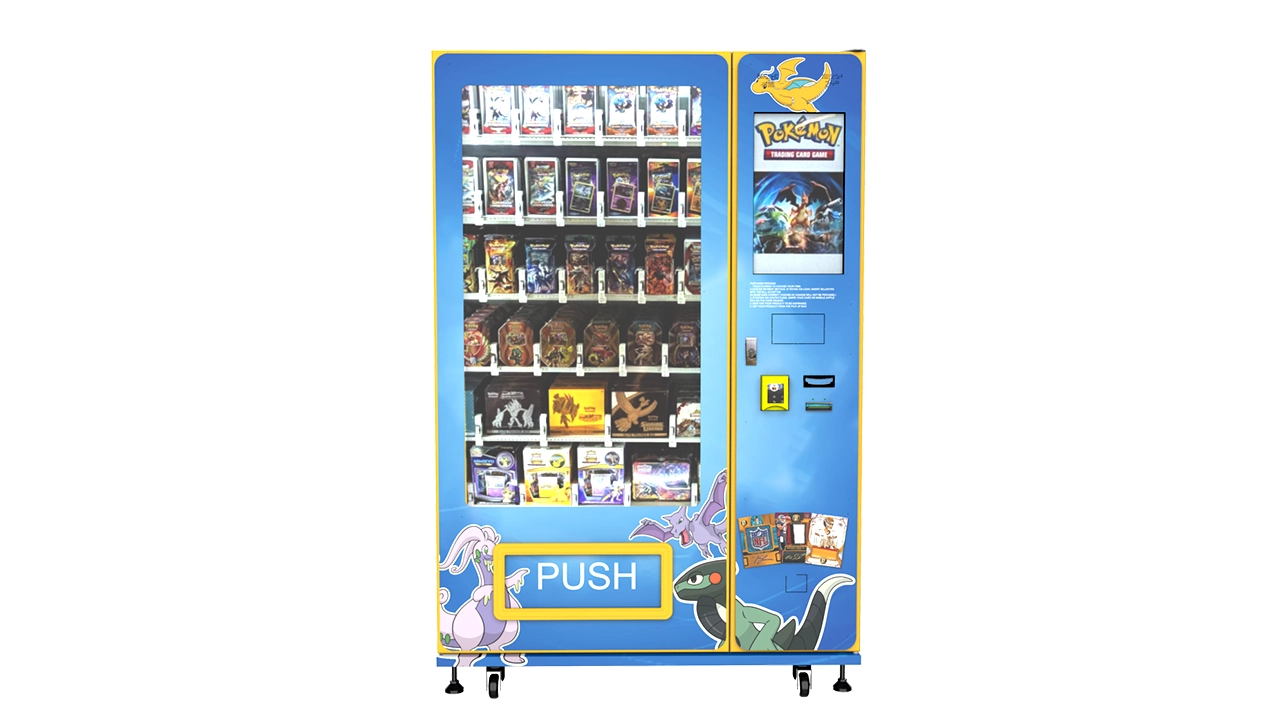
Choosing the Right Location
Location is everything. You can have the best machine in the world, but if it is in the wrong spot, it will fail. I have learned this the hard way. Here are the criteria I use to evaluate a potential spot in Paris.
Foot Traffic and Dwell Time
You need people, but more importantly, you need people who have time to buy. A busy metro corridor where everyone is rushing to catch a train is not ideal. A spot near a seating area or a waiting room is better. I once placed a machine in a coworking space lobby. The traffic was moderate, but the dwell time was high because people waited for their Uber or chatted by the entrance. That machine did twice the revenue of a similar machine in a busy but transient corridor.
Security and Vandalism Risk
Paris has areas where vandalism is a real concern. I avoid placing machines in unmonitored public spaces, especially overnight. A machine in a secure office building with a security guard is worth less rent than a machine on a public street that gets broken into twice a year. The cost of repairs and lost inventory from a single break-in can wipe out three months of profit.
Accessibility for Restocking
Can you park a van nearby? Is there a loading dock? If you have to carry cases of drinks up three flights of stairs, your labor costs will eat your margin. I once had a route that included a machine in a basement with no elevator. It took 45 minutes to restock 20 slots. I eventually moved that machine to a ground-floor location and cut my restock time in half.
Common Mistakes New Operators Make
I made plenty of mistakes when I started. Here are the ones I see most often from newcomers to the Paris market.
Buying the Cheapest Machine
A low-cost machine from an unknown manufacturer might save you €2,000 upfront, but if the compressor fails in the first year or the card reader is not compatible with French banks, you will spend more on repairs than you saved. I have seen operators buy machines that were not certified for the EU, only to face fines from the DDPP. Stick with manufacturers who have a track record in Europe.
Ignoring the Payment System
France is a cash-heavy country compared to Scandinavia, but contactless payments are now the norm. A machine that only takes coins will lose at least 30% of potential sales. I tested this myself. I installed a cash-only machine in a business district and later upgraded it with a card reader. Revenue jumped by 40% within a month. The cost of the reader was recouped in three months.
Overstocking or Understocking
Without telemetry, you are guessing. I used to restock on a fixed schedule, and I often found that popular items were sold out while slow movers gathered dust. Telemetry lets you see real-time sales. You can adjust your order based on actual demand. This alone can improve your gross margin by 10% to 15%.
Maintenance and Repair in Paris
Even the best machines break down. When they do, you need a reliable vending machine repair service. In Paris, there are several independent technicians, but response times vary. I recommend building a relationship with a local repair company before you need them. Ask your manufacturer for a list of authorized service partners in the Île-de-France region.
For minor issues, like a jammed spiral or a faulty coin mechanism, you can learn to fix them yourself. I keep a spare parts kit in my van with common components like motors, belts, and sensors. This saves me the cost of a service call, which can be €100 to €150 just for the visit.
For major issues, like a refrigeration failure, you need a certified technician. Refrigerant handling in the EU requires a specific license. Do not attempt this yourself unless you are certified under EU F-Gas Regulation.
Should You Buy New or Refurbished?
This is a common question. I have done both. Refurbished machines are tempting because of the low price, but they come with risks. The previous owner might have retired the machine because it was unreliable. You are inheriting their problems. I only buy refurbished from dealers who offer a six-month warranty and who have a service team. Even then, I budget an extra €500 for unexpected repairs in the first year.
New machines from a reputable manufacturer, like those offered by Zhongda Smart, come with a full warranty, modern telemetry, and the latest payment systems. The higher upfront cost is an investment in reliability. In the long run, a new machine that runs without issues for five years is cheaper than a refurbished one that needs constant attention.
FAQ: Vending Machine Business in Paris
Are vending machines profitable in Paris?
Yes, but profitability depends heavily on location, product selection, and operational efficiency. A well-placed machine in a high-traffic office or transit hub can generate €800 to €1,500 per month. However, you must account for location fees, electricity, inventory, and maintenance. I have seen operators achieve a 20% to 30% net margin on good routes.
How much does a vending machine cost in France?
A new combination machine costs between €5,000 and €12,000. Fresh food kiosks can go up to €25,000. Refurbished machines are cheaper, ranging from €1,500 to €4,000, but carry higher risk. Always factor in installation, payment terminal setup, and initial inventory costs.
How long does it take to recoup the investment?
If you choose a good location and manage costs carefully, you can expect a payback period of 18 to 30 months. In exceptional locations, it can be as short as 12 months. I always advise new operators to plan for a 24-month payback to be conservative.
Should I buy or lease a vending machine?
Buying is better for long-term profitability. Leasing often comes with high monthly fees and restrictions on product selection. However, if you are testing the market and have limited capital, a short-term lease from a reputable supplier can help you validate a location before committing to a purchase.
Where are the best locations for vending machines in Paris?
Office buildings, hospitals, universities, train stations, and coworking spaces are top choices. Look for locations with high foot traffic and people who have a few minutes to buy. Avoid areas with high vandalism risk or locations that are difficult to access for restocking.
What permits do I need to operate a vending machine in Paris?
If you sell food, you must register as a food business with the DDPP. You also need a SIRET number. For machines in public spaces, you may need a permit from the local mairie (town hall). Always check with the property owner or manager for their specific requirements.
How do I choose a reliable vending machine supplier?
Look for a manufacturer with CE certification, a track record in Europe, and a willingness to customize for French payment systems. I recommend asking for references from other operators in France. A supplier like Zhongda Smart, who offers telemetry and local support options, is a solid choice for the Paris market.
What happens if my machine breaks down?
Have a plan in place before you need it. Identify a local vending machine repair technician in Paris. Keep a stock of common spare parts. If your machine has telemetry, you will often get an alert before a minor issue becomes a major failure. Quick response is critical, especially for food machines.
How can I reduce restocking costs?
Use telemetry to track sales in real time. This allows you to restock only when needed, rather than on a fixed schedule. Also, optimize your route to group machines that are geographically close. In Paris, traffic and parking are challenges, so efficient routing can save you hours each week.
Final Thoughts from a Decade in the Business
Automated retail in Paris is a solid business opportunity, but it requires patience and attention to detail. I have seen operators succeed by focusing on quality locations, investing in reliable equipment, and staying on top of maintenance. I have also seen others fail because they tried to cut corners on the machine or ignored the local regulations.
When you evaluate how to choose vending machine manufacturer in Paris France, remember that the cheapest option is rarely the best. Look for a partner who understands the local market, offers solid after-sales support, and builds machines that can withstand the demands of a busy urban environment. Whether you go with a European brand or a global supplier like Zhongda Smart, the key is to do your homework before you sign the contract.
If you take one thing away from this guide, let it be this: test your location before you commit. If possible, place a machine on a trial basis for three months. Track the data. If it works, scale from there. That approach has saved me from more bad investments than any other strategy I have used.