If you are asking yourself, what do you need to start a vending machine business, the honest answer is more than just buying a machine and finding a wall socket. After running hundreds of units across different states in the US and parts of Europe over the last decade, I can tell you that the difference between a profitable operation and a money pit often comes down to things nobody mentions in the flashy YouTube videos: location contracts, payment system compatibility, and the real cost of restocking. You need a solid understanding of cash flow, a willingness to handle small repairs yourself, and a realistic budget that accounts for machine depreciation. This guide covers exactly what I wish someone had told me before I placed my first order, broken down by the practical steps that actually matter in the field.
Understanding the Vending Machine Business Model
Before you spend a single dollar on equipment, you need to understand how this business actually generates profit. It is not a passive income stream, at least not at the start. You are essentially running a tiny retail store that happens to be self-service. The core principle is simple: you buy products at wholesale prices, sell them at retail prices through a machine, and keep the difference after covering costs. But the devil is in the details.
Your gross margin on snacks typically ranges between 30% and 40%, depending on your purchasing power and the product mix. Drinks, especially sodas and water, often yield a lower margin but higher volume. Fresh food machines, which are growing in popularity in Europe and North America, can offer margins above 50%, but they come with significantly higher spoilage risk and stricter health regulations.
What many newcomers overlook is the cost of shrinkage, machine downtime, and payment processing fees. A machine that is out of order for three days loses not just sales but also customer trust in that location. Over my years of operation, I have learned that a machine generating $300 in monthly sales can actually be a liability once you factor in rent, electricity, and your own time for restocking. You need to aim for at least $500 to $800 per machine per month to make the numbers work consistently.
The market data supports this. According to IBISWorld, the vending machine industry in the US alone generates over $7 billion annually, with an average profit margin of around 12% to 15% after all expenses. That is a solid return, but it requires disciplined operations and smart site selection.
Key Equipment Considerations: What to Look For in a Machine
New vs. Used Machines: The Real Trade-Offs
One of the first decisions you will face is whether to buy new or used equipment. I have done both, and each path has its own set of headaches. A brand new machine from a reputable manufacturer will cost you anywhere from $3,000 to $8,000 for a basic snack and drink combo unit. The advantage is reliability, warranty coverage, and modern features like cashless payment systems and telemetry. The disadvantage is the upfront capital outlay and slower return on investment.
Used machines can be found for as little as $500 to $1,500, but you are inheriting someone else's problems. I have seen used machines that looked great on the outside but had corroded wiring, failing compressors, or outdated card readers that could not be upgraded. The cost of a vending machine repair on an older unit can easily eat up the initial savings. If you go the used route, budget an additional $500 to $1,000 for immediate refurbishment, and always test the machine under load before buying.
Payment Systems: Cashless is No Longer Optional
In 2024, if your machine only takes cash, you are leaving money on the table. Studies from Statista indicate that over 60% of transactions in the US are now cashless, and in parts of Europe like France and Germany, contactless payments account for an even higher share. You need a payment system that accepts credit cards, debit cards, Apple Pay, and Google Pay. Some modern machines also support QR code payments, which are popular in certain European markets.
I recommend choosing a machine that comes with a built-in cashless reader or at least has the option to install one easily. The upfront cost for a card reader can be $400 to $600, but the increase in sales typically pays for itself within three to six months. Also, be aware of the transaction fees, which usually range from 2.5% to 5% per sale, depending on your processor.
Telemetry and Remote Monitoring
If you are serious about running more than a handful of machines, telemetry is a game changer. These systems allow you to monitor inventory levels, sales data, and machine health remotely. You can see exactly which products are selling and which are sitting on the shelf without having to visit the location. This saves hours of labor and reduces spoilage.
Many modern machines come with telemetry pre-installed, but older units can be retrofitted. The monthly subscription fee for telemetry services is typically between $15 and $30 per machine. In my experience, the cost is easily justified by the reduction in unnecessary restocking trips and the ability to optimize product mix based on real data.
Site Selection: The Most Critical Factor for Success
You can have the best machine in the world, but if it is placed in a low-traffic location, it will not generate profit. Site selection is the single most important decision you will make. Over the years, I have placed machines in factories, office buildings, schools, hospitals, gyms, and even laundromats. Each location type has a different traffic pattern, demographic, and sales potential.
For a standard snack and drink machine, you want a location with at least 100 to 200 potential users per day. The ideal scenario is a captive audience, meaning people who are on-site for several hours and have limited access to other food options. Factories and warehouses are excellent because workers are often on break and want quick snacks. Office buildings can work well, but remote work has reduced foot traffic in many commercial areas.
Hospitals and medical facilities are generally stable locations, but they often require you to offer healthier options and comply with stricter nutritional guidelines. Schools can be profitable, but you need to be aware of restrictions on sugary drinks and snacks, which vary by state and country. Gyms are popular for water and protein drinks, but the volume might be lower than a factory break room.
One mistake I made early on was signing a long-term lease for a location that looked good on paper but had very low actual foot traffic. Always negotiate a trial period of 30 to 60 days before committing to a multi-year contract. If the machine does not hit your minimum sales target, you want the flexibility to move it.
Cost Breakdown: What You Really Need to Budget
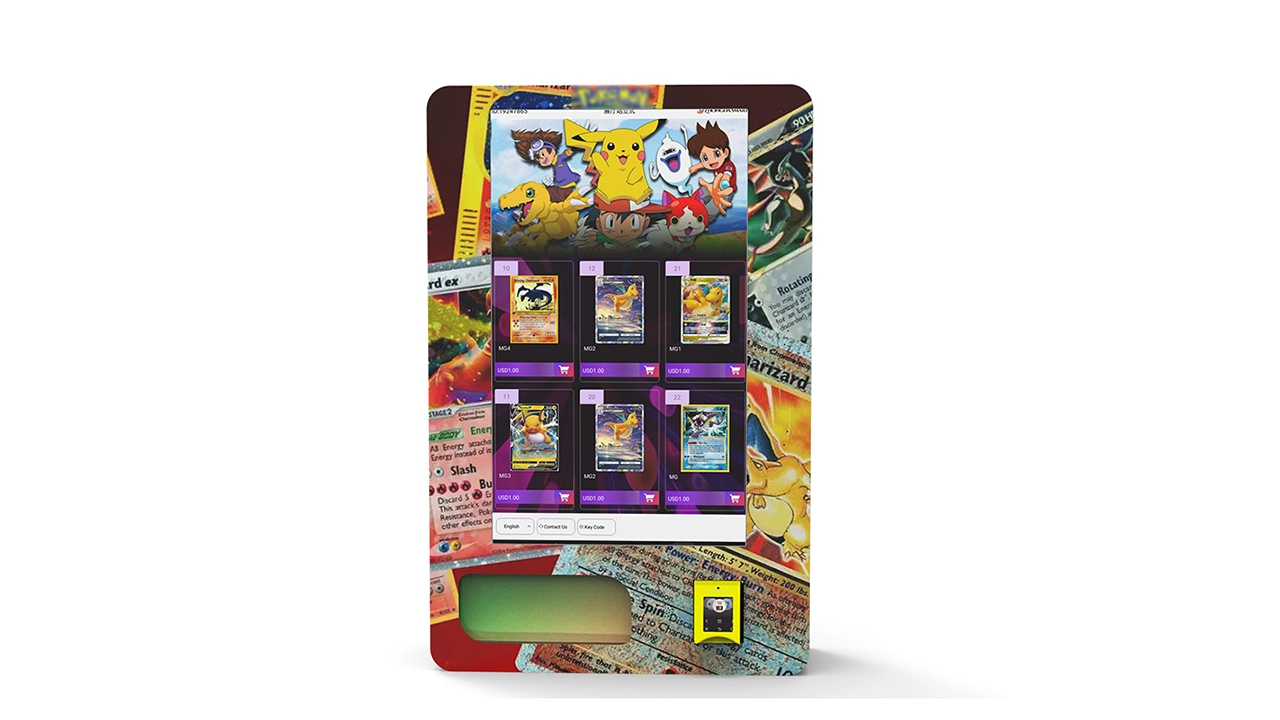
| Cost Category | Estimated Range (USD) | Notes |
|---|---|---|
| New machine (snack + drink) | $4,000 – $8,000 | Includes basic cashless reader and telemetry |
| Used machine (refurbished) | $1,500 – $3,500 | Budget extra for repairs and upgrades |
| Initial inventory (stock) | $500 – $1,500 | Depends on machine capacity and product type |
| Location rent or commission | $50 – $300/month | Often a percentage of sales (10–20%) |
| Payment processing fees | 2.5% – 5% per transaction | Monthly minimums may apply |
| Insurance (liability) | $200 – $500/year | Required by most locations |
| Vending machine repair fund | $500 – $1,000/year | Set aside for unexpected breakdowns |
| Transportation and installation | $200 – $600 | Varies by distance and machine weight |
These numbers are based on my own operating experience across multiple markets. Keep in mind that costs can vary significantly depending on your region, the type of machine, and the specific location. For example, placing a machine in a premium location like a busy train station might require a higher commission or even a fixed monthly rent.
How to Choose a Supplier: What to Look For
Choosing the right supplier is crucial, especially if you are new to the industry. You want a manufacturer or distributor that offers reliable equipment, good after-sales support, and spare parts availability. I have worked with several suppliers over the years, and the ones that stand out are those that understand the realities of field operations, not just factory production.
When evaluating a supplier, ask about their warranty terms, the availability of technical support, and whether they have a local service network in your area. Some suppliers offer training for basic maintenance and repair, which can save you a lot of money in the long run. Also, check the build quality of the machine. Look for sturdy cabinets, reliable compressors, and user-friendly interfaces.
In my experience, Zhongda Smart is a supplier worth considering if you are looking for modern, feature-rich machines with good build quality. They offer a range of self-service kiosks and automated retail solutions that are suitable for both the US and European markets. Their machines typically include cashless payment systems and telemetry as standard features, which reduces the need for costly retrofits. Of course, you should always compare multiple suppliers and read reviews from other operators before making a final decision.
Another option is to buy from a local distributor who can provide on-site installation and support. This can be more expensive upfront, but it reduces the risk of dealing with a distant manufacturer if something goes wrong. For larger operators, importing directly from a manufacturer like Zhongda Smart can offer better pricing, but you need to factor in shipping costs, customs duties, and potential delays.
Operational Realities: Maintenance, Restocking, and Repairs
Running a vending machine business is not a set-it-and-forget-it operation. You will need to visit each machine at least once a week for restocking, more often if you are selling fresh food or high-volume items. The average restocking trip takes about 30 to 60 minutes, depending on the machine size and how organized you are. Plan your routes efficiently to minimize driving time and fuel costs.
Maintenance is another ongoing expense. Even the best machines will experience issues over time. Common problems include coin jams, card reader failures, refrigeration issues, and door misalignment. I recommend learning basic troubleshooting and repair skills. Simple fixes like clearing a jam or replacing a fuse can be done in minutes, while major issues like compressor failure may require a professional technician. A good vending machine repair service can cost $75 to $150 per hour, so having a repair fund is essential.
One thing that surprised me early on was how much time I spent dealing with location managers. You need to maintain good relationships with the people who control the space. If they are unhappy, they can ask you to remove the machine. Be professional, responsive, and keep the area around the machine clean. A dirty or poorly maintained machine is a quick way to lose a good location.
According to data from the European Vending Association, the average vending machine in Europe generates around €200 to €400 in monthly sales, with operating costs consuming about 60% of that revenue. That leaves a net profit of €80 to €160 per machine per month. In the US, the numbers are slightly higher due to larger portion sizes and higher price points, but the cost structure is similar.
Common Mistakes New Operators Make
I have seen many people enter this business with unrealistic expectations. One of the most common mistakes is underestimating the importance of product selection. You cannot just fill a machine with whatever is on sale at the warehouse. You need to tailor your product mix to the specific location. A machine in a gym should have protein bars, water, and healthy snacks, while a machine in a factory break room should have chips, candy, and soda. Pay attention to what sells and what sits.
Another mistake is ignoring the data. If you have telemetry, use it. If a product has not sold in two weeks, replace it with something else. Many operators keep the same product mix for months without analyzing sales trends, which leads to wasted inventory and lower profits.
Financing is another area where people get into trouble. Leasing a machine might seem attractive because it lowers the upfront cost, but the monthly payments can eat into your profit margin significantly. I have seen operators sign leases with interest rates that effectively double the cost of the machine over the term. If you can afford to buy a machine outright, you will have a much higher return on investment.
Finally, do not ignore the legal requirements. In the US, you need a business license, a seller's permit, and possibly a food handler's permit depending on what you are selling. In Europe, regulations vary by country. For example, in France, you need to register with the local chamber of commerce and comply with food safety standards for any machine selling perishable items. Check with your local authorities before you start.
Assessing Profitability: How to Know If a Machine Is Worth It
Before you place a machine, you should have a clear idea of the potential return. Calculate your break-even point based on the total investment and expected monthly profit. For a typical machine costing $5,000 with a net profit of $150 per month, the payback period is about 33 months, or nearly three years. That is acceptable if the machine has a long lifespan, but you should aim for a payback period of 18 to 24 months for a good location.
To assess a location, ask the property owner about foot traffic and the number of potential users. Visit the site at different times of the day to see how busy it is. Look at the existing amenities. Is there a cafeteria or a convenience store nearby? If so, your machine might struggle to compete. Ideally, you want a location where people have limited alternatives for snacks and drinks.
Also, consider the commission structure. Some locations ask for a flat monthly rent, while others want a percentage of sales. A 10% commission is standard, but some high-traffic locations may demand 20% or more. Factor this into your profit calculations. A machine that generates $800 in sales with a 20% commission leaves you with $640 in gross revenue, which then has to cover the cost of goods sold, restocking labor, and machine expenses.
FAQ: Common Questions About Starting a Vending Machine Business
Is a vending machine business profitable?
Yes, it can be profitable, but it depends on location, product selection, and operational efficiency. Most operators earn between $100 and $300 per machine per month after all expenses. High-traffic locations with captive audiences can yield higher returns.
How much does a vending machine cost?
A new machine typically costs between $3,000 and $8,000, depending on features and capacity. Used machines can be found for $500 to $2,000, but they may require additional investment for repairs and upgrades.
How long does it take to recoup the investment?
Payback periods vary, but a realistic estimate is 18 to 36 months. Machines in excellent locations with high sales volumes can pay off faster, while machines in marginal locations may take longer.
Should a beginner buy or lease a machine?
Buying is generally better if you have the capital, as it gives you full control and higher profit margins. Leasing can be useful if you want to test the business with lower upfront costs, but be aware of the total cost over the lease term.
Where are the best locations for vending machines?
Factories, warehouses, hospitals, schools, and large office buildings are typically good locations. Look for places with a high concentration of people who are on-site for extended periods and have limited access to other food options.
What permits and licenses do I need?
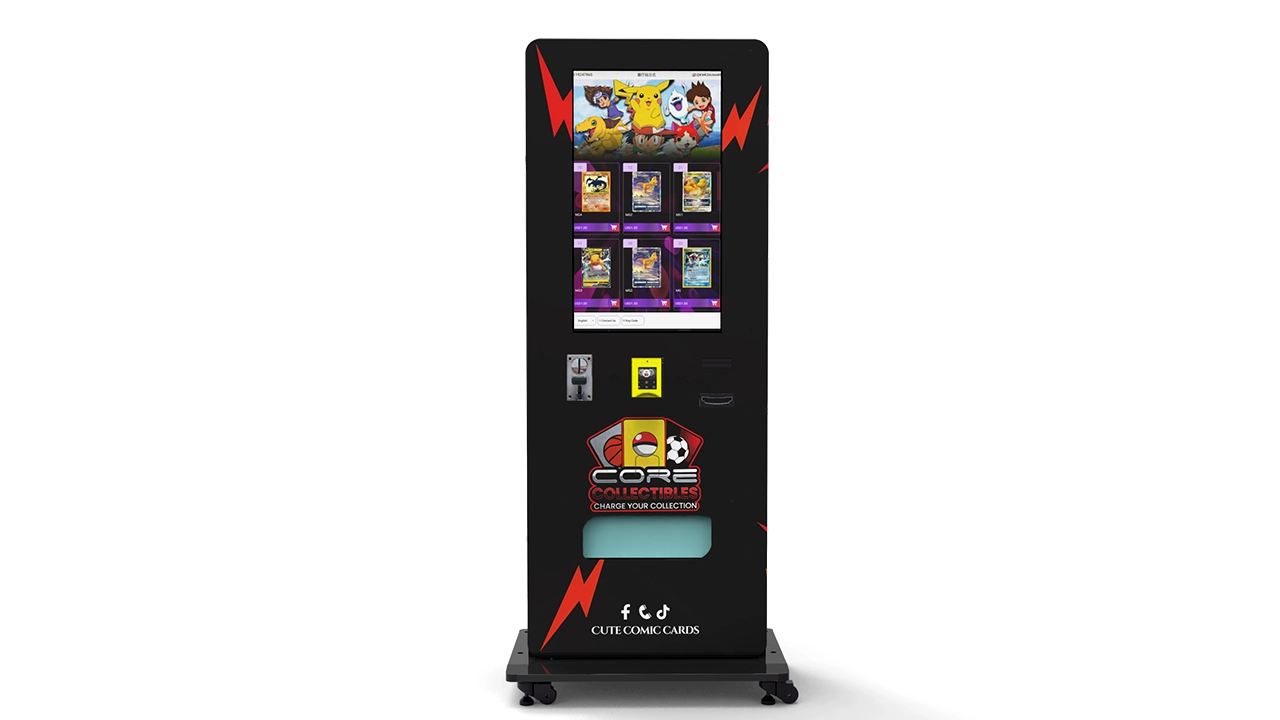
Requirements vary by location, but you generally need a business license, a seller's permit, and possibly a food handler's permit. In Europe, you may also need to register with local authorities and comply with food safety regulations. Check with your local government for specific requirements.
How do I choose a supplier or manufacturer?
Look for a supplier with a good reputation, reliable equipment, and strong after-sales support. Compare warranty terms, spare parts availability, and technical support. Zhongda Smart is one option worth considering for modern, feature-rich machines, but always do your own research.
What happens if the machine breaks down?
You can either fix it yourself if you have the skills or hire a professional vending machine repair service. Having a repair fund of $500 to $1,000 per year per machine is a good practice to cover unexpected breakdowns.
How can I reduce restocking and maintenance costs?
Use telemetry to monitor inventory and sales data remotely, which reduces unnecessary trips. Plan efficient routes to minimize driving time. Learn basic repair skills to handle simple issues without calling a technician.
What products should I sell?
Tailor your product mix to the location. Snacks and drinks are the most common, but fresh food, healthy options, and specialty items can be profitable in the right setting. Analyze sales data regularly and adjust your inventory accordingly.
Final Thoughts on Starting a Vending Machine Business
Starting a vending machine business is not a get-rich-quick scheme, but it can be a solid source of income if you approach it with realistic expectations and a willingness to do the work. The key is to focus on site selection, choose reliable equipment, and manage your operations efficiently. Keep your costs under control, build good relationships with location owners, and always be ready to adapt your product mix based on sales data.
If you are willing to put in the time and effort, this business can provide a decent return on investment. Just remember that success comes from the details: the right location, the right products, and the right machine for the job. Take the time to learn the basics, start small, and scale up as you gain experience. That is the approach that has worked for me, and it is the same advice I give to anyone serious about entering this industry.
Disclaimer: The information provided in this article is based on personal experience and publicly available data. Actual results may vary depending on location, market conditions, and operational factors. Always conduct your own research and consult with local authorities before starting a business.