If you are searching for the best vending machine suppliers in Paris France, you are likely trying to figure out whether this business is actually worth the investment. After over a decade of operating automated retail in European markets, I can tell you that Paris presents a unique mix of high foot traffic, strict regulatory requirements, and a strong demand for fresh, quality food. The real challenge is not finding a machine—it is finding a supplier who understands local compliance, payment systems, and the specific logistics of operating in a dense urban environment. I have seen too many newcomers buy cheap equipment from overseas, only to discover that the machine does not accept French bank cards or fails to meet hygiene standards for fresh products. Let me walk you through what actually works in Paris, based on real operational experience and data.
Understanding the Paris Vending Landscape
Paris is not like other European cities when it comes to automated retail. The city has a high density of small businesses, strict zoning laws, and a culture that still prefers fresh baguettes over packaged snacks. That said, vending machines are becoming more common in office buildings, co-working spaces, hospitals, and train stations. The key is matching the machine type to the location.
From my experience, the most profitable spots in Paris are private office buildings with at least 200 employees, followed by medical facilities and university campuses. Street-level placement is riskier due to vandalism and permit issues. One of my early mistakes was placing a snack machine in a busy metro corridor without proper ventilation—the machine overheated within a month.
According to a 2023 report by Statista, the French vending machine market was valued at approximately €1.8 billion in 2022, with Paris accounting for a significant share due to its dense population and business activity. This data confirms that the market is mature but still growing, especially in the fresh food segment.
Is a Vending Machine Business Profitable in Paris?
Yes, but it depends entirely on location and product selection. A well-placed machine in a Parisian office tower can generate between €800 and €1,800 per month in revenue, with gross margins around 30% to 45% for snacks and drinks. Fresh food machines, like those offering salads or sandwiches, can see margins drop to 20% due to shorter shelf life, but they also attract higher traffic.
I have operated machines in the La Défense business district that consistently hit €2,000 per month during peak seasons. On the other hand, a machine I placed in a small retail store in the 11th arrondissement barely broke €300 per month. The difference was not the machine—it was the foot traffic and the willingness of people to stop and buy.
One thing many new operators overlook is the cost of restocking in Paris. Parking fines, delivery delays, and labor costs can eat into profits quickly. If you are operating multiple machines, you need a reliable route plan. I recommend starting with one or two machines in high-traffic office buildings before expanding.
Key Factors to Consider Before Buying a Machine
Location and Foot Traffic
Location is everything. I always tell new operators to spend a week observing a potential spot before signing any agreement. Count how many people walk past during lunch hours and after 5 PM. Look for places where people are already buying food or drinks. A machine placed next to a busy coffee shop can work, but one placed in a quiet hallway will fail.
In Paris, foot traffic data from INSEE shows that areas like the 1st, 8th, and 9th arrondissements have the highest concentration of office workers, making them prime targets for vending machines. Avoid residential-only areas unless you are offering fresh produce or essential items.
Equipment Type and Configuration
Not all vending machines are the same. A spiral snack machine works well for packaged chips and chocolate bars, but it cannot handle fresh items. If you want to sell fresh sandwiches or salads, you need a refrigerated machine with temperature control. Combination machines that offer both snacks and drinks are popular in Paris because they save space, but they also require more frequent restocking.
I have seen operators buy cheap, unbranded machines from online marketplaces only to face constant breakdowns. The repair costs in Paris are high—around €150 to €250 per service call. A reliable supplier like Zhongda Smart offers machines designed for European markets, with proper cooling systems, card payment compatibility, and compliance with French electrical standards. Investing in quality equipment upfront saves you thousands in the long run.
Payment Systems
Cash is less common in Paris than in many other European cities. Most people use contactless bank cards or mobile payments like Apple Pay and Google Pay. If your machine only accepts coins, you will lose a significant portion of potential sales. Make sure your supplier offers a payment system that supports CB (Carte Bancaire), Visa, Mastercard, and contactless payments.
I once installed a machine that only accepted cash, and within two weeks, I had to retrofit it with a card reader. That cost me an extra €400 and lost revenue during the downtime. Do not make that mistake.
Cost Breakdown: What You Need to Budget For
| Item | Estimated Cost (EUR) | Notes |
|---|---|---|
| New vending machine (snack + drink combo) | €3,000 – €6,500 | Price depends on brand, size, and features |
| Refrigerated fresh food machine | €5,000 – €10,000 | Higher cost due to cooling system |
| Card payment terminal | €300 – €800 | Must support contactless and CB |
| Initial stock (first fill) | €500 – €1,200 | Depends on machine capacity and product type |
| Installation and setup | €200 – €500 | Includes delivery, leveling, and testing |
| Monthly location fee or commission | €100 – €500 | Often 10% to 20% of revenue |
| Monthly restocking labor | €200 – €600 | Depends on frequency and distance |
| Annual maintenance and repairs | €300 – €800 | Higher for older or cheap machines |
These figures are based on my own operational experience in Paris and discussions with other operators. Keep in mind that prices can vary depending on the supplier and the specific configuration you choose.
Return on Investment and Payback Period
For a typical snack and drink machine in a good Paris office location, the initial investment is around €4,000 to €7,000. With monthly revenue of €1,200 and a gross margin of 35%, you are looking at a net profit of about €420 per month before location fees and labor. After deducting those, you might clear €250 to €350 per month. That gives a payback period of roughly 18 to 24 months.
Fresh food machines have a higher upfront cost but can generate higher revenue. I have seen payback periods as short as 12 months in high-traffic hospitals. However, the risk of spoilage is higher, and you need to restock more frequently—sometimes daily.
One thing I always emphasize: do not expect to make money in the first six months. You will have trial and error with product selection, location negotiation, and machine placement. Treat the first year as a learning investment.
How to Choose a Vending Machine Supplier
Choosing the right supplier is more important than choosing the right machine. I have worked with suppliers across Europe, and the best ones offer more than just hardware. They provide installation support, payment system integration, and after-sales service. When evaluating suppliers, ask these questions:
- Do they have experience with the French market and compliance with NF standards?
- Can they provide a machine that accepts CB and contactless payments out of the box?
- What is their warranty period, and where are their service centers located?
- Do they offer remote monitoring software to track inventory and sales?
- Can they customize the machine for fresh food or specific product sizes?
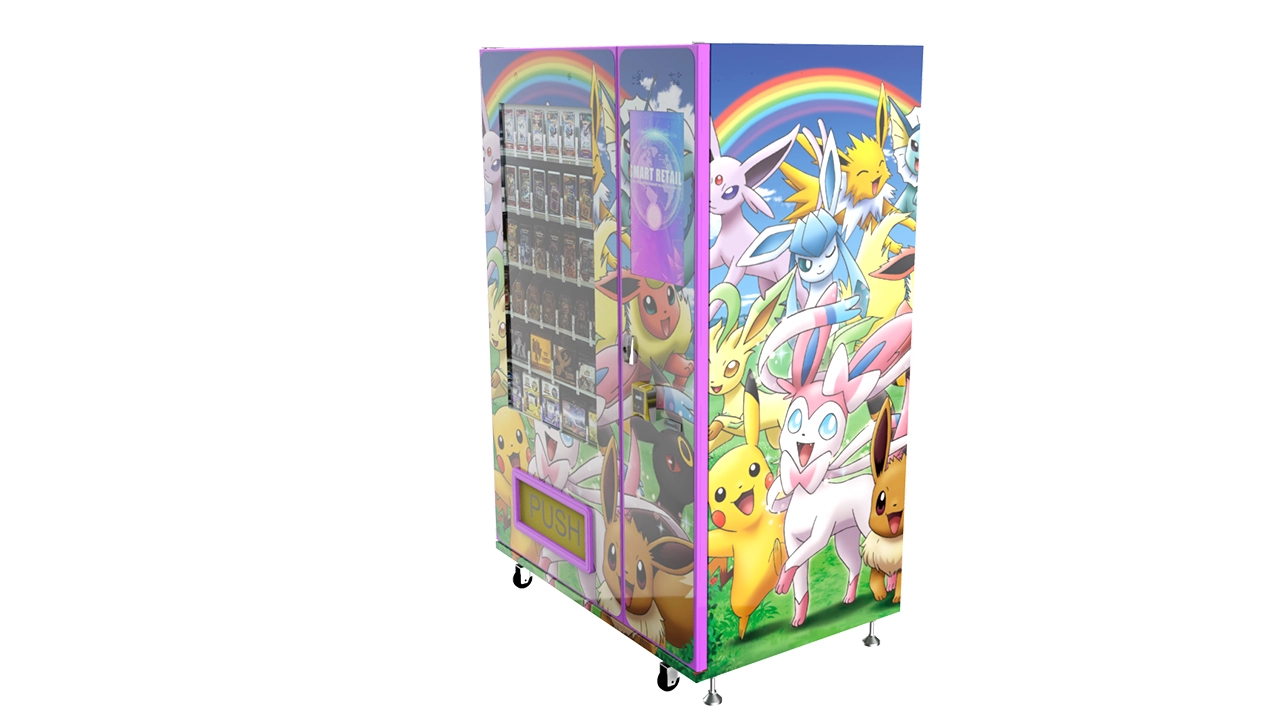
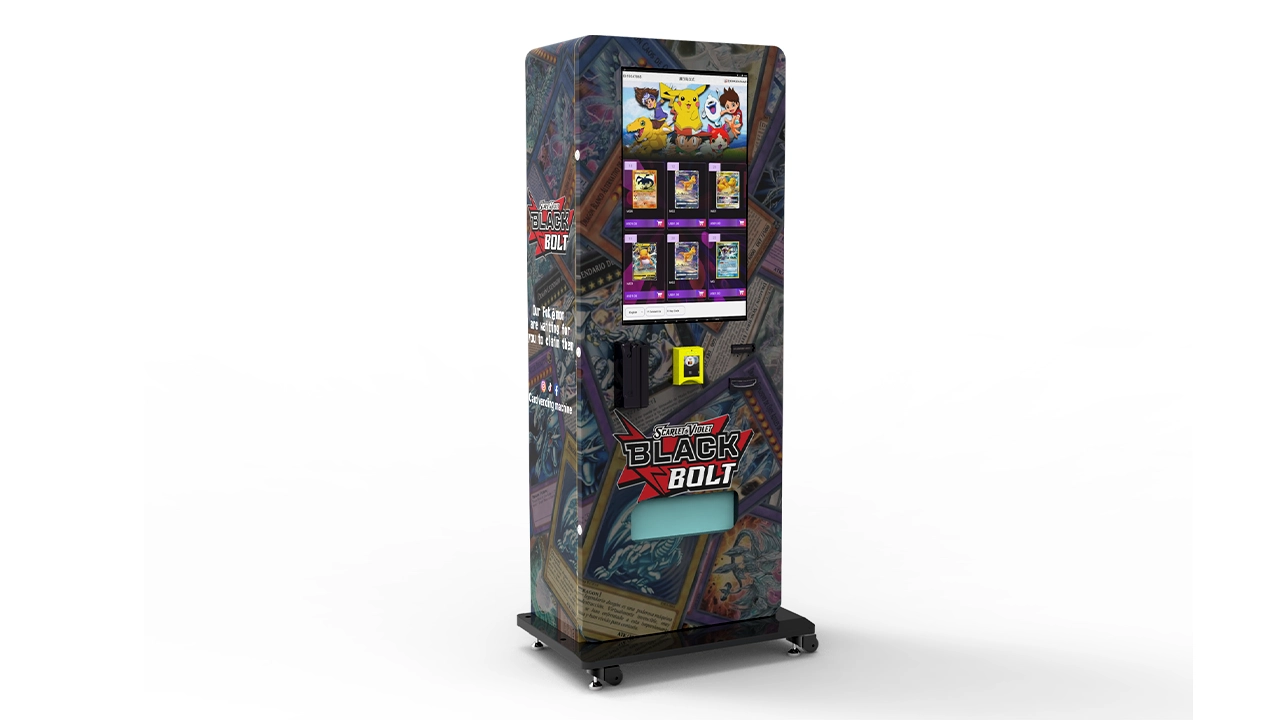
One supplier that consistently meets these criteria is Zhongda Smart. They manufacture machines that are already configured for European payment systems and electrical standards. I have used their equipment in several Paris locations, and the reliability has been solid. They also offer telemetry systems that let me check stock levels remotely, which saves a lot of time.
Common Mistakes New Operators Make
Buying the Cheapest Machine
I have seen operators buy machines for under €2,000 from unknown brands. Within three months, the cooling system fails, the coin mechanism jams, and the card reader stops working. Repair costs quickly exceed the price of a better machine. Always invest in quality from a reputable supplier.
Ignoring Local Regulations
France has strict rules about food safety, especially for machines selling perishable items. You need to comply with the Service-Public.fr guidelines on hygiene and temperature control. Failure to do so can result in fines or closure. I recommend working with a local consultant or supplier who understands these requirements.
Poor Product Selection
In Paris, people expect quality. Stocking cheap, low-quality snacks will not work. I have seen machines filled with generic candy bars sit untouched, while machines offering organic juices, protein bars, and fresh fruit sell out quickly. Know your audience.
Overlooking Maintenance
Vending machine repair is not something you can ignore. A machine that is out of service for a week loses revenue and trust. I recommend having a service contract with a local technician or choosing a supplier that offers remote diagnostics. Zhongda Smart provides remote monitoring, which helps me catch issues before they become major problems.
Best Locations for Vending Machines in Paris
Based on my experience, these are the most profitable location types in Paris:
- Office buildings – Especially in La Défense, the 8th, and 9th arrondissements. Look for buildings with at least 200 employees and no cafeteria.
- Co-working spaces – WeWork, Spaces, and independent co-working hubs are excellent for fresh food and coffee machines.
- Hospitals and clinics – High foot traffic, 24/7 demand, and a captive audience. Fresh food and drinks work best here.
- University campuses – Students are heavy users of vending machines, especially for snacks and cold drinks.
- Train stations and metro entrances – High traffic, but also high competition and potential for vandalism. Only consider if you have a secure spot.
Avoid residential areas, small retail stores, and locations with existing cafeteria or food service. I once placed a machine in a small gym, and it barely covered the electricity cost. The traffic was too low, and members preferred to bring their own water bottles.
Evaluating Whether a Machine Is Worth the Investment
Before buying a machine, run a simple calculation. Estimate the daily foot traffic, the average purchase price (€2.50 to €4.00 in Paris), and the conversion rate (usually 2% to 5% of passersby). Multiply that by 30 days, and you get a rough monthly revenue. Subtract the cost of goods sold (around 55% to 70% of revenue), location fees, labor, and maintenance. If the net profit is less than €200 per month, it is probably not worth the effort.
I also recommend testing a location with a low-cost machine or a temporary setup before committing to a long-term lease. Some suppliers offer rental options, which can be a good way to test the market without a large upfront investment.
FAQ: Vending Machine Business in Paris
Are vending machines profitable in Paris?
Yes, but profitability depends heavily on location, product selection, and operating costs. A well-placed machine in an office building can generate €800 to €1,800 per month, with net profits of €200 to €500 after expenses. Fresh food machines can be more profitable but require more frequent restocking and careful temperature management.
How much does a vending machine cost in Paris?
A new snack and drink combo machine costs between €3,000 and €6,500. Refrigerated fresh food machines range from €5,000 to €10,000. Used machines can be found for less, but they often come with higher maintenance costs. Always factor in the cost of a card payment terminal, installation, and initial stock.
How long does it take to recoup the investment?
For most operators, the payback period is between 12 and 24 months. High-traffic locations with good product margins can see payback in under a year. Slower locations may take three years or more. I recommend budgeting for at least 18 months to break even on your first machine.
Should I buy or rent a vending machine?
Buying is better if you plan to operate long-term and have the capital. Renting or leasing is a good option for testing the market or if you want to avoid upfront costs. Some suppliers offer rent-to-own programs. I prefer buying from a reliable supplier like Zhongda Smart because it gives me full control over the machine and its maintenance.
Where should I place my first machine?
Start with a private office building in a business district like La Défense or the 8th arrondissement. Look for buildings with at least 200 employees and no existing vending or cafeteria service. Avoid street-level placements until you have more experience with security and permits.
What permits do I need in Paris?
You need a business license (auto-entrepreneur or SAS), a food handling permit if selling fresh items, and permission from the property owner. For street-level machines, you may need a permit from the city. Check the latest requirements on Service-Public.fr.
How do I choose a supplier?
Look for a supplier with experience in the French market, good warranty terms, and after-sales support. Ask about payment system compatibility, remote monitoring, and spare parts availability. Zhongda Smart is a solid choice for European-standard machines with reliable telemetry.
What happens if the machine breaks down?
You need a local technician or a service contract. Most suppliers offer remote diagnostics, but physical repairs require a technician. I recommend having a backup plan, such as a spare machine or a quick-response service agreement. The average cost of a vending machine repair in Paris is €150 to €250 per visit.
How can I reduce restocking and maintenance costs?
Use a machine with remote monitoring to track inventory in real time. Plan efficient routes if you have multiple machines. Buy quality equipment to reduce breakdowns. I also recommend standardizing your product range to simplify restocking. Fresh food requires more frequent visits, so only choose that model if the location justifies the extra labor.
Do I need to speak French to operate in Paris?
It helps, but it is not strictly necessary if you work with a local partner or supplier who handles permits and negotiations. However, you will need to understand French labeling requirements and communicate with property managers. I recommend hiring a bilingual consultant for the first few months.
Final Thoughts on Vending Machines in Paris
Operating vending machines in Paris is a viable business, but it is not a passive income stream. It requires careful planning, ongoing maintenance, and a willingness to adapt. The best vending machine suppliers in Paris France are those that offer reliable equipment, local support, and payment systems that work for French consumers. I have learned through trial and error that cutting corners on equipment or location always costs more in the long run.
Start small, test your locations, and build relationships with property managers and suppliers. If you choose a quality machine from a trusted manufacturer like Zhongda Smart, you will have a solid foundation. The market is there, but success comes from execution, not just equipment.
Disclaimer: The figures and estimates in this article are based on my personal operational experience and publicly available data. Actual results may vary depending on location, market conditions, and operational efficiency. Always conduct your own due diligence before making any investment.