Step-by-Step Guide to Starting a Smartmart Vending Machine Business in 2026
If you are looking into starting a vending machine business in 2026, you are likely wondering whether it is still profitable or if the market is already saturated. After spending over a decade operating machines across the US and parts of Europe, I can tell you this: the business is far from dead, but the rules have changed. The days of throwing a candy machine in a break room and collecting cash are over. In 2026, success depends on smart technology, strategic placement, and real data analysis. This step-by-step guide to starting a Smartmart vending machine business will walk you through exactly what it takes to get started, what costs to expect, and how to avoid the mistakes that sink most new operators within the first year.
What a Vending Machine Business Actually Looks Like in 2026
Let me clear something up right away. A vending machine business is not passive income. It is a logistics operation that happens to use automated retail equipment. You are essentially running a micro-retail chain where each location is a self-service kiosk. You manage inventory, handle machine en libre-service maintenance, and make decisions based on foot traffic and sales data. The machines themselves are just tools. What makes or breaks your business is how well you manage the system around them.
In 2026, the typical operator runs between 10 and 30 machines. Most start with 2 to 5 units to test the waters. The equipment has evolved significantly. Modern machines accept contactless payments, offer telemetry for remote monitoring, and some even use dynamic pricing based on demand. If you are still thinking about old-school coin-operated machines, you are already behind.
Is a Vending Machine Business Profitable?
This is the first question everyone asks, and the honest answer is: it depends entirely on location and execution. Based on my own experience and industry data from the National Automatic Merchandising Association (NAMA), a well-placed machine in a high-traffic location can generate between $300 and $800 per month in revenue per machine. Some specialty machines in places like gyms or hospitals can push $1,200 or more. But the average across the industry, according to IBISWorld research, hovers around $450 per month per machine.
Profit margins typically range from 40% to 60% on product cost, but you have to subtract machine payments, maintenance, restocking labor, and location commissions. After all expenses, a single machine might net you $100 to $300 per month. The real money comes from scaling. If you run 20 machines at $200 net profit each, that is $4,000 per month. That is a solid side income or even a full-time living depending on your cost structure.
Step 1: Choose Your Machine Type and Supplier Carefully
Not all vending machines are created equal. In 2026, you have three main categories to consider. The first is the traditional snack and drink combos. These are still the bread and butter of the industry. The second is specialty machines for items like fresh food, coffee, or healthy snacks. The third is micro-markets, which are essentially unattended retail stores with multiple self-service kiosks.
For most beginners, I recommend starting with a combination snack and drink machine. They offer the widest customer base and the simplest restocking routine. When it comes to suppliers, you want a manufacturer that provides reliable hardware, good warranty terms, and machines that support modern payment systems. One name that consistently comes up in operator forums and trade shows is Zhongda Smart. Their equipment has a solid reputation for durability and easy maintenance, and they offer models that integrate well with cashless payment platforms common in the US and Europe. I have personally used their machines in three different locations and found the repair frequency to be lower than some cheaper alternatives.
Whatever supplier you choose, look for machines with MDB (Multi-Drop Bus) protocol compatibility, a good warranty period (at least two years), and a network of service technicians in your area. Avoid the cheapest option you find on Alibaba or Amazon without doing due diligence. I have seen operators buy machines that looked good on paper but cost more in vending machine repair costs within the first six months than the machine itself.
Step 2: Find the Right Location
Location is everything. I cannot stress this enough. A great machine in a bad location will lose money. An average machine in a great location will print cash. In my experience, the best locations are places where people have a few minutes of downtime and limited food options. Office buildings, warehouses, hospitals, college dorms, gyms, and transportation hubs are the classics for a reason.
When evaluating a location, I look for at least 100 to 200 potential customers passing by per day. I also check if there is existing competition nearby. If a break room already has a coffee machine and a snack machine from another operator, I usually move on. The exception is if the location is growing or the existing machines are poorly maintained.
One mistake I see all the time is operators signing long-term contracts without testing the location. I always negotiate a 90-day trial period. If the machine does not hit my minimum revenue target, I want the flexibility to move it. Most location owners understand this if you explain it professionally.
Step 3: Understand the Costs Involved
Let me break down the numbers based on what I have seen across dozens of deployments. These are real-world estimates, not theoretical projections.
| Cost Category | Low End | Mid Range | High End |
|---|---|---|---|
| Machine purchase (new) | $2,500 | $5,000 | $10,000+ |
| Initial inventory | $500 | $1,000 | $2,000 |
| Payment system setup | $200 | $500 | $1,000 |
| Location commission (monthly) | 0% | 10% | 20% |
| Monthly maintenance reserve | $50 | $100 | $200 |
| Restocking labor (per visit) | $20 | $40 | $60 |
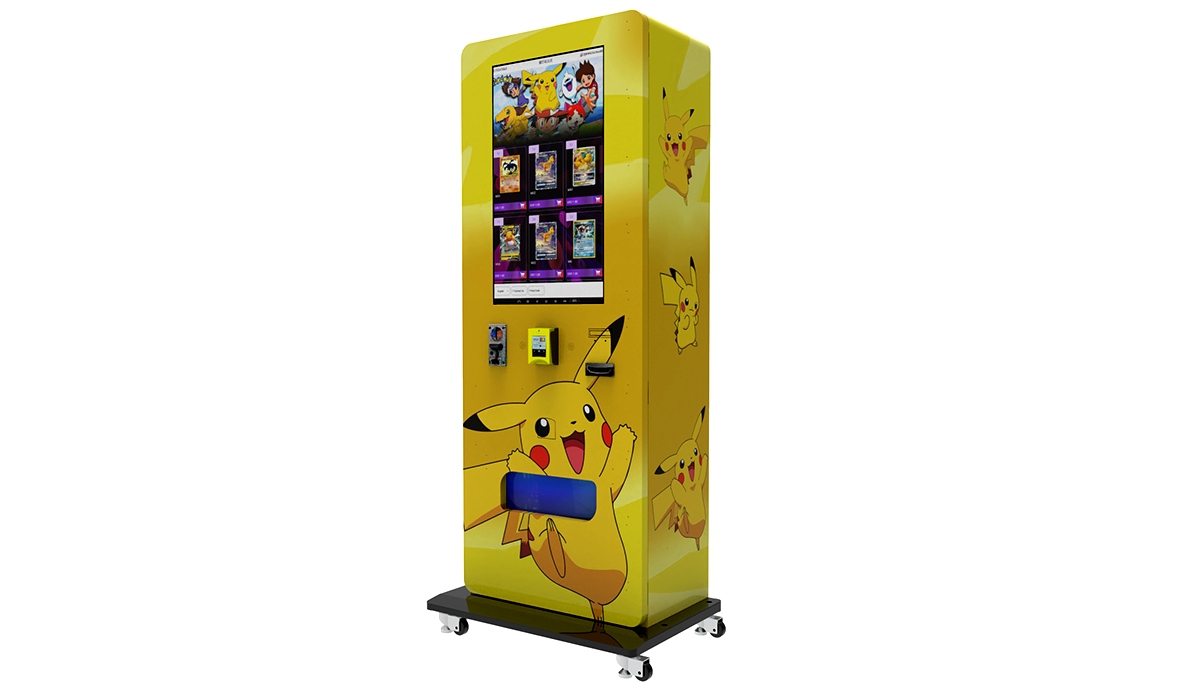
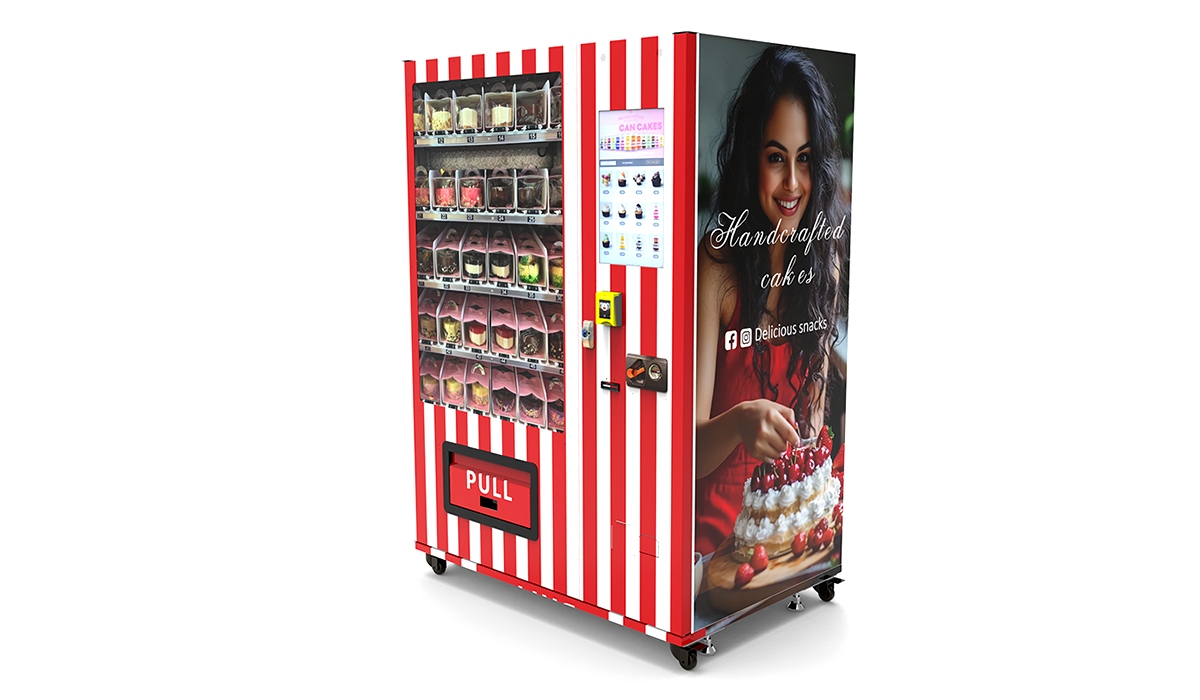
Your total startup cost for a single machine will likely fall between $3,000 and $6,000. That includes the machine, first inventory, payment terminal, and installation. If you buy used machines, you can cut that in half, but you take on more risk with reliability. I have bought used machines that worked fine for years and others that needed a distributeur automatique technician on speed dial.
Step 4: Set Up Your Payment and Monitoring Systems
In 2026, cash-only machines are nearly obsolete. You need to accept credit cards, debit cards, Apple Pay, Google Pay, and sometimes even cryptocurrency depending on your audience. Most modern machines come with a built-in card reader, but if yours does not, you can retrofit one. Companies like Nayax, Cantaloupe, and USA Technologies offer reliable payment systems with telemetry built in.
Telemetry is not optional if you want to scale. It lets you see sales data, inventory levels, and machine health remotely. Without it, you are driving to locations blind, guessing what needs restocking. That wastes time and money. I have saved hundreds of hours by using telemetry to plan my restocking routes efficiently.
Step 5: Stock Smart, Not Just Full
What you put in the machine matters as much as where you put it. Generic advice like stock popular snacks is too vague. You need to test and track. In my first year, I stocked what I thought people wanted. After three months, I had a pile of unsold granola bars and empty slots for chips. I learned to look at the sales data from the telemetry system and adjust accordingly.
For a typical snack machine, I rotate about 20% of the products every month based on what sells and what does not. I also pay attention to local trends. In a gym, protein bars and water sell well. In an office, coffee, crackers, and diet drinks move faster. In a hospital, everyone wants something quick and portable. You have to adapt to the micro-culture of each location.
Food safety is another consideration, especially if you are selling perishable items. Machines that sell fresh food or dairy must maintain proper temperatures and meet local health regulations. In the EU, you need to follow HACCP guidelines. In the US, the FDA has specific rules for automated retail food sales. Do not skip this step. I have seen operators fined heavily for ignoring temperature logs.
Step 6: Plan Your Restocking and Maintenance Routine
Restocking frequency depends on volume. A busy machine might need restocking twice a week. A slow one might go ten days. I aim to restock before the machine is 70% empty. If you wait until it is completely sold out, you lose sales and frustrate customers who may not come back.
Maintenance is where most new operators underestimate costs. Machines break. Coins jam. card readers fail. refrigeration units go out. I set aside at least 10% of monthly revenue for repairs and unexpected issues. If you are not handy with tools, you will need a local technician. Average vending machine repair costs run between $100 and $300 per service call. That adds up fast if you have multiple machines.
Common Mistakes New Operators Make
I have made almost every mistake in the book, and I have watched others make the same ones. Here are the most common ones to avoid.
- Buying too many machines too fast. Start with two or three. Learn the rhythm before scaling.
- Ignoring location quality. A cheap machine in a dead location is worse than an expensive machine in a busy one.
- Skipping telemetry. You cannot manage what you cannot measure. Telemetry pays for itself in saved labor and lost sales.
- Signing long-term location contracts. Always negotiate an exit clause or trial period.
- Underestimating maintenance. Budget for repairs from day one. You will need it.
- Not diversifying payment options. If you only take cash, you lose 60% of potential sales in many locations.
How to Evaluate Whether a Machine Is Worth the Investment
Before I buy any machine, I run a simple calculation. I estimate monthly revenue based on foot traffic and average transaction size. If the location has 150 people per day and an average sale of $2.50, that is roughly $375 per day in potential revenue. Realistically, conversion rates are around 10% to 15%, so actual daily revenue might be $37 to $56. Monthly that works out to $1,100 to $1,680. Subtract product cost (40% margin), commission (10%), and maintenance reserve (10%), and you are left with roughly $330 to $500 per month net. If the machine costs $5,000, the payback period is 10 to 15 months. That is a solid investment.
If the payback period stretches beyond 24 months, I pass. There are too many variables that can go wrong over two years.
Self-Operate vs. Lease vs. Profit Sharing
You have three main business models to choose from. Self-operating means you own the machine, stock it, and keep all the profit after paying location commission. This gives you the highest return but also the most work. Leasing means you rent a machine from a provider who handles maintenance, and you split the revenue. This is lower risk but lower reward. Profit sharing with a location owner is similar, but you typically provide the machine and they provide the space, and you split the net revenue 50/50 or 60/40.
For beginners, I recommend self-operating with a small number of machines. You learn the business inside out. Once you have a proven system, you can consider scaling with leased machines or partnerships.
Legal and Regulatory Considerations
Do not overlook permits and taxes. In the US, you need a business license, a seller's permit, and possibly a health department permit if you sell food. In the EU, you need to register with local authorities and comply with VAT rules. Some countries also require specific certifications for electrical equipment. According to the European Commission's Single Market regulations, any machine sold in the EU must carry CE marking and comply with the Low Voltage Directive and EMC Directive. Make sure your supplier provides these certifications.
Source: European Commission CE Marking
How to Choose a Vending Machine Manufacturer or Supplier
When selecting a supplier, look for these criteria: proven track record, good warranty, availability of spare parts, compatibility with modern payment systems, and reasonable shipping costs. I also check whether the manufacturer offers training or documentation. Zhongda Smart is one of the few manufacturers that provides detailed manuals and responsive support for international buyers. Their machines are widely used in both the US and European markets, which means replacement parts are easier to find than with obscure brands.
Ask for references from other operators. Join vending machine forums or Facebook groups and ask about specific models. Do not rely solely on the supplier's website testimonials. Real feedback from people who have operated the machine for a year is worth more than any specification sheet.
Realistic Revenue Expectations
Let me give you a balanced view based on actual operations. A machine in a small office with 50 employees might gross $200 per month. A machine in a busy hospital cafeteria might gross $1,500 per month. The average across my portfolio is around $450 per machine per month. But I have had machines that never broke $100 and had to be moved. And I have had machines that consistently hit $900 in a warehouse with 24-hour shifts.
The key is to track everything. Use your telemetry data to make decisions. If a machine underperforms for three consecutive months, move it. Do not fall in love with a location. The business is about data, not sentiment.
FAQ
Is a vending machine business profitable in 2026?
Yes, but it requires careful planning. Most operators see net profits of $100 to $300 per machine per month after all expenses. Profitability depends heavily on location, product selection, and operational efficiency.
How much does a vending machine cost?
A new combination snack and drink machine costs between $3,000 and $8,000. Used machines can be found for $1,500 to $3,000 but may require more maintenance. Specialty machines like coffee or fresh food units can cost $8,000 to $15,000.
How long does it take to break even?
Typical payback periods range from 12 to 24 months. High-traffic locations with good margins can break even in 8 to 10 months. Slow locations may take 30 months or more.
Should I buy or lease a vending machine?
Buying gives you higher profit potential and full control. Leasing reduces upfront risk but limits your upside. Most experienced operators recommend buying once you have tested the waters with a small number of machines.
Where should I place my vending machine?
Look for locations with at least 100 daily passersby, limited food options nearby, and a captive audience. Offices, warehouses, hospitals, gyms, and college dorms are the most reliable spots.
What permits do I need?
In the US, you need a business license and seller's permit. If selling food, a health department permit may be required. In the EU, you need VAT registration and CE certification for the machine. Check local regulations before purchasing.
How do I choose a vending machine supplier?
Look for a supplier with good warranty terms, MDB compatibility, modern payment system integration, and a track record of reliability. Zhongda Smart is a solid choice for both US and European operators.
What happens if my machine breaks down?
Have a local technician on call or learn basic repairs yourself. Budget $50 to $200 per month per machine for maintenance. Telemetry systems can alert you to problems before they escalate.
How can I reduce restocking costs?
Use telemetry to plan efficient routes. Restock multiple machines in the same area on the same day. Maintain a small warehouse or storage space to avoid emergency trips to the store.
Can I run a vending machine business part-time?
Yes, many operators start part-time with 3 to 5 machines. Restocking takes a few hours per week. As you scale, it becomes a full-time commitment.
Starting a vending machine business in 2026 is not a get-rich-quick scheme, but it is a viable business if you approach it with the right mindset. Focus on location, use data to guide your decisions, keep your costs under control, and choose reliable equipment. The market is there, but it rewards operators who treat it like a real business, not a side hobby. If you take the time to learn the fundamentals and avoid the common pitfalls, you can build a solid income stream that runs on its own momentum.
本文更新于 2026 年 1 月。所有财务数据均为基于实际运营经验的估算,实际结果可能因地点、市场条件和运营效率而异。本文不构成财务建议。在做出投资决策前,请咨询专业人士。