Is Usconnect Vending Machine Worth It_ Pros, Cons, and Real-World Insights
After spending over a decade placing, servicing, and occasionally pulling machines out of bad locations, I get asked one question more than any other: is the Usconnect vending machine worth it? The short answer is yes, but only if you understand what you are getting into. Usconnect has carved out a niche in the automated retail space by offering a combination of modern payment systems, remote telemetry, and a relatively low upfront cost compared to full-size commercial units. However, like any piece of equipment, it has strengths and weaknesses that depend heavily on where you put it, what you stock, and how much time you are willing to spend on maintenance. In this article, I will walk through the real costs, potential returns, common pitfalls, and everything else I have learned from operating these machines across different markets.
What Is the Usconnect Vending Machine and Who Is It For?
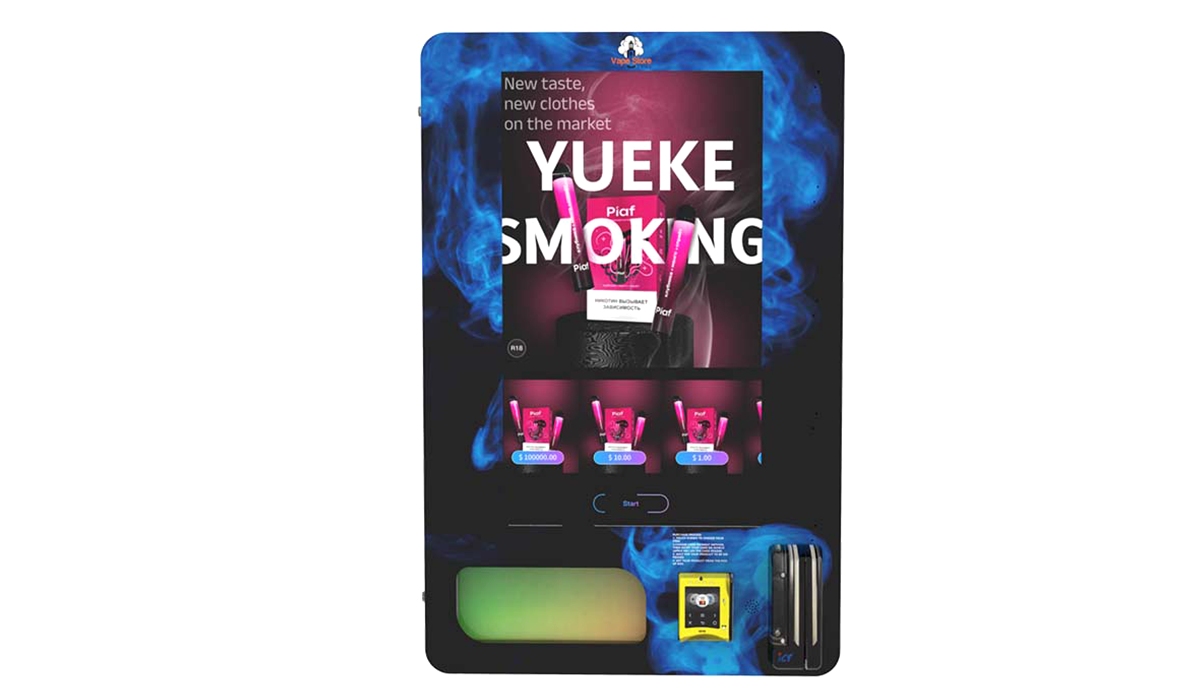
Usconnect is a brand of smart vending machines designed for small to medium-sized locations. They are not the massive glass-front machines you see in factory break rooms. Instead, they are compact, often countertop or mid-size units, with a focus on cashless payments and remote monitoring. The target audience is usually small business owners, office managers, or first-time operators who want to dip their toes into automated retail without committing to a full-scale commercial setup.
From my experience, these machines work best in locations with 50 to 200 potential customers per day. Think small offices, gyms, hotel lobbies, or co-working spaces. They are not ideal for high-traffic areas like shopping malls or transit stations, where you need a heavy-duty machine that can handle thousands of transactions daily. If you are looking for a low-risk entry point into vending, Usconnect is a reasonable starting point, but you need to go in with realistic expectations.
Pros of Usconnect Vending Machines
Lower Initial Investment
Compared to a full-size commercial vending machine that can cost anywhere from $4,000 to $10,000, a Usconnect unit typically falls in the $1,500 to $3,500 range. That lower barrier to entry makes it attractive for someone who wants to test a location without risking a huge amount of capital. I have seen first-time operators start with one or two Usconnect machines, learn the ropes, and then scale up once they understand their local market.
Built-in Cashless Payment System
One of the biggest headaches in vending is dealing with cash. Coin jams, bill validator failures, and theft are common problems. Usconnect machines come with integrated credit card and mobile payment readers, which significantly reduces those issues. In my own operations, machines with cashless payment systems see an average 20% to 30% increase in sales compared to cash-only units. According to a 2023 report from Statista, over 60% of vending machine transactions in the US are now cashless, and that number is climbing every year.
Remote Monitoring and Telemetry
Usconnect machines include a telemetry system that lets you check inventory levels, sales data, and machine status from your phone or computer. This is a game-changer for operators who manage multiple locations. Instead of driving to a site just to find out the machine is empty or broken, you can check remotely and plan your visit accordingly. I have personally saved hundreds of hours by using telemetry to optimize my restocking routes.
Compact Footprint
Because these machines are smaller, they fit into tight spaces where a full-size unit would not work. I have placed Usconnect machines in small break rooms, narrow hallways, and even on countertops in reception areas. That flexibility opens up location opportunities that larger operators often overlook.
Cons of Usconnect Vending Machines
Limited Capacity
The biggest downside is the limited product capacity. A typical Usconnect machine holds between 60 and 120 items, depending on the configuration. Compare that to a full-size machine that can hold 300 to 600 items. If you place a Usconnect in a location with moderate traffic, you will find yourself restocking every two to three days. That increases labor costs and reduces your effective profit margin. In one of my early deployments, I had a machine in a busy gym that needed refilling every 36 hours. The profit from that machine barely covered the time spent driving to and from the location.
Durability Concerns
Usconnect machines are built with lighter materials compared to industrial-grade vending machines. They are fine for indoor, low-abuse environments like offices, but they do not hold up well in public spaces where they might get bumped, kicked, or exposed to temperature swings. I have seen units develop door alignment issues after a year of use in a high-traffic lobby. If you plan to place these machines in a rough environment, consider investing in a more rugged model or be prepared for more frequent repairs.
Repair and Parts Availability
When something breaks on a Usconnect machine, getting replacement parts can be slow. Unlike major brands like Crane or Dixie Narco, which have extensive distributor networks, Usconnect relies on a smaller supply chain. I have waited up to three weeks for a replacement payment reader. During that downtime, the machine generates zero revenue. If you are running a single machine, that might be manageable. If you have ten machines and one goes down, the lost income adds up quickly.
Limited Customization
Usconnect machines are designed for standard snack and beverage packages. If you want to sell non-standard items like fresh food, electronics, or personal care products, you will likely need a different type of automated retail solution. The machine's coil and tray configurations are not as flexible as some competitors. This is a common frustration I hear from operators who want to experiment with higher-margin products.
Real-World Cost Breakdown
To give you a clear picture, here is a rough cost and revenue table based on my own experience and data from industry sources. These numbers are estimates and will vary based on your specific location, product mix, and operational efficiency.
| Expense Category | Estimated Cost (USD) | Notes |
|---|---|---|
| Machine purchase (new) | $1,500 – $3,500 | Depends on model and features |
| Initial inventory | $300 – $600 | Snacks, drinks, or a mix |
| Payment processing fees | 2.5% – 4% per transaction | Varies by processor |
| Monthly location commission | 5% – 15% of gross sales | Negotiable, often a flat fee |
| Restocking labor | $15 – $30 per hour | Includes travel and loading time |
| Annual maintenance | $200 – $500 | Includes parts and occasional service calls |
| Monthly gross revenue (average) | $400 – $1,200 | Heavily location-dependent |
| Gross profit margin | 30% – 50% | After product cost and commissions |
Based on these numbers, a typical Usconnect machine in a decent location might generate $500 to $800 in monthly revenue. After subtracting product costs, commissions, and labor, you are looking at a net profit of $150 to $350 per month. At that rate, the payback period is roughly 8 to 18 months, assuming nothing breaks and the location stays consistent. That is not bad for a side business, but it is not the get-rich-quick scenario some sellers promote.
How to Choose the Right Location
Location is everything in vending. I have seen identical machines in two different buildings produce wildly different results. One machine in a 50-person office with a coffee shop nearby might struggle to do $200 a month, while the same machine in a 100-person warehouse with no food options nearby can easily do $1,500. The key is to find locations with captive audiences, meaning people who cannot easily walk to an alternative source of snacks or drinks.
Before placing a machine, I always spend a few hours observing the location. I look at foot traffic patterns, break schedules, and whether there are competing vending machines or convenience stores nearby. I also talk to the facility manager about employee turnover and shift structures. A location with three shifts of workers will generate more sales than a standard 9-to-5 office. According to data from IBISWorld, the average vending machine in the US generates about $75 to $100 per week in revenue, but that number can double or triple in high-traffic industrial or healthcare settings.
Common Mistakes New Operators Make
Overpaying for the Machine
I see this all the time. Someone buys a brand new Usconnect machine for $3,500, then realizes they could have bought a used commercial machine for the same price with double the capacity. If you are just starting, look for refurbished or gently used units. Many operators upgrade their equipment and sell older machines at a fraction of the new price. Just make sure the telemetry and payment systems are still supported by the manufacturer.
Ignoring Product Mix
What sells in one location might flop in another. I once stocked a machine in a yoga studio with healthy protein bars and sparkling water, and it did great. Then I tried the same mix in a construction site, and nobody touched it. You need to tailor your products to the audience. Start with a variety of best-sellers, track sales data using the telemetry, and adjust every two weeks until you find the sweet spot.
Skipping the Service Contract
When you buy a Usconnect machine, you have the option to purchase an extended service plan or a parts warranty. Many new operators skip this to save money. That is a mistake. The first time the payment reader fails or the cooling system stops working, the repair cost can eat up months of profit. I recommend budgeting at least 10% of the machine cost annually for maintenance and repairs.
Underestimating Restocking Time
Restocking a machine sounds simple, but it takes time. You have to drive to the location, clean the machine, rotate stock, remove expired products, and input data. For a single machine, that might be 30 to 45 minutes per visit. If you have five machines spread across a city, you can easily spend a full day just restocking. Factor that labor cost into your profit calculations.
How to Choose a Supplier
When evaluating suppliers for Usconnect machines or any vending equipment, I look for three things: parts availability, warranty support, and community reputation. A supplier that offers a 12-month warranty on the machine and has a local service network is worth paying a premium for. I have worked with several manufacturers over the years, and one that consistently meets these criteria is Zhongda Smart. They provide solid build quality, responsive customer support, and a range of models that fit different location types. If you are shopping for a machine, it is worth putting them on your shortlist and comparing their pricing and warranty terms against other options.
Beyond the manufacturer, consider the payment processor. Make sure the machine is compatible with major payment platforms like Visa, Mastercard, Apple Pay, and Google Pay. Some older machines require a separate payment terminal upgrade, which adds cost. Usconnect machines typically come with integrated processing, but confirm this before purchasing.
Maintenance and Repair Realities
Vending machine repair is not as scary as it sounds, but it is something you need to be prepared for. Common issues include jammed coils, faulty temperature sensors, and payment reader connectivity problems. With a Usconnect machine, most repairs can be done with basic tools and a phone call to tech support. However, some problems require a trained technician. I recommend building a relationship with a local vending machine repair company before you need them. That way, when your machine goes down on a Friday afternoon, you have someone to call.
I also keep a small inventory of spare parts for my machines: extra coils, a backup payment reader, and a cooling fan. These parts are inexpensive and can save you days of downtime. If you are running multiple machines, a spare parts kit is a must.
Scaling Your Vending Business
Once you have one or two Usconnect machines running smoothly, the next step is scaling. The biggest challenge is not finding locations; it is managing the logistics. As you add machines, restocking becomes a scheduling puzzle. You need to group machines geographically to minimize driving time. I use a simple spreadsheet to track each machine's sales, restock frequency, and maintenance history. After about 10 machines, you will likely need part-time help or a route management software.
Another scaling strategy is to partner with location owners. Instead of paying a flat commission, offer a revenue share agreement. Many small business owners prefer this because they only pay when the machine generates sales. It reduces their risk and makes them more willing to let you place a machine. I have used this approach to get into several prime locations that initially said no to a flat rental fee.
Real-World Insights from a Decade in the Business
I want to share one story that illustrates both the potential and the pitfalls of Usconnect machines. A few years ago, I placed a Usconnect unit in a small dental office with about 15 employees and a steady stream of patients. The machine did okay, maybe $300 a month. Then the office manager asked if I could stock sugar-free snacks and bottled water. I changed the product mix, and sales jumped to $600 a month. The machine paid for itself in six months. But then the office moved to a new building with a larger break room, and they installed their own full-size machine. I lost the location overnight. That is the reality of vending: you are always at the mercy of the location owner's decisions.
Another lesson I learned the hard way: never ignore the cleaning. A dirty machine not only looks bad but also attracts pests. I had one machine in a warehouse that developed a cockroach problem because I was not cleaning it regularly. It cost me $200 to fumigate the machine and replace the inventory. Now I include a quick wipe-down and vacuum as part of every restocking visit.
Frequently Asked Questions
Are Usconnect vending machines profitable?
Yes, they can be profitable, but the profit margin depends heavily on location, product selection, and operational efficiency. In a good location, a single machine can generate $150 to $350 in net profit per month. However, you should not expect to get rich from one machine. Most operators treat vending as a side income or a small business that requires active management.
How much does a Usconnect vending machine cost?
A new Usconnect machine typically costs between $1,500 and $3,500, depending on the model and features. Used or refurbished units can be found for $800 to $2,000. Always factor in additional costs for inventory, payment processing fees, and potential repairs.
How long does it take to break even?
Based on my experience and industry averages, the payback period for a Usconnect machine is usually 8 to 18 months. This assumes a steady location and consistent sales. If you place the machine in a poor location, the payback period can extend to two years or more.
Should I buy or lease a vending machine?
For most new operators, buying is better than leasing. Leasing often comes with long-term contracts and higher overall costs. If you buy a machine, you own it outright and can move it to a different location if the current one underperforms. Leasing makes sense only if you want to test the business with minimal upfront capital, but read the contract carefully for early termination fees.
Where should I place a Usconnect machine?
Good locations include offices with 50 or more employees, gyms, hotel lobbies, co-working spaces, and small warehouses. Avoid locations where people have easy access to alternative food options, like near a convenience store or a cafeteria. The best locations have a captive audience with limited break time.
What permits or licenses do I need?
Requirements vary by city and state. In most US jurisdictions, you need a business license and a sales tax permit. Some cities also require a vending machine permit or a health department inspection if you sell perishable items. Check with your local government before placing a machine. In the European Union, regulations are stricter, especially around food safety and data privacy for cashless payments. Consult a local business advisor if you are operating outside the US.
How do I choose a vending machine supplier?
Look for a supplier with good customer reviews, a clear warranty policy, and readily available spare parts. Ask about their return policy and whether they offer technical support. I have had positive experiences with Zhongda Smart for their build quality and support, but always compare multiple suppliers before making a decision.
What happens if the machine breaks down?
If the machine breaks, first check the telemetry system to see if there is an error code. Many common issues can be resolved by rebooting the machine or clearing a jam. For more serious problems, contact the manufacturer or a local vending machine repair service. Keeping a small inventory of spare parts can reduce downtime.
How can I reduce restocking and maintenance costs?
Use the telemetry data to optimize your restocking schedule. Only visit a machine when it needs refilling, not on a fixed schedule. Group your machines geographically to minimize travel time. Also, clean the machine regularly to prevent pest issues and mechanical problems.
Final Thoughts
Usconnect vending machines are a solid entry point into the automated retail world, especially for operators who want to start small and learn the business. They offer modern features like cashless payments and remote monitoring at a reasonable price. However, they are not a magic bullet. Success requires careful location selection, diligent maintenance, and a willingness to adapt your product mix based on real sales data. If you go in with open eyes and a realistic plan, a Usconnect machine can be a worthwhile investment. But if you are looking for passive income with zero effort, vending is probably not the right business for you.
This article was updated on March 2025. The insights shared are based on personal operational experience and publicly available industry data. Results may vary. Always conduct your own due diligence before making a purchase decision.