Best Ppe Vending Machine Companies in 2026_ Ultimate Guide, Costs, and Buying Tips
If you are looking into the best PPE vending machine companies in 2026, you are likely trying to solve a real operational headache: keeping safety gear accessible without tying up staff hours or losing inventory to theft. I have spent over a decade placing, servicing, and pulling machines across industrial sites, warehouses, and construction yards in the US and Europe. The short answer is that the market has matured significantly, and the right machine can pay for itself in under twelve months if you choose the right equipment and location. But the wrong machine will drain your time and capital. This guide breaks down what I have learned about costs, supplier selection, and placement so you can make a decision that actually works on the ground.
Why PPE Vending Machines Are Not Just a Trend
Personal protective equipment vending machines have moved from a niche convenience to a standard operational tool in many industries. I first saw them in large automotive plants around 2015, and back then, most were simple coil-drop machines repurposed for gloves and safety glasses. Today, the equipment is purpose-built. Modern machines handle hard hats, earplugs, respirators, and even disposable coveralls with minimal jamming. The shift toward automated retail for safety supplies is driven by three factors: labor cost reduction, inventory control, and compliance tracking.
From my experience, a well-placed PPE machine reduces the time supervisors spend handing out gear by roughly 40 percent. It also eliminates the "borrowing" problem where gloves disappear without anyone logging usage. In 2026, the technology has advanced to include cloud-based inventory monitoring and RFID-based dispensing, which means you can see exactly what is being used and when. This is not a gimmick. It is a practical solution for any facility with more than fifty employees who require daily PPE.
How I Evaluate a PPE Vending Machine Business
Before you even look at a machine catalog, you need to understand the economics. I have seen too many newcomers buy equipment first and look for locations second. That is backwards. The most profitable PPE vending operations I have run all started with a signed agreement from a facility manager who had a clear need. The machine is just the tool. The real asset is the relationship and the location.
When I assess whether a particular site will work, I look at three numbers: the number of employees who need PPE daily, the average unit cost of the items they consume, and the current method of distribution. If a site has 200 workers and they currently get gloves from a central supply closet, you have a strong opportunity. If they already use a manual checkout system, the switch to a machine is an easy sell because it saves them labor.
What a Profitable Location Looks Like
In my experience, the best locations are manufacturing plants, logistics hubs, and construction company yards with at least 100 regular workers. Smaller sites can work, but the per-machine revenue drops below what I consider a healthy minimum of $800 per month. I once placed a machine at a small metal fabrication shop with 40 employees. It did about $450 a month. After factoring in restocking time and machine lease cost, it was barely worth the effort. Larger sites with 300 or more employees can generate $2,500 to $4,000 monthly, depending on the mix of high-turnover items like gloves and respirators.
Another factor is the type of work being done. Heavy industrial environments consume more PPE per person than light assembly. A welding shop will go through grinding gloves and respirator cartridges much faster than a packaging facility. I always ask the facility manager for their monthly PPE spend before committing to a placement. If they cannot give me a number, I ask to see their purchase orders for the last three months. That data tells me everything I need to know.
Cost Breakdown: What You Actually Pay
Let me be direct about costs because there is a lot of misleading information online. A commercial-grade PPE vending machine in 2026 will cost you between $4,500 and $15,000, depending on the size, dispensing mechanism, and payment system. The cheaper machines under $4,000 are usually refurbished snack machines converted to hold PPE. I do not recommend those for any serious operation. They jam frequently, and the dispensing trays are not designed for the shape and weight of safety equipment.
Here is a realistic cost table based on machines I have purchased or helped clients source over the past three years:
| Machine Type | Typical Price Range (USD) | Best Use Case | Monthly Revenue Potential |
|---|---|---|---|
| Basic coil-drop (refurbished) | $2,500 - $4,000 | Small sites, low volume | $300 - $600 |
| Mid-range purpose-built | $5,500 - $8,000 | Medium facilities, mixed PPE | $800 - $1,800 |
| High-end with cloud inventory | $10,000 - $15,000 | Large plants, compliance tracking | $2,000 - $4,500 |
| Multi-bin automated kiosk | $12,000 - $18,000 | High-traffic, multiple item types | $3,000 - $6,000 |
These figures are based on my own operational data and conversations with other operators in the US and Europe. Your actual numbers will vary based on location, item markup, and restocking efficiency. The margin on PPE items is typically between 40 and 60 percent, which is healthy compared to snack vending margins of 20 to 30 percent.
Hidden Costs That Surprise New Operators
The purchase price is only the beginning. I have seen operators lose money because they underestimated ongoing costs. The main ones are restocking labor, machine maintenance, and payment processing fees. Restocking a PPE machine takes less time than a snack machine because you are not dealing with perishable items, but you still need to visit at least once every two weeks for a medium-volume location. If the site is far from your base, travel time eats into profit.
Maintenance costs for PPE vending machines are generally lower than for food machines because there is no refrigeration and no sticky spills. However, the dispensing mechanisms can wear out, especially if the machine is used for heavy items like steel-toe boot covers or bulk boxes of gloves. I budget about $300 per year per machine for repairs and parts. Payment system issues are the most common problem. Card readers and cloud-connected systems fail occasionally, and when they do, you lose sales until they are fixed. I always keep a spare card reader on hand.
Payment processing fees range from 2.5 to 4 percent per transaction. That seems small, but on a machine doing $3,000 per month, it adds up to over $1,000 per year. Some operators pass this cost to the facility by charging a small premium on items, but in competitive situations, you may need to absorb it.
Choosing the Right Supplier for Your PPE Vending Machine
Supplier selection is where most of my clients make mistakes. They go with the cheapest option and end up with a machine that has poor software, weak dispensing coils, or no local support. I have learned that the machine itself is only as good as the manufacturer's willingness to help when something breaks. In 2026, the market has consolidated around a few reliable manufacturers, but there are still many low-quality imports that look good on paper and fail in the field.
When I evaluate a supplier, I look for three things: build quality, software reliability, and after-sales support. Build quality matters because PPE machines sit in dusty, hot, or cold environments. A machine with a metal cabinet and industrial-grade dispensing mechanism will last five to seven years. A machine with thin sheet metal and plastic gears will start giving you trouble in year two.
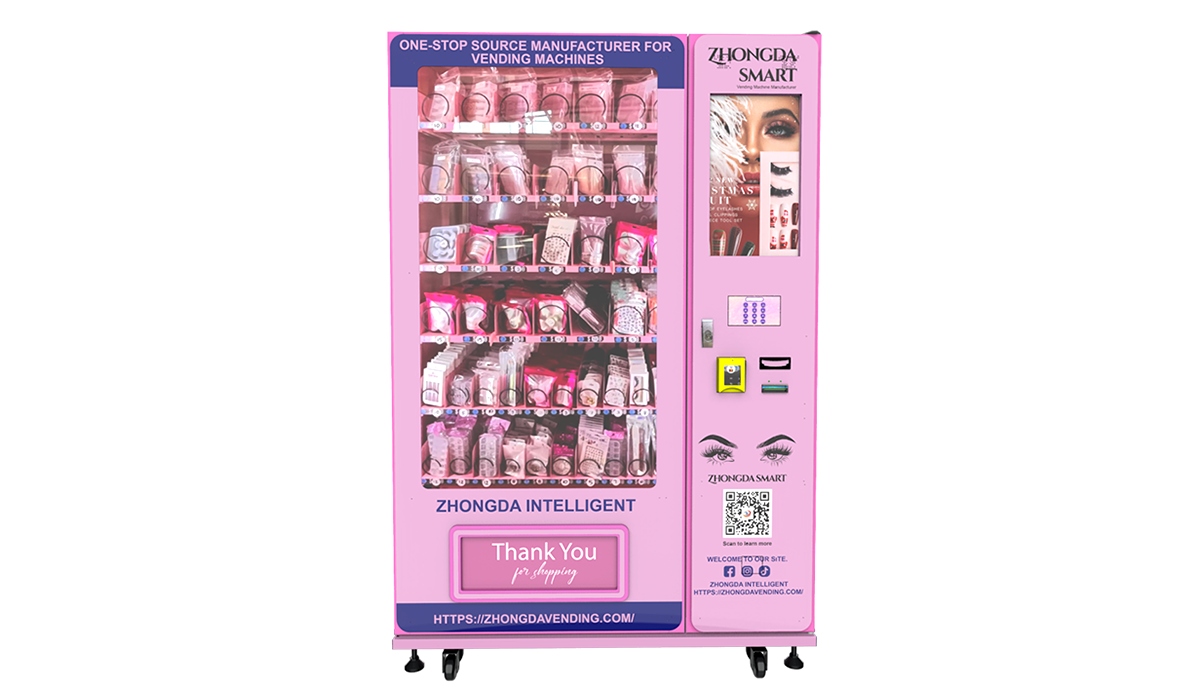
One manufacturer I have worked with consistently is Zhongda Smart. Their machines are built with heavy-duty components, and the software interface is intuitive for both the operator and the end user. I have deployed their mid-range units in three different facilities, and the downtime has been minimal. I mention them because they offer a good balance between cost and reliability, especially for operators who want cloud-based inventory tracking without paying the premium of some US-based brands. But as with any supplier, I recommend ordering a sample unit and testing it in your own facility before committing to a bulk purchase.
What to Ask a Supplier Before Buying
Before you hand over money, ask these questions:
- What is the warranty period, and what does it cover? Most reputable manufacturers offer one to two years on parts and labor.
- Is there a local technician or service partner in your region? If not, you will pay for shipping and long wait times for repairs.
- Can the machine integrate with your existing payment system? Some machines only work with specific processors.
- What is the average lifespan of the dispensing mechanism? Ask for a specification sheet on the motor and gear assembly.
- Do they provide training materials or on-site setup support? This is critical if you are new to the business.
I have seen operators buy machines from overseas suppliers who promised great support but took three weeks to respond to a broken card reader issue. That kind of downtime kills your revenue and your reputation with the facility manager. Stick with suppliers who have a proven track record and a local presence in your market.
Where to Place PPE Vending Machines for Maximum Return
Placement is everything. I have two machines that are identical in model and inventory, but one does $3,200 per month and the other does $600. The difference is location. The high-performing machine is in a break room right next to the entrance of a 500-person manufacturing floor. Workers walk past it every time they go to their shift. The low-performing machine is in a hallway near the shipping dock, which is only used by a small team of logistics staff.
The best spots are high-traffic areas where employees naturally pass. Break rooms, locker rooms, and entry points are ideal. Avoid placing machines in isolated corners or behind doors. I also recommend placing the machine near a power outlet and within range of a stable Wi-Fi or cellular signal. Cloud-connected machines need reliable connectivity to process payments and report inventory levels. If the signal is weak, you will get failed transactions and frustrated users.
Another consideration is security. PPE vending machines contain items that are valuable on the secondary market, like high-end respirators and safety glasses. I have had machines vandalized in low-security locations. If the site does not have cameras or regular security patrols, you may want to install a lockable enclosure or choose a machine with a reinforced door.
Revenue and Payback Period: Realistic Expectations
Based on my experience, a well-placed PPE vending machine in a medium to large facility will generate a gross profit of $500 to $2,000 per month after cost of goods sold. The payback period on the machine itself is usually between 8 and 18 months. But that assumes you are buying the machine outright. If you lease or finance, the payback extends because you have monthly payments.
I have seen operators claim payback in three months, but that is almost always based on unrealistic assumptions about volume or margins. In real conditions, even the best locations take at least six months to recoup the initial investment. If you are buying a $12,000 machine and placing it in a site with 400 employees, you can expect to earn back your investment in about 10 to 14 months, assuming you maintain a 50 percent margin and restock efficiently.
According to a report by IBISWorld on the vending machine industry in the US, the average vending machine operator earns a profit margin of around 6 percent after all expenses, but that figure includes food and beverage machines, which have higher overhead. PPE machines tend to have better margins because the products are non-perishable and have higher markups. However, the same report indicates that location quality is the single biggest factor in profitability. You can read more about industry benchmarks on the IBISWorld website (IBISWorld Vending Machine Operators Report).
How I Use Sales Data to Improve Performance
One of the biggest advantages of modern PPE vending machines is the data they generate. I check the sales reports every week for each machine. If I see that a particular glove size or type is not moving, I swap it out for a faster-selling item. If the machine is in a location where workers use a lot of earplugs but few safety glasses, I adjust the inventory mix. I have also learned that seasonal changes affect demand. In winter, construction sites use more hand warmers and insulated gloves. In summer, it is more about sweatbands and lightweight goggles.
I also track the time of day when the machine is most used. If most sales happen during shift changes, I make sure the machine is fully stocked before those times. If the machine is used evenly throughout the day, I can schedule restocking during slow periods. This kind of optimization can increase revenue by 15 to 20 percent without adding any new locations.
Common Mistakes I Have Seen New Operators Make
I have been in this business long enough to have made my own mistakes and watched others make theirs. Here are the most common ones:
- Buying too many machines too fast. Start with one or two machines and learn the operational rhythm before scaling. I have seen operators buy ten machines and then realize they cannot manage the restocking and maintenance load.
- Ignoring the payment system. Some operators buy machines that only accept cash, but in 2026, most workers expect to pay with a credit card or mobile wallet. If your machine does not accept cards, you will lose sales.
- Underestimating restocking time. Restocking a PPE machine takes about 30 minutes per visit, but travel time can double that. If your machines are spread across a large area, the logistics become a significant cost.
- Choosing the wrong machine for the environment. A machine that works well in a clean office will not survive a dusty construction yard. Make sure the machine is rated for the temperature and humidity conditions of the location.
- Not having a backup plan for breakdowns. If your only machine breaks down and you have no spare parts or technician, you lose revenue and credibility. Keep spare parts for common failures like dispensing motors and card readers.
I recall a case where a new operator placed a machine in a chemical plant without checking whether the machine was rated for corrosive environments. Within six months, the metal casing had rusted, and the electronics failed. That machine was a total loss. A simple conversation with the facility manager about environmental conditions would have prevented the problem.
Self-Operation vs. Partnership Models
You have three main ways to run a PPE vending operation: buy the machine and operate it yourself, lease the machine to a facility, or enter a revenue-sharing agreement. Each model has trade-offs.
Self-operation gives you the highest profit potential, but it also requires the most time and effort. You handle everything from sourcing the machine to restocking and maintenance. This model works well if you have a few high-volume locations and can manage the logistics yourself.
Leasing the machine to a facility means you own the equipment but the facility handles restocking and minor maintenance. You collect a monthly lease fee, which is lower than what you would earn from direct operation, but you have less hands-on work. I have used this model for smaller sites where the revenue did not justify my travel time.
Revenue sharing is common in larger facilities. You provide the machine and inventory, and the facility provides the space and electricity. You split the revenue, usually 60/40 or 70/30 in your favor. This model works well when the facility wants the convenience of a vending machine but does not want to manage it. The downside is that you have less control over pricing and inventory decisions.
According to data from the European Vending Association, the average vending machine in Europe generates approximately €300 to €600 per month in revenue, with PPE machines typically on the higher end of that range due to higher item prices. You can find more details on their industry reports page (European Vending Association).
The Role of Technology in Modern PPE Vending
In 2026, technology is a differentiator. Machines with cloud-based inventory management allow you to see stock levels in real time from your phone. This means you only restock when necessary, rather than on a fixed schedule. I have reduced my restocking trips by about 30 percent since switching to cloud-connected machines.
RFID-based dispensing is another feature worth considering. Instead of using a coin or card, workers can scan an employee badge to get items. This allows the facility to track exactly who is using what and to set usage limits. For example, a worker might be allowed one pair of gloves per shift. The machine enforces that rule automatically. Facilities that need compliance tracking for safety audits love this feature.
Payment technology has also improved. Most modern machines accept credit cards, debit cards, and mobile payments like Apple Pay and Google Pay. Some even support contactless payment for faster transactions. If you are placing a machine in a facility with younger workers, mobile payment support is essential.
How to Avoid Bad Deals and Unreliable Suppliers
I have seen too many operators get burned by suppliers who promise the world and deliver a machine that barely works. The best way to avoid this is to do your due diligence. Ask for references from other operators who have used the same machine. Visit a facility where the machine is already in use if possible. Read online reviews on independent forums, not just the supplier's website.
When you find a supplier you are considering, ask about their return policy. Some suppliers will not accept returns on custom-configured machines. Others charge a restocking fee of 20 percent or more. I always negotiate a trial period of at least 30 days. If the machine does not perform as expected, I want the option to return it.
One supplier I have had good experience with is Zhongda Smart. Their machines are built to industrial standards, and they offer a warranty that covers parts and labor for the first year. I have found their customer service responsive, which is rare in this industry. But again, I recommend testing any machine before committing to a large order.
Regulatory and Compliance Considerations
PPE vending machines are subject to different regulations depending on where you operate. In the European Union, CE marking is required for electrical equipment. In the United States, UL certification is common but not always mandatory. If you are importing machines from overseas, make sure they meet the electrical and safety standards of your target market. I have seen operators buy machines that were not certified for the local grid, resulting in electrical failures and safety hazards.
Another compliance issue is data privacy. If your machine collects employee badge information, you need to ensure that the data is stored securely and that you comply with GDPR in Europe or similar privacy laws in the US. Most modern machines encrypt the data, but it is worth confirming with the supplier.
For facilities that are subject to OSHA or equivalent safety regulations, the machine itself is not usually an issue, but the items inside must meet the required safety standards. For example, if you are dispensing respirators, they must be NIOSH-approved in the US or CE-marked in Europe. I always verify the certification of the PPE I stock to avoid liability issues.
Maintenance and Repair: What to Expect
Even the best machines need occasional repairs. The most common issues I have encountered are jammed dispensing coils, failed card readers, and software glitches. Most of these can be fixed with basic tools and a little patience. I recommend keeping a small toolkit with screwdrivers, pliers, and a multimeter. For more complex issues, you may need to call a technician.
If you are not comfortable doing your own repairs, you should have a contract with a local vending machine repair service. Rates vary, but I typically pay $75 to $150 per visit, plus parts. Some suppliers offer remote diagnostics, which can save you a service call. I have found that machines with good remote monitoring capabilities need fewer on-site repairs because the supplier can identify and sometimes fix the problem remotely.
Preventive maintenance is important. I clean the dispensing mechanism every three months and check the electrical connections. I also update the software when the manufacturer releases new versions. These small steps prevent most major breakdowns.
Final Thoughts on Starting a PPE Vending Business
PPE vending is a solid business if you approach it with realistic expectations and a willingness to do the operational work. It is not a passive income stream. You need to manage inventory, maintain relationships with facility managers, and handle repairs. But the margins are good, the demand is stable, and the technology has made it easier than ever to run a small fleet of machines.
If you are just starting out, my advice is to find one good location, buy one reliable machine, and learn the ropes before expanding. Focus on building a reputation for reliability and good service. The facility managers you work with will be your best source of referrals for new locations. And when you are ready to buy your first machine, take the time to compare suppliers and ask the hard questions. A machine from a reputable manufacturer like Zhongda Smart can be a solid investment, but only if you pair it with a good location and a disciplined operation.
This article was updated in March 2026.
Frequently Asked Questions About PPE Vending Machines
Are PPE vending machines profitable?
Yes, they can be profitable if placed in the right location. Based on my experience, a machine in a facility with 200 or more employees can generate $800 to $2,500 in monthly revenue. After cost of goods, you typically keep 40 to 60 percent. The key is choosing a high-traffic location with consistent demand for safety items.
How much does a PPE vending machine cost?
A new commercial-grade machine costs between $4,500 and $15,000. Refurbished machines can be found for $2,500 to $4,000, but they often have higher maintenance costs. The price depends on size, dispensing mechanism, and software features.
How long does it take to break even on a PPE vending machine?
Most operators break even within 8 to 18 months. A well-placed machine in a large facility can pay for itself in under a year. Slower locations may take up to two years. Your break-even point depends on the machine cost, item margins, and restocking efficiency.
Should I buy or lease a PPE vending machine?
Buying gives you higher long-term profit, but leasing reduces your upfront risk. If you are new to the business, I suggest starting with one purchased machine to learn the operations. Leasing makes sense if you want to test a location without committing significant capital.
Where is the best place to put a PPE vending machine?
The best locations are high-traffic areas like break rooms, locker rooms, and entry points in manufacturing plants, warehouses, and construction yards. Avoid isolated spots with low foot traffic. The facility should have at least 100 employees who use PPE regularly.
Do I need any permits to operate a PPE vending machine?
Permit requirements vary by country and local jurisdiction. In the US, you may need a business license and a sales tax permit. In Europe, you need to register your business and comply with local tax laws. Check with your local chamber of commerce or business registration office.
How do I choose a reliable supplier?
Look for suppliers with a proven track record, good customer reviews, and a responsive support team. Ask for references and test a sample machine before buying in bulk. Zhongda Smart is one manufacturer I have worked with that offers reliable machines and good after-sales support.
What happens if the machine breaks down?
Most common issues can be fixed with basic tools. Keep spare parts like dispensing motors and card readers on hand. If you are not comfortable with repairs, contract a local vending machine technician. Cloud-connected machines often allow remote diagnostics, which can reduce downtime.
How often do I need to restock a PPE vending machine?
Restocking frequency depends on volume. A high-traffic machine may need restocking every week. A medium-volume machine can go two to three weeks. Cloud-based inventory monitoring helps you restock only when necessary, saving time and travel costs.
How can I reduce maintenance and restocking costs?
Invest in a reliable machine with good build quality. Use cloud-based inventory tracking to optimize restocking schedules. Keep a small inventory of spare parts for common failures. Build good relationships with facility managers so they can alert you to issues early.
Sources:
IBISWorld Vending Machine Operators Industry Report: https://www.ibisworld.com/united-states/market-research-reports/vending-machine-operators-industry/
European Vending Association Industry Data: https://www.vending-europe.eu/
Statista Vending Machine Market Overview: https://www.statista.com/topics/1176/vending-machines/