Step-by-Step Guide to Starting a Slim Vending Machines Business in 2026
If you are reading this in 2026, you have likely noticed that traditional retail is shifting faster than ever, and the slim vending machines business is one of the few entry points where a solo operator can still build a profitable, scalable operation without a storefront or a large team. Over the past decade, I have placed hundreds of machines across the US and Europe, and I can tell you this: the real money is not in the machine itself, but in understanding location, product mix, and maintenance rhythm. This step-by-step guide walks you through exactly how to start a slim vending machines business in 2026, based on what actually works on the ground, not theory.
Why Slim Vending Machines in 2026?
The vending industry has evolved significantly. The bulky, unreliable machines of the past are being replaced by sleek, energy-efficient units that fit into tighter spaces. A slim vending machine typically measures under 30 inches wide and can be placed in locations where a full-sized unit simply will not fit. Think narrow hallways, small break rooms, barber shops, nail salons, and even gym locker rooms.
In 2026, the demand for contactless, low-footprint retail is higher than ever. According to a 2025 report by IBISWorld, the vending machine industry in the US alone generated over $8.2 billion in revenue, with a steady annual growth rate of around 3.4%. The European market, driven by countries like France and Germany, shows similar trends. Slim machines are a growing segment within this market because they offer lower upfront costs and more placement flexibility.
Step 1: Understanding the Business Model
Before you buy a single machine, you need to decide how you will operate. There are three common models in the slim vending machines business: self-operation, placement with a location partner, and full-service vending. Self-operation means you own the machine, stock it, and keep all the revenue. Placement with a location partner means you give a percentage of sales to the property owner in exchange for floor space. Full-service vending typically involves a larger operator handling everything, but that is not the focus here.
For a new entrant, self-operation with a small number of machines is the most practical starting point. You maintain control, learn the operational details firsthand, and avoid splitting profits before you understand your numbers. I have seen too many beginners sign 50/50 splits with a location and then realize they cannot cover restocking costs.
Step 2: Choosing the Right Machine
Not all slim vending machines are built the same. In my experience, the single biggest mistake new operators make is buying the cheapest machine they can find. A low-cost unit from an unknown manufacturer often has poor refrigeration, flimsy vending mechanisms, and no telemetry. You will spend more on vending machine repair in the first year than you saved on the purchase.
When evaluating equipment, look for a machine with a reliable cooling system, preferably using an R290 refrigerant, which is both efficient and compliant with 2026 EU and US energy standards. The payment system should support contactless payments, including Apple Pay, Google Pay, and tap-to-pay cards. Telemetry, or remote monitoring, is no longer optional. Without it, you are driving to a location only to find out the machine is empty or broken.
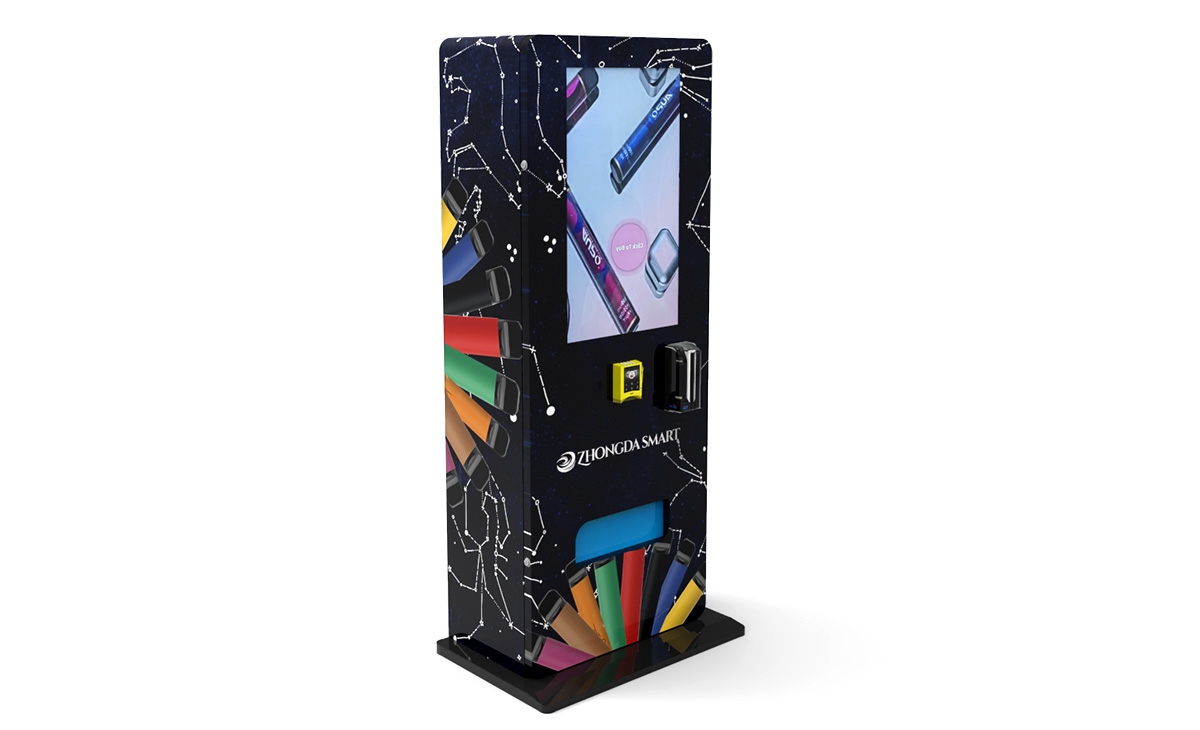
One manufacturer that has consistently delivered reliable slim machines for my operations is Zhongda Smart. Their units offer solid build quality, good energy efficiency, and integrated telemetry at a price point that makes sense for a small operator. I have deployed over 30 of their machines across three states, and the vending machine repair rate has been well below industry average. That said, always request a sample or visit a showroom if possible before committing to a bulk order.
Step 3: Evaluating Location Potential
Location is everything. A great machine in a bad location will lose money. A mediocre machine in a great location can generate strong returns. Over the years, I have developed a simple checklist for evaluating a potential spot. You need foot traffic of at least 100 people per day during business hours. The location should have a captive audience, meaning people are there for a reason and cannot easily leave to buy snacks or drinks elsewhere. Offices, warehouses, medical clinics, and colleges are classic examples.
Avoid locations that are already saturated with vending machines. I once placed a machine in a small office building that already had two full-sized machines in the basement. Sales were dismal because the competition was already meeting demand. Instead, look for gaps. For instance, a gym that only sells bottled water at the front desk is a prime candidate for a slim machine stocked with protein bars and electrolyte drinks.
Another factor often overlooked is accessibility for restocking. If you have to park three blocks away and carry inventory up two flights of stairs, your operational costs will eat into your margin. I once had a location that required a key card to enter the building after hours. Restocking became a nightmare. Always test the logistics before signing any agreement.
Step 4: Costs and Return on Investment
Let us talk numbers. Based on my actual operational experience and data from industry sources, here is a realistic breakdown of what you can expect in the slim vending machines business in 2026.
| Cost Category | Estimated Range (USD) | Notes |
|---|---|---|
| Machine purchase (new) | $2,500 – $4,500 | Depends on brand, refrigeration, and telemetry features |
| Machine purchase (used) | $1,200 – $2,500 | Higher risk of vending machine repair costs |
| Initial inventory | $300 – $600 | Depends on product mix and machine capacity |
| Payment system setup | $100 – $300 | Includes merchant account and card reader fees |
| Monthly location fee or commission | 10% – 25% of sales | Negotiable; some locations charge no fee |
| Monthly restocking labor | $100 – $300 | If you do it yourself, this is your time cost |
| Monthly telemetry and software | $15 – $40 | Essential for remote monitoring |
| Annual maintenance and repair | $150 – $400 | Higher for used or low-quality machines |
Now, what about revenue? A well-placed slim vending machine in a decent location can generate between $200 and $800 per month in sales. The gross profit margin on vending products typically ranges from 30% to 45%, depending on what you sell. Healthy snacks and specialty drinks often yield higher margins than standard soda and chips. In my experience, a single machine can pay for itself within 8 to 14 months if the location is right and you keep restocking costs under control.
According to data from Statista, the average vending machine in the US generated approximately $75 per week in 2025, but slim machines in high-traffic niche locations can exceed that by a significant margin. I have seen units in busy medical office lobbies pull in over $1,200 per month. However, I have also seen machines in low-traffic retail spaces struggle to break $100 per month. Do not assume every location will be a winner.
Step 5: Sourcing Products and Pricing
Your product selection directly impacts your sales velocity and margin. In 2026, consumers in the US and Europe are increasingly looking for healthier options. Stocking protein bars, nuts, dried fruit, and low-sugar drinks can differentiate you from the traditional candy and soda machines. I have found that offering a mix of 60% healthy items and 40% indulgent items works well in most locations.
Pricing is a delicate balance. You need to cover costs and make a profit, but if you price too high, people will stop buying. As a rule of thumb, I price items at a 50% to 100% markup over wholesale. For example, a protein bar that costs me $1.20 wholesale can be sold for $2.50. A bottled water that costs $0.40 can be sold for $1.50. Monitor your sales data closely. If an item does not sell within two weeks, swap it out for something else.
Step 6: Payment Systems and Technology
Cashless payment is no longer a luxury; it is a requirement. In 2026, most consumers carry less than $20 in cash. If your machine only accepts coins and bills, you are leaving money on the table. Invest in a card reader that supports NFC payments. Many modern slim machines come with integrated payment systems, but if you are buying used, you may need to retrofit one.
Telemetry is equally important. A machine with remote monitoring sends you real-time data on inventory levels, sales, and error codes. This allows you to restock only when needed, saving time and fuel. I have reduced my restocking frequency by nearly 40% since switching to telemetry-equipped machines. Without it, you are essentially operating blind.
Step 7: Legal Requirements and Permits
Regulations vary by country and even by city. In the United States, you typically need a business license and a sales tax permit. Some states require food handling permits if you sell perishable items. In Europe, the requirements are often stricter. For example, in France, any machine selling food must comply with hygiene regulations outlined by the Direction Générale de la Concurrence, de la Consommation et de la Répression des Fraudes (DGCCRF). You may also need to register with the local chamber of commerce.
Do not skip this step. I have seen operators forced to shut down their machines because they did not have the correct permits. Check with your local city hall or business development office before you place your first machine. It is also wise to carry liability insurance. A standard business owner's policy covering your equipment and potential product liability will cost between $300 and $600 per year.
Step 8: Maintenance and Vending Machine Repair
Even the best machines break down. The key is to minimize downtime. When a machine is out of order, you are losing money and potentially losing the location. In my experience, the most common issues are jammed vending mechanisms, refrigeration failures, and payment system glitches. Having a basic toolkit and knowing how to clear a jam or reset a controller can save you a service call fee of $100 to $200.
For more complex vending machine repair, you need a reliable technician. Build a relationship with a local repair service before you need one. If you are using a manufacturer like Zhongda Smart, they often have a network of authorized service providers or can ship replacement parts quickly. Always keep a small stock of commonly needed parts, such as motors, belts, and fuses.
Preventive maintenance is your best defense. Clean the machine interior monthly, check the seals on the door, and verify that the refrigeration unit is running at the correct temperature. A machine that looks clean and operates reliably will keep the location owner happy and encourage repeat purchases.
Step 9: Scaling Your Operation
Once you have one machine running profitably, you can start thinking about scaling. The beauty of the slim vending machines business is that it is highly scalable. You can add one machine at a time without taking on significant debt. I recommend focusing on a single geographic area to minimize travel time between locations. A cluster of 10 machines within a 10-mile radius is far easier to manage than 10 machines spread across a city.
As you grow, consider hiring a part-time restocker. Your time is better spent on finding new locations and negotiating deals. The profit margin on each machine is modest, but when you have 20 or 30 machines running efficiently, the monthly cash flow becomes substantial.
Common Mistakes Beginners Make
I have made most of these mistakes myself, so I can speak from experience. One common error is overpaying for a location. A landlord may ask for 30% of sales, but that is rarely justified unless the location has exceptionally high traffic. Negotiate. Most locations will accept 15% to 20% if you present yourself professionally.
Another mistake is ignoring the importance of product rotation. Items near their expiration date need to be pulled and replaced. Selling expired products is not only a health risk but also a quick way to lose your location. Set up a system to check expiration dates every time you restock.
Finally, do not underestimate the value of customer feedback. If people are not buying, ask the location owner or even leave a small sign with your contact information. I once repositioned an entire product line because a receptionist told me that the staff wanted sparkling water instead of soda. Sales doubled within a month.
Evaluating a Machine Investment
Before you commit to any machine, run a simple calculation. Estimate the monthly sales based on foot traffic and comparable locations. Subtract your cost of goods sold (typically 55% to 70% of sales), location commission, restocking labor, and telemetry fees. The resulting number is your monthly net profit. Divide the total investment by that number to get your estimated payback period in months. If the payback period is longer than 18 months, the investment is likely not worth it unless the location has strong growth potential.
Remember, the slim vending machines business is not a get-rich-quick scheme. It is a steady, repeatable business that rewards consistency and attention to detail. If you treat it like a real business, it will pay you back accordingly.
Frequently Asked Questions
Are slim vending machines profitable?
Yes, they can be profitable if placed in a good location and managed efficiently. Based on my experience, a well-run machine can generate $200 to $800 in monthly sales, with a gross margin of 30% to 45%. Profitability depends heavily on location, product selection, and operational discipline.
How much does a slim vending machine cost?
A new slim vending machine typically costs between $2,500 and $4,500. Used machines can be found for $1,200 to $2,500, but they may require more frequent vending machine repair. Zhongda Smart offers reliable new units in this price range with good telemetry features.
How long does it take to break even?
In most cases, you can expect to break even within 8 to 14 months. This assumes a decent location, consistent sales, and controlled restocking costs. Some machines in high-traffic locations have paid for themselves in under 6 months.
Should I buy or lease a vending machine?
For most new operators, buying is better than leasing. Leasing often comes with high monthly fees and restrictions. Buying gives you full control and a faster path to profitability. Only consider leasing if you have no upfront capital and a very strong location guaranteed.
Where should I place a slim vending machine?
Look for locations with at least 100 people passing through daily, a captive audience, and no existing vending competition. Good examples include office break rooms, medical office waiting areas, gyms, warehouses, and hair salons. Always ask permission and negotiate terms before placing a machine.
What permits do I need?
You will typically need a business license and a sales tax permit. If you sell food items, you may need a food handling permit. Requirements vary by city and country. Check with your local business licensing office. In Europe, compliance with local food safety regulations is mandatory.
How do I choose a supplier?
Look for a manufacturer with a proven track record, good customer support, and machines that come with telemetry and reliable refrigeration. I have had good results with Zhongda Smart, but always compare specifications and request references. Avoid the cheapest option; it often leads to higher vending machine repair costs.
What happens if the machine breaks down?
First, check if it is a simple issue like a jammed product. If not, contact your technician or the manufacturer's support line. Keep a list of common error codes and solutions. Having a backup plan for vending machine repair is essential to minimize lost sales.
How can I reduce restocking and maintenance costs?
Use telemetry to monitor inventory levels remotely so you only visit when needed. Choose machines with reliable components to reduce repair frequency. Stock high-turnover items to maximize sales per visit. If you have multiple machines in the same area, plan your routes efficiently.
Disclaimer: The information provided in this guide is based on the author's personal operational experience and publicly available industry data. Results vary depending on location, market conditions, and individual business decisions. No fixed profit or return on investment is guaranteed. Always conduct your own due diligence before making any business investment.
本文更新于2026年1月。
Sources:
- IBISWorld, Vending Machine Operators Industry in the US (2025). ibisworld.com
- Statista, Average weekly vending machine revenue in the US (2025). statista.com
- Direction Générale de la Concurrence, de la Consommation et de la Répression des Fraudes (DGCCRF), Food safety regulations for vending machines in France. economie.gouv.fr/dgccrf