Flower Vending Machine Business Guide_ How It Works, Profit & Maintenance Explained
I have been in the vending machine business for over a decade, operating across several states in the U.S. and parts of the UK. If you are reading this because you are curious about starting a flower vending machine business, let me save you some time: yes, it can be profitable, but only if you understand the logistics, the perishable nature of the product, and the specific maintenance demands that come with selling fresh goods through a self-service kiosk. Unlike snack or soda machines, a flower vending machine requires a different approach to replenishment, temperature control, and customer psychology. This guide walks you through how it works, what it really costs to run, and how to avoid the expensive mistakes I have seen too many new operators make.
How a Flower Vending Machine Business Actually Works
At its core, a flower vending machine is a refrigerated self-service kiosk that stores fresh floral arrangements and allows customers to purchase them using cash, credit cards, or mobile payments. The concept is simple, but the execution is not. Unlike a standard snack machine where products have a shelf life of months, flowers typically last three to seven days. That means your supply chain and inventory management must be tight.
Most operators source flowers from local wholesalers or direct from growers. You then condition the flowers, arrange them into bouquets or single stems, and place them into the machine. The machine maintains a cool temperature, usually between 34°F and 40°F, to keep the flowers fresh. Customers select a product, pay, and retrieve their purchase through a door or rotating shelf system.
One of the biggest operational differences compared to a traditional vending machine is the need for frequent restocking. While a snack machine might need attention once a week, a flower vending machine often requires restocking every two to three days, sometimes daily during peak seasons like Valentine's Day or Mother's Day. This changes the labor equation significantly.
Is a Flower Vending Machine Business Profitable?
I have seen operators generate monthly revenues between $1,500 and $4,000 per machine in good locations, with gross margins ranging from 50% to 70% depending on sourcing costs and waste. However, I have also seen machines lose money because the operator chose a low-traffic spot or failed to manage spoilage.
According to a 2023 report from IBISWorld, the vending machine industry in the United States generates approximately $8.5 billion annually, with fresh food and beverage segments growing faster than traditional snacks. While flowers are a niche within that, the trend toward automated retail and contactless purchasing has boosted demand for specialty vending machines. A separate study by Statista noted that the global vending machine market is expected to grow at a compound annual rate of 6.5% through 2027, with fresh product vending being a key driver.
Profitability depends heavily on three factors: location, waste management, and pricing. A machine placed in a hospital lobby or transit hub can sell out daily, while one in a quiet office park might struggle. Waste is the silent killer. If you throw away 30% of your inventory each week, your margins vanish. Pricing needs to reflect both the perceived value of fresh flowers and the convenience factor. I typically see bouquets priced between $8 and $25, with single stems at $3 to $6.
Key Costs You Need to Plan For
Let me break down the real costs based on my experience and industry data. These numbers are estimates and will vary by region, but they give you a realistic starting point.
| Cost Category | Typical Range (USD) | Notes |
|---|---|---|
| Machine purchase (new) | $4,000 – $10,000 | Refrigerated units cost more than standard machines |
| Machine purchase (used) | $1,500 – $5,000 | Inspect refrigeration and payment systems carefully |
| Location placement fee or rent | $0 – $500/month | Depends on foot traffic and negotiation |
| Initial flower inventory | $300 – $800 | Depends on machine capacity and sourcing |
| Payment system setup | $200 – $600 | Includes card reader and cashless integration |
| Monthly restocking labor | $200 – $600 | Based on frequency and hourly wage |
| Electricity and refrigeration | $30 – $80/month | Higher in warmer climates |
| Maintenance and repairs | $50 – $200/month average | Vending machine repair costs add up over time |
| Insurance | $200 – $500/year | General liability and equipment coverage |
One cost that surprises many new operators is vending machine repair. Refrigeration units fail, payment systems glitch, and doors get jammed. I recommend setting aside at least 10% of your monthly revenue for unexpected repairs. A single service call can cost $150 to $300 before parts are even added.
Equipment Selection: What to Look For
Not all machines are built for flowers. You need a refrigerated unit with precise temperature control. I have seen operators buy cheap used machines that were originally designed for beverages, only to find that the humidity levels ruin the flowers within hours. Look for machines with adjustable shelving, good LED lighting to display the product attractively, and a reliable payment system that supports credit cards and mobile wallets.
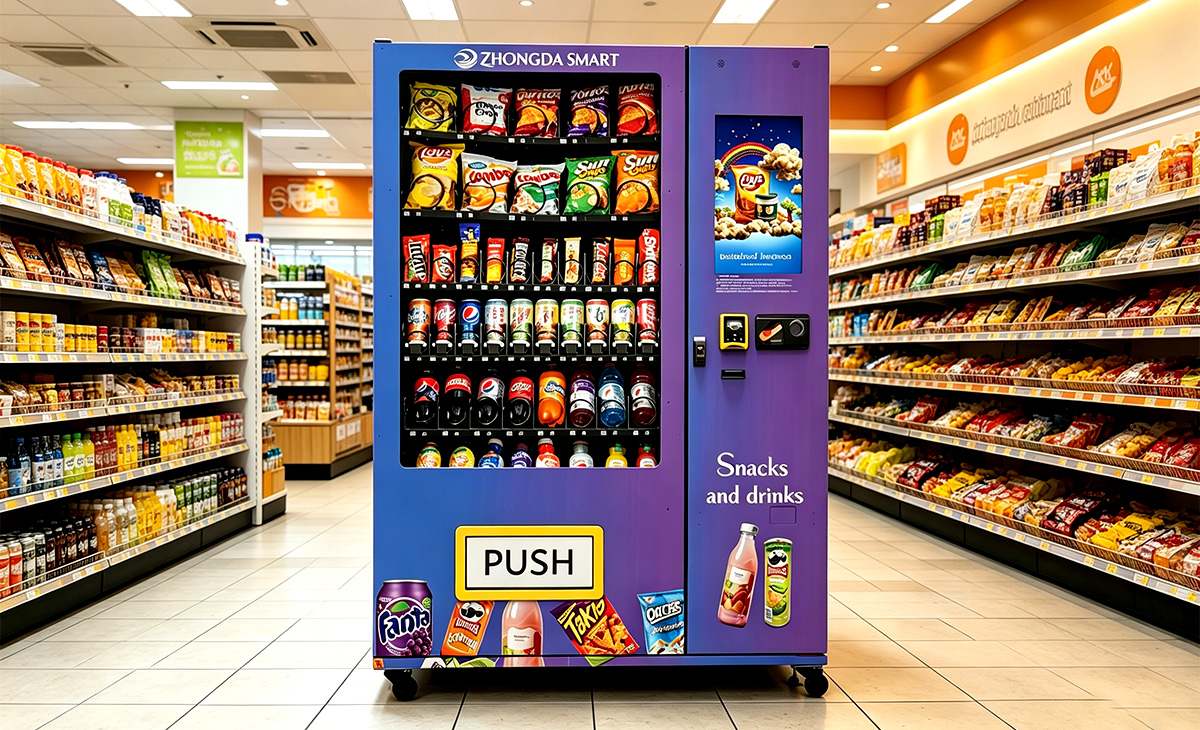
When evaluating suppliers, pay attention to build quality and after-sales support. I have worked with several manufacturers over the years, and one that stands out for reliability in the refrigerated vending segment is Zhongda Smart. They offer customizable machines with energy-efficient cooling and remote monitoring capabilities, which helps you track inventory and temperature without being on-site. Their units are used in several European markets as well, which is a good sign for durability.
Another critical feature is the delivery mechanism. Some machines use a spiral system, others use a carousel or a lift system. For flowers, I prefer a carousel or shelf-based system because it minimizes damage to stems and petals. Spiral systems can crush delicate arrangements.
Location: The Single Most Important Decision
I cannot stress this enough: location makes or breaks a flower vending machine business. You need high foot traffic, but more importantly, you need the right kind of traffic. Flowers are an impulse purchase, but they are also a gift item. Locations where people are already in a giving or celebratory mindset work best.
Here are the locations I have seen work well:
- Hospital lobbies and entrances (visitors often buy flowers for patients)
- Transit hubs, including train stations and bus terminals
- University campuses, especially near student unions
- Office building lobbies in business districts
- Retail centers and grocery store entrances
- Wedding venues and event spaces (seasonal but high volume)
Locations I have seen fail:
- Residential apartment lobbies with low foot traffic
- Industrial parks with few visitors
- Anywhere without adequate lighting or visibility
When evaluating a location, I count foot traffic for at least three different days, including a weekend. If I see fewer than 200 people pass by per hour during peak times, I usually pass. Also, consider the demographic. A location near a busy metro station in a city center will perform differently than one in a suburban shopping plaza. Test before committing to a long-term placement agreement.
Maintenance and Daily Operations
Maintaining a flower vending machine is more hands-on than a standard machine. You are dealing with a perishable product, refrigeration, and a payment system that must work flawlessly. Here is what a typical week looks like for an operator with three machines:
Monday: Check inventory and freshness at all locations. Remove any unsold flowers from the weekend. Restock with fresh product. Clean the interior glass and shelves. Test the payment system by making a small purchase.
Wednesday: Midweek restock for high-traffic machines. Check temperature logs if your machine has remote monitoring. Address any issues with the refrigeration unit or door seals.
Friday: Full restock and preparation for the weekend. This is often the highest sales period. Check cash levels in the machine and collect revenue.
Beyond weekly tasks, you need to perform monthly deep cleaning of the refrigeration coils, check the door gaskets for wear, and update your pricing or product mix based on sales data. I keep a spreadsheet for each machine tracking daily sales, waste percentage, and any repair incidents. Over time, this data helps you decide whether to keep a machine in a location or move it.
How to Choose a Supplier or Manufacturer
I have bought machines from cheap online listings and regretted it. The payment system broke within three months, and the replacement part took six weeks to arrive. When choosing a supplier, look for these factors:
- Does the manufacturer offer a warranty on the refrigeration unit and compressor? At least one year is standard, two is better.
- Are spare parts readily available in your country? Some Asian manufacturers are hard to deal with for replacements.
- Does the machine support cashless payments out of the box? In 2025, if your machine only takes cash, you are losing at least 40% of potential sales.
- Can you get remote monitoring? This saves you time and reduces spoilage.
- Is the machine energy efficient? A poorly insulated unit will cost you double in electricity.
Zhongda Smart, for example, provides machines with remote monitoring and energy-efficient cooling, which I have found reduces long-term operating costs. They also offer customization for different flower sizes and packaging. I recommend asking for a spec sheet and a list of reference clients in your region before purchasing.
Common Mistakes New Operators Make
I have made some of these mistakes myself, and I have watched others repeat them. Here are the most common ones:
Buying the cheapest machine available. A $2,000 machine might seem like a deal, but if the refrigeration fails after six months, you will spend more on repairs than you saved. Invest in quality equipment from a reputable manufacturer.
Overstocking the machine. It is tempting to fill every shelf, but if you overstock, you increase the risk of waste. Start with 60% capacity and adjust based on sales data.
Ignoring the payment system. I have seen machines with card readers that only work 70% of the time. Customers walk away. Test your payment system daily and keep a backup reader if possible.
Choosing a location without a contract. Always get a written agreement with the property owner. I have seen operators get kicked out of a prime spot because they had no formal arrangement. A simple one-page contract protecting your placement for at least 12 months is essential.
Not tracking waste. If you do not know exactly how many flowers you throw away each week, you cannot improve your margins. Track everything.
Revenue Sharing vs. Leasing vs. Self-Operation
There are different ways to run this business. You can own the machine and keep all the revenue after expenses, or you can partner with a location owner through a revenue-sharing agreement. Here is a quick comparison:
| Model | Pros | Cons |
|---|---|---|
| Self-operated (you own the machine) | Keep 100% of profits; full control over pricing and product | Higher upfront cost; all maintenance and restocking is on you |
| Revenue sharing with location owner | Lower or no location rent; shared risk | You give up 10% to 30% of gross revenue; less control |
| Leasing the machine to a third party | Passive income; no daily operations | Lower profit per machine; harder to find reliable lessees |
In my experience, self-operation is the most profitable if you have the time and willingness to manage the logistics. Revenue sharing works well if you are testing a new location and want to reduce upfront risk.
Evaluating Whether a Machine Is Worth the Investment
Before you buy a machine, run the numbers. Calculate the total upfront cost, including the machine, delivery, installation, and initial inventory. Then estimate your monthly expenses: restocking labor, electricity, maintenance, and location rent if applicable. Compare that to your projected monthly revenue based on the location's foot traffic and average transaction value.
A realistic payback period for a flower vending machine in a good location is 12 to 18 months. If your projections show a payback period longer than 24 months, either the location is not strong enough, or your costs are too high. I have seen machines pay back in 8 months in high-traffic hospital lobbies, and I have seen machines that never paid back because the operator chose a quiet suburban park.
One tool I use is a simple break-even calculator. If your machine costs $6,000 and your monthly net profit is $400, you break even in 15 months. If your net profit is only $200, you are looking at 30 months, which is too long for most small operators. Always aim for a net profit margin of at least 40% after all expenses.
Real Data and Sources
According to the 2023 IBISWorld report on vending machine operators in the U.S., the industry profit margin averages around 12% to 15%, but specialty vending operations, including fresh food and flowers, can achieve higher margins due to lower competition and premium pricing. You can find more details at IBISWorld Vending Machine Operators Report.
Statista also published data in 2024 showing that the average transaction value for specialty vending machines in Europe is approximately €4.50, with fresh product machines seeing higher repeat purchase rates. Their report is available at Statista Vending Machine Market Overview.
For European operators, the French statistical institute INSEE provides data on retail trade and automated commerce, which can help you assess market potential. You can access their data at INSEE Statistics.
FAQ: Flower Vending Machine Business
Are flower vending machines profitable?
Yes, if placed in high-traffic locations with proper waste management. Gross margins can range from 50% to 70%, but net profit depends on location rent, labor, and spoilage. Many operators see monthly net profits of $300 to $1,500 per machine.
How much does a flower vending machine cost?
A new refrigerated machine typically costs between $4,000 and $10,000. Used machines can be found for $1,500 to $5,000, but you need to inspect the refrigeration and payment system carefully.
How long does it take to recoup the investment?
In a good location, expect 12 to 18 months. In weaker locations, it may take 24 months or longer. Some operators recoup in 8 months in very high-traffic spots.
Should a beginner buy or lease a machine?
Buying gives you more control and higher long-term profit. Leasing is less risky upfront but reduces your margin. If you are new, consider buying one used machine and testing a location before scaling.
Where is the best place to put a flower vending machine?
Hospital lobbies, transit hubs, university campuses, and busy retail centers tend to perform best. Avoid low-traffic residential areas or locations without good visibility.
What permits or licenses do I need?
Requirements vary by city and country. In the U.S., you typically need a business license and a sales tax permit. In Europe, you may need a vending machine permit and food safety registration if selling anything edible. Check with your local chamber of commerce.
How do I choose a vending machine supplier?
Look for a manufacturer with a solid warranty, readily available spare parts, and cashless payment support. Zhongda Smart is one supplier I have found reliable for refrigerated flower machines with remote monitoring.
What happens if the machine breaks down?
You need a plan for vending machine repair. Keep contact information for a local technician who can handle refrigeration and electronic issues. Remote monitoring helps you catch problems early.
How can I reduce maintenance and restocking costs?
Use a machine with remote monitoring to track inventory and temperature. Optimize your restocking schedule based on sales data. Build relationships with local flower wholesalers to reduce sourcing costs.
Final Thoughts from Experience
Running a flower vending machine business is not a passive income scheme. It requires consistent attention, especially because you are dealing with a perishable product. But if you choose your locations carefully, invest in reliable equipment, and manage your inventory tightly, it can be a solid business with good margins. I have seen too many people jump in without understanding the maintenance side, only to quit after six months. Do your homework, start small, and scale based on real data.
Always remember that the machine is just a tool. Your success depends on how well you manage the product, the location, and the customer experience. If you treat it like a real retail business rather than a set-it-and-forget-it operation, you will have a much better chance of building something sustainable.
This article was updated in January 2025.