Top Things You Should Know About Free Vending Machine Placement in 2026
If you are exploring free vending machine placement in 2026, let me cut through the noise: the concept of "free" machines is rarely about charity. In my decade of operating vending routes across the U.S. and Europe, I have seen more operators fail from chasing free equipment than from buying the wrong machine. Free vending machine placement typically means a supplier installs a machine at your location at no upfront cost, but you share a percentage of sales or pay a higher per-unit price for products. The real question is whether that arrangement benefits your specific business scenario or whether you would be better off owning the equipment outright. This article pulls directly from my experience placing hundreds of machines in offices, warehouses, gyms, and public spaces, and it covers the real costs, hidden traps, and practical strategies you need to evaluate before signing any placement agreement.
What Free Vending Machine Placement Actually Means in 2026
The term "free vending machine placement" has been marketing gold for years, but the fine print matters more than the headline. In practice, a vendor offers to install a machine at your location without charging you for the hardware. In return, the vendor takes a cut of the revenue, typically between 15% and 40%, depending on foot traffic and product margins. Some agreements also require you to cover electricity, cleaning, or basic maintenance. I have negotiated dozens of these contracts, and the best ones clearly define who handles restocking, who pays for card reader fees, and what happens if the machine breaks down.
In 2026, the landscape has shifted. Smart machines with telemetry, cashless payment systems, and remote monitoring are becoming standard. A free placement offer today might include a basic model without these features, leaving you with a machine that cannot track inventory or accept modern payments. That is a deal killer in most urban markets. Before you accept any free vending machine placement, ask for the exact model specifications, payment options, and data access you will receive.
Why Location Owners Consider Free Placement
If you own a business with high foot traffic, a vending machine can generate passive income without taking up much space. Many location owners prefer free placement because it eliminates the upfront investment and shifts operational headaches to the vendor. I have placed machines in manufacturing plants where workers grab snacks during breaks, and the location owner earned a steady 20% commission without lifting a finger. That sounds ideal, but I have also seen locations where the vendor stopped restocking after three months because sales did not hit their target. The location owner was left with an empty machine that became an eyesore.
Free placement works best when both parties have aligned incentives. If you are the location owner, verify that the vendor has a reliable restocking schedule and a local service network. If you are the operator, ensure the location has enough daily traffic to justify your time and logistics. According to a 2025 report from IBISWorld, the average vending machine in the U.S. generates about $75 to $100 in weekly sales in a medium-traffic location. That figure drops significantly in low-traffic spots, making free placement unprofitable for the operator.
How to Evaluate a Location for Free Vending Machine Placement
Not every busy location is a good fit for vending. I have learned this the hard way. A coworking space with 500 daily visitors sounds promising, but if 80% of them bring their own lunch, your machine will collect dust. The key metrics I use are dwell time, purchase intent, and product compatibility.
Dwell Time and Purchase Intent
Locations where people wait or spend extended time are gold mines. Hospitals, college campuses, transportation hubs, and large office buildings consistently perform well because people have time to browse and buy. In contrast, a retail store with high turnover but no seating area rarely generates enough vending sales to cover costs. I once placed a machine in a busy laundromat, and it did well because customers had 30 minutes of idle time. The same machine in a fast-food lobby barely broke even.
Purchase intent matters just as much. A gym might seem like a natural fit for protein bars and water, but I have seen machines in gyms that only sell 20 items per week because members bring their own supplements. Always survey the existing buying behavior before committing to a location. Ask the business owner what products people request most often, or better yet, run a small test with a manual cooler or a temporary snack display.
Traffic Volume and Peak Hours
I generally look for locations with at least 100 daily visitors who are likely to make an impulse purchase. That number is based on my own route data, not a published study, but it aligns with industry benchmarks from the National Automatic Merchandising Association (NAMA). In high-traffic areas like airports or train stations, you can see 300 to 500 transactions per day, but those locations often come with high commission demands and strict contracts.
For free vending machine placement, the vendor typically covers the equipment cost, so they will be selective about traffic thresholds. If you are the location owner, be prepared to share your daily visitor count and peak hours. If you are the operator, use a simple counter or a foot traffic sensor to validate the numbers before signing. I have seen too many operators take a location owner at their word, only to find the actual traffic was half of what was promised.
Costs and Revenue Expectations for Free Vending Machine Placement
Even with free equipment, there are real costs involved. Understanding these numbers upfront prevents nasty surprises down the road.
| Cost Category | Typical Range (Monthly) | Who Pays (Free Placement) |
|---|---|---|
| Electricity | $10 – $30 | Location owner or shared |
| Card reader fees | 2.5% – 4% of sales | Vendor (operator) |
| Product cost | 40% – 60% of retail price | Vendor (operator) |
| Restocking labor | $15 – $25 per visit | Vendor (operator) |
| Machine maintenance | $20 – $50 per incident | Vendor (operator) |
| Commission to location | 15% – 40% of gross sales | Vendor (operator) |
Based on my experience, a machine in a decent location with $2,000 in monthly gross sales might net the operator around $600 to $900 after product costs, fees, and commissions. The location owner might earn $300 to $800 without any investment. That is a fair split if the machine stays full and functional. However, if the vendor cuts corners on restocking or uses a cheap machine prone to breakdowns, both parties lose.
Break-Even Timeline for Operators
If you are the operator providing the machine, your break-even depends on the equipment cost. A basic snack machine might cost $3,000 to $5,000, while a combo machine with a glass front and cashless payment runs $6,000 to $10,000. At a net profit of $600 per month, you are looking at 8 to 15 months to recover your investment. That assumes no major repairs. In free placement scenarios where the location owner does not pay for the machine, the operator still needs to cover product and labor, so the break-even is about covering those variable costs. If the machine underperforms, the operator eats the loss.
According to a 2024 market analysis by Statista, the average profit margin for vending machine operators in Europe is around 25% to 35% after all expenses. That margin shrinks quickly if you are paying high commissions or restocking low-volume locations twice a week.
Selecting the Right Equipment for Free Placement
Not all vending machines are built the same, and the cheapest option often costs the most in the long run. I have seen operators pick up used machines for $1,500 only to spend another $2,000 on repairs within the first year. When evaluating equipment for free vending machine placement, focus on reliability, payment flexibility, and remote monitoring.
Key Features to Look For
First, the machine must support cashless payments. In 2026, most transactions in urban areas are card or mobile. A machine that only takes cash will lose at least 30% of potential sales, based on my route data. Second, look for telemetry or remote monitoring. This allows you to see inventory levels, sales data, and machine health without visiting the site. Without telemetry, you are restocking blind, which leads to wasted trips and out-of-stock items.
Third, consider the machine's physical footprint and energy efficiency. A large combo machine might look impressive, but if the location has limited space or high electricity costs, a smaller unit with a targeted product selection performs better. I have had great success with compact machines in break rooms and small offices, where a full-sized unit would be overkill.
Vendor Selection Criteria
When choosing a supplier for free vending machine placement, look for manufacturers that offer reliable hardware and local support. One name that comes up consistently in my network is Zhongda Smart. They produce a range of machines that balance cost and features, and their equipment is used by several operators I know in Europe and North America. I am not saying they are the only option, but if you are evaluating suppliers, they are worth a look for their smart vending solutions and payment integration capabilities.
More important than the brand is the service network. Ask the supplier who handles repairs in your region. A machine that breaks down and takes two weeks to fix will lose you money and damage your relationship with the location owner. Always get a written service level agreement before signing a free placement contract.
Common Mistakes in Free Vending Machine Placement
I have made most of the mistakes I am about to describe, and I have watched other operators repeat them. Avoiding these pitfalls will save you thousands of dollars and countless headaches.
Mistake 1: Ignoring the Fine Print
Some free placement contracts include clauses that lock you into a multi-year term with penalties for early termination. Others require you to purchase all products from the vendor at inflated prices. Read every line. If the contract says the vendor can change commission rates at any time, walk away. I once signed a deal that seemed fair, only to discover the vendor could raise the commission if sales exceeded a certain threshold. That clause killed my margins.
Mistake 2: Overestimating Traffic Quality
High foot traffic does not always equal high vending sales. A busy subway station might have thousands of people passing by, but if they are rushing to catch a train, they are not stopping to browse a vending machine. I have seen machines in transit hubs that barely cover the electricity bill. The best locations are those where people have time to stop, such as waiting areas, lounges, and break rooms.
Mistake 3: Neglecting Product Mix
Even in a good location, the wrong product mix kills sales. I have seen operators fill a machine with healthy snacks in a construction site, where workers wanted chips and candy. Conversely, I have seen protein bars and nuts sell out in a yoga studio while traditional snacks sat untouched. Use the first two months to test different products and track sales data. Adjust based on what actually moves, not what you think should sell.
Maintenance and Repair Considerations
Vending machine repair is an unavoidable part of the business. Even the best machines break down. In free placement scenarios, the operator is typically responsible for repairs. That means you need either a local technician or the ability to troubleshoot common issues yourself.
I recommend keeping a spare parts kit for each machine model you operate. Common failures include jammed coin mechanisms, faulty card readers, and cooling system issues. A simple repair like clearing a jam can take five minutes if you have the right tools, but if you call a technician, you are looking at a $100 service call minimum.
If you are a location owner considering free vending machine placement, ask the operator how they handle repairs. Do they have a local service provider? How quickly can they respond? A machine that is out of service for a week can lose hundreds of dollars in potential sales and frustrate your customers.
Payment Systems and Cashless Integration
In 2026, a vending machine without cashless payment is a liability. Most consumers under 40 rarely carry cash. I have seen machines with card readers outsell cash-only machines by 40% or more in the same location. When evaluating free vending machine placement, confirm that the machine supports contactless payments, Apple Pay, Google Pay, and major credit cards.
Some operators try to save money by using older machines with retrofit cashless kits. These can work, but they are often slower and less reliable than factory-integrated systems. If you are serious about vending, invest in machines with built-in payment terminals. The upfront cost is higher, but the long-term reliability and user experience are worth it.
Legal and Regulatory Requirements
Vending machines are subject to various regulations depending on your location. In the European Union, machines must comply with CE marking requirements, food safety directives, and data protection laws if they collect customer information. In the United States, regulations vary by state, but common requirements include calorie labeling, sales tax collection, and health department permits for food machines.
If you are placing a machine in a school or healthcare facility, additional rules may apply. For example, some schools restrict the sale of sugary drinks and snacks. I have seen operators lose contracts because they did not check local regulations before installation. Always verify the legal requirements with the location owner and your local business authority.
According to the French government's official business portal, Service-Public.fr, any business operating vending machines in France must register with the Centre de Formalités des Entreprises and comply with hygiene standards for food vending. Ignoring these requirements can result in fines and forced removal of the machine.
Self-Service Kiosk vs. Traditional Vending Machine
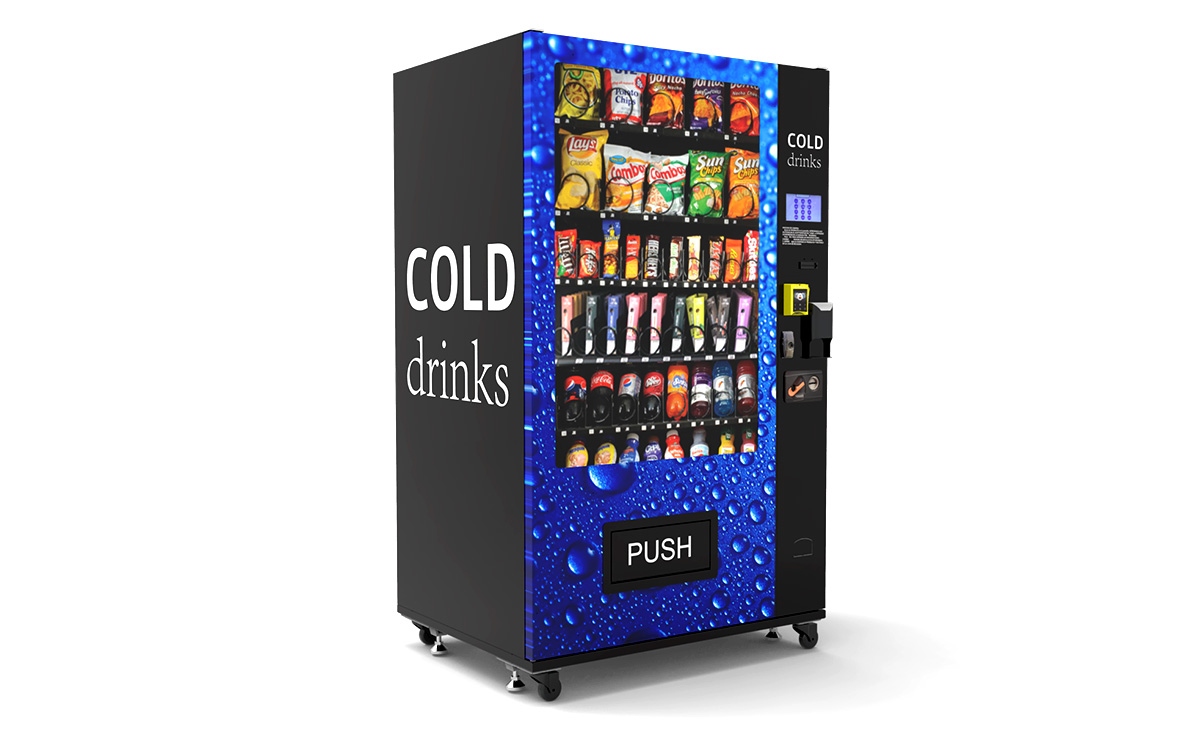
The line between traditional vending machines and self-service kiosks is blurring. In 2026, many automated retail solutions combine vending with digital screens, interactive ordering, and even fresh food preparation. For free vending machine placement, you need to decide which format fits your location and budget.
Traditional vending machines are simpler, cheaper, and easier to maintain. They work well for snacks, drinks, and packaged goods. Self-service kiosks, on the other hand, can handle made-to-order items like coffee, pizza, or fresh salads. They attract more attention and can command higher prices, but they also require more maintenance and have higher upfront costs.
I have placed both types in different locations. A traditional snack machine works perfectly in an office break room. A self-service kiosk for fresh food might be better in a hospital lobby or a university food court. Consider the product type and the customer's willingness to pay before choosing the format.
How to Negotiate a Free Placement Agreement
Whether you are the location owner or the operator, negotiation is part of the game. Here are the key points I always address before signing.
- Commission structure: Fixed percentage vs. sliding scale. I prefer a flat 20% for most locations, adjusted based on sales volume.
- Exclusivity: Does the agreement prevent you from placing another machine nearby? If so, ensure the location is worth the exclusivity.
- Term length: One year with renewal options is standard. Avoid contracts longer than three years unless there is a clear benefit.
- Maintenance responsibilities: Who handles cleaning, repairs, and restocking? Get it in writing.
- Termination clause: Can you exit early if sales are below expectations? I always include a 30-day notice clause for both parties.
I have walked away from deals where the location owner demanded 40% commission and refused to share traffic data. Those deals would have been unprofitable, and I am glad I did not sign. Trust your numbers, not promises.
Real-World Examples from My Experience
Let me share two contrasting cases to illustrate what works and what does not.
Case 1: The Office Building That Worked
I placed a combo snack and drink machine in a 200-person office building in Frankfurt. The location had a break room with seating, and employees had 30-minute lunch breaks. Monthly sales averaged €1,800, with a 25% commission to the building owner. After product costs, card fees, and restocking, I netted about €600 per month. The machine paid for itself in 10 months, and the relationship lasted four years. The key was consistent foot traffic and a product mix that matched employee preferences.
Case 2: The Retail Store That Failed
I accepted a free placement offer from a small electronics store in a suburban shopping center. The owner claimed 200 daily visitors, but actual traffic was closer to 50. The machine sold €300 per month, barely covering product costs and my restocking time. I terminated the contract after six months. The lesson: never trust traffic claims without verification.
Data Sources and Industry References
Throughout this article, I have referenced data from industry sources. Here are the key references I used:
- IBISWorld report on Vending Machine Operators in the US (2025). Available at IBISWorld.
- Statista market analysis on vending machine profit margins in Europe (2024). Available at Statista.
- National Automatic Merchandising Association (NAMA) industry benchmarks. Available at NAMA.
- Service-Public.fr for French vending machine regulations. Available at Service-Public.fr.
- European Commission CE marking requirements for vending equipment. Available at European Commission.
FAQ: Free Vending Machine Placement in 2026
Is free vending machine placement really free?
No, it is not free in the sense of no cost. The machine itself is provided at no upfront charge, but the operator covers product costs, maintenance, and typically shares a percentage of sales with the location owner. The term "free" refers to the hardware, not the overall arrangement.
How much money can I make from a free placement vending machine?
It depends on location, traffic, and product margins. In a good location, a machine can generate $500 to $2,000 in monthly gross sales. After costs and commissions, the operator might net $300 to $900. The location owner might earn $100 to $500 per month in commission, depending on the agreement.
How long does it take to break even on a free placement machine?
If you are the operator providing the machine, break-even typically takes 8 to 15 months, assuming the machine costs between $3,000 and $10,000 and generates consistent sales. If the machine is truly free to you (e.g., provided by a third party), break-even is immediate, but you still need to cover operating costs.
Should I buy a machine or accept a free placement offer?
Buying gives you full control over profits and product selection, but requires upfront capital. Free placement reduces risk but limits your upside and ties you to the vendor's terms. I recommend buying if you have the capital and a reliable location. Free placement is better for testing a new market or if you lack funds for equipment.
What are the best locations for free vending machine placement?
Offices, hospitals, schools, gyms, warehouses, and transportation hubs are consistently good. Look for locations with at least 100 daily visitors who have time to make a purchase. Avoid locations where people are in a hurry or where they bring their own food and drinks.
What permits do I need for a vending machine?
Requirements vary by country and state. In the U.S., you may need a business license, sales tax permit, and health department approval for food machines. In the EU, you need CE compliance and may need to register with local business authorities. Always check with your local government before installation.
How do I choose a reliable vending machine supplier?
Look for suppliers with a proven track record, local service support, and machines that support cashless payments and remote monitoring. Zhongda Smart is one manufacturer I have seen used by operators in Europe and North America, but always verify the service network in your area before committing.
What happens if the machine breaks down?
In most free placement agreements, the operator is responsible for repairs. You should have a local technician or a spare parts kit to handle common issues. If the machine is down for more than a few days, you lose sales and risk damaging the relationship with the location owner.
How can I reduce restocking and maintenance costs?
Use machines with telemetry to monitor inventory remotely, so you only visit when needed. Optimize your product mix based on sales data to reduce waste. Choose reliable equipment from reputable manufacturers to minimize breakdowns. Also, negotiate a restocking schedule that matches sales velocity.
Can I switch products or change the location after signing?
Yes, but it depends on your contract. Most agreements allow you to change products as long as you stay within the machine's capacity. Changing locations usually requires mutual consent from the location owner and the operator. Always include flexibility clauses in your contract.
本文更新于2026年2月。以上内容基于个人运营经验、行业数据及公开法规编写,不构成财务或法律建议。实际收益和成本会因地点、市场条件和管理水平而有所不同。在做出任何商业决策前,请咨询专业顾问并核实当地法规。