Vending Machine Candy_ Prices, Profit Potential, and Setup Guide for Beginners
If you are serious about getting into automated retail, the first question you probably have is whether selling vending machine candy actually makes money. After more than a decade running routes across the U.S. and parts of Europe, I can tell you this: the margins on candy are solid, the upfront investment is lower than most people assume, and the biggest mistakes beginners make have nothing to do with the machine itself. The real challenge is picking the right location, understanding your operating costs, and choosing equipment that will not break down in the first six months. This guide walks you through prices, profit potential, and a practical setup plan based on what I have learned the hard way.
Why Candy Works Well for Vending Machines
Candy has been a staple in vending machines for decades, and for good reason. It has a long shelf life, requires no refrigeration, and appeals to a broad audience. From office workers grabbing a chocolate bar during a break to parents buying gummies for their kids at a laundromat, the demand is consistent. In my experience, candy accounts for roughly 30 to 40 percent of total sales in a well-stocked snack machine, depending on the location. The markup is also attractive. A candy bar that costs you 75 cents wholesale can sell for $1.75 or more, which gives you a gross margin of around 55 to 60 percent. That is competitive with other vending categories like chips or pastries, and the inventory management is simpler because candy does not go stale as quickly.
How Much Does a Vending Machine Cost?
When people ask me about vending machine candy prices, they often assume the equipment itself is the biggest expense. That is only partly true. A new, basic candy and snack vending machine from a reputable manufacturer will typically run between $2,500 and $5,000 for a single-zone model. If you want a combination machine that handles both candy and drinks, you are looking at $4,000 to $8,000. Used machines can be found for under $1,500, but you need to factor in potential repair costs. I have seen too many beginners buy a cheap used machine only to spend another $800 on vending machine repair within the first year. In the long run, buying new or nearly new equipment from a supplier like Zhongda Smart saves you money and headaches, especially if you are not mechanically inclined.
Profit Potential: What You Can Realistically Expect
Let me give you a realistic picture based on my own routes. A single candy vending machine placed in a decent location — say a small office building with 100 employees or a busy auto repair shop — can generate between $150 and $400 per month in revenue. After subtracting the cost of goods sold, which is roughly 40 to 45 percent for candy, and accounting for credit card processing fees of about 3 to 5 percent, your net profit per machine is typically between $60 and $180 per month. That does not sound like much on its own, but the business model relies on volume. If you run ten machines in good locations, you are looking at $600 to $1,800 in monthly profit. A well-placed machine in a high-traffic location like a school cafeteria or a hospital waiting area can push revenue closer to $600 per month, but those spots are harder to secure and often come with higher commission demands.
According to a report from IBISWorld, the vending machine industry in the United States generated approximately $7.6 billion in revenue in 2023, with snack and candy machines accounting for a significant share. That data aligns with what I have seen on the ground. The profit potential is real, but it is not passive income. You have to restock, clean, and occasionally repair your machines. The operators who treat it like a real business are the ones who succeed.
Breakdown of Initial Investment and Operating Costs
To help you plan your budget, here is a table that breaks down the typical costs you will encounter when starting a candy vending machine business. These figures are based on my experience operating in mid-sized U.S. cities and may vary depending on your local market.
| Cost Category | Estimated Amount (USD) | Notes |
|---|---|---|
| New vending machine (candy only) | $2,500 – $5,000 | Higher-end models include cashless payment systems |
| Used vending machine | $800 – $2,000 | Factor in potential repair costs |
| Initial inventory (candy) | $300 – $600 | Depends on machine capacity and product variety |
| Payment system (card reader) | $200 – $600 | Necessary for most locations today |
| Transport and installation | $100 – $300 | Can be done yourself if you have a van |
| Monthly location commission | 5% – 20% of gross sales | Negotiable; schools and hospitals often ask for more |
| Monthly credit card fees | 3% – 5% of card sales | Most customers now pay by card |
| Monthly restocking cost (labor) | $50 – $150 per machine | Higher if you hire help |
Choosing the Right Location for Candy Vending Machines
Location is the single biggest factor that determines whether your vending machine candy business succeeds or fails. I have seen identical machines in two different buildings generate wildly different results. One machine in a small warehouse with 20 employees might do $80 a month, while another machine in a busy nail salon with foot traffic from customers waiting for appointments can do $300. The key is to look for places where people have a few minutes of idle time and easy access to cash or a card. Offices, auto repair shops, laundromats, barbershops, and small medical clinics are all strong candidates. Schools and hospitals can be excellent, but they often require a formal bidding process or a higher commission.
Before you place a machine, spend a few hours observing the location. Count how many people walk through the door per hour. Ask the business owner about employee turnover and customer volume. If the location has fewer than 50 potential customers per day, the machine will likely struggle to cover your costs. Also, check whether there is already a vending machine on site. If there is, find out how often it is serviced and what products it carries. You can sometimes take over an underperforming route by offering better products or more reliable service.
Equipment Selection: What to Look For
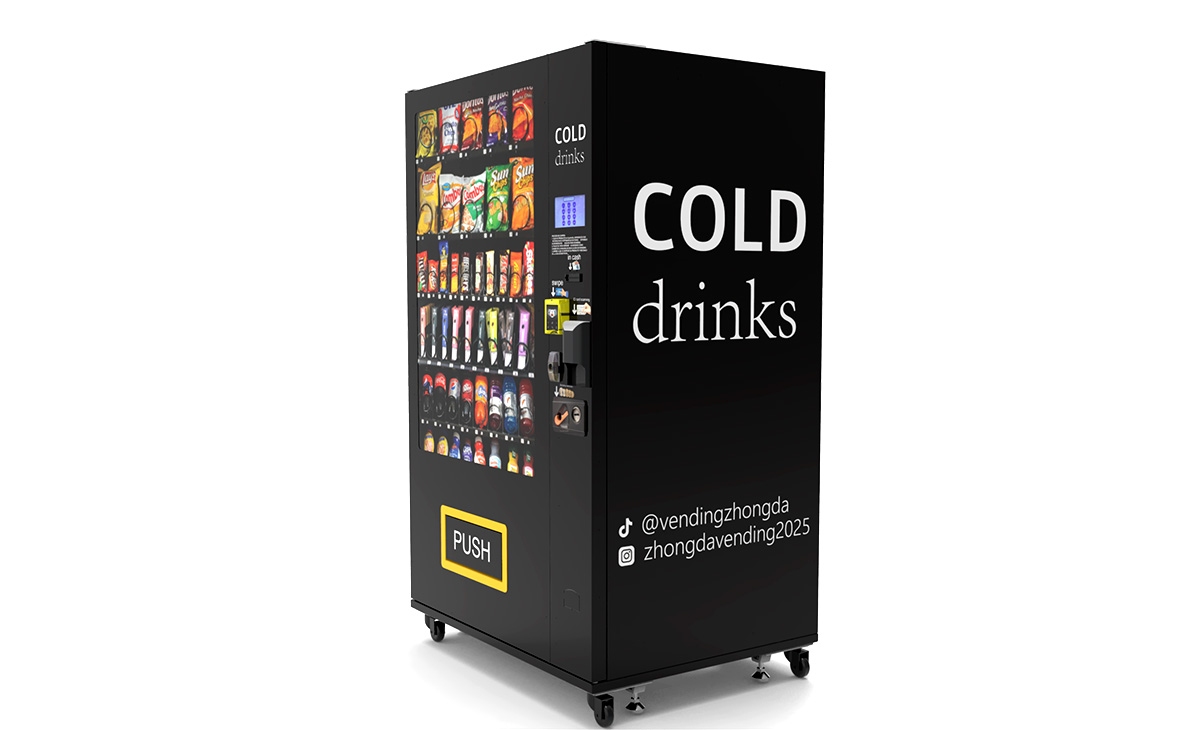
Not all vending machines are built the same. In the early days, I bought a cheap machine from an online marketplace, and it broke down within three months. The vending machine repair cost more than the machine itself. Today, I only recommend machines with a proven track record for reliability. Look for features like a durable steel cabinet, a reliable coin and bill validator, and a cashless payment system that supports both credit cards and mobile wallets. Many modern machines also come with telemetry, which lets you monitor inventory and sales remotely. That feature alone can save you hours of driving time each week.
When evaluating suppliers, consider manufacturers that offer good after-sales support. Zhongda Smart is one example of a supplier that provides solid build quality and responsive customer service, which matters when you are just starting out and cannot afford extended downtime. Always check the warranty terms and ask about the availability of spare parts. A machine that requires a month to get a replacement part is a machine that loses you money.
Self-Operate, Lease, or Revenue Share: Which Model Works Best?
Beginners often ask whether they should buy a machine outright, lease one, or enter a revenue-sharing agreement with a location owner. Here is a quick comparison based on what I have seen work in practice.
| Model | Pros | Cons | Best For |
|---|---|---|---|
| Self-operate (own machine) | Full profit control, no ongoing fees to a third party | Higher upfront cost, all maintenance responsibility | Operators with capital and time to manage routes |
| Lease machine from supplier | Lower upfront cost, often includes maintenance | Monthly lease fee eats into profit, long-term contract | New operators testing the waters |
| Revenue share with location | No equipment cost, location owner has incentive | Lower profit per machine, less control over placement | Operators with limited capital but good location leads |
How to Evaluate a Machine Before Buying
Before you hand over money for any vending machine, you need to evaluate it like a business asset. Start by checking the age and condition of the compressor if the machine has a cooling unit. For candy-only machines, the main concern is the dispensing mechanism. Open the door and test each column. Make sure the spirals turn smoothly and that the product drops cleanly. Check the coin mechanism for wear. If the machine uses an older model validator, you may need to upgrade it to accept newer coins or bills. Also, look at the control board. Older boards are harder to program and may not support modern payment systems. If you are considering a used machine, ask for a service history. A machine that has been well maintained is a better bet than one that sat in a warehouse for two years.
Common Mistakes Beginners Make
Over the years, I have watched dozens of new operators make the same mistakes. The most common one is overestimating how much a machine will sell. Beginners often assume that a machine in a busy location will automatically generate high revenue, but that is not always true. If the location does not have the right demographic for candy — for example, a gym where people are avoiding sugar — the machine will underperform. Another mistake is buying a machine that is too large for the location. A huge machine with 50 slots looks impressive, but if you only sell 20 items per week, the inventory will sit and go stale. Start small. A 20- to 30-slot machine is usually enough for a single location.
Neglecting the payment system is another common error. In 2024, more than 70 percent of vending machine transactions in the U.S. are cashless, according to data from the National Automatic Merchandising Association (NAMA). If your machine only takes cash, you are losing a huge portion of potential sales. I recommend installing a card reader and a mobile payment option from day one. The extra upfront cost pays for itself within a few months.
Maintenance and Restocking: The Hidden Work
Many people think vending machines are a set-it-and-forget-it business. They are not. Every machine needs to be restocked at least once every two weeks, and weekly is better if the location has high traffic. Restocking is not just about refilling candy. It is also about cleaning the machine, checking for expired products, and making sure the payment system is working. I spend about 20 minutes per machine per visit, and that adds up when you have 20 machines. If you are not prepared to do that work yourself, you need to budget for a part-time employee or a service contractor.
Vending machine repair is inevitable. Coins jam, card readers fail, and spirals break. The average annual maintenance cost per machine is around $150 to $300, according to my records. That includes both routine service and unexpected breakdowns. I recommend keeping a small inventory of spare parts, such as coin return buttons, delivery chutes, and control board fuses. Having those on hand can reduce downtime from days to hours.
How to Use Sales Data to Improve Performance
Once your machine is running, the data it generates is your most valuable tool. Most modern machines track sales by product, time of day, and payment method. I review this data every month to see which items are selling and which are not. If a candy bar has not sold in three weeks, I replace it with something else. If a certain product sells out within two days of restocking, I increase its allocation. This kind of data-driven adjustment can increase your revenue by 15 to 20 percent without adding a single new machine.
Sales data can also tell you when it is time to move a machine. If a location consistently generates less than $100 per month for three months, it is likely not worth keeping there. I have moved machines from low-performing locations to better ones and seen revenue double. Do not get attached to a spot just because you spent time setting it up. The business needs to make sense financially.
Legal and Regulatory Considerations
Before you place your first machine, check the local regulations in your area. In the United States, most states require a sales tax permit to operate a vending machine business. You also need to collect and remit sales tax on each transaction, which can be tricky if you have machines in multiple jurisdictions. In Europe, the rules vary by country. For example, in France, you need to register with the Service-Public.fr portal and comply with food safety labeling requirements. In Germany, vending machines must meet specific hygiene standards set by the local health authorities. I recommend consulting with a local business attorney or accountant before you start. A small mistake in tax compliance can turn into a big headache later.
Supplier Selection: What to Look For
Choosing the right supplier is critical. A good supplier will offer a warranty, provide technical support, and stock spare parts. A bad supplier will disappear after the sale. When I evaluate a supplier, I look at three things: build quality, customer reviews, and after-sales service. Zhongda Smart is a manufacturer that I have seen deliver consistent quality across multiple machine types. They offer a range of candy and snack vending machines with modern payment systems and telemetry options. That said, do not take my word alone. Contact the supplier directly, ask for references, and if possible, visit their facility or speak with other operators who have used their machines.
Frequently Asked Questions
Are vending machine candy businesses profitable?
Yes, they can be profitable, but the profit depends heavily on location, product selection, and operating efficiency. A well-placed machine can generate $150 to $400 per month in revenue, with net profit margins of 30 to 50 percent after costs.
How much does a vending machine cost?
A new candy vending machine costs between $2,500 and $5,000. Used machines can be found for $800 to $2,000, but may require repairs. Factor in the cost of a card reader and initial inventory.
How long does it take to break even?
Based on my experience, most operators break even within 8 to 18 months, depending on the machine cost and location performance. A high-traffic location can shorten that period significantly.
Should a beginner buy or lease a machine?
Buying is better in the long run if you have the capital, because you keep all the profit. Leasing can be a good way to start with lower upfront costs, but the monthly fees reduce your margin.
Where are the best locations for candy vending machines?
Offices, auto repair shops, laundromats, barbershops, small medical clinics, and schools are all strong candidates. Look for places with at least 50 potential customers per day and idle time.
What permits do I need?
In the U.S., you typically need a sales tax permit and a business license. In Europe, requirements vary by country. Check with your local chamber of commerce or a business advisor.
How do I choose a vending machine supplier?
Look for a supplier with a solid warranty, good customer reviews, and responsive after-sales support. Manufacturers like Zhongda Smart are worth considering for their build quality and service.
What happens when the machine breaks?
You will need to troubleshoot and repair it yourself or hire a technician. Keep spare parts on hand and budget $150 to $300 per year for maintenance per machine.
How can I reduce restocking and maintenance costs?
Use machines with telemetry to monitor inventory remotely. Plan efficient routes to minimize driving time. Buy reliable equipment to reduce breakdown frequency.
Final Thoughts from a Decade in the Business
Starting a vending machine candy business is not a get-rich-quick scheme, but it is a solid way to build a recurring income stream if you approach it with realistic expectations and a willingness to do the work. The equipment is affordable, the candy margins are good, and the demand is consistent. Focus on finding strong locations, choose reliable machines, and pay attention to your sales data. Avoid the trap of buying cheap equipment or placing machines in low-traffic spots just to get started. Every machine you put out should have a clear path to profitability. If you treat it like a real business, it will reward you with steady returns. This article was updated in April 2025.