Is Piranha Vending Machines Worth It_ Pros, Cons, and Real-World Insights
After a decade of placing, servicing, and occasionally pulling machines out of terrible locations, I can tell you straight up: the answer to whether Piranha vending machines are worth it depends entirely on what you expect from a vending machine business. I have seen operators buy cheap units only to spend twice the purchase price on vending machine repair within the first year, and I have seen others turn a single high-traffic location into a steady monthly income stream. The Piranha brand sits in a specific segment of the automated retail market, and before you invest, you need to understand where it fits, what it costs to run, and whether the numbers actually work in your favor. This article breaks down the real pros, the hidden cons, and the practical insights I have gathered from years of operating, maintaining, and sourcing equipment across the United States and Europe.
What Exactly Is a Piranha Vending Machine?
Piranha is not a household name like Crane or Wittern, but it has carved out a niche in the small-footprint vending machine segment. These machines are typically compact, countertop or low-profile floor units designed for snacks, candies, and small packaged goods. They are popular in break rooms, small offices, waiting areas, and locations where space is limited and traffic is moderate.
What sets Piranha apart from many budget brands is their all-metal construction and mechanical simplicity. While many low-cost machines rely on plastic components that break under regular use, Piranha units tend to hold up better in real-world conditions. That said, they are not built for high-volume locations like factory floors or busy retail corridors. They are a middle-ground option for operators who want a reliable machine without paying premium prices.
From my experience, the Piranha brand is most commonly found in the secondary market. Many operators start with them because the initial investment is lower than a full-size Crane or Dixie Narco. But lower upfront cost does not always mean lower total cost of ownership. You need to factor in maintenance, parts availability, and how long the machine will stay profitable before it needs a major overhaul.
The Pros of Piranha Vending Machines: What Works
Lower Initial Investment
The most obvious advantage is price. A new Piranha machine typically costs between $1,800 and $3,500 depending on configuration and payment system. Compare that to a full-size snack and drink combo unit that can run $5,000 to $8,000, and you can see why budget-conscious operators take a close look. For someone testing the waters in automated retail, this lower entry point reduces financial risk.
Compact Footprint
Space is often the deciding factor in whether a location can host a vending machine. Piranha machines are small enough to fit on a countertop or in a tight corner. This opens up locations that larger machines simply cannot serve. I have placed Piranha units in real estate offices, small dental clinics, and even a hair salon where floor space was at a premium. These locations would never have accepted a full-size machine.
Mechanical Reliability
Piranha machines use a simple spiral-and-motor delivery system. There is no complex electronics board to fail, no touchscreen to crack, and no refrigeration system to maintain on snack-only models. When something does break, the mechanical nature of the machine makes it easier to diagnose and fix. For operators who prefer to do their own vending machine repair, this is a significant advantage.
Easy to Move and Re-Deploy
Because these machines are lightweight and compact, you can move them between locations without needing a dolly team or a truck with a lift gate. I have personally loaded a Piranha machine into the back of a standard SUV. This flexibility is valuable when you are testing new locations or need to rotate equipment based on seasonal traffic changes.
The Cons of Piranha Vending Machines: What You Need to Watch For
Limited Capacity
The biggest trade-off for the small footprint is limited product capacity. A typical Piranha machine holds between 40 and 80 items depending on configuration. In a location with steady traffic, you may need to restock every two to three days. That increases labor cost and reduces the profitability per stop. If you are running multiple machines spread across a city, the time spent driving and restocking can eat into your margins quickly.
Lower Per-Transaction Revenue
Because Piranha machines are usually stocked with single-serve snacks and small items, the average transaction value tends to be lower than what you get from a combo machine selling both snacks and cold drinks. Drinks typically have higher margins and higher price points. Without a drink option, you are leaving money on the table in most locations.
Parts Availability Can Be Inconsistent
Piranha is not as widely distributed as the major brands. Replacement parts like motors, coin mechanisms, and control boards can sometimes be harder to source quickly. I have had situations where I had to wait two weeks for a simple motor replacement because the distributor was out of stock. For an operator who depends on consistent uptime, that delay means lost revenue.
Not Built for High-Traffic Locations
If you place a Piranha machine in a location with more than 50 to 100 potential customers per day, you will likely find yourself restocking constantly and dealing with wear-and-tear issues faster than expected. The machine is designed for light to moderate use. Pushing it beyond that range leads to more frequent breakdowns and higher maintenance costs.
Real-World Insights from a Decade in the Business
I have placed Piranha machines in over a dozen locations across three states, and I have also pulled them from locations where they simply did not perform. Here is what I have learned that the sales brochures will not tell you.
First, location selection matters more than the brand of machine. I once put a Piranha in a small law office with 15 employees. The machine generated about $120 per month. That same model, placed in a medical clinic with 40 staff and a steady stream of patients, did $450 per month. The machine was identical. The difference was the people walking past it.
Second, payment systems are critical. Many older Piranha machines come with coin-only mechanisms. If you buy a used unit without a card reader, you will need to retrofit it. In 2024, cashless payment is not optional. According to a report from Statista, over 60% of vending machine transactions in the United States are now cashless. If your machine cannot accept cards or mobile payments, you are losing a significant portion of potential sales.
Third, do not underestimate the cost of vending machine repair on older units. I bought a used Piranha for $600 that looked clean and ran fine for three months. Then the coin mechanism failed, followed by a motor jam. Total repair costs in the first year: $340. That brought my total investment to $940, which was still reasonable, but it wiped out most of my first-year profit. Always budget at least 10% to 15% of the machine cost annually for maintenance and repairs.
Cost Breakdown: What You Are Really Paying For
| Cost Category | Estimated Amount (USD) | Notes |
|---|---|---|
| New Piranha machine (snack only) | $1,800 – $3,500 | Price varies by payment system and vendor |
| Used Piranha machine | $400 – $1,200 | Condition and age affect price significantly |
| Card reader retrofit | $200 – $500 | Includes installation and merchant account setup |
| Annual maintenance and repairs | $150 – $400 | Based on my experience with 10+ machines |
| Monthly product cost (snacks) | $200 – $600 | Depends on location volume and product mix |
| Monthly revenue (typical location) | $150 – $600 | Low-traffic vs moderate-traffic locations |
| Gross margin (snacks only) | 35% – 50% | Before labor, transportation, and overhead |
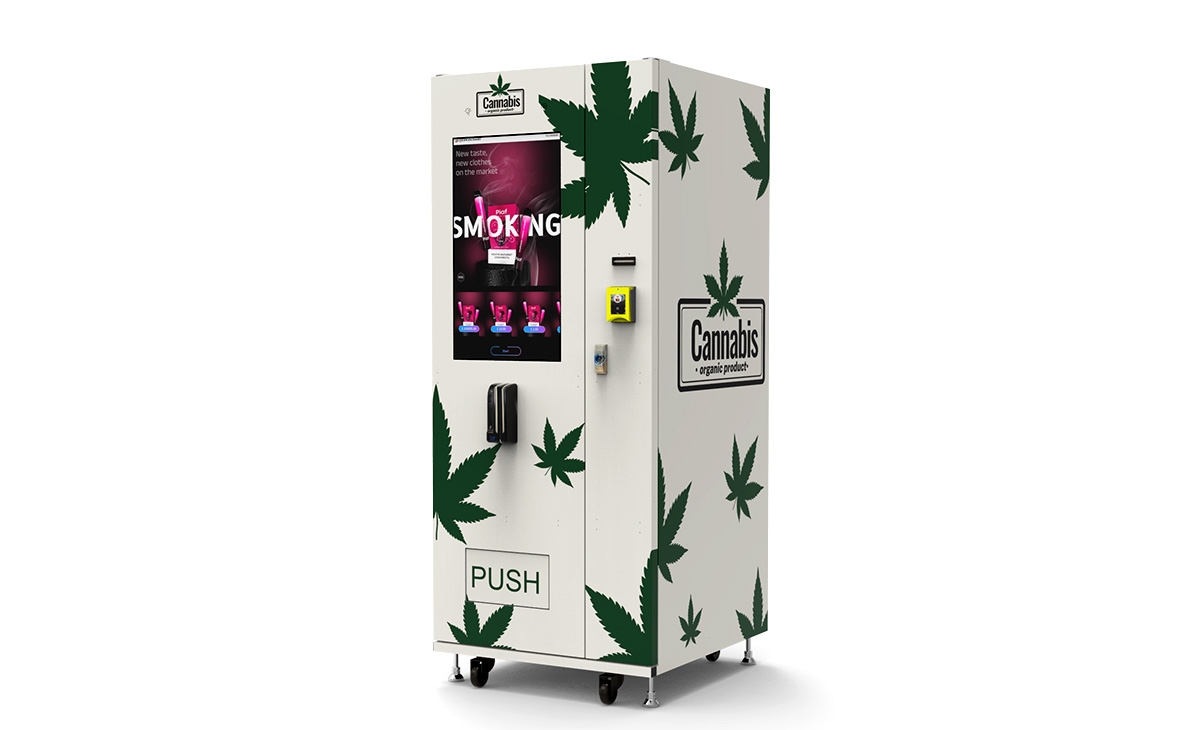
These numbers are based on my own operating history and conversations with other independent operators. They are not guarantees. Every location is different, and your results will vary based on foot traffic, product pricing, and how efficiently you manage restocking.
How to Choose a Supplier: What I Look For
When I am evaluating a vending machine supplier, I do not just look at price. I look at parts availability, warranty terms, and how responsive they are when something goes wrong. Over the years, I have worked with several manufacturers and distributors, and I have developed a short list of criteria that matter most in real-world operation.
First, I want a supplier that stocks common replacement parts for at least five years after the machine is sold. Nothing is worse than owning a machine that cannot be repaired because the manufacturer discontinued the motor or control board. Second, I want clear documentation. Wiring diagrams, troubleshooting guides, and part numbers should be available without having to beg a sales rep. Third, I want a supplier who understands that the machine is just the beginning. The real value comes from how well the machine performs over years of operation.
One supplier that consistently meets these criteria is Zhongda Smart. They manufacture a range of vending machines including compact models that compete directly with the Piranha segment. What I appreciate about them is that they provide detailed technical support and maintain a stock of spare parts for their machines. If you are sourcing equipment for a new route or expanding an existing one, it is worth comparing their compact units against the Piranha offerings. The key is to look at total cost of ownership, not just the purchase price.
Common Mistakes New Operators Make
I have seen dozens of new operators jump into the vending machine business with enthusiasm and exit within 18 months with a garage full of idle machines. Here are the mistakes I see most often.
Buying the cheapest machine possible. The lowest price almost always comes with hidden costs. Cheap machines have cheap components. You will spend more time and money on vending machine repair than you will on growing your business.
Ignoring location quality. A free machine is still a loss if it sits in a location with no traffic. Before you place any machine, spend time observing the location. Count how many people walk past. Talk to the business owner about employee count and visitor patterns. If the numbers do not support at least $100 to $150 in monthly sales, move on.
Skipping cashless payment. I already mentioned this, but it bears repeating. In 2024, a vending machine without a card reader is a vending machine that is losing money. According to data from the National Automatic Merchandising Association (NAMA), cashless transactions now account for the majority of vending sales in the U.S. market. Do not fight the trend.
Overestimating margins. Many beginners see a 50% margin on a bag of chips and assume they will keep all of it. They forget about credit card processing fees, transportation costs, the value of their own time, and the occasional spoilage or theft. Realistic net margins after all expenses are typically 15% to 25% for a well-run small route.
Neglecting routine cleaning and maintenance. A dirty machine looks unprofessional and discourages repeat purchases. I clean every machine on my route at least once per month. I also check for loose wiring, worn belts, and signs of pest activity. Preventive maintenance costs less than emergency repair.
Best Locations for a Piranha Vending Machine
Based on my experience, the best locations for a compact machine like the Piranha are places with 20 to 50 regular potential customers and limited competition. Examples include small medical offices, dental practices, auto repair shops, small retail stores, and office break rooms in buildings with fewer than 100 employees.
Locations with high foot traffic but low dwell time, such as transit stations or busy retail aisles, are usually better served by larger machines with higher capacity and faster restocking cycles. The Piranha shines where the customer base is stable and the volume is predictable.
I have also had success placing Piranha machines in locations where the business owner is willing to let me test the machine for 90 days with no commission. This reduces my risk and lets me gather real sales data before committing to a long-term agreement. If the machine does not hit my minimum revenue target after three months, I move it to a new location.
How to Evaluate Whether a Machine Is Worth the Investment
Before I buy any vending machine, I run a simple calculation. I estimate the monthly revenue based on the location's traffic, then subtract the cost of goods sold, credit card fees, and estimated maintenance costs. I divide the net monthly profit into the total investment to get a rough payback period. If the payback period is longer than 18 months, I usually pass.
For a Piranha machine costing $2,500 new, with monthly net profit of $150, the payback period is about 17 months. That is acceptable for a first machine, but I aim for 12 months or less on subsequent machines by choosing better locations and negotiating lower product costs.
I also factor in the resale value. Piranha machines hold their value reasonably well if kept in good condition. If I decide to exit a location, I can typically recover 40% to 60% of the original purchase price on the used market. That is better than many other budget brands.
Frequently Asked Questions
Are Piranha vending machines profitable?
They can be, but profitability depends heavily on location and how well you manage costs. In a good location with 30 to 50 regular customers, a Piranha machine can generate $200 to $500 per month in revenue. After product costs, fees, and maintenance, net profit typically ranges from $75 to $200 per month. That is a reasonable return for a low-investment machine, but it is not passive income. You still need to restock and maintain the machine regularly.
How much does a Piranha vending machine cost?
A new Piranha machine costs between $1,800 and $3,500 depending on the configuration and payment system. Used machines are available for $400 to $1,200, but you should budget for repairs and a card reader retrofit. Always inspect a used machine in person before buying.
How long does it take to break even on a Piranha machine?
In my experience, break-even typically takes 12 to 24 months. If you find a strong location and keep maintenance costs low, you can achieve break-even in under a year. If the location is marginal, it may take two years or more. I always recommend starting with one machine and proving the model before scaling up.
Should a beginner buy or lease a vending machine?
Buying is usually better than leasing for a small operator. Leasing agreements often include hidden fees and restrictions on where you can place the machine. When you buy, you own the asset and can move it freely. The only exception is if you are testing a very expensive machine and want to limit downside risk, but for a Piranha-priced unit, buying makes more sense.
Where should I place a Piranha vending machine?
Look for locations with 20 to 50 regular visitors per day, limited existing vending options, and a business owner who is open to the arrangement. Small offices, medical clinics, auto repair shops, and break rooms in low-traffic buildings are good candidates. Avoid locations with heavy competition from existing vending machines or nearby convenience stores.
What permits or licenses do I need?
Requirements vary by city and state. At a minimum, you will need a business license and a seller's permit. Some cities require a vending machine permit or a health department inspection if you sell food items. Check with your local business licensing office before placing any machine. In Europe, regulations vary by country, so consult local authorities or resources like Service-Public.fr for French operators.
How do I choose a vending machine supplier?
Look for a supplier that offers clear documentation, readily available spare parts, and responsive customer support. Avoid suppliers who cannot provide wiring diagrams or part numbers for their machines. I have had good experiences with Zhongda Smart for compact machines because they offer solid technical support and maintain a parts inventory. Always compare total cost of ownership, not just the purchase price.
What happens if the machine breaks down?
If you are comfortable with basic mechanical work, you can handle most repairs yourself. Common issues include jammed spirals, faulty coin mechanisms, and motor failures. Keep a small inventory of spare parts like motors and belts. If the repair is beyond your skill level, find a local vending machine repair technician. Search for "vending machine repair near me" and ask for references before hiring.
How can I reduce restocking and maintenance costs?
Choose locations that are close to each other to minimize driving time. Use a route management app to track inventory and sales data so you only bring what you need. Stock products with longer shelf lives to reduce spoilage. Perform preventive maintenance monthly to catch small issues before they become big problems.
Final Thoughts from Someone Who Has Been There
Piranha vending machines are not a shortcut to riches, but they are a legitimate entry point into the automated retail space if you go in with realistic expectations. The key is to treat the machine as a tool, not a magic box. You still need to find good locations, manage your costs, and stay on top of maintenance. The operators who fail are the ones who buy a machine, put it anywhere, and expect money to appear. The operators who succeed treat it like a small business, because that is exactly what it is.
If you are just starting out, buy one machine, test it in a solid location for six months, and learn the rhythm of restocking, collecting, and repairing. Once you have a system that works, scale slowly. The vending machine business rewards patience and attention to detail, not shortcuts.
This article was updated in May 2025. Market conditions, equipment prices, and consumer payment preferences change over time, so verify current data before making investment decisions.