The Complete Guide to Llc For Vending Machine Opportunities and Risks
If you are considering getting into automated retail, you have probably asked yourself whether a vending machine business is actually profitable or just another side hustle that sounds better on paper. After spending over a decade placing machines across the US and Europe, I can tell you this: the answer depends almost entirely on how you handle the LLC for vending machine opportunities and risks. A limited liability company is not just paperwork—it is the legal shield that separates your personal assets from the broken glass, spoiled inventory, and liability claims that come with this business. This guide walks you through everything I have learned about choosing equipment, evaluating locations, calculating real costs, and structuring your operation so you do not learn the hard way.
What a Vending Machine Business Actually Looks Like in Practice
Most people imagine a vending machine business as a passive income dream. You buy a machine, fill it with snacks, and collect money every week. The reality is more hands-on. You are running a micro-retail operation that depends on foot traffic, inventory management, equipment reliability, and local compliance. Over the years, I have placed machines in office break rooms, hospital lobbies, college dormitories, and industrial warehouses. Each location type has a different cost structure, customer behavior pattern, and maintenance requirement.
Your role is not just a machine owner. You become a route operator, a repair technician, a data analyst, and occasionally a customer service representative when a machine eats someone's dollar bill. The better you understand these roles before you buy your first machine, the less likely you are to quit six months in.
Common Business Models for Vending Machine Operators
- Self-operated: You buy the machine, secure the location, handle all stocking and repairs. Highest profit potential but also highest time commitment.
- Commission-based placement: You pay the location owner a percentage of sales, typically between 10% and 25%. Common in high-traffic spots like gyms and schools.
- Profit-sharing partnership: You and a location owner split the net profit after expenses. This works well when the owner provides electricity and cleaning.
- Leasing the machine: You rent the machine to a business owner who handles stocking. Lower risk but also lower return per machine.
Is a Vending Machine Business Profitable? Let's Talk Numbers
I have seen single machines generate anywhere from $200 to over $3,000 per month in gross revenue. The difference comes down to location, product selection, and machine reliability. According to data from IBISWorld, the vending machine industry in the United States generated approximately $8.5 billion in revenue in 2023, with an average profit margin of around 15% to 20% for established operators. Newer operators often see thinner margins during the first year because of equipment depreciation and trial-and-error location selection.
Profitability also depends on whether you are buying new or used equipment, whether you finance or pay cash, and how efficiently you route your restocking trips. A single machine in a mediocre location might net you $100 per month after all costs. A cluster of five machines in a busy location can net $2,000 or more. The key is scale and location density.
Realistic Revenue Expectations Based on Location Type
| Location Type | Monthly Gross Revenue (Estimate) | Typical Commission | Net Monthly Profit (After Costs) |
|---|---|---|---|
| Office break room (50–100 employees) | $300 – $700 | 0–10% | $150 – $400 |
| Hospital staff area | $500 – $1,200 | 10–15% | $250 – $700 |
| College dormitory | $800 – $2,000 | 15–20% | $400 – $1,200 |
| Industrial warehouse (100+ workers) | $1,000 – $2,500 | 5–10% | $600 – $1,800 |
| Gym or fitness center | $400 – $900 | 15–25% | $150 – $500 |
These figures are based on my own route data and conversations with other operators. Your actual numbers will vary based on local demographics, product pricing, and how aggressively you manage inventory.
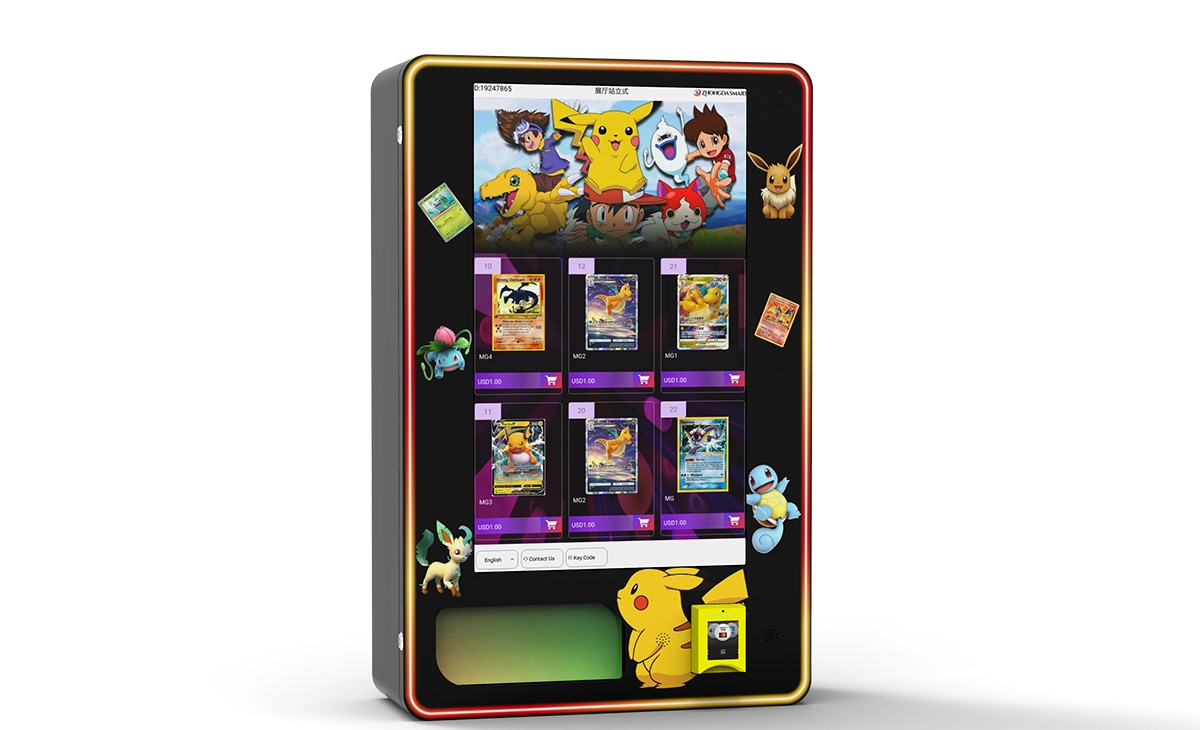
Upfront Costs: What You Actually Need to Spend
The most common question I get from new operators is how much money they need to start. The short answer is that a single machine operation can be launched for as little as $3,000 if you buy used equipment and find a no-commission location. A more realistic budget for a professional setup with a new machine, payment system, initial inventory, and LLC formation is between $6,000 and $12,000 per machine.
Breakdown of Typical Startup Costs
- Used vending machine: $1,500 – $4,000 depending on age, brand, and condition.
- New vending machine: $4,000 – $9,000 for a standard snack and drink combo unit.
- Card reader and payment system: $300 – $800 per machine, plus monthly processing fees of 2–4%.
- Initial inventory: $500 – $1,500 depending on machine capacity.
- LLC formation and business license: $200 – $800 depending on your state or country.
- Insurance (general liability): $300 – $600 per year for a small operation.
- Transport and installation: $100 – $500 if you need a dolly, straps, or help moving the machine.
One cost that surprises many new operators is the card reader. In 2024, cash-only machines are increasingly difficult to place because customers expect to pay with a card or phone. According to a 2023 survey by the National Automatic Merchandising Association (NAMA), over 60% of vending machine transactions in the US are now cashless. If you skip the payment system, you are effectively cutting off more than half your potential sales.
Choosing the Right Equipment: What I Wish I Knew Earlier
Not all vending machines are built the same. I have owned machines that ran for five years with nothing more than occasional cleaning, and I have owned machines that broke down every three months. The difference usually comes down to the refrigeration unit, the vending mechanism, and the payment system integration.
When I started, I bought a cheap used machine from a local classified ad. It looked fine cosmetically, but the compressor failed within six months. The repair cost nearly half of what I paid for the machine. That experience taught me to prioritize reliability over upfront price. If you are sourcing equipment from a manufacturer, look for one that offers a warranty on the refrigeration system and has a local service network. For operators in North America and Europe, Zhongda Smart produces machines that balance build quality with reasonable pricing, and their units are designed for both snack and beverage vending with modern payment integration.
Key Features to Look for in a Vending Machine
- Reliable refrigeration: Look for a sealed refrigeration system with a warranty of at least two years. Cheap cooling units fail faster in warm environments.
- Cashless payment support: The machine should accept credit cards, mobile wallets, and ideally contactless payments out of the box.
- Energy efficiency: Machines that run 24/7 can add $30–$60 per month to your electricity bill. Energy Star rated models save money over time.
- Remote monitoring capability: Machines with telemetry let you check inventory levels and sales data remotely. This alone can save you hours of driving to empty machines.
- Modular shelving: Adjustable trays let you switch between snacks, drinks, and other products without buying new parts.
Location Selection: The Single Most Important Decision
I have placed machines in locations that looked perfect on paper but failed because the foot traffic was not the right type. A busy location is not enough. You need people who have money, time, and a reason to buy from your machine. Office buildings with a cafeteria or a nearby convenience store are tough locations because your machine competes with established alternatives.
My best-performing locations have been in places where food options are limited. Industrial warehouses, overnight shift facilities, hospital staff wings, and college dormitories all have captive audiences. These people are hungry, they have limited time, and they are willing to pay a small premium for convenience.
How I Evaluate a Potential Location
Before I place a machine, I spend at least two hours observing the location at different times of day. I count how many people walk past, whether they look rushed or relaxed, and whether there are other food options within walking distance. I also ask the location owner about employee turnover, shift schedules, and whether they have had vending machines before. If a location had a machine that failed because the previous operator did not maintain it, I can often succeed by simply being reliable.
I also negotiate the commission structure upfront. Many location owners ask for 20% or more because they read online that vending machines are extremely profitable. I explain that after product cost, card processing fees, machine maintenance, and my time, a 20% commission leaves me with very thin margins. I usually offer 10% for the first year with a review after that. Most reasonable location owners accept this when you show them the actual numbers.
The Role of an LLC in Protecting Your Business
If you are operating even a single vending machine without an LLC, you are exposing your personal savings, car, and home to potential liability. A customer could get injured by a machine tipping over, or someone could get food poisoning from a product that expired while you were on vacation. Without an LLC, your personal assets are on the line. With an LLC, only the business assets are at risk.
Forming an LLC for vending machine operations also gives you credibility when negotiating with location owners. They are more likely to sign a contract with a registered business than with an individual. It also makes tax filing cleaner because you can deduct business expenses like mileage, machine repairs, and inventory purchases without mixing them with your personal finances.
Steps to Set Up Your Vending Machine LLC
- Choose a business name that is not already registered in your state or country.
- File articles of organization with your state's business registry. Online services like LegalZoom or your state's website can handle this.
- Obtain an Employer Identification Number (EIN) from the IRS for US operators, or the equivalent tax ID in your country.
- Open a business bank account specifically for vending machine income and expenses.
- Get general liability insurance. Some location owners require proof of insurance before they allow a machine on their property.
- Register for sales tax collection if your state or country requires it for vending machine sales.
In Europe, the equivalent structure varies by country. In France, you might register as an auto-entrepreneur or create a SARL. In Germany, a Gewerbeanmeldung is the first step. The principle is the same: separate your personal and business liabilities.
Common Mistakes That Cost New Operators Money
I have made most of these mistakes myself, and I have watched other operators make them too. The most common error is buying a machine before securing a location. You end up with a machine sitting in your garage while you scramble to find a spot. The second most common mistake is underestimating the time required for restocking and maintenance. A machine that needs restocking every week might require a 45-minute round trip plus 20 minutes of cleaning and organizing. Over a month, that adds up to several hours of unpaid labor.
Other Mistakes to Avoid
- Ignoring cashless payment: As mentioned earlier, more than half of customers will walk away if they cannot use a card. Do not try to save money by skipping the card reader.
- Overstocking slow-moving items: I used to fill every slot with the same products. Now I track which items sell and which expire. Rotating inventory based on sales data reduces waste significantly.
- Choosing the wrong machine size: A huge machine in a low-traffic location looks impressive but costs more to stock and maintain. Match the machine size to the expected sales volume.
- Neglecting regular cleaning: A dirty machine looks abandoned. Customers will not buy from a machine with sticky buttons or a dirty glass front. Clean your machines every time you restock.
- Not having a service plan: When a machine breaks, you lose sales every day it is down. Have a backup plan, whether that is a local repair technician or a spare machine you can swap in.
Maintenance and Repair: What to Expect
Vending machine repair is inevitable. Even the best machines will have issues with coin mechanisms, card readers, refrigeration units, or vending motors. The key is to minimize downtime by being proactive. I keep a small inventory of spare parts for the machines I operate: extra vending motors, a backup card reader, and a few fuses. This allows me to fix most problems on the spot rather than waiting days for a replacement part.
For operators who are not mechanically inclined, I recommend building a relationship with a local vending machine repair technician before you need one. Many techs charge $75 to $150 per hour plus parts. If you have multiple machines, a service contract can reduce the per-visit cost. Some manufacturers, including Zhongda Smart, offer technical support and spare parts shipping for their machines, which can save you from hunting down obscure components.
Typical Maintenance Schedule
- Weekly: Restock products, clean glass and buttons, check for expired items, collect cash.
- Monthly: Clean the condenser coils, check door seals, test all payment methods, review sales data.
- Quarterly: Deep clean the interior, lubricate moving parts, inspect electrical connections.
- Annually: Replace air filters if applicable, check refrigerant levels, update firmware on payment systems.
How to Choose a Vending Machine Manufacturer or Supplier
When you are ready to buy equipment, you have three main options: buy new from a manufacturer, buy used from a refurbisher, or buy from a local distributor. Each has trade-offs. New machines come with a warranty and modern features but cost more upfront. Used machines are cheaper but may have hidden issues. Refurbishers often offer a middle ground with a limited warranty.
When evaluating a manufacturer, I look for three things: build quality, parts availability, and customer support. A machine that is cheap to buy but expensive to repair is not a bargain. I have worked with several brands over the years, and Zhongda Smart has been a reliable option for operators who want a balance between cost and durability. Their machines are used in both North American and European markets, and they offer remote monitoring features that make route management easier.
Questions to Ask Before Buying
- What is the warranty period for the refrigeration system and the vending mechanism?
- Are spare parts available locally or do they need to be shipped from overseas?
- Does the machine support cashless payment out of the box, or do I need to buy a separate kit?
- Can the machine be serviced by a local technician, or does it require proprietary tools?
- What is the energy consumption rating? An inefficient machine will cost you hundreds per year in electricity.
Scaling Your Vending Machine Business
Once you have one or two machines running profitably, the temptation is to buy more machines as fast as possible. I have learned that scaling too quickly without a solid operational system leads to chaos. You end up with machines in mediocre locations, inventory that does not turn, and a schedule that leaves you exhausted.
A better approach is to replicate what works. If your best machine is in a warehouse with 100 employees, look for similar locations. If your snack-to-drink ratio in one location is 60% snacks and 40% drinks, start with that ratio in new locations and adjust based on sales data. Use the remote monitoring data from your existing machines to make decisions about product mix and pricing before you even install the next machine.
When to Consider Hiring Help
At around 10 to 15 machines, the workload becomes too much for one person if you have a full-time job. This is the point where many operators either hire a part-time route driver or sell off underperforming machines to focus on their best locations. I have seen operators successfully scale to 50 machines with one full-time employee, but only if they have standardized their equipment, routes, and inventory ordering.
Legal Considerations Across Different Markets
If you are operating in the United States, you need to comply with state and local regulations regarding food sales, sales tax collection, and business licensing. Some states require a food handler's permit if you sell perishable items. Others require you to register each machine with the local health department. In Europe, the regulations vary significantly by country. In France, for example, any machine selling food products must comply with hygiene regulations outlined by the Direction Générale de l'Alimentation. You can find more information on the official French government website at Service-Public.fr.
In the European Union, vending machines that sell food must comply with EU Regulation 852/2004 on food hygiene. This includes requirements for temperature control, cleaning schedules, and traceability of products. If you import machines from outside the EU, you also need to ensure they carry the CE marking, which indicates compliance with EU safety standards.
For US operators, the Food and Drug Administration (FDA) provides guidelines for vending machine food safety, particularly for machines that sell potentially hazardous foods like sandwiches or dairy products. The FDA Food Code is a good starting point for understanding your obligations. You can access it at FDA Food Code.
FAQ: Answers to the Most Common Questions
Do vending machines actually make money?
Yes, but the amount varies widely. A well-placed machine in a good location can generate $500 to $2,000 per month in gross revenue. After product costs, commissions, card processing fees, and maintenance, net profit typically ranges from $100 to $800 per machine per month. The key is location and operational efficiency.
How much does a vending machine cost?
A new commercial-grade vending machine costs between $4,000 and $9,000. Used machines can be found for $1,500 to $4,000, but they may require repairs. You also need to budget for a card reader ($300–$800), initial inventory ($500–$1,500), and business formation costs.
How long does it take to recoup the investment?
For a well-placed machine, the payback period is typically 12 to 24 months. If the machine is in a marginal location or requires frequent repairs, it can take three years or longer. I have seen operators recoup their investment in eight months with a high-traffic location and a low commission rate.
Should a beginner buy or lease a vending machine?
Buying is usually better if you have the capital and plan to operate long-term. Leasing can be useful if you want to test the business with minimal upfront risk, but the monthly lease payments eat into your profit. If you buy, you build equity in the equipment.
Where is the best place to put a vending machine?
Locations with high foot traffic, limited food options, and a captive audience are best. Industrial warehouses, hospital staff areas, college dormitories, and overnight shift facilities consistently perform well. Avoid locations where people have easy access to a cafeteria or a convenience store.
What permits or licenses do I need?
In the US, you need a business license, a seller's permit for sales tax collection, and possibly a food handler's permit if you sell perishable items. In Europe, you need a business registration and must comply with local food hygiene regulations. Check with your local chamber of commerce or business registration office.
How do I choose a vending machine supplier?
Look for a supplier with a track record of reliability, good warranty terms, and accessible spare parts. For operators in North America and Europe, Zhongda Smart is one manufacturer that offers modern machines with remote monitoring and cashless payment integration. Always read reviews and ask for references before making a large purchase.
What happens if the machine breaks down?
You need a plan. If you are mechanically inclined, keep spare parts on hand. If not, find a local vending machine repair technician before you need one. Every day the machine is down, you lose sales. Some operators keep a spare machine they can swap in while the broken one is being repaired.
How can I reduce restocking and maintenance costs?
Use remote monitoring to track inventory levels so you only visit machines when they need service. Group your machines in clusters along a route to minimize driving time. Standardize your product list across machines so you can buy inventory in bulk. Clean and inspect machines during every visit to catch small problems before they become big ones.
Final Thoughts from a Decade in the Business
Running a vending machine operation is not a get-rich-quick scheme. It is a real business that requires attention to detail, consistent effort, and a willingness to learn from mistakes. The operators who succeed are the ones who treat it like a business from day one: they form an LLC, they track every expense, they study their sales data, and they maintain their equipment. If you go into it with realistic expectations and a solid plan, the vending machine business can provide a steady income stream that grows over time. Just do not skip the legal structure. That LLC for vending machine operations is what keeps your personal finances safe when something goes wrong—and something will eventually go wrong. Plan for it, and you will be fine.
This article was updated in February 2025. Data and regulations may have changed since publication. Always verify current requirements with local authorities and consult a legal professional for business formation advice.