The Complete Guide to Used Ams Vending Machines For Sale Opportunities and Risks
If you are researching used ams vending machines for sale because you want to enter the automated retail space without paying new equipment prices, you are asking the right questions but also stepping into a market where the difference between a profitable route and a money pit often comes down to what you cannot see from a photo. I have been operating vending routes in the US and parts of Europe for over a decade, and I have bought, refurbished, and regrettably scrapped more machines than I care to count. The honest truth is that buying used equipment can work well, but only if you understand how to evaluate mechanical wear, payment system compatibility, and the specific business model that fits your location. This guide walks through the real costs, the common traps, and the practical decisions that separate operators who make money from those who end up storing dead weight in a warehouse.
Understanding the Used Vending Machine Market
The market for used vending equipment is not a single category. Machines from the early 2000s with mechanical coin changers sell for a fraction of what a modern touchscreen model costs, but that lower price tag often hides higher long-term expenses. In my experience, the sweet spot for a beginner is a machine built after 2015, preferably one that already supports cashless payments or can be upgraded without replacing the entire control board.
Used ams vending machines for sale often come from three sources: operators upgrading their fleet, liquidation auctions from failed businesses, and refurbishers who specialize in cleaning and testing units. Each source carries different risks. A machine from a failed business might have sat idle for months, which can cause gummed-up motors or corroded sensors. A machine from an operator who upgraded likely has higher cycle counts but also better maintenance records. Refurbishers can offer peace of mind, but you pay a premium that sometimes approaches half the cost of a new unit.
One thing I have learned the hard way: never buy a used machine sight unseen without a video showing each selection mechanism working. A stuck spiral or a broken motor might seem minor, but when you factor in the cost of a service call and the downtime, that cheap machine quickly becomes expensive.
Why Used Equipment Attracts New Operators
The primary appeal is obvious: lower upfront capital. A new commercial-grade vending machine can cost anywhere from $4,000 to $10,000 depending on features and capacity. A used unit from a reputable source might run between $1,200 and $3,500. For someone testing a location or building a first route, that difference matters.
But price alone is a dangerous metric. I have seen operators buy a $900 machine from an online auction only to spend $1,200 on repairs and still end up with a unit that cannot accept modern tap-to-pay cards. In the current market, if your machine cannot accept credit cards and digital wallets, you are losing at least 30% of potential sales. According to a 2023 report by Statista, cashless payments now account for over 60% of vending transactions in the United States and Western Europe.
Another reason operators look for used ams vending machines for sale is the flexibility to experiment with different product categories. You might want to test healthy snacks in a gym, cold drinks in a warehouse, or combination units in a small office breakroom. Buying used allows you to deploy multiple machines across different locations without committing the capital required for a full fleet of new equipment.
Evaluating the True Cost of a Used Machine
When I evaluate a used vending machine, I calculate the total cost of ownership over the first 24 months. This includes the purchase price, delivery, installation, any necessary repairs, payment system upgrades, and the opportunity cost of downtime. A machine that sits broken for two weeks during a high-traffic period can lose more revenue than the savings you gained by buying used.
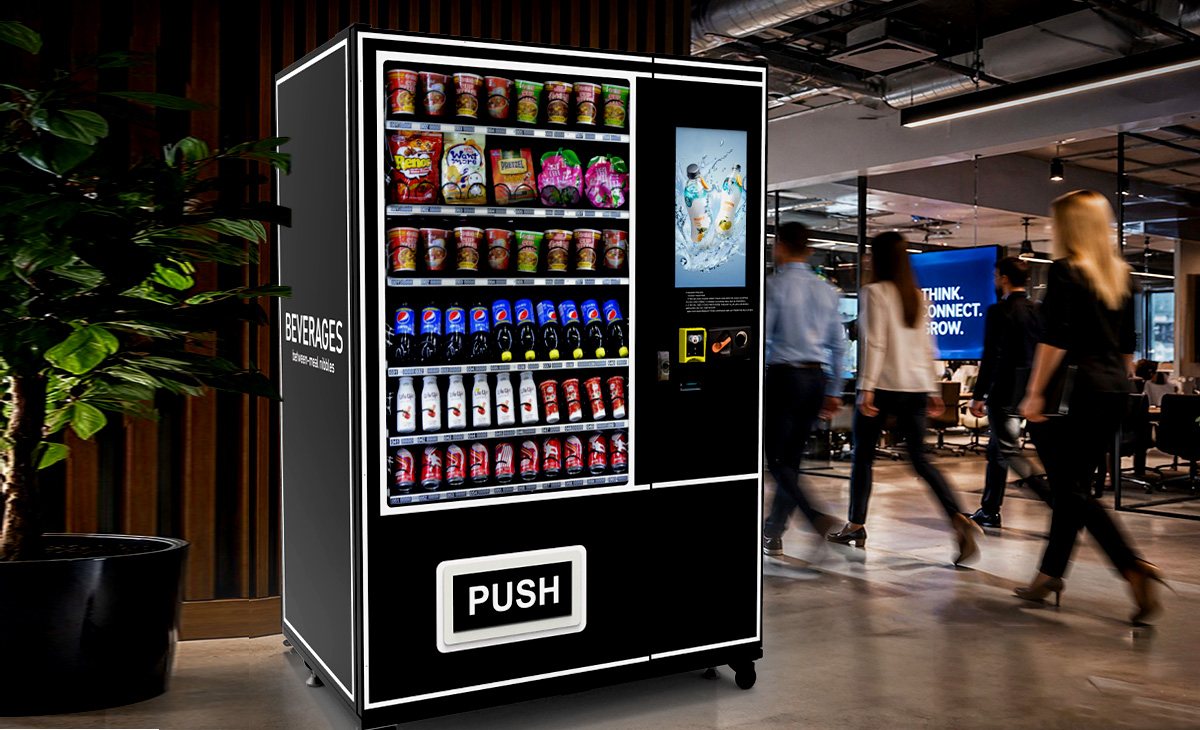
Here is a breakdown of typical costs I have observed across dozens of machines:
| Cost Category | New Machine (USD) | Used Machine (USD) | Notes |
|---|---|---|---|
| Purchase price | $4,000 – $10,000 | $1,200 – $3,500 | Depends on age, brand, features |
| Delivery & installation | $200 – $500 | $200 – $500 | Similar for both |
| Payment system upgrade | $0 (included) | $300 – $800 | Often needed on older units |
| Initial repairs & parts | $0 (warranty) | $200 – $1,000 | Variable, depends on condition |
| Annual maintenance | $200 – $400 | $400 – $800 | Older machines need more attention |
| Estimated first-year total | $4,400 – $10,900 | $2,300 – $6,600 | Savings possible but not guaranteed |
Notice that the gap narrows once you account for upgrades and repairs. A used machine that needs a new compressor, a control board replacement, or a full payment system retrofit can easily erase the initial savings. I always recommend budgeting at least 30% of the purchase price for unexpected repairs during the first year.
Key Factors That Determine Profitability
Profitability in vending is not about the machine itself. It is about the intersection of location, product mix, and operational efficiency. I have seen a $1,500 used machine generate $1,200 per month in a busy auto repair shop waiting area, while a brand new $8,000 machine struggled to break $200 per month in a low-traffic office lobby.
When you are evaluating used ams vending machines for sale, think about where you will place the machine before you think about which model to buy. A location with at least 100 foot traffic per day, a captive audience (no nearby alternatives), and a demographic that matches your product selection is worth more than any equipment specification.
In my own routes, the most profitable locations are not always the highest traffic. A small warehouse with 50 employees who work 10-hour shifts and have no cafeteria nearby can outperform a busy retail store where customers have multiple food options. The key is understanding the consumption pattern of the people who will use the machine.
Common Mistakes When Buying Used Equipment
I have made most of these mistakes myself, and I have watched countless new operators repeat them. The first mistake is buying a machine that is too old to support modern payment systems. If the machine was built before 2010, the control board likely uses proprietary protocols that make it difficult or expensive to integrate a modern card reader. You end up either running a cash-only machine, which limits revenue, or spending more on the upgrade than you saved on the purchase.
The second mistake is ignoring the refrigeration system. A vending machine compressor is the most expensive single component to replace. If the cooling system is weak, leaking, or cycling too frequently, you are looking at a repair bill that can exceed $800. Always ask for a temperature log or run the machine for 24 hours before buying if possible.
The third mistake is underestimating the importance of the payment system. A machine that only accepts coins and bills is a machine that loses sales. According to data from the National Automatic Merchandising Association (NAMA), operators who upgrade to cashless payment systems see an average sales increase of 15% to 35%. If a used machine does not already have a modern card reader, factor that cost into your decision.
The fourth mistake is buying a machine without understanding the local service support. If you are in a rural area or a smaller European city, finding a technician who can repair a specific brand might be difficult. I once owned a machine from a lesser-known Italian manufacturer, and every time it broke down, I had to wait two weeks for a technician to drive three hours. That machine lost me money every month it sat idle.
Where to Find Used Ams Vending Machines For Sale
There are several channels for finding used equipment, and each has trade-offs. Online marketplaces like eBay and Craigslist offer the widest selection but the least accountability. You might find a great deal, but you also might find a machine that has been sitting in a damp garage for two years. I always advise new operators to avoid buying from individuals unless they can inspect the machine in person.
Liquidation auctions, both online and in-person, can yield very low prices, but the condition is often unknown. I have seen machines sell for $200 at auction that needed $1,500 in repairs. Unless you have experience diagnosing vending equipment, auctions are a high-risk source.
Refurbished machines from specialized dealers are a better option for most beginners. These dealers typically clean the machine, replace worn parts, test the refrigeration and payment systems, and offer a limited warranty. The price is higher, but the risk is lower. When you search for used ams vending machines for sale, look for dealers who provide detailed photos of the interior, a list of replaced components, and a return policy.
One manufacturer that has gained a solid reputation for durable, serviceable machines is Zhongda Smart. Their newer models are designed with modular components that make repairs faster and cheaper. While they are more commonly known for new equipment, some refurbishers carry their older models, which are worth considering if you find one in good condition. The build quality tends to be consistent, and parts are generally available through distributors in the US and Europe.
Location Evaluation: The Make-or-Break Decision
I cannot overstate how important location evaluation is. I have seen operators buy the perfect machine at a great price and then fail because they placed it in a location with no demand. Before you commit to any machine, you need to have a location secured or at least a shortlist of potential sites.
When I evaluate a location, I look at three things: foot traffic, dwell time, and competition. Foot traffic is obvious, but dwell time matters more than most beginners realize. A location where people wait, such as a laundromat, car repair shop, or medical office waiting room, generates more sales per visitor than a location where people pass through quickly.
Competition is also critical. If there is a convenience store or a coffee shop within walking distance, your vending machine will struggle unless you offer something unique. The best locations are those where the audience is captive and alternatives are limited.
Here is a quick comparison of location types based on my experience:
| Location Type | Typical Monthly Revenue (USD) | Risk Level | Best Product Category |
|---|---|---|---|
| Large warehouse / factory | $800 – $1,500 | Low | Cold drinks, snacks, sandwiches |
| Auto repair shop | $500 – $1,200 | Low | Snacks, coffee, cold drinks |
| Office building (100+ employees) | $400 – $1,000 | Medium | Healthy snacks, coffee, water |
| Laundromat | $300 – $800 | Medium | Snacks, cold drinks, toiletries |
| Gym / fitness center | $300 – $700 | Medium | Protein bars, water, sports drinks |
| Retail store lobby | $100 – $400 | High | Snacks, cold drinks |
| School / university (with permission) | $600 – $1,200 | Low | Snacks, cold drinks, healthy options |
These numbers are estimates based on my own routes and conversations with other operators. Actual revenue will vary based on pricing, product selection, and local economic conditions.
Product Selection and Inventory Management
Once you have a machine and a location, the next challenge is choosing what to sell. This might seem simple, but I have seen machines fail simply because the operator stocked items that did not match the audience. A machine in a health club filled with candy bars will underperform, while a machine in a construction site filled with granola bars will also underperform.
I use a simple rule: start with a balanced mix of top-selling national brands and test local preferences. In the first month, track what sells and what sits. Adjust accordingly. Most vending management software platforms, such as Cantaloupe or Nayax, provide sales reports that show you exactly which selections are profitable and which are not.
Inventory management is another area where beginners struggle. Overstocking leads to expired products and wasted money. Understocking leads to missed sales and frustrated customers. I aim to visit each machine once per week, but the frequency depends on the location. A high-traffic machine might need restocking twice per week, while a low-traffic machine might be fine with biweekly visits.
Maintenance and the Reality of Vending Machine Repair
Vending machine repair is an unavoidable part of the business. Even the best machines break down. The question is not whether you will need repairs, but how quickly and affordably you can get them done.
For operators who are mechanically inclined, learning basic repairs can save a lot of money. Simple fixes like clearing a jam, replacing a motor, or recalibrating a coin mechanism can be done with basic tools and a YouTube tutorial. More complex issues, such as compressor failure or control board problems, usually require a professional technician.
When you are looking at used ams vending machines for sale, ask about the availability of spare parts. Some brands have parts that are easy to source through distributors like VendParts or directly from the manufacturer. Others have proprietary components that are expensive and hard to find. Zhongda Smart machines, for example, use standardized components that are widely available, which reduces downtime and repair costs.
I also recommend building a relationship with a local technician before you buy your first machine. Ask them what brands they prefer to work on and which ones they avoid. Their answer will tell you a lot about the long-term reliability of different equipment.
Payment Systems and Technology Considerations
The payment system is the most important technology decision you will make. A machine that only accepts cash is a machine that leaves money on the table. In 2024, customers expect to tap their phone or credit card. If your machine cannot do that, many will walk away.
Modern payment systems from companies like Nayax, Cantaloupe, and USA Technologies offer telemetry that tracks sales, inventory, and machine health in real time. This data is invaluable for optimizing your route and reducing waste. When evaluating used ams vending machines for sale, check whether the machine has a telemetry-ready control board. If it does not, factor in the cost of a retrofit, which can range from $300 to $800 depending on the system.
I have seen operators try to save money by buying an older machine and using a standalone card reader that attaches to the exterior. While this works, it is less reliable and often lacks the data integration that modern operators need. If you are serious about building a profitable route, invest in a proper integrated payment and telemetry system from the start.
Regulatory and Compliance Considerations
Vending machines are subject to various regulations depending on your location. In the United States, the FDA requires that certain food products be stored at specific temperatures. In Europe, the EU Food Information to Consumers Regulation applies, and local health authorities may require permits and inspections.
If you are selling food or beverages, you need to ensure your machine meets hygiene standards. This includes regular cleaning, temperature monitoring, and proper labeling of products. Some locations, such as schools and hospitals, have additional restrictions on what you can sell.
I always recommend checking with the local health department before placing a machine. The cost of a permit is usually low, but the cost of a violation can be high. A friend of mine once had his machine impounded because he did not have the proper food handling permit for a machine placed in a municipal building. That mistake cost him over $2,000 in fines and lost equipment.
How to Choose a Supplier or Manufacturer
Whether you buy new or used, the quality of the supplier matters. A good supplier will help you select the right machine for your location, provide documentation, and offer after-sales support. A bad supplier will take your money and disappear.
When I evaluate a supplier, I look for three things: transparency about machine condition, availability of spare parts, and willingness to answer technical questions. If a supplier cannot tell you the cycle count on a used machine or cannot provide a clear photo of the control board, that is a red flag.
For new machines, manufacturers like Zhongda Smart offer solid options at competitive prices. Their machines are designed for easy maintenance and accept standard payment systems, which reduces long-term headaches. While they are not the only player in the market, they are worth considering if you want a reliable machine that will not require constant repairs.
If you are buying used, consider working with a refurbisher who specializes in a specific brand. They will have deep knowledge of common failure points and can often provide a warranty that covers the first 90 days. That warranty alone is worth the premium.
Financial Planning and Return on Investment
Let me be direct: vending is not a get-rich-quick business. It is a steady, cash-flow-oriented business that rewards consistency and attention to detail. A well-placed machine can generate a 20% to 40% net profit margin on product sales, but that margin depends on your cost of goods, your pricing strategy, and your operational efficiency.
Here is a realistic example based on a machine I operate in a warehouse in Ohio. The machine cost $2,800 used, plus $400 for a payment system upgrade. Monthly revenue averages $1,100. Cost of goods is about $550. The location pays no commission, but I pay for electricity, which runs about $30 per month. My net monthly profit is around $520. The machine paid for itself in about six months. That is a good outcome, but it took a year of testing different products and adjusting prices to get there.
Not every machine performs that well. I have machines that generate $300 per month and barely break even after costs. The key is to build a route with enough machines that the strong performers cover the weak ones while you improve or replace the underperformers.
Frequently Asked Questions
Are used vending machines profitable?
Used vending machines can be profitable if the location is good, the machine is reliable, and you manage costs carefully. Profit margins typically range from 20% to 40% after product costs, but location and operational efficiency are the biggest variables.
How much does a used vending machine cost?
Prices vary widely based on age, brand, and condition. You can find basic models for $800 to $1,500, but reliable machines with modern payment systems typically cost $2,000 to $3,500 from a refurbisher. Cheaper machines often require expensive repairs.
How long does it take to recover the investment?
In my experience, a well-placed used machine can pay for itself in 6 to 12 months. Machines in lower-traffic locations may take 18 months or longer. Always calculate your expected monthly net profit before buying.
Should a beginner buy or lease a vending machine?
Buying used is usually better for beginners because it gives you full control and lower monthly costs. Leasing can make sense if you want to test the business without a large upfront investment, but leasing terms often include high fees and restrictions.
What are the best locations for a vending machine?
Locations with captive audiences and limited food options tend to perform best. Warehouses, auto repair shops, gyms, and medical offices are consistently good. Avoid locations with low foot traffic or nearby convenience stores.
What permits or licenses do I need?
Requirements vary by city and country. In the US, you typically need a business license and a seller's permit. If you sell food, you may need a health department permit. Check with your local authorities before placing a machine.
How do I choose a vending machine supplier?
Look for suppliers who are transparent about machine condition, offer a warranty, and have good reviews from other operators. Avoid suppliers who cannot answer technical questions or provide clear photos of the equipment.
What happens if the machine breaks down?
You will need to either fix it yourself or call a technician. Learning basic repairs can save you money. For complex issues, having a reliable technician on call is essential. Some manufacturers, like Zhongda Smart, have good parts availability and support networks.
How can I reduce maintenance and restocking costs?
Use telemetry systems to track inventory and sales remotely so you only visit machines when needed. Standardize your machine fleet to reduce the number of different parts you need to stock. Build efficient routes to minimize travel time between machines.
Final Thoughts on Used Ams Vending Machines For Sale
Buying used vending equipment is a practical way to enter the automated retail business, but it requires careful evaluation and realistic expectations. The machines themselves are just tools. Your success depends on your ability to choose good locations, manage inventory, maintain the equipment, and adapt to changing customer preferences.
I have seen operators build profitable routes starting with a single used machine, and I have seen others lose money by rushing into bad deals. The difference is not luck. It is preparation. Understand the costs, inspect the equipment, secure the location first, and plan for maintenance before you hand over any money.
If you approach used ams vending machines for sale with the same discipline you would use for any other business investment, you have a reasonable chance of building a steady income stream. Just do not expect it to be passive. Vending is a hands-on business, and the operators who treat it that way are the ones who last.
This article was updated in April 2025. The vending industry evolves quickly, especially in payment technology and telemetry. Always verify current market conditions and regulations in your area before making investment decisions.