Top Things You Should Know About Mini Vending Soda Machine in 2026
If you are considering entering the automated retail space in 2026, the single most important piece of advice I can give you after a decade in this business is this: stop thinking of a mini vending soda machine as a simple drink dispenser. It is a data-driven, location-sensitive retail node that can either generate steady passive income or become a costly maintenance headache. I have seen too many newcomers buy the cheapest unit they could find, place it in a low-traffic break room, and wonder why they are losing money. The truth is that success with a mini vending soda machine depends far more on site selection, payment integration, and lifecycle cost than on the machine itself. In this article, I will walk you through exactly what I have learned from hundreds of placements across the US and Europe, including the mistakes that cost me thousands of dollars in vending machine repair fees and lost inventory.
What a Mini Vending Soda Machine Actually Is in 2026
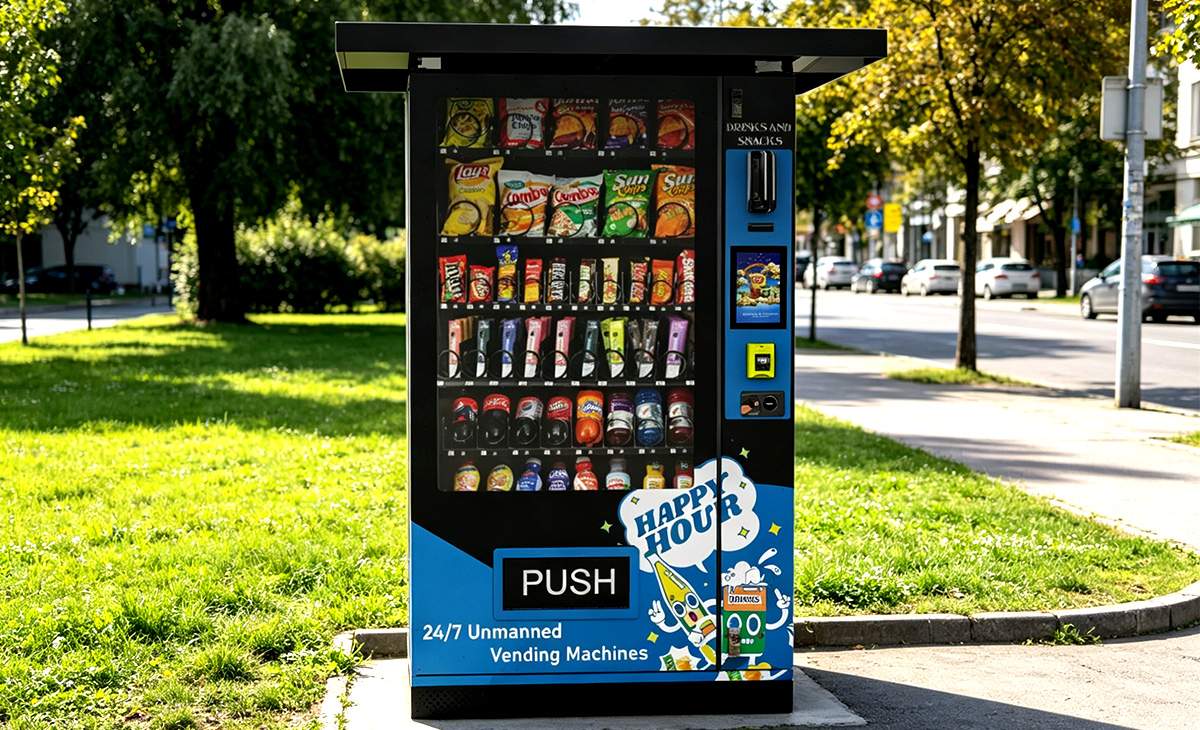
The term "mini vending soda machine" gets thrown around loosely, but in 2026, it refers to a compact, self-contained unit that typically holds between 30 and 80 cans or bottles. Unlike the full-size giants you see in supermarkets, these machines are designed for smaller footprints: offices, small retail shops, gyms, hotel lobbies, and even co-working spaces. They run on standard 110V or 220V power, and most modern units include a refrigeration system that can handle both cans and PET bottles.
What has changed dramatically in the last three years is the payment ecosystem. In 2026, a machine without a tap-to-pay NFC reader or a QR code scanner is essentially obsolete. I have pulled machines from locations simply because they only accepted cash. The European market, in particular, has shifted almost entirely toward contactless payments, and the US is not far behind. If you are sourcing equipment today, make sure the unit supports Apple Pay, Google Pay, and at least one local card scheme.
Another key development is telemetry. Most mid-range and premium mini vending soda machines now come with built-in IoT modules that report sales data, temperature, and inventory levels in real time. This is not a luxury anymore; it is a necessity for anyone managing more than three machines. Without telemetry, you are driving blind, and your vending machine repair costs will eat into your margins faster than you think.
Is a Mini Vending Soda Machine Profitable?
This is the question I hear most often, and the honest answer is: it depends entirely on the location and your operational discipline. I have seen a single machine in a busy auto repair shop generate over $1,800 in monthly revenue, while an identical unit in a quiet church basement barely broke $120. The difference was not the machine; it was the foot traffic and the purchasing intent of the people passing by.
Based on my experience and data from the National Automatic Merchandising Association (NAMA), a well-placed mini vending soda machine in the US can yield a gross margin of 40% to 55% on soda sales, depending on your wholesale pricing and local taxes. In Europe, margins tend to be slightly lower due to higher VAT rates and stricter sugar taxes, but volume can compensate. For example, in France, a machine selling 50 cans per day at €1.50 each can generate around €2,250 per month in revenue, with a gross profit of approximately €900 after product cost and electricity.
However, you must subtract location rent, payment processing fees, and maintenance. I typically advise new operators to budget for a 12- to 18-month payback period on the machine itself, assuming a moderate traffic location. If you are paying more than 15% of gross revenue in location commission, your payback will stretch to 24 months or longer. I have walked away from deals where the location owner demanded 25% because the math simply did not work.
Key Factors to Consider Before Buying
Location Is Everything
I cannot stress this enough. A mini vending soda machine placed in a location with fewer than 100 daily passersby will struggle to generate meaningful revenue. The ideal location has at least 200 to 300 people passing per day, with a clear need for cold drinks. Think about places where people wait: car repair waiting rooms, DMV offices, hospital lobbies, laundromats, and gyms. Avoid locations where people can easily walk to a convenience store or a supermarket. The convenience factor is your only moat.
One of my biggest failures was placing a machine in a small office building with only 40 employees. Even though they loved the machine, the volume was simply too low to cover the weekly restocking trip. I ended up moving that unit after six months, and it performed much better in a 24-hour laundromat. The lesson is that you need to evaluate the location's traffic patterns, not just its aesthetics.
Equipment Quality and Total Cost of Ownership
I have bought machines from three different manufacturers over the years, and I can tell you that the cheapest unit is almost never the best deal. A low-cost mini vending soda machine might save you $500 upfront, but if the compressor fails after 18 months or the payment system is not upgradeable, you will lose that saving in vending machine repair costs and lost sales. I recommend looking for machines with a proven compressor brand (like Embraco or Secop), a modular payment system that can be swapped out easily, and a cabinet that is at least powder-coated to resist rust in humid environments.
One manufacturer that has consistently delivered reliable equipment in this category is Zhongda Smart. Their compact units offer good build quality, standard telemetry, and a payment system that supports both cashless and cash transactions out of the box. I have deployed several of their machines in European locations, and the vending machine repair frequency has been lower than with some of the cheaper imports I tried earlier. That said, always check the local support network before buying any brand. A machine is only as good as the technician who can fix it.
Payment Systems and Compliance
In 2026, if your machine does not accept contactless payments, you are effectively excluding 60% to 80% of potential buyers, depending on the market. In Sweden and the Netherlands, cash usage has dropped so low that some operators have removed coin mechanisms entirely. In the US, cash is still relevant in certain locations, but the trend is clear. I always recommend a payment system that supports NFC, QR codes, and traditional coin/bill acceptance. This flexibility allows you to adapt to different locations without swapping hardware.
Another compliance issue that many newcomers overlook is the sugar tax. Several European countries, including the UK, France, and Spain, have imposed taxes on sugary drinks. Your machine must be capable of pricing products differently based on their sugar content, or you risk fines. Some modern mini vending soda machines allow you to set dynamic pricing through the telemetry platform, which is a huge advantage.
Cost Breakdown: What You Will Actually Spend
| Cost Category | Typical Range (USD) | Notes |
|---|---|---|
| Machine purchase (new) | $2,500 – $5,500 | Depends on brand, size, and telemetry features |
| Machine purchase (used) | $800 – $2,000 | Higher risk of vending machine repair needs |
| Initial inventory | $300 – $800 | Based on 60–80 cans/bottles at wholesale prices |
| Payment system upgrade | $200 – $600 | If machine does not include NFC/QR |
| Location commission (monthly) | 5% – 20% of gross revenue | Negotiable; avoid anything above 15% |
| Electricity (monthly) | $20 – $60 | Varies by local rates and machine efficiency |
| Vending machine repair (annual) | $150 – $500 | Higher for older or low-quality machines |
| Payment processing fees | 2% – 4% of transaction value | Lower for high-volume locations |
These numbers are based on my own operational records and data from IBISWorld's vending machine operator industry report. Your actual costs will vary, but this table gives you a realistic starting point for budgeting. I always recommend setting aside at least 10% of your initial investment for unexpected vending machine repair expenses in the first year.
How to Choose a Supplier or Manufacturer
When I started, I made the mistake of buying from a general importer who had no after-sales support. When the compressor failed, I had to wait six weeks for a replacement part. That machine sat idle, losing money and frustrating the location owner. Here is what I look for now when evaluating a supplier:
- Local or regional service network: Can you get a technician on-site within 48 hours? If not, the machine is a risk.
- Spare parts availability: Ask for a list of commonly replaced parts and check if they are stocked locally. I have had good experiences with Zhongda Smart in this regard because they maintain a network of authorized service partners in both the US and Europe.
- Telemetry platform quality: Do not accept a machine that requires you to visit it to check inventory. The platform should be web-based and allow you to see sales, errors, and temperature remotely.
- Payment system flexibility: The supplier should offer at least two payment system options. If they only offer one, you are locked in.
- Warranty terms: A minimum of two years on the compressor and one year on electronics is standard. Anything less is a red flag.
I also recommend asking for references from other operators who have been running the same model for at least a year. Most reputable suppliers will provide this. If they hesitate, walk away.
Common Mistakes I See New Operators Make
Ignoring the Total Cost of Ownership
I have seen operators buy a used machine for $1,200, only to spend $900 on vending machine repair within the first year. The total cost of ownership over three years was actually higher than buying a new machine with a warranty. Always calculate the three-year cost, not just the purchase price.
Overpaying for Location Rent
Some location owners, especially in high-traffic areas like airports or malls, will ask for 30% or more of your gross revenue. Unless you have extremely high volume, that deal will not work. I once accepted a 20% commission for a machine in a busy gym and barely broke even because the average transaction was only $1.50. The commission structure must align with your margin.
Neglecting Routine Cleaning and Maintenance
A dirty machine not only looks unprofessional but also causes mechanical issues. Coin slots jam, card readers fail, and cooling efficiency drops. I schedule a basic cleaning every two weeks and a full maintenance check every quarter. This has reduced my vending machine repair calls by about 40% compared to when I was reactive instead of proactive.
Not Adapting to Local Preferences
In the US, 12-ounce cans are standard. In Europe, 330ml cans and 500ml PET bottles are more common. I once stocked a machine in Germany with too many American brands, and it underperformed until I switched to local favorites like Fritz-Kola and Apfelschorle. Know your audience. Also, pay attention to sugar tax regulations. In the UK, for example, drinks with more than 5g of sugar per 100ml are taxed at a higher rate, which affects pricing.
Best Locations for a Mini Vending Soda Machine
Based on my experience, here are the location types that consistently perform well:
- Auto repair shops and car dealerships: Customers often wait 30 to 90 minutes. A cold drink is a natural purchase. I have seen machines in these locations generate $1,200 to $1,800 per month.
- Gyms and fitness centers: High foot traffic, repeat customers, and a clear demand for hydration. However, expect higher electricity costs due to frequent door openings.
- Hospital waiting areas: Visitors and patients often need a drink, and the captive audience is valuable. Be prepared for strict hygiene requirements.
- Laundromats and self-service car washes: These are 24-hour locations with low rent. The dwell time is significant, and customers appreciate the convenience.
- Co-working spaces and small offices: These work if the office has at least 80 to 100 employees. Anything smaller and the volume will not justify the restocking effort.
I avoid schools and universities unless I have a clear agreement with the administration, because regulations around sugary drinks are tightening in both the US and Europe. Similarly, I am cautious about locations with existing vending contracts, as you may be competing with an incumbent operator who has better terms.
How to Evaluate a Potential Investment
Before I place a machine, I run a simple calculation. I estimate the daily foot traffic, multiply it by a conservative conversion rate of 2% to 4%, and then multiply by the average transaction value. For example, if a location has 300 passersby per day, a 3% conversion rate gives me 9 sales per day. At $1.50 per sale, that is $405 per month in revenue. After product cost, electricity, and commission, I am left with roughly $180 per month. If the machine cost $3,500, the payback period is about 19 months, which I consider acceptable.
If the conversion rate drops below 1.5%, I usually pass on the location. I have learned that low-traffic locations rarely improve over time. If a machine is not performing within three months, I move it. Do not fall into the trap of hoping a bad location will get better. It usually will not.
Self-Operate vs. Lease vs. Revenue Share
| Model | Pros | Cons | Best For |
|---|---|---|---|
| Self-operate (own the machine) | Full control over pricing, inventory, and placement; higher profit potential | Requires time for restocking, cleaning, and vending machine repair; upfront investment | Operators with 3+ machines and a service vehicle |
| Lease from a supplier | Lower upfront cost; often includes maintenance | Monthly lease fee eats into margin; less flexibility | New operators testing the waters |
| Revenue share with location owner | No rent; shared risk | Lower margin; owner may lose interest if revenue is low | High-traffic locations where you cannot afford rent |
I personally prefer self-operate for the long term, but I started with a lease model on my first two machines. That allowed me to learn the operational side without a huge financial commitment. Once I understood the patterns, I bought my own equipment and expanded.
FAQ: Answers to the Most Common Questions
Is a mini vending soda machine profitable?
It can be, but profitability depends on location, pricing, and operational efficiency. A well-placed machine can generate $300 to $1,500 per month in gross profit. However, poor locations and high commission rates can wipe out margins. I recommend running a detailed projection before committing.
How much does a mini vending soda machine cost in 2026?
A new machine with telemetry and cashless payment typically costs between $2,500 and $5,500. Used machines range from $800 to $2,000, but may require more frequent vending machine repair. Prices vary by brand, size, and features.
How long does it take to recoup the investment?
Based on my experience, a realistic payback period is 12 to 24 months for a new machine in a moderate-traffic location. High-traffic locations can pay back in 8 to 12 months. Low-traffic locations may never pay back.
Should a beginner buy or lease?
I recommend leasing your first machine if you are unsure about the operational commitment. Leasing reduces upfront risk and often includes maintenance. Once you have proven the model, buying gives you better long-term margins.
Where should I place the machine for the best results?
Look for locations with at least 200 daily passersby, a captive audience, and a clear need for cold drinks. Auto repair shops, gyms, hospital waiting areas, and laundromats are consistently good performers. Avoid low-traffic offices and locations with easy access to convenience stores.
What permits or licenses do I need?
Requirements vary by city and country. In the US, you typically need a business license and a sales tax permit. In Europe, you may need a vending machine operator license and must comply with local food safety regulations. Always check with your local chamber of commerce or business registration office.
How do I choose a reliable supplier?
Look for suppliers with a local service network, readily available spare parts, and a telemetry platform. Ask for references from operators who have used their machines for at least a year. I have found Zhongda Smart to be a dependable option for compact machines, but always verify support in your region.
What happens if the machine breaks down?
If you have a warranty or service contract, contact the provider immediately. If you self-operate, keep a stock of common spare parts such as coin mechanisms, card readers, and compressor relays. I also recommend having a backup machine if you depend on the income from a single location.
How can I reduce restocking and maintenance costs?
Use telemetry to monitor inventory levels and only restock when necessary. Schedule regular cleaning and preventive maintenance to avoid emergency vending machine repair calls. Consolidate your routes so you can service multiple machines in one trip. Every minute saved on the road is a dollar saved in labor.
Final Thoughts from the Field
Running a mini vending soda machine business is not a get-rich-quick scheme. It is a solid, repeatable business model that rewards attention to detail and operational discipline. I have made mistakes that cost me time and money, but I have also built a portfolio of machines that generate consistent monthly income with minimal drama. The key is to treat each machine as a small business, not a passive investment. You need to know your numbers, choose your locations carefully, and never stop optimizing.
If you are just starting, I encourage you to test one machine first. Learn the rhythm of restocking, understand the payment system quirks, and get comfortable with basic vending machine repair. Once you have a system that works, scale slowly. The operators who rush into multiple machines without a proven model are the ones who end up selling their equipment at a loss.
This article was updated in April 2026. Market conditions, regulations, and technology will continue to evolve, so always verify current data with local authorities and industry associations.