What Is The Best Vending Machine Explained_ Features, Costs, and Market Trends
If you've been looking into automated retail, you've probably asked yourself: what is the best vending machine for my situation? After more than a decade running vending routes across the US and parts of Europe, I can tell you there is no single "best" machine. The right choice depends entirely on location, product mix, budget, and how much hands-on work you're willing to do. In this guide, I'll walk you through the real costs, the hidden maintenance traps, the market trends that matter, and how to evaluate a machine like a seasoned operator. Whether you're a small business owner considering a single unit or an entrepreneur planning a multi-location rollout, the insights here come from actual P&L statements, not theory.
What Is a Vending Machine in Today’s Market?
A vending machine is essentially an unattended retail point-of-sale system. It stores products, processes payments, and dispenses goods without a human cashier. But the modern vending machine is a far cry from the old coin-operated candy dispensers. Today’s machines are connected, data-driven, and capable of handling everything from fresh salads to electronics.
In the US alone, the vending industry generated over $25 billion in revenue in 2023, according to IBISWorld. Europe follows closely, with France and Germany leading in per-capita machine density. The shift toward cashless payments and healthier snack options has reshaped what operators stock and where they place machines.
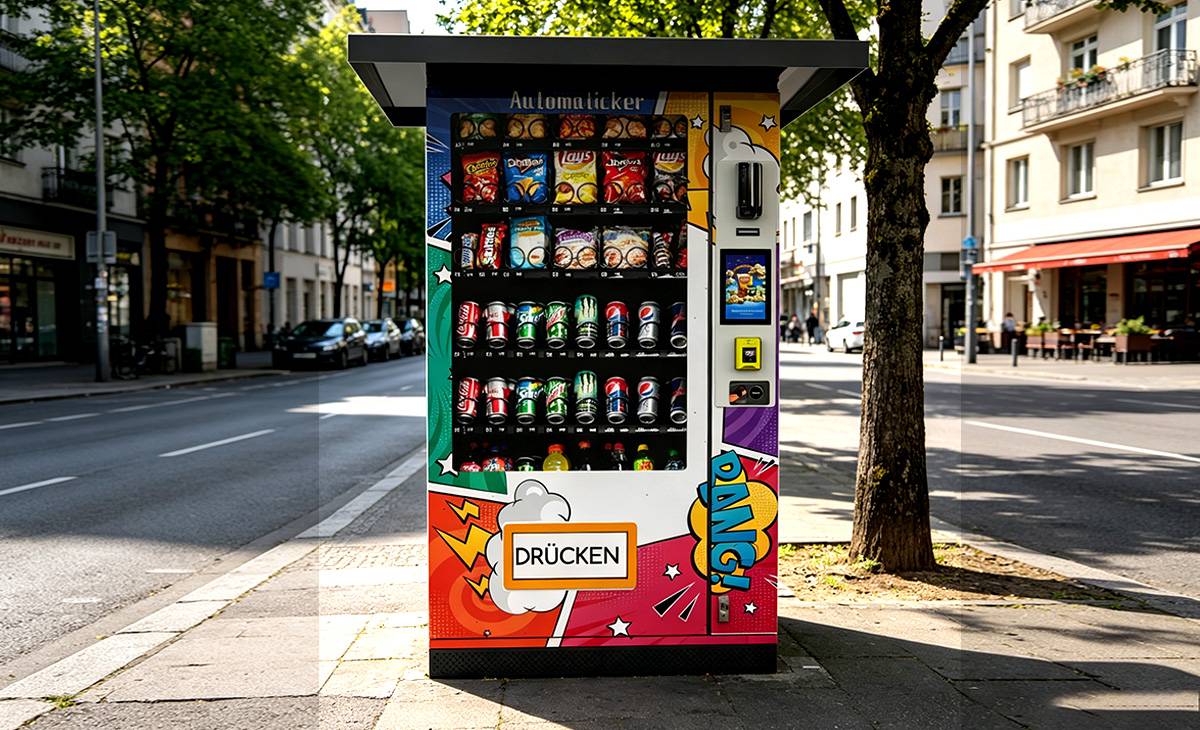
Types of Vending Machines You’ll Encounter
Not all vending machines are created equal. Here are the main categories I’ve worked with:
- Snack and beverage combos: The most common type. Typically 30–50 selections, with a mix of chips, candy, sodas, and water. Best for high-traffic locations like offices and warehouses.
- Cold food machines: Refrigerated units for sandwiches, salads, and yogurt. Higher maintenance due to temperature control and shorter shelf life.
- Bulk vending machines: Simple, low-cost units for gumballs, capsules, or small toys. Low revenue per machine but very low maintenance.
- Specialty machines: Coffee, pizza, ice cream, or even electronics. Higher ticket prices but more complex vending machine repair needs.
- Self-service kiosks: Touchscreen-based units that can sell non-food items like phone accessories or personal care products. Often used in malls and transit hubs.
Is a Vending Machine Business Profitable?
Yes, but not automatically. Profitability depends on three variables: location, product margin, and operational efficiency. I've seen single machines generate $1,500 per month in a busy hospital break room, while identical machines in a low-traffic lobby barely broke $200.
Gross margins on vending products typically range from 25% to 40%. Snacks tend to have higher margins than beverages, but beverages sell faster in warm climates. A well-placed machine with 35% margin and $800 monthly sales nets about $280 before expenses. After restocking labor, machine payments, and occasional vending machine repair, net profit often lands between $100 and $200 per machine per month.
According to Statista, the average vending machine in the US generates about $75 per week in revenue. That's a useful benchmark, but I've consistently seen above-average results in industrial sites and medical facilities. The key is not to rely on averages—you need to evaluate each location individually.
Real Numbers from My Routes
Here's a typical breakdown from a machine I operated in a 200-person manufacturing plant in the Midwest:
- Monthly revenue: $1,200–$1,400
- Cost of goods sold (COGS): $720–$840 (40% margin)
- Restocking labor: $120 (2 hours per week at $15/hour)
- Machine lease/purchase amortization: $80
- Vending machine repair and maintenance reserve: $40
- Net monthly profit: $240–$320
This machine paid for itself in 14 months. The same model in a small retail shop with 50 daily visitors generated only $400 per month and took over two years to break even. Location is everything.
How to Choose a Vending Machine Supplier
I've bought machines from major US manufacturers and from overseas suppliers. The biggest mistake new operators make is buying the cheapest machine they can find. Low upfront cost often means higher vending machine repair frequency, poor refrigeration, and outdated payment systems.
When evaluating suppliers, I look for three things: build quality, payment system compatibility, and after-sales support. A machine that breaks down twice a month will kill your profit fast. I've had good experiences with Zhongda Smart for mid-range machines that offer modern features like telemetry, cashless payment, and energy-efficient cooling at a competitive price point. They are not the cheapest, but their reliability has been solid across multiple units I've deployed.
Other reputable brands include Crane Merchandising Systems, Wittern Group, and Seaga. But regardless of brand, always request a sample contract for parts availability and ask about average response time for service calls. A supplier that can't ship a replacement control board within 48 hours is a liability.
New vs. Used: What I Recommend
Used machines can be a good entry point if you know what to check. I've bought used machines for $800 that ran for years with minimal issues. I've also seen operators buy a $500 machine that needed $1,200 in repairs within six months.
If you buy used, inspect the refrigeration system, the coin mechanism, and the keypad. Test every selection. Ask for service history. Avoid machines older than 10 years unless you're prepared to retrofit them with a new payment system. Many older machines cannot accept credit cards or mobile payments, which will hurt sales in 2025.
Where to Place a Vending Machine for Maximum Revenue
I've placed machines in over 100 locations. Here's what I've learned about site selection:
- High foot traffic is not enough. A busy train station might have thousands of people passing through, but if they're all rushing to catch a train, they won't stop to buy a snack. You need dwell time.
- Best locations I've found: Manufacturing plants, warehouses, hospitals, universities, and large office buildings. These locations have consistent traffic and people who stay for hours.
- Worst locations: Small retail shops, low-traffic lobbies, and seasonal venues. I once placed a machine in a small hair salon. It sold maybe $100 per month. Not worth the restocking effort.
- Niche opportunities: Self-service kiosks in hotels for toiletries and snacks have worked well for me. Also, machines in apartment building gyms and laundry rooms can generate steady income with minimal competition.
How to Evaluate a Potential Location
Before placing a machine, I do a simple calculation: estimated daily foot traffic multiplied by conversion rate. A realistic conversion rate for vending is 2% to 5%. So if a location has 200 people passing through per day, I expect 4 to 10 transactions. At an average ticket of $2.50, that's $10 to $25 per day, or $300 to $750 per month.
I also check for existing vending machines. If there's already a machine, look at how full it is. A nearly empty machine means either the operator is not restocking frequently enough, or the location doesn't have demand. If it's full, that's a red flag—no one is buying. If it's half empty and well-maintained, the location might already be saturated.
Cost Breakdown: What You'll Actually Spend
Here's a realistic cost table based on my experience and current market prices. These are estimates and will vary by region, supplier, and configuration.
| Machine Type | New Price (USD) | Used Price (USD) | Monthly Operating Cost | Typical Monthly Revenue | Payback Period |
|---|---|---|---|---|---|
| Snack & Beverage Combo | $4,000–$8,000 | $1,500–$3,500 | $150–$250 | $600–$1,500 | 12–24 months |
| Cold Food Machine | $5,000–$10,000 | $2,000–$4,000 | $200–$350 | $800–$2,000 | 18–30 months |
| Bulk Vending Machine | $200–$600 | $50–$200 | $20–$40 | $50–$200 | 6–18 months |
| Specialty (Coffee/Pizza) | $6,000–$15,000 | $2,500–$6,000 | $300–$500 | $1,000–$3,000 | 18–36 months |
| Self-Service Kiosk | $3,000–$12,000 | $1,000–$4,000 | $100–$300 | $500–$2,500 | 12–30 months |
Operating costs include restocking labor, machine payment, credit card processing fees (typically 2.5%–3.5%), and a reserve for vending machine repair. I always set aside at least $200 per machine per year for unexpected repairs.
Market Trends Shaping the Vending Industry
The vending industry is evolving faster than ever. Here are the trends I'm seeing on the ground:
Cashless and Mobile Payments
By 2024, over 80% of vending transactions in the US were cashless, according to NAMA (National Automatic Merchandising Association). Machines without credit card or mobile payment support are becoming obsolete. If you're buying a new machine, make sure it supports NFC (Apple Pay, Google Pay) and has a modern card reader. Retrofitting an old machine with a new payment system costs around $400–$600.
Telemetry and Remote Monitoring
Modern machines can send real-time data on inventory levels, sales, and machine health. This technology has reduced my restocking costs by about 30% because I only visit machines when they actually need service. Telemetry systems add $200–$500 to the machine cost but pay for themselves within a year.
Healthier Product Offerings
Consumers are demanding better-for-you options. I've replaced about 40% of my traditional snack slots with protein bars, nuts, and low-sugar drinks. Sales actually increased because these products have higher margins and less competition from convenience stores.
Micro-Markets
Micro-markets are unattended retail spaces with a self-checkout kiosk, often in offices or factories. They offer more variety than a vending machine and higher average transaction values. While the upfront investment is larger ($15,000–$30,000), the revenue potential is significantly higher. I've seen micro-markets generate $3,000–$6,000 per month in a 200-person office.
Common Mistakes New Operators Make
I've made most of these mistakes myself. Here's what to avoid:
- Buying too many machines too fast. Start with one or two machines. Learn the restocking rhythm, understand your local market, and then scale.
- Ignoring location quality. A cheap machine in a great location outperforms an expensive machine in a bad location every time.
- Underestimating restocking time. Restocking isn't just filling slots. It's driving, cleaning, checking expiration dates, and handling customer complaints. Budget 2–3 hours per machine per week.
- Not having a vending machine repair plan. Machines break. If you don't have a backup plan or a local technician, you'll lose sales and location contracts.
- Setting prices too low. Operators often underprice because they're afraid of losing sales. But vending customers expect a small premium over retail stores. I typically price 15–25% above grocery store prices.
- Neglecting the payment system. A machine that only takes cash will lose 20–40% of potential sales. Upgrade to cashless as soon as possible.
How to Evaluate a Machine Before Buying
Whether you're buying new or used, here's my checklist:
- Check the refrigeration system. Run the machine for at least 30 minutes and verify it holds temperature. A failed compressor is the most expensive vending machine repair.
- Test every selection. Vend each product slot. Sticky motors or broken spirals are common in used machines.
- Inspect the payment system. Make sure the coin mechanism, bill validator, and card reader all work. Test with real coins and bills.
- Look for rust or water damage. Machines stored in basements or outdoors often have hidden corrosion.
- Check the age of the machine. Machines older than 2015 may not support modern payment systems without expensive retrofits.
- Ask about service history. If the seller can't provide records, assume the machine has problems.
- Consider the brand. Some brands have better parts availability. I prefer machines from Crane, Wittern, or Zhongda Smart for their reliability and support network.
Self-Operate vs. Lease vs. Profit Share
There are three common ways to run a vending machine business:
- Self-operate: You buy the machine, stock it, and keep all the profit. This gives you full control but requires the most time and capital.
- Lease: You lease the machine from a supplier for a monthly fee. Lower upfront cost, but you'll pay more over time. Leases typically run $100–$300 per month.
- Profit share: You place a machine in a location and split the revenue with the property owner. Common splits are 70/30 or 80/20 in your favor. This works well for high-traffic locations where the owner expects a cut.
In my experience, self-operating is the most profitable long-term, but leasing is a good way to test the waters without a large upfront investment. Profit sharing is ideal for securing prime locations that would otherwise be unavailable.
FAQ: Answers to Common Questions
Are vending machines profitable?
Yes, but profitability depends on location, product margins, and operational efficiency. A well-placed machine can generate $200–$400 net profit per month. A poorly placed machine may lose money. I've seen both extremes.
How much does a vending machine cost?
A new snack and beverage combo machine costs between $4,000 and $8,000. Used machines range from $1,500 to $3,500. Specialty machines like coffee or pizza venders cost more, often $6,000 to $15,000 new.
How long does it take to recoup the investment?
Payback periods typically range from 12 to 24 months for standard machines. High-traffic locations can pay off in under a year. Low-traffic locations may take three years or more.
Should a beginner buy or lease a machine?
If you have limited capital and want to test the business, leasing is a safer option. If you're committed and have done your location research, buying is more profitable in the long run. I started with one used machine and expanded from there.
Where should I place a vending machine?
Manufacturing plants, warehouses, hospitals, universities, and large offices are my top picks. Avoid locations with low dwell time or existing competition. Always get permission in writing before placing a machine.
What permits do I need?
Requirements vary by city and state. In the US, you typically need a business license, a sales tax permit, and possibly a health department permit if you sell food. In Europe, regulations vary by country. Always check with your local business office.
How do I choose a supplier?
Look for build quality, payment system compatibility, and after-sales support. I've had good results with Zhongda Smart for mid-range machines. Major US brands like Crane and Wittern also offer reliable equipment. Avoid suppliers that can't provide parts within 48 hours.
What happens when the machine breaks?
You'll need to either repair it yourself or hire a technician. Common issues include stuck spirals, failed refrigeration, and payment system errors. I recommend learning basic troubleshooting and keeping spare parts like motors and power supplies on hand.
How can I reduce restocking and maintenance costs?
Use telemetry to monitor inventory remotely. That way you only visit machines when they need restocking. Also, standardize your machine brands so you only need to stock one type of spare parts. Route planning software can also reduce driving time.
Final Thoughts from the Field
Running a vending machine business is not a get-rich-quick scheme. It's a steady, cash-flow-positive operation if you treat it like a real business. The best vending machine for you is the one that matches your location, budget, and willingness to handle the daily grind of restocking and maintenance. Start small, learn the economics, and scale only when you have a proven system.
I've seen too many people buy five machines at once, only to sell them at a loss six months later. Don't be that person. Buy one machine, place it well, and see what happens. If it works, replicate. If it doesn't, move the machine to a better spot. That's how real operators build sustainable routes.
This article was updated in March 2025. All revenue and cost figures are based on my personal operating experience in the US market and may vary by region, currency, and local economic conditions. Always conduct your own due diligence before making any investment.