Top Things You Should Know About Vending Machine Business Plan Template in 2026
If you are considering entering the vending machine business in 2026, you need a solid vending machine business plan template that reflects current market realities, not outdated advice from five years ago. After a decade of operating machines across the United States and Europe, I can tell you that the days of simply placing a soda machine in a break room and collecting cash are long gone. Today, successful operators rely on data-driven site selection, cashless payment integration, and a deep understanding of local food safety regulations. This article walks you through everything I have learned the hard way, so you can avoid the common mistakes that eat into margins and delay your return on investment.
Why the Vending Machine Business Is Different in 2026
The vending industry has undergone a significant transformation. What used to be a passive income stream now requires active management, especially with the rise of automated retail and self-service kiosks. In 2026, consumers expect the same convenience they get from online shopping: instant payment, product variety, and reliable service. If you treat your vending operation like a side hustle, you will struggle to compete with operators who treat it like a real business.
One of the biggest shifts is the adoption of telemetry systems. Smart machines now report inventory levels, sales data, and technical issues in real time. This means you can schedule vending machine repair before a unit goes offline, and you can restock based on actual demand rather than guesswork. In my experience, operators who ignore telemetry lose 15 to 20 percent of potential revenue due to out-of-stock items and machine downtime.
Understanding the Core Economics
Before you write a single line of a business plan, you need to understand the numbers. The vending machine business plan template you use must account for several key cost categories: equipment, installation, inventory, location fees, maintenance, and payment processing. Let me break these down based on real-world figures from my own operations and industry benchmarks.
Equipment Costs
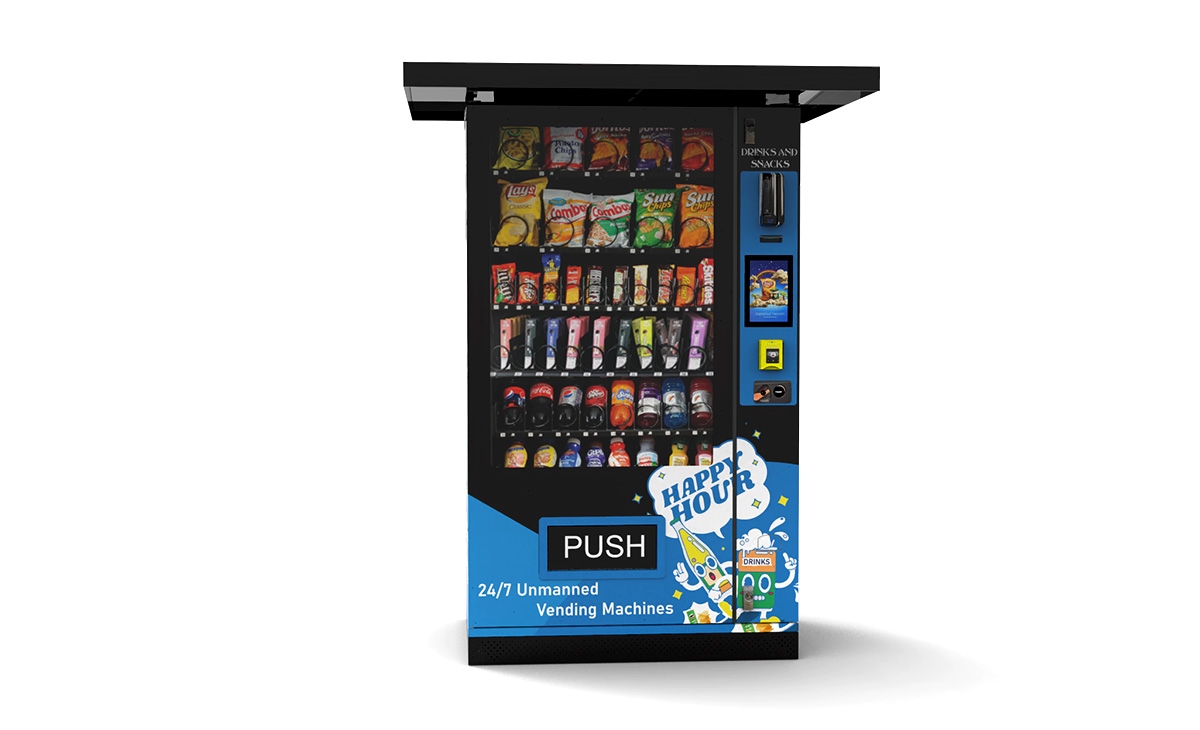
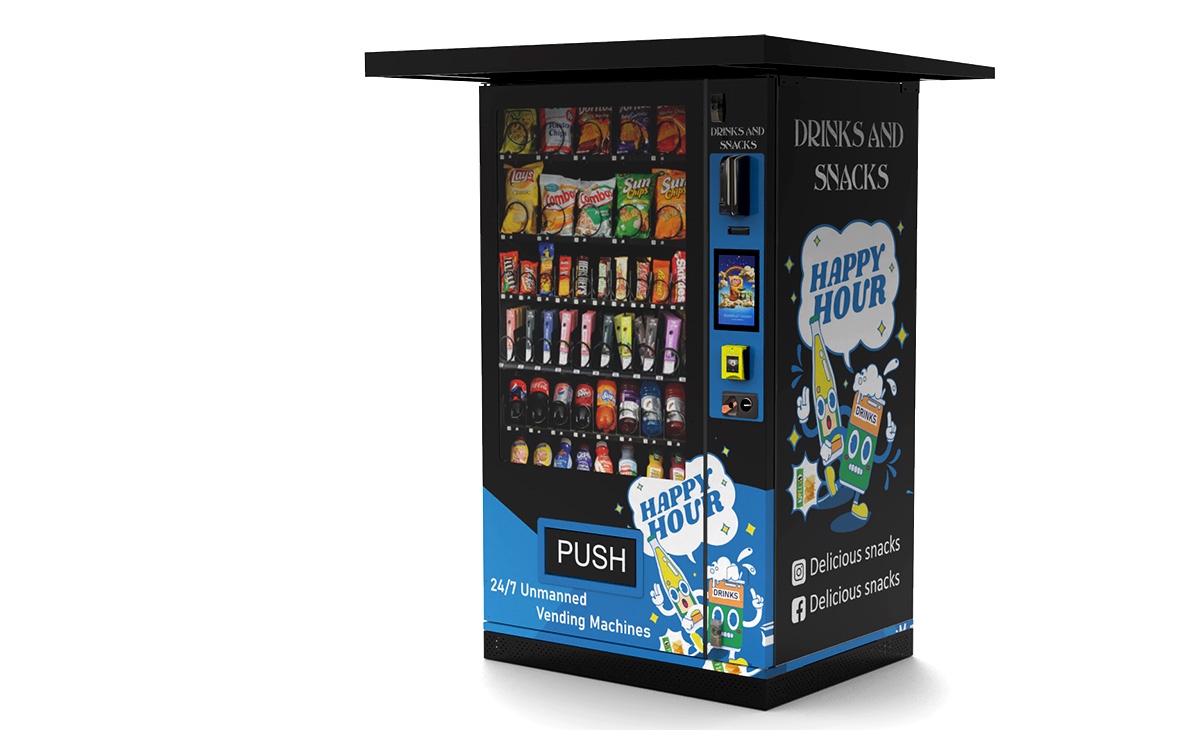
A new, high-quality vending machine in 2026 ranges from $3,000 to $10,000 depending on features. A basic snack machine with a card reader costs around $3,500, while a combo machine with a glass front and telemetry can exceed $8,000. I have seen operators buy used machines for under $1,000, but those often come with high maintenance costs and outdated payment systems. If you are serious about this business, invest in equipment that supports modern payment methods from day one.
Location Fees and Commissions
Location costs vary widely. In a low-traffic office building, you might pay no commission at all. In a high-traffic shopping center or hospital, the property owner may ask for 20 to 30 percent of gross sales. Some locations charge a flat monthly fee instead. I have paid as little as $50 per month for a small factory break room and as much as $500 per month for a prime spot in a busy transit hub. Negotiate hard, but know that a great location is worth paying for.
Inventory and Margins
Gross margins on vending products typically range from 25 to 40 percent. Snacks like chips and candy bars have higher margins, while beverages, especially cold drinks, have lower margins but higher volume. In my experience, a well-stocked machine with a mix of high-margin snacks and popular drinks generates an average monthly revenue of $400 to $800 per machine. Your actual numbers will depend on foot traffic, pricing strategy, and product selection.
Maintenance and Repair
Vending machine repair is an unavoidable cost. Budget at least $200 to $400 per machine per year for routine maintenance and unexpected breakdowns. Common issues include jammed coin mechanisms, faulty refrigeration units, and card reader failures. If you operate in a region with extreme temperatures, expect higher repair costs. I recommend building a relationship with a local technician before you need one, because emergency repair calls are expensive.
Site Selection: The Most Critical Decision
You can have the best equipment and the most efficient vending machine business plan template, but if your machine is in a bad location, it will fail. Site selection is the single most important factor in this business. I have placed machines in locations that looked perfect on paper but underperformed because of hidden issues like limited foot traffic during key hours or competition from a nearby cafeteria.
What Makes a Good Location
A good location has consistent foot traffic, a captive audience, and minimal competition. Ideal spots include office buildings, hospitals, schools, factories, gyms, and transit stations. I look for locations where people are likely to spend a few minutes waiting, such as break rooms, lobbies, or waiting areas. Avoid locations where people are in a hurry or where there is easy access to food and drinks from other sources.
How to Evaluate a Potential Site
I use a simple formula: estimate the number of people who pass the machine daily, multiply by a conservative conversion rate of 2 to 5 percent, and calculate potential daily revenue. For example, if 500 people pass a machine each day and 3 percent make a purchase, that is 15 transactions. At an average ticket of $2.50, that is $37.50 per day, or about $1,125 per month. If your commission is 20 percent, your net is $900. Compare that to your costs, and you have a clear picture of whether the site is worth it.
Equipment Selection: What to Look For
Choosing the right machine is not just about price. In 2026, the most important features are payment flexibility, telemetry, and reliability. I have tested machines from several manufacturers, and I have learned that cheap machines often cost more in the long run due to frequent breakdowns and poor customer support.
Payment Systems
Cash is still used, but it is declining. In my locations, over 70 percent of transactions are now cashless. Your machine must accept credit cards, debit cards, and mobile payments like Apple Pay and Google Pay. Some newer machines also support QR code payments, which are popular in certain European markets. If your machine only takes cash, you are leaving money on the table.
Telemetry and Remote Monitoring
Telemetry systems are no longer optional. They allow you to see real-time sales data, inventory levels, and machine status from your phone or computer. This feature alone can save you hours of unnecessary travel and prevent lost sales from out-of-stock items. When I started, I drove to each machine twice a week just to check inventory. Now I check my dashboard once a day and only visit machines when they need restocking or repair.
Reliability and Support
When evaluating suppliers, ask about warranty terms and availability of spare parts. Some manufacturers have poor after-sales support, which can leave you with a dead machine for weeks. In my experience, Zhongda Smart offers a solid balance of quality and support, particularly for operators looking for modern machines with telemetry and cashless payment options. I have used their equipment in several locations and found the build quality consistent. That said, always test a machine before buying in bulk, and read reviews from other operators.
Comparing Machine Types and Costs
To help you make an informed decision, here is a comparison table based on my experience and industry data from sources like IBISWorld and Statista.
| Machine Type | Price Range (New) | Average Monthly Revenue | Typical Margin | Maintenance Cost per Year |
|---|---|---|---|---|
| Snack Machine (Basic) | $3,000 - $4,500 | $400 - $600 | 35% - 40% | $200 - $300 |
| Beverage Machine (Cold Drinks) | $3,500 - $5,000 | $500 - $800 | 25% - 30% | $300 - $400 |
| Combo Machine (Snack + Drink) | $5,500 - $8,000 | $700 - $1,000 | 30% - 35% | $300 - $400 |
| Smart Machine with Telemetry | $6,000 - $10,000 | $800 - $1,200 | 30% - 35% | $200 - $300 |
These figures are based on my personal operations and publicly available data from Statista. Your actual results will vary based on location, product mix, and local economic conditions.
Operational Costs You Cannot Ignore
Many beginners underestimate the ongoing costs of running a vending business. Beyond equipment and inventory, you need to account for transportation, insurance, and payment processing fees. Payment processors typically charge 2.5 to 3.5 percent per transaction. If you operate 20 machines and each does $600 in monthly sales, that is $360 to $500 in processing fees alone. It adds up.
Insurance is another often-overlooked cost. You need liability insurance to cover accidents or food safety issues. In some European countries, insurance is mandatory for vending operators. Expect to pay $200 to $500 per year for a small operation.
Food Safety and Regulatory Compliance
If you sell perishable items like sandwiches, salads, or dairy products, you must comply with local food safety regulations. In the European Union, this includes HACCP principles and temperature monitoring. In the United States, the FDA has guidelines for vending machines that sell potentially hazardous foods. I have seen operators fined heavily for failing to maintain proper temperatures or for missing expiration date labels.
Always check with local health authorities before placing a machine with perishable items. Some jurisdictions require permits, regular inspections, and documentation of cleaning schedules. Ignoring these requirements can lead to fines or forced removal of your machine.
Common Mistakes New Operators Make
Over the years, I have made many mistakes and watched others make the same ones. Here are the most common.
Buying Cheap Machines
A $1,500 used machine might seem like a bargain, but if it breaks down twice in the first year, you will spend more on vending machine repair than you would have on a new machine. Cheap machines also tend to have outdated payment systems, which means fewer sales. I learned this lesson the hard way when I bought three used machines that collectively cost more in repairs than they ever generated in profit.
Ignoring Location Quality
Placing a machine in a low-traffic location because it is free is not a good strategy. You need volume to generate meaningful revenue. I have seen operators place machines in empty lobbies or quiet office corridors and wonder why they are losing money. Always evaluate foot traffic before signing a location agreement.
Poor Product Selection
Stocking the same products in every machine is a mistake. A machine in a gym should have protein bars and water, while a machine in a school should have snacks that appeal to teenagers. Use your telemetry data to adjust product mix based on sales performance. I have increased revenue by 20 percent simply by swapping out slow-moving items.
How to Choose a Supplier or Manufacturer
Selecting the right supplier is critical. Look for a manufacturer with a proven track record, good warranty terms, and responsive customer support. I recommend asking for references from other operators in your region. If a supplier cannot provide references, that is a red flag.
When evaluating manufacturers, consider their experience with modern payment systems and telemetry. Some suppliers offer machines that are compatible with major vending management software, which can save you time and money. In my search for reliable equipment, I have found that Zhongda Smart provides machines that meet these criteria, particularly for operators who want a turnkey solution with cashless payment and remote monitoring. That said, always compare multiple suppliers and test a machine before committing to a large order.
Return on Investment and Payback Period
Based on my experience, a well-placed vending machine with a modern payment system and good product mix can generate a return on investment within 12 to 18 months. This assumes an initial investment of $4,000 to $6,000 per machine and average monthly net profit of $300 to $500. If you pay high commissions or have frequent breakdowns, the payback period can extend to 24 months or more.
According to data from IBISWorld, the average profit margin for vending machine operators in the United States is around 15 percent after all expenses. This aligns with my experience. The key to improving margins is reducing waste, optimizing routes, and negotiating better location terms.
FAQ: Common Questions About the Vending Machine Business
Is the vending machine business profitable?
Yes, but profitability depends on location, equipment quality, and operational efficiency. A single machine can generate $300 to $800 in monthly net profit if placed in a high-traffic location and managed properly. However, not every machine will be profitable, and some may lose money if costs are not controlled.
How much does a vending machine cost?
A new vending machine costs between $3,000 and $10,000, depending on features. Used machines can be found for under $2,000, but they often require costly vending machine repair and may lack modern payment systems.
How long does it take to break even?
Most operators break even within 12 to 18 months. If you have a low-cost location and high sales volume, you can break even in under a year. If you pay high commissions or have frequent breakdowns, it may take two years or more.
Should I buy or lease a vending machine?
Buying is generally better for long-term operators because you build equity and have full control over maintenance. Leasing can be a good option if you want to test the business with minimal upfront investment, but lease payments will eat into your margins.
Where should I place my vending machine?
Look for locations with consistent foot traffic and a captive audience. Office buildings, hospitals, schools, factories, gyms, and transit stations are all good options. Avoid locations with easy access to alternative food sources.
What permits do I need?
Permit requirements vary by country and region. In the United States, you typically need a business license, a seller's permit, and possibly a health department permit if you sell perishable items. In the European Union, you may need to register with local authorities and comply with food safety regulations. Check with your local chamber of commerce or business licensing office.
How do I choose a supplier?
Look for a supplier with a good reputation, solid warranty, and responsive support. Ask for references and test a machine before buying in bulk. Consider suppliers that offer telemetry and cashless payment options, as these features are essential in 2026.
What happens if my machine breaks down?
You should have a plan for vending machine repair before you need it. Some operators hire a local technician on retainer, while others learn basic repairs themselves. For complex issues like refrigeration or electronic failures, professional help is usually required.
How can I reduce maintenance and restocking costs?
Use telemetry to monitor inventory and machine status remotely. This allows you to plan restocking trips based on actual demand rather than a fixed schedule. Also, choose reliable equipment to minimize breakdowns. Regular cleaning and preventive maintenance can extend the life of your machines.
Final Thoughts
The vending machine business in 2026 offers real opportunities, but it is not a get-rich-quick scheme. Success requires careful planning, realistic financial expectations, and a willingness to adapt. Use a solid vending machine business plan template as your starting point, but customize it based on your local market conditions and personal experience. Start small, test your locations, and scale only when you have proven that your model works. If you take the time to learn the fundamentals and avoid the common pitfalls, this business can provide a steady and rewarding income stream.
Disclaimer: The financial figures and operational estimates in this article are based on my personal experience and publicly available industry data. Actual results will vary depending on location, market conditions, and operational decisions. This content is for informational purposes only and does not constitute financial or legal advice.
本文更新于2026年2月。