Smart Vending Machine Business Guide_ How It Works, Profit & Maintenance Explained
If you are considering entering the vending machine business in the US or Europe, the first question you probably have is whether it actually makes money. After more than a decade operating machines across different markets, I can tell you that the answer is yes—but only if you understand the economics behind each location, machine type, and product category. This smart vending machine business guide draws on real experience, not theory. I have seen operators fail because they bought the wrong equipment, and I have seen others build profitable routes by focusing on data, placement, and maintenance. The key is knowing how the equipment works, what it costs to run, and how to evaluate a location before you place a single machine. Whether you are looking at a traditional snack machine or a high-tech self-service kiosk, the principles are the same. This guide will walk you through the real numbers, the common mistakes, and the practical steps to building a sustainable automated retail operation.
What Exactly Is a Smart Vending Machine?
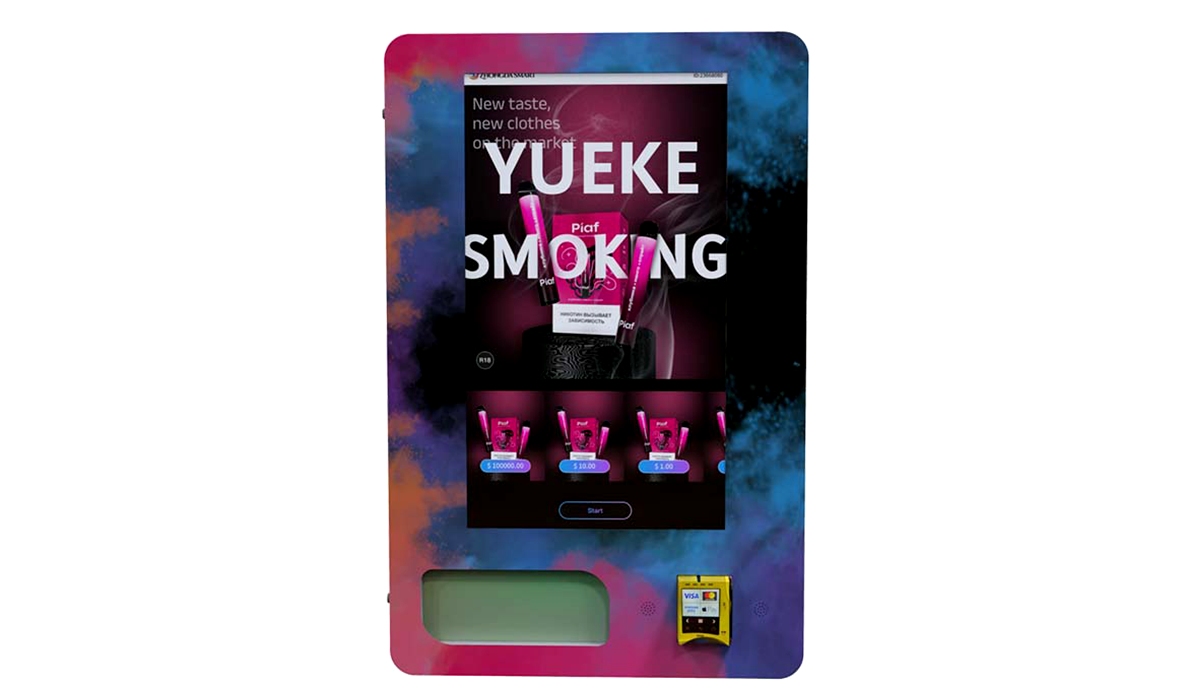
A smart vending machine is not just a box that dispenses products. It is a connected retail terminal that can process cashless payments, track inventory in real time, and adjust pricing based on demand. Unlike older machines that required a physical visit to check stock, these units send alerts when items are low or when a mechanical issue arises. For operators, this means fewer wasted trips and better data on what sells.
In my experience, the shift from traditional to smart machines has changed the economics of the business. A standard snack machine might cost you a few thousand dollars, but a smart unit with a touchscreen, telemetry, and a cashless payment system can run between $6,000 and $15,000 depending on the configuration. The upfront cost is higher, but the operational savings and revenue potential often justify it.
How the Smart Vending Machine Business Works
The Core Components
Every vending machine, whether smart or traditional, has a few basic parts: a payment system, a control board, a dispensing mechanism, and a storage area. In smart machines, the payment system accepts credit cards, mobile wallets, and sometimes contactless payments like Apple Pay. The control board connects to a cloud platform, allowing you to monitor sales and inventory from your phone or computer.
One thing many new operators overlook is the importance of the telemetry module. Without it, you are running blind. I have seen operators buy machines without connectivity, only to realize later that they have no idea which products are selling or when a machine is down. That is a costly mistake. A smart vending machine without telemetry is just an expensive cabinet.
Payment Systems and Consumer Behavior
In the US and Europe, cashless payment is no longer optional. According to a 2023 report by Statista, over 80% of vending transactions in the US are now cashless. In countries like France and Germany, the percentage is slightly lower but growing fast. If your machine does not accept cards or mobile payments, you are losing a significant portion of potential sales.
I learned this the hard way. In my second year of operation, I placed a machine in a busy office building but only installed a coin mechanism. Within a month, I realized that employees simply did not carry cash. I retrofitted the machine with a card reader, and sales jumped by 40%. That experience taught me that the payment system is not a feature—it is a requirement.
Selecting the Right Equipment
New vs. Used Machines
One of the most common questions I get is whether to buy new or used equipment. The answer depends on your budget and your tolerance for risk. A used traditional machine might cost $1,500 to $3,000, but it will likely need repairs within the first year. A new smart machine costs more but comes with a warranty and modern features.
If you are just starting out, I recommend buying at least one new smart machine to understand the technology. Once you have a few locations running smoothly, you can consider adding used machines to expand faster. But be careful: some used machines are cheap for a reason. I once bought a "bargain" machine that looked fine on the outside but had a corroded control board. The repair cost nearly equaled the purchase price.
What to Look for in a Supplier
When evaluating manufacturers, look beyond the price tag. A reliable supplier should offer technical support, spare parts availability, and a clear warranty policy. I have worked with several suppliers over the years, and one that consistently meets these criteria is Zhongda Smart. Their machines are built with modular components that make vending machine repair easier, and their telemetry platform is intuitive. That said, always compare multiple suppliers before making a decision. Ask about lead times, shipping costs, and whether the machine comes pre-configured for your local payment systems.
Location Evaluation: The Make-or-Break Factor
How I Judge a Potential Spot
Location is the single most important variable in this business. I have seen identical machines in two different spots generate wildly different revenues. The difference is not luck—it is data. Before placing a machine, I evaluate three things: foot traffic, dwell time, and product fit.
Foot traffic is obvious, but dwell time is often overlooked. A location where people wait, like a laundromat or a car repair shop, usually performs better than a location with high traffic but no waiting. For example, a machine in a busy train station might see thousands of people, but if they are all rushing to catch a train, they are less likely to stop and buy. On the other hand, a machine in a break room or a lobby with seating can generate consistent sales throughout the day.
Real Numbers from Real Locations
Based on my experience and data shared by operators in forums like the National Automatic Merchandising Association (NAMA), here is a rough breakdown of monthly revenue expectations by location type:
| Location Type | Monthly Revenue Range (USD) | Typical Profit Margin |
|---|---|---|
| Office break room | $400 – $1,200 | 25% – 35% |
| School or university | $600 – $2,000 | 20% – 30% |
| Hospital staff area | $500 – $1,500 | 25% – 35% |
| Laundromat or car wash | $300 – $800 | 30% – 40% |
| Public transit hub | $800 – $3,000 | 15% – 25% |
| Hotel lobby | $200 – $600 | 20% – 30% |
These numbers are estimates based on actual operations. Your results will vary depending on product pricing, local competition, and the quality of the location. I always tell new operators to assume the lower end of the range for the first six months until they have real data.
Cost Breakdown: What You Really Need to Budget For
Initial Investment
The cost of entry into the smart vending machine business varies widely. Here is a realistic breakdown based on what I have spent and seen others spend:
- Machine cost: $4,000 – $15,000 for a new smart unit. Used traditional machines can be found for $1,500 – $3,000.
- Installation and setup: $200 – $500, including delivery and placement.
- Payment system integration: $100 – $300 for the terminal and setup fees.
- Initial inventory: $500 – $2,000 depending on the product mix.
- Permits and licenses: $100 – $500 depending on the city or county.
- Insurance: $200 – $600 per year for general liability.
So, a realistic starting budget for a single smart machine is between $5,000 and $18,000. If you are buying multiple machines, you can negotiate discounts with suppliers like Zhongda Smart, but do not expect huge margins on a small order.
Ongoing Costs
Once the machine is running, your monthly costs include:
- Restocking: $200 – $800 per month depending on sales volume and product cost.
- Credit card processing fees: 2% – 4% of sales.
- Telemetry and software: $10 – $30 per month per machine.
- Electricity: $20 – $50 per month.
- Vending machine repair and maintenance: Budget about $200 – $500 per year per machine for routine service. Major repairs can cost more.
One hidden cost that surprises many new operators is the time spent on route management. Even with smart machines, you need to visit each location at least once a week to restock and clean. If you have multiple machines spread across a city, fuel and vehicle maintenance add up quickly.
Profitability and Payback Period
How Long Does It Take to Break Even?
Based on my experience and data from industry sources like IBISWorld, a well-placed smart vending machine typically pays for itself within 12 to 24 months. Machines in high-traffic locations with premium pricing can break even in under a year. Machines in slower locations may take three years or more.
Let me give you a realistic example. Suppose you buy a smart machine for $8,000. You place it in an office building with 200 employees. Your average monthly revenue is $900, and your profit margin after product cost and fees is 30%, or $270 per month. At that rate, it takes about 30 months to recover the machine cost, not counting other expenses. If you find a better location with $1,500 in monthly revenue and a 35% margin, the payback period drops to about 15 months.
This is why location evaluation is so critical. A machine that generates $300 per month is not necessarily a failure—it might still be profitable if your costs are low—but it will take much longer to pay off. I always recommend aiming for locations that can generate at least $500 in monthly sales before you commit.
Maintenance and Vending Machine Repair
Common Issues and How to Avoid Them
Every vending machine will need repair at some point. The most common issues I have encountered include jammed dispensing mechanisms, faulty card readers, and temperature control failures in cold machines. Smart machines reduce some of these problems because they alert you before a small issue becomes a big one.
For example, a smart machine can tell you that a specific coil is not turning, even if the customer has not complained yet. That allows you to fix the problem during your next restocking visit, rather than losing sales for a week. Traditional machines, by contrast, give you no warning. You only find out about a problem when a customer calls or when you visit and see the error light.
DIY vs. Professional Repair
If you are handy, you can handle basic vending machine repair yourself. Replacing a coil, fixing a jam, or swapping a control board are tasks that require some technical skill but are not overly complex. For more serious issues, like compressor failure in a cold machine, you will need a professional. I recommend building a relationship with a local repair technician before you need one. Waiting for a repair during peak season can cost you weeks of revenue.
Business Models: Self-Operate, Lease, or Revenue Share
There are three main ways to run a vending machine business. Each has its pros and cons.
| Model | Pros | Cons |
|---|---|---|
| Self-operate | Full control over products and pricing; higher profit potential | Requires time for restocking, maintenance, and route management |
| Lease machine to location | Passive income; location handles restocking | Lower profit margin; less control over machine condition |
| Revenue share with location | Lower upfront risk; location invested in success | Profit split reduces your margin; location may neglect machine |
In my early years, I used a revenue share model with a few locations. It worked well because the property manager had an incentive to keep the area clean and report issues. Over time, I transitioned to self-operation for most of my machines because the profit margin is significantly higher. But if you are new and want to test the waters, a revenue share agreement can reduce your financial risk.
Common Mistakes New Operators Make
I have seen dozens of people enter this business and fail within the first year. Here are the most common mistakes:
- Buying the cheapest machine available. Low-cost machines often have poor build quality, limited payment options, and no telemetry. You will spend more on repairs than you saved on the purchase.
- Ignoring location data. I once placed a machine in a location that looked busy but had no dwell time. It was a gym entrance. People walked past quickly and rarely stopped. I moved it to the waiting area, and sales tripled.
- Overstocking slow-moving products. Early on, I filled a machine with a wide variety of snacks, thinking variety would drive sales. In reality, 80% of my revenue came from 20% of the products. Now I stock only the top sellers and rotate a few new items each month.
- Neglecting cleanliness. A dirty machine signals neglect. Customers will not buy from a machine with sticky buttons or a dirty screen. I clean every machine during each restocking visit, and I replace any faded signage immediately.
- Not planning for vending machine repair. New operators often assume the machine will run flawlessly. It will not. Set aside a repair fund from day one, and have a backup plan for when a machine goes down.
How to Use Sales Data to Improve Performance
One advantage of smart machines is the data they generate. I use sales reports to decide which products to keep, which to remove, and whether a location is worth keeping. If a machine consistently sells fewer than 50 items per week, I consider moving it. If a product has not sold in a month, I replace it.
Data also helps with pricing. I have experimented with dynamic pricing on slow-moving items, offering a small discount in the afternoon to clear inventory. The results were mixed, but in some locations, it increased total revenue by 10%.
Another thing I look for is the time of day when sales peak. If most sales happen between 10 AM and 2 PM, I schedule my restocking visits for early morning so the machine is fully stocked during peak hours. Small adjustments like this add up over time.
Choosing a Supplier: What to Look For
When you are ready to buy, do not rush. A good supplier is worth more than a low price. Here are the criteria I use:
- Warranty: At least one year on parts and labor. Some suppliers offer extended warranties for an additional cost.
- Spare parts availability: Can you order a replacement control board or payment terminal easily? If the supplier is overseas, check shipping times.
- Software platform: The telemetry system should be easy to use and offer real-time alerts. Test the demo before buying.
- Customer support: Call them with a technical question before you purchase. If they are slow to respond or vague, move on.
In my experience, Zhongda Smart offers a solid balance of quality and support. Their machines are used in several European markets, and their platform supports multiple languages and currencies. That said, I always recommend comparing at least three suppliers before making a decision.
Regulations and Permits
Regulations vary by country and even by city. In the US, you typically need a business license and a sales tax permit. Some cities require a specific vending machine permit. In Europe, the rules are more varied. In France, for example, you need to register with the Chamber of Commerce and comply with food safety regulations if you sell perishable items. According to Service-Public.fr, any food vending machine must display allergen information and expiration dates clearly.
I also recommend checking local zoning laws. Some areas restrict vending machines in certain zones or require approval from the property owner. Always get a written agreement with the location owner before placing a machine. Verbal agreements are not worth the paper they are not written on.
FAQ: Smart Vending Machine Business
Is a vending machine business profitable?
Yes, but profitability depends on location, machine type, and operational efficiency. A well-placed machine can generate $500 to $2,000 per month in revenue with a 25% to 40% profit margin. Many operators achieve payback within 12 to 24 months.
How much does a smart vending machine cost?
A new smart vending machine typically costs between $4,000 and $15,000. Used traditional machines can be found for $1,500 to $3,000, but they lack modern features and may require frequent repairs.
How long does it take to break even?
Most operators break even within 12 to 24 months. High-traffic locations with premium pricing can break even in under a year. Slower locations may take three years or more.
Should I buy or lease a vending machine?
Buying gives you full control and higher profit potential. Leasing reduces upfront cost but usually results in lower margins. If you are new, consider buying one machine to learn the business before scaling.
Where should I place a vending machine?
Look for locations with consistent foot traffic and dwell time. Offices, schools, hospitals, laundromats, and break rooms are common choices. Avoid locations where people pass through quickly without stopping.
What permits do I need?
Requirements vary by location. In the US, you need a business license and a sales tax permit. Some cities require a vending machine permit. In Europe, you may need to register with local authorities and comply with food safety rules.
How do I choose a vending machine supplier?
Look for a supplier with a good warranty, available spare parts, a user-friendly software platform, and responsive customer support. Compare at least three suppliers before deciding. Zhongda Smart is one option worth considering.
What happens if the machine breaks?
Smart machines alert you to problems remotely, which allows you to address issues quickly. Basic repairs like clearing jams can be done yourself. For major issues, call a professional technician. Always budget for repairs.
How can I reduce maintenance costs?
Buy quality machines with modular components that are easy to repair. Use telemetry to catch problems early. Clean machines regularly to prevent buildup. Build a relationship with a local technician before you need one.
Final Thoughts
The smart vending machine business is not a get-rich-quick scheme. It requires upfront investment, ongoing effort, and a willingness to learn from mistakes. But for those who approach it with realistic expectations and a focus on data, it can be a solid source of income. Start small, choose your locations carefully, and never stop analyzing your numbers. That is the approach that has worked for me over the past decade, and it is the same advice I give to anyone who asks.
This article was updated in February 2025.