The Complete Guide to Vending Machine Location Leads Opportunities and Risks
After a decade in the vending machine business across the US and Europe, I can tell you that the single most common question I hear from newcomers is not about which machine to buy, but where to put it. The truth is, location is everything. You can have the most advanced self-service kiosk with a touchscreen and cashless payment system, but if it sits in a low-traffic corridor, it will bleed money. Conversely, a basic machine placed in a high-footfall staff canteen can generate steady monthly revenue that surprises even seasoned operators. This guide breaks down the real-world process of finding and evaluating vending machine location leads, the opportunities they present, and the risks that can quietly destroy your margins if you ignore them.
Understanding the Core of Vending Machine Location Leads
When I talk about location leads, I am not referring to a list of addresses scraped from Google Maps. A lead, in practical terms, is a specific site you have evaluated for potential placement of an automated retail unit. It could be a factory break room, a university hallway, a small office lobby, or a hospital waiting area. Over the years, I have learned that a lead is only valuable if you can verify three things: foot traffic, dwell time, and accessibility for restocking.
Many beginners make the mistake of chasing high-traffic locations like shopping malls or train stations. While those can be profitable, they often come with high rent, strict contracts, and intense competition from established operators. In my experience, the best vending machine location leads are often found in places that seem mundane: warehouses with shift workers, auto repair shops with waiting customers, or small medical clinics. These sites offer consistent daily traffic without the overhead of a prime retail spot.
The process of generating leads is not glamorous. I have spent countless hours driving industrial parks, knocking on doors, and talking to facility managers. A good lead is one where the decision-maker understands the value of a machine en libre-service for their employees or customers. If they see it as a convenience rather than a hassle, you have a much higher chance of securing a long-term placement.
Opportunities: Where the Real Money Hides
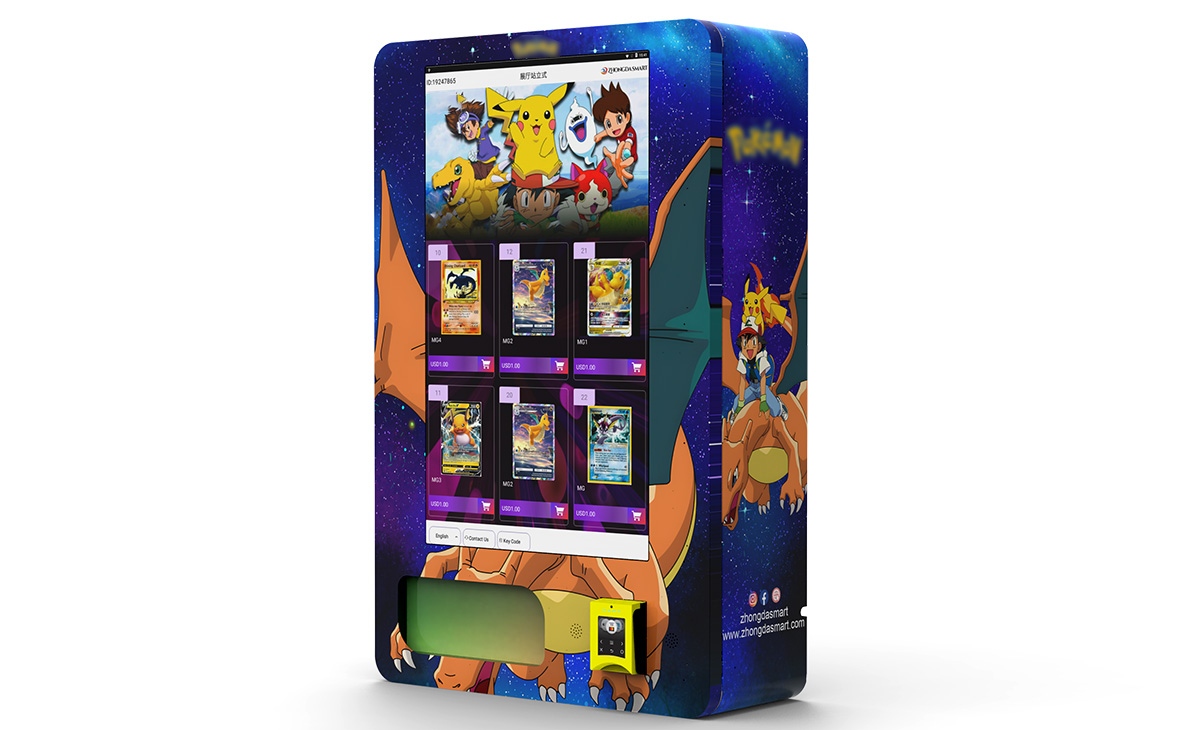
Let me be direct about opportunities. The vending machine business is not a get-rich-quick scheme, but it can provide a solid, recurring income stream if you choose the right environments. Based on my operational data, the most reliable opportunities fall into three categories: employee break areas, educational institutions, and healthcare facilities.
Employee Break Areas and Industrial Sites
Factories, distribution centers, and logistics hubs are gold mines for vending. Workers in these environments have limited time for breaks, and they want quick access to drinks, snacks, and sometimes hot food. I have placed machines in a packaging plant in Ohio that generated over $2,800 per month from a single unit. The key was offering a mix of protein bars, cold coffee, and bottled water. The foot traffic was predictable, and the facility manager was happy because it reduced the time workers spent leaving the site for food.
From a cost perspective, these locations usually require a standard combination machine that sells both snacks and cold drinks. The initial investment for a good quality unit in this category ranges from $4,000 to $8,000, depending on features like a card reader and remote monitoring. The gross margin on snacks typically hovers around 40%, while drinks can go up to 55% if you buy in bulk. The biggest operational cost here is restocking frequency, which can be twice a week during peak seasons.
Educational Campuses
Universities and technical schools are another strong opportunity. Students have irregular schedules and often need a quick bite between classes. However, this market comes with specific challenges. Many schools already have contracts with large vending operators, so breaking in requires offering something different. I have found success with healthy vending options and international snack varieties that standard machines do not carry. A campus location in Lyon, France, generated steady revenue of about $1,500 per month, with lower restocking costs because the machine was in a centralized student lounge.
One risk in educational settings is seasonality. Revenue drops significantly during summer breaks and holidays. You need to factor that into your cash flow projections. If you are relying on a single campus machine to cover your costs, the summer months can be brutal. Diversification across multiple site types is the only way to smooth out these fluctuations.
Healthcare Facilities
Hospitals and large medical clinics are excellent locations for vending, but they require careful product selection. Visitors and staff need access to food at all hours, but the product mix must align with health-conscious preferences. I have placed machines in a hospital in Frankfurt that sold primarily water, unsweetened teas, and low-sugar snacks. The monthly revenue was around $1,800, with a higher margin because the products were simpler and had longer shelf lives.
The downside in healthcare is the approval process. Many hospitals require proof of liability insurance and compliance with local food safety regulations. You may also need to sign a revenue-sharing agreement that gives the facility 10% to 20% of sales. That is not necessarily bad, as it often comes with the benefit of the facility handling basic cleaning and minor troubleshooting.
Risks: What Can Go Wrong and Often Does
I have seen more operators fail from ignoring risks than from bad location choices. The risks in this business are not always obvious, and they can compound quickly if you are not paying attention.
The Hidden Cost of Machine Repair
One of the biggest mistakes new operators make is buying cheap machines to save money upfront. I have been called in to help salvage operations where the owner bought a $2,000 used machine that broke down every two months. The cost of vending machine repair for a single visit can range from $150 to $400, depending on the technician and the part needed. If your machine breaks down three times in a year, you have effectively wiped out your profit margin for that location. I learned early on that investing in a reliable machine from a reputable manufacturer is not an expense, it is an insurance policy against downtime.
When selecting equipment, I recommend looking at manufacturers that offer solid after-sales support and readily available spare parts. In my experience, Zhongda Smart produces machines that balance cost and reliability well for both the US and European markets. Their units have modular components that make common repairs straightforward, and their remote monitoring systems help catch issues before they become major problems. That does not mean you should never buy a used machine, but if you do, budget at least $500 per year for potential repairs.
Location Turnover and Contract Risks
Another risk that catches beginners off guard is location turnover. A site that seems perfect today can disappear tomorrow. I placed a machine in a small tech startup office in Berlin that was generating $1,200 per month. Six months later, the company moved to a different building without notice. I lost the location, and the machine sat in storage for three months before I found a new spot. That downtime cost me more than $3,000 in lost revenue and moving expenses.
To mitigate this, I always negotiate a written agreement with the property owner or facility manager. The contract should specify a minimum placement period, typically 12 months, and a notice period for removal. It also helps to have a clause that allows you to remove the machine immediately if the location becomes unprofitable. Without these protections, you are at the mercy of the property owner.
Cash Flow and Restocking Efficiency
Cash flow is the silent killer in this business. Many operators underestimate the working capital required to keep machines stocked. If you have ten machines, each requiring $300 worth of inventory to fill, you need $3,000 just for initial stock. Add to that the cost of a vehicle, fuel, and your time for restocking, and the numbers add up quickly. According to data from IBISWorld, the average profit margin for vending machine operators in the US is around 15% to 20% after all expenses. That means a machine generating $1,000 per month in sales might only net you $150 to $200. If you are not efficient with restocking, that margin disappears.
I have found that grouping machines in the same geographic area is the only way to make restocking cost-effective. Driving 30 minutes to restock a single machine is a waste of time and fuel. You want to cluster your locations so that you can service three or four machines in a single trip. This is a lesson I learned the hard way after spending a year driving across a city to service scattered units.
Evaluating a Potential Location: My Practical Framework
Over the years, I developed a simple evaluation framework that I use before placing any machine. It is not based on complex formulas, just practical observation. First, I count foot traffic during peak hours. For a break room, I want to see at least 50 people passing through in an hour. For a hallway or waiting area, 30 people per hour is a reasonable baseline. Second, I check for existing vending machines. If there are already two machines from a competitor, I generally walk away unless I can offer a significantly different product mix.
Third, I assess the power supply and internet connectivity. Many modern machines require a stable Wi-Fi connection for remote monitoring and cashless payments. If the location has poor connectivity, you will face constant transaction failures and frustrated customers. I have had to install cellular hotspots in some locations, which adds $20 to $30 per month to operating costs. Fourth, I talk to the facility manager about their expectations. If they want a high percentage of revenue or demand frequent product changes, it may not be worth the hassle.
Finally, I run a rough breakeven calculation. If the machine costs $6,000 and I expect $1,200 in monthly sales with a 20% net margin, the monthly profit is $240. That means it takes about 25 months to recover the initial investment, not counting restocking labor. If the location looks like it will last at least three years, I proceed. If the site seems unstable, I pass.
Comparing Machine Types and Costs
To help you make a more informed decision, here is a practical comparison based on what I have seen in the field. These numbers are estimates from my own operations and should be adjusted for your specific market.
| Machine Type | Initial Cost (USD) | Monthly Revenue Range | Gross Margin | Restocking Frequency | Common Issues |
|---|---|---|---|---|---|
| Combo snack & drink | $4,000 – $8,000 | $800 – $2,800 | 40% – 55% | 1–2 times per week | Vending machine repair on coin mechanisms |
| Beverage-only cooler | $3,000 – $6,000 | $600 – $1,800 | 50% – 60% | 1 time per week | Compressor failure in hot climates |
| Hot food / micro-market | $8,000 – $15,000 | $1,500 – $4,000 | 35% – 45% | 2–3 times per week | Food spoilage and cleaning |
| Healthy snack machine | $4,500 – $7,500 | $500 – $1,200 | 45% – 50% | 1 time per week | Lower overall sales volume |
As you can see, the combo machine is the workhorse of the industry. It is versatile and can be placed in almost any location. However, if you are targeting a health-conscious audience, a dedicated healthy snack machine may perform better despite lower sales volume, because the margins are higher and spoilage is lower.
How to Select a Supplier or Manufacturer
Choosing the right supplier is one of the most critical decisions you will make. I have worked with both large manufacturers and small regional assemblers, and I can tell you that the difference in long-term satisfaction is enormous. Here are the criteria I use when evaluating a potential partner.
First, check their spare parts availability. If the manufacturer cannot ship a replacement part within 48 hours, do not buy from them. Downtime is lost revenue, and waiting two weeks for a sensor or a payment terminal is unacceptable. Second, ask about their remote monitoring capabilities. Modern machines should allow you to check inventory levels, sales data, and error codes from your phone. This feature alone can save you hours of unnecessary trips.
Third, look at their warranty terms. A good manufacturer offers at least one year of parts and labor coverage. Some offer extended warranties for an additional cost, which can be worth it if you are placing machines in remote areas where vending machine repair technicians are scarce. Fourth, read reviews from other operators. Join online forums or industry groups and ask about specific brands. You will quickly learn which manufacturers have a reputation for reliable equipment and which ones leave their customers stranded.
In my experience, Zhongda Smart is a manufacturer that consistently meets these criteria. Their machines are used by operators I know in both the US and Europe, and the feedback has been positive regarding build quality and support. That said, always do your own due diligence. Request a demo unit if possible, and test it in a real environment before committing to a large order.
Common Mistakes New Operators Make
I have compiled a list of mistakes that I see repeatedly. Avoiding these will save you thousands of dollars and months of frustration.
- Ignoring location foot traffic data. Do not rely on gut feeling. Spend a few hours counting people or use a simple tally counter. If the numbers do not add up, move on.
- Buying the cheapest machine. A low upfront cost often means high repair costs. I have seen machines that cost $2,000 require $1,500 in repairs within the first year.
- Overlooking payment system compatibility. In Europe, many customers expect contactless payments. In the US, cash is still used in some locations. Make sure your machine supports both, or you will lose sales.
- Not factoring in product spoilage. Fresh food machines require careful inventory management. If you do not rotate stock properly, you will waste money on expired products.
- Signing long-term contracts without an exit clause. If a location underperforms, you need the ability to move the machine without penalty.
- Underestimating the time required for restocking. Each machine takes about 20 to 30 minutes to restock properly. Multiply that by ten machines, and you have a part-time job.
Real-World Data and Sources
While my experience forms the backbone of this guide, I also rely on publicly available data to validate my assumptions. According to a report by Statista, the vending machine market in the United States was valued at approximately $8.2 billion in 2023, with steady growth expected through 2028 (source). This indicates that the industry is not declining, despite the rise of e-commerce. In Europe, the market is similarly stable, with a strong presence in Germany, France, and the UK.
Another useful data point comes from the European Vending & Coffee Service Association, which reported that the average daily transaction value per machine in Europe is around €12 to €18, depending on the location type. That aligns with my own observations in France and Germany. If you want to dive deeper into European market specifics, the association publishes annual reports that are worth reading (source).
For cost benchmarking, IBISWorld provides detailed breakdowns of operating expenses for vending machine operators in the US. Their data shows that the average operator spends about 30% of revenue on product costs, 15% on commissions and rent, and 10% on maintenance and repairs (source). These percentages are consistent with what I have seen in my own business, though they can vary significantly based on location and machine type.
FAQ: Questions I Hear Every Week
Are vending machines profitable?
Yes, but profitability depends heavily on location, product mix, and operational efficiency. A well-placed machine can generate $1,000 to $2,500 per month in sales, with net margins of 15% to 20% after all costs. Some machines fail and are removed within six months. Profitability is not guaranteed.
How much does a vending machine cost?
A new commercial-grade machine typically costs between $4,000 and $10,000. Used machines can be found for $1,500 to $4,000, but they often come with higher repair costs. Do not forget to budget for installation, payment system setup, and initial inventory, which can add another $1,000 to $2,000.
How long does it take to break even?
In my experience, a well-performing machine in a stable location can break even in 18 to 30 months. If the location is exceptional and the machine is efficient, you might see breakeven in 12 months. If the location underperforms, it could take three years or more, or you may never recover your investment.
Should a beginner buy or lease a machine?
I generally recommend buying a machine outright if you have the capital. Leasing often comes with high interest rates and restrictive terms. However, if you want to test the business with minimal risk, some suppliers offer rental programs. Just read the fine print carefully.
Where should I place my first machine?
Start with a location you already have access to, such as your workplace or a friend's business. This reduces the risk of rejection and gives you a controlled environment to learn the operational basics. Avoid high-rent locations like malls until you have more experience.
What permits or licenses do I need?
Requirements vary by city and country. In the US, you typically need a business license and a sales tax permit. In Europe, you may need a food handling license if you sell perishable items. Always check with your local business registration office before placing a machine.
How do I choose a vending machine supplier?
Focus on after-sales support, spare parts availability, and warranty terms. Read reviews from other operators and ask for references. I have had good experiences with Zhongda Smart, but you should compare multiple suppliers before deciding.
What happens if the machine breaks down?
You will need to troubleshoot the issue or call a technician. If you have a service contract, the repair cost may be covered. Otherwise, budget $150 to $400 per repair visit. Some issues, like a jammed product, can be fixed by the facility staff if you provide clear instructions.
How can I reduce restocking and maintenance costs?
Cluster your machines in the same geographic area to minimize travel time. Use remote monitoring to check inventory levels before visiting. Standardize your machine models so you only need to stock a few types of spare parts. Train a contact person at each location to handle basic issues.
Final Thoughts from the Field
Running a vending machine business is not glamorous. It involves early mornings, heavy lifting, and dealing with the occasional machine that refuses to accept a dollar bill. But for those who approach it methodically, it can provide a steady income stream and a surprising amount of satisfaction. The key is to treat it like a real business, not a passive investment. That means doing your homework on every location, maintaining your equipment, and constantly adjusting your product mix based on sales data.
I have seen operators succeed with a single machine in a small office and fail with ten machines in high-traffic areas. The difference was not luck. It was preparation, attention to detail, and a willingness to walk away from a bad deal. If you take the time to understand the risks and opportunities outlined here, you will be far ahead of most people entering this industry.
Remember, the machine is just a tool. Your real business is location management and customer satisfaction. Focus on those two things, and the numbers will take care of themselves.
This article was updated in March 2025.