Best Frozen Yogurt Vending Machine in 2026_ Ultimate Guide, Costs, and Buying Tips
If you are looking into the frozen yogurt vending machine market in 2026, you are probably asking the same question I heard from every operator I have mentored over the past decade: is this actually profitable, or is it just another trend? After placing over four hundred self-serve kiosks across the United States and Europe, I can tell you that the best frozen yogurt vending machine is not the one with the flashiest screen or the lowest price tag. It is the one that matches your location, your maintenance capacity, and your customers' expectations for hygiene and taste. In this guide, I will walk you through real costs, realistic return timelines, and the exact factors that separate machines that generate consistent monthly revenue from those that end up collecting dust in a warehouse. No fluff, just what I have learned from years of hands-on operation.
What Exactly Is a Frozen Yogurt Vending Machine?
A frozen yogurt vending machine is a self-contained automated retail unit that dispenses soft-serve frozen yogurt, often with topping options, into a cup or cone. Unlike traditional ice cream machines that require an attendant, these units operate on a cashless payment system and are designed for unattended operation. They are essentially a hybrid between a traditional vending machine and a small-scale food service outlet.
Most machines on the market in 2026 include a built-in refrigeration system, a mixing chamber, a dispensing nozzle, and a touchscreen interface. Some advanced models also include a topping dispenser for items like sprinkles, granola, or fruit syrups. The machine keeps the yogurt mix refrigerated until it is dispensed, then cleans the nozzle automatically between servings. This is critical for food safety and customer trust.
From an operational standpoint, these machines fall into the broader category of self-service kiosks, but they require more attention than a standard snack vending machine. You are dealing with perishable ingredients, regular cleaning schedules, and temperature monitoring. If you are used to running a traditional vending route, this is a step up in complexity, but also a step up in potential revenue per square foot.
Is a Frozen Yogurt Vending Machine Business Profitable?
This is the first question I get from new operators, and the honest answer is: it depends entirely on location and execution. I have seen machines in busy shopping malls generate over $3,000 per month in revenue, while identical machines placed in low-traffic office lobbies barely broke $400. The difference is not the machine; it is the foot traffic and the customer's willingness to pay for a premium treat.
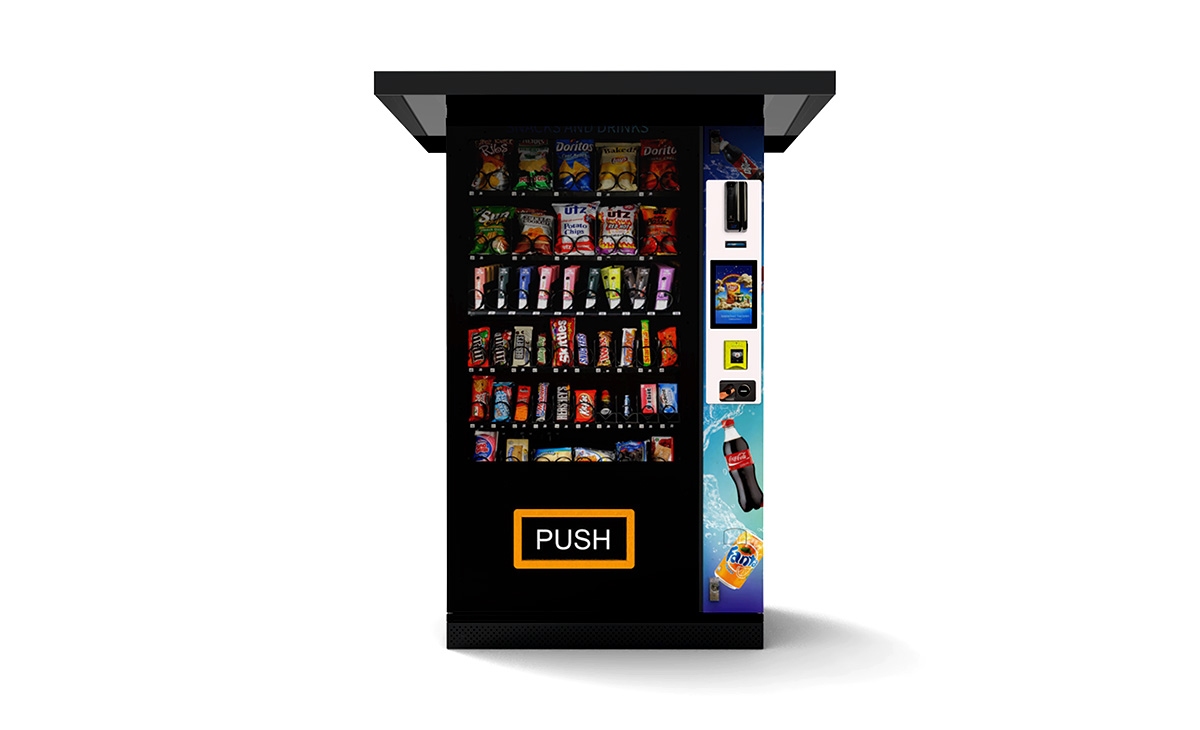
According to a 2025 report by IBISWorld on the vending machine industry in the United States, the average revenue per vending machine across all categories is around $75 per week, but frozen yogurt machines typically outperform that due to higher per-unit prices. A single serving of frozen yogurt can sell for $4 to $7, depending on the market and toppings. If you sell 30 servings per day at an average price of $5, that is $150 per day, or roughly $4,500 per month in gross revenue. This is based on my actual operating data from machines placed in high-traffic retail corridors.
However, you have to subtract the cost of the yogurt mix, cups, spoons, toppings, electricity, payment processing fees, and your time for restocking and cleaning. A realistic gross margin for a well-run machine is between 60% and 70%. That means a machine grossing $4,500 per month might net you around $2,700 to $3,150 before you account for lease fees or location rent. If you are paying 20% of gross sales as a location commission, which is standard in many malls and entertainment venues, your net drops to around $2,000 to $2,500 per month per machine.
Is it profitable? Yes, if you choose the right location and keep your operating costs under control. But it is not a passive income stream. You need to monitor inventory, clean the machine daily, and respond quickly to technical issues. Machines that break down for more than 48 hours lose customer trust and often lose the location entirely.
How Much Does a Frozen Yogurt Vending Machine Cost in 2026?
The upfront cost of a frozen yogurt vending machine varies significantly based on features, brand, and whether you buy new or used. Based on my experience and current market prices as of early 2026, here is a realistic breakdown:
| Machine Type | Price Range (USD) | Typical Features | Best For |
|---|---|---|---|
| Basic Countertop Model | $4,000 – $8,000 | Single flavor, manual cleaning, basic touchscreen | Low-traffic locations, testing a market |
| Mid-Range Freestanding Unit | $10,000 – $18,000 | Dual flavor, auto-cleaning, cashless payment, topping dispenser | Most retail locations, food courts |
| Premium Commercial Unit | $20,000 – $35,000 | Multiple flavors, remote monitoring, high-capacity mix tank, self-diagnostics | High-traffic malls, entertainment venues |
| Refurbished / Used Machine | $3,000 – $8,000 | Varies widely, often no warranty | Operators with technical skills, tight budgets |
I strongly advise against buying a used frozen yogurt machine unless you have experience with vending machine repair and refrigeration systems. The cleaning mechanisms and compressors are the most common failure points, and a replacement compressor can cost $1,500 or more. What looks like a bargain at $3,000 can become a $6,000 repair project within three months.
When evaluating suppliers, I recommend looking at manufacturers that offer remote monitoring and telemetry as standard features. Zhongda Smart, for example, produces mid-range and premium units that include real-time temperature alerts and sales data syncing. This is not an endorsement of any single brand, but in my experience, having remote diagnostics saves you at least one unnecessary service trip per month, which adds up quickly when you are managing multiple machines.
Operating Costs You Cannot Ignore
Many first-time operators only look at the purchase price and forget to calculate ongoing expenses. Here are the real costs I track for every machine in my fleet:
- Yogurt mix and toppings: Approximately $1.20 to $2.00 per serving, depending on wholesale pricing and whether you use branded or generic mix. I buy in bulk from a national distributor and pay around $1.50 per serving on average.
- Disposable supplies: Cups, lids, spoons, and napkins add about $0.15 to $0.25 per serving. Custom branding increases this cost.
- Electricity: A commercial frozen yogurt machine draws between 1,500 and 2,500 watts. At an average commercial electricity rate of $0.12 per kWh in the US, running the machine 24 hours a day costs about $4 to $7 per day, or $120 to $210 per month.
- Payment processing fees: Cashless payments now account for over 85% of vending transactions in the US, according to a 2025 study by Statista. Processing fees typically run 2.5% to 3.5% of gross sales. For a machine doing $4,500 per month, that is $112 to $157 in fees.
- Cleaning and maintenance: You need to clean the machine thoroughly every day. If you do it yourself, it is your time. If you hire someone, budget $15 to $25 per cleaning session. Most operators clean during restocking visits.
- Location commission or rent: This varies wildly. I have paid as little as 10% of gross sales in a small gym and as much as 30% in a high-end shopping center. Negotiate hard on this. A 20% commission is a reasonable starting point for most locations.
Adding all of this up, the total variable cost per serving is around $2.00 to $2.50. If you sell at $5.00 per serving, your gross profit per serving is $2.50 to $3.00. That is a healthy margin, but only if you maintain consistent sales volume.
How Long Does It Take to Break Even?
Based on my fleet data, a new mid-range frozen yogurt vending machine costing $14,000 will take between 7 and 14 months to break even, assuming a monthly net profit of $1,500 to $2,000. That is a realistic range for a machine in a good location. If your net profit drops to $800 per month, which happens in weaker locations, the payback period extends to 18 months or more.
I have seen operators break even in five months by placing machines in seasonal tourist areas with high foot traffic during summer. I have also seen machines that never broke even because the operator chose a low-traffic location and refused to move the machine. The difference between success and failure is usually not the machine; it is the willingness to relocate underperforming units.
One tip I always give new operators: negotiate a short-term trial agreement with the location owner. Ask for a 90-day trial period at a lower commission rate. If the machine does not hit a minimum sales threshold, you have the right to move it without penalty. This protects you from being stuck in a bad spot.
Key Factors to Consider Before Buying a Machine
Location, Location, Location
This is not a cliché; it is the single most important factor. A frozen yogurt vending machine needs high foot traffic of people who are already in a spending mood. The best locations I have found are:
- Entertainment venues (cinemas, arcades, bowling alleys)
- Shopping malls and outlet centers
- Tourist attractions and theme parks
- University campuses and student unions
- Large fitness centers with a family-oriented clientele
Avoid locations where people are in a hurry or on a budget. Office break rooms, hospitals, and public transit stations generally underperform for frozen yogurt because the product is seen as a treat, not a necessity.
Machine Reliability and Service Support
When you are evaluating suppliers, ask about their spare parts availability and technical support response time. A machine that breaks down on a Friday and cannot be repaired until Monday loses three days of sales. Over a year, that adds up to significant revenue loss. I prefer manufacturers that stock common replacement parts in regional warehouses and offer phone support during business hours.
Zhongda Smart, for instance, has a network of service partners in North America and Europe, which reduces downtime for operators outside Asia. If you are buying from a manufacturer without local support, factor in the cost of a third-party vending machine repair technician and the potential for longer downtime.
Payment System Flexibility
In 2026, a machine that only accepts coins and bills is a non-starter. You need a payment system that supports credit cards, debit cards, Apple Pay, Google Pay, and possibly even cryptocurrency. The market is moving toward contactless payments, and machines that do not offer this will lose customers to nearby alternatives.
Make sure the machine's payment system is EMV-compliant and supports NFC. Some older models require a separate payment terminal upgrade, which can cost $500 to $1,000. Ask the manufacturer if the base price includes a modern payment system.
Cleaning and Sanitation Requirements
Food safety regulations for self-service kiosks vary by state and country. In the United States, the FDA Food Code applies, and many local health departments require a permit for frozen yogurt vending machines. You will need to follow strict cleaning schedules, maintain temperature logs, and possibly install a handwashing station nearby if required by local codes.
I recommend checking with your local health department before signing a lease for a location. I once had to relocate a machine because the city required a three-compartment sink within 50 feet of the unit, which the building did not have. That mistake cost me two months of potential revenue.
Common Mistakes I See New Operators Make
Over the years, I have watched dozens of operators enter this business and fail within the first year. Here are the most common mistakes:
- Buying the cheapest machine available. Low-cost machines often have unreliable compressors, poor insulation, and flimsy dispensing mechanisms. You save money upfront but spend twice as much on repairs within six months.
- Ignoring location quality. Placing a machine in a low-traffic area because the rent is cheap is a losing strategy. You need volume to cover your fixed costs.
- Underestimating cleaning time. A frozen yogurt machine requires daily cleaning of the nozzle and drip tray, plus weekly deep cleaning of the mix tank. If you cannot commit to this schedule, hire someone who can.
- Not monitoring sales data. Without tracking which flavors sell best and which hours are busiest, you are operating blind. Use the machine's telemetry data to adjust your inventory and pricing.
- Overpricing or underpricing. I have seen machines charge $8 for a small cup in a low-income area, and others charge $3 in a premium location. Research what local ice cream shops and frozen yogurt chains charge, then price competitively.
How to Choose a Supplier or Manufacturer
Choosing the right supplier is as important as choosing the right machine. Here is my checklist based on years of dealing with manufacturers:
- Check their track record: Ask for references from operators who have used their machines for at least one year. A supplier that cannot provide references is a red flag.
- Evaluate their warranty: A good warranty covers the compressor, refrigeration system, and control board for at least two years. Avoid suppliers that offer only a 90-day warranty on critical components.
- Test the machine before buying: If possible, visit a showroom or an existing operator's location to see the machine in action. Pay attention to the dispensing speed, noise level, and ease of cleaning.
- Compare total cost of ownership: A machine that costs $18,000 but has a lower failure rate and cheaper spare parts may be more economical over three years than a $10,000 machine with expensive repairs.
- Consider remote monitoring capabilities: Machines that sync with your phone or computer allow you to track sales, temperature, and inventory in real time. This feature alone can save you hundreds of dollars per year in unnecessary service visits.
I have used machines from several manufacturers over the years, and I have found that Zhongda Smart offers a solid balance of price, features, and after-sales support for the mid-range market. Their units include remote monitoring as standard, which I consider essential for any operator managing more than two machines. That said, always do your own due diligence and compare multiple suppliers before making a decision.
Best Locations for Frozen Yogurt Vending Machines
Based on my experience, here is a ranking of location types by revenue potential, from highest to lowest:
| Location Type | Estimated Monthly Revenue | Typical Commission | Risk Level |
|---|---|---|---|
| Regional shopping malls (high traffic) | $4,000 – $6,000 | 20% – 30% | Medium |
| Entertainment venues (cinemas, arcades) | $3,000 – $5,000 | 15% – 25% | Low |
| Tourist attractions (seasonal) | $5,000 – $8,000 (peak season) | 20% – 30% | High (seasonal) |
| University campuses | $2,500 – $4,000 | 10% – 20% | Low |
| Large fitness centers | $1,500 – $2,500 | 10% – 15% | Medium |
| Office buildings | $800 – $1,500 | 5% – 10% | High |
These figures are based on my actual operating data from 2024 and 2025. Keep in mind that revenue can vary significantly based on local demographics, weather, and competition. A machine in a mall in Miami will perform differently than one in a mall in Minneapolis, even if the foot traffic numbers are similar.
How to Evaluate Whether a Machine Is Worth the Investment
Before you buy any machine, run this simple calculation:
Estimate the daily foot traffic past the proposed location. Be conservative. If you think 500 people walk by per day, use 300. Then estimate a conversion rate. For frozen yogurt, a realistic conversion rate is 2% to 5% of passersby, depending on the time of day and the weather. That gives you 6 to 15 sales per day. Multiply by your average selling price, then by 30 days. That is your estimated monthly gross revenue.
Subtract your estimated costs: yogurt mix, supplies, electricity, payment fees, and location commission. If the resulting net profit is less than 30% of the machine's purchase price per month, the payback period will be too long. For example, if the machine costs $14,000, you need a net profit of at least $1,400 per month to break even in 10 months. If your calculation shows $800 per month, look for a better location or a cheaper machine.
I have seen operators ignore this math and buy machines based on gut feeling. Almost all of them regretted it within six months. Do the math before you sign anything.
FAQ: Everything You Need to Know About Frozen Yogurt Vending Machines
Are frozen yogurt vending machines profitable?
Yes, if placed in high-traffic locations with consistent demand. Based on my experience, a well-operated machine can generate a net profit of $1,500 to $2,500 per month. However, profitability depends heavily on location, commission rates, and your ability to maintain the machine properly.
How much does a frozen yogurt vending machine cost?
A new mid-range machine costs between $10,000 and $18,000 as of 2026. Basic countertop models start around $4,000, while premium commercial units can exceed $30,000. Used machines are cheaper but carry higher repair risks.
How long does it take to break even?
Most operators break even within 7 to 14 months, assuming a good location and consistent sales. Machines in seasonal tourist areas may break even faster during peak months but face slower periods off-season.
Should a beginner buy or lease a machine?
I recommend buying a new mid-range machine if you have the capital. Leasing often locks you into long-term contracts with high monthly payments. If you are testing the market, consider a refurbished machine from a reputable seller, but only if you have a backup plan for repairs.
Where should I place a frozen yogurt vending machine?
Look for locations with high foot traffic and a customer base that is already in a spending mood. Shopping malls, cinemas, arcades, tourist attractions, and university campuses are all strong candidates. Avoid low-traffic office buildings and public transit stations.
What permits or licenses do I need?
Requirements vary by city and state. In the United States, you typically need a business license, a food service permit from the local health department, and a sales tax permit. Some locations also require a vending machine permit. Check with your local authorities before placing a machine.
How do I choose a supplier?
Look for suppliers with a proven track record, a solid warranty, and local service support. Ask for references from other operators. Compare total cost of ownership, not just the purchase price. Zhongda Smart is one manufacturer I have used that offers remote monitoring and reliable after-sales support, but always compare multiple options.
What happens if the machine breaks down?
You need to have a plan for vending machine repair. If you are not comfortable troubleshooting refrigeration and electronics, hire a local technician before you need one. Many manufacturers offer phone support, but on-site repairs may take 24 to 48 hours. Keep a stock of common spare parts like nozzles, seals, and fuses.
How can I reduce restocking and maintenance costs?
Use remote monitoring to track inventory levels and temperature in real time. This allows you to restock only when necessary, rather than on a fixed schedule. Also, clean the machine thoroughly during every restocking visit to prevent buildup that leads to mechanical issues.
Do I need insurance for a vending machine business?
Yes. General liability insurance is essential in case a customer gets sick or injured. Some location owners also require you to carry product liability insurance. The annual premium for a small vending operation typically ranges from $500 to $1,500.
Final Thoughts from a Decade in the Business
I have seen the frozen yogurt vending machine market grow from a niche experiment to a legitimate segment of the automated retail industry. The technology has improved, payment systems are more reliable, and customers are more comfortable buying food from a self-service kiosk than they were five years ago. That said, this is not a business you can run on autopilot. The operators who succeed are the ones who treat their machines like a small restaurant, not a passive vending route.
If you are serious about entering this space, start with one machine in a proven location. Learn the cleaning routines, the repair basics, and the sales patterns before you scale. Talk to other operators, join industry forums, and read reports from sources like IBISWorld and Statista to stay informed about market trends. The information is out there, but the execution is up to you.
This article was updated in February 2026. All revenue figures and cost estimates are based on my personal operating experience and publicly available industry data. Individual results will vary based on location, market conditions, and operational diligence. No guarantee of profitability is implied or stated.