Top Things You Should Know About Selectivend Advantage Plus Combo Snack & Drink Vending Machine in 2
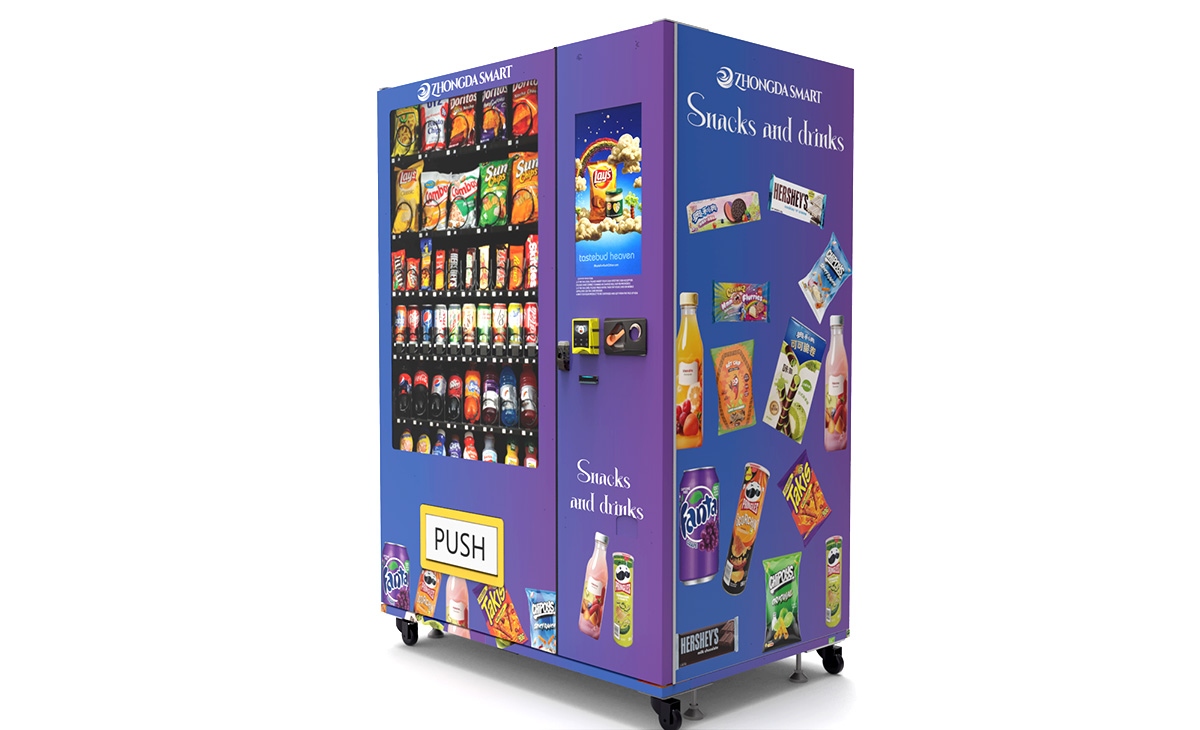
If you are looking into automated retail for 2026, the Selectivend Advantage Plus Combo Snack & Drink Vending Machine is one of the most discussed pieces of equipment in the industry right now. After a decade of placing machines across different markets in the US and Europe, I can tell you that the combo format—offering both snacks and cold drinks in a single unit—solves a real operational problem. It reduces the number of trips you need to make, cuts down on initial hardware spend, and fits into smaller footprints where two separate machines would never work. But not every combo machine is built the same, and the Advantage Plus model has specific strengths and limitations that you need to understand before you commit capital. This article covers what I have learned from actually running these machines, not from reading spec sheets.
What Makes the Selectivend Advantage Plus Combo Different from Other Combo Machines
Most combo machines on the market are essentially two smaller machines squeezed into one cabinet. The Advantage Plus Combo takes a different approach. Instead of just splitting the interior space 50/50, it uses a modular tray system that lets you adjust the ratio of snack to drink capacity based on your location. In practice, this means if you place it in an office break room where soda sells faster than chips, you can shift more columns to cans without losing snack space entirely. That flexibility is rare in machines under 72 inches tall.
Another difference is the cooling system. Many combo machines struggle to keep drinks cold enough when the snack side is open to ambient air. The Advantage Plus uses a separate sealed cooling zone for the drink section, which is something I have seen fail on cheaper units. If you have ever had to throw out warm soda because the compressor could not keep up, you know how fast that kills your margins.
Payment Systems and Telemetry in 2026
By 2026, cashless payment is not optional. The Advantage Plus Combo comes standard with a 10-inch touchscreen that supports NFC, Apple Pay, Google Pay, and all major credit cards. It also has built-in telemetry. This means you can see real-time inventory levels, sales data, and machine alerts from your phone or laptop. I have operated machines where I had to drive 40 minutes just to check if a column was jammed. That kills your profit per route stop. Remote monitoring is not a luxury anymore; it is a cost-control tool.
One thing I recommend checking is whether the telemetry system integrates with your existing route management software. Some manufacturers lock you into their own platform, which can be a headache if you run a mixed fleet. The Advantage Plus uses an open API, which gives you more freedom.
Where Should You Place This Machine?
Over the years, I have learned that location is 80 percent of the business. The Selectivend Advantage Plus Combo works best in medium-traffic locations where floor space is limited but demand is consistent. Examples include:
- Small to mid-sized office buildings (50–150 employees)
- Medical clinics and dental offices with waiting areas
- Auto repair shops and tire centers
- Small manufacturing facilities
- Gym lobbies and fitness studios
- Hotel break rooms or back-of-house areas
I would not recommend this machine for high-traffic public locations like transit stations or large factories. In those settings, you are better off with two separate full-size machines because the combo unit will run out of stock too quickly, and you will be making extra trips. The Advantage Plus holds around 200 snacks and 120 cans, which is fine for a location with 50 to 100 daily transactions. Above that, you will struggle to keep it filled.
A Real Example of a Failed Placement
I once placed an Advantage Plus in a warehouse with 200 shift workers. It seemed like a good idea because the floor manager wanted one machine instead of two. Within three weeks, I was restocking every two days, and the drink section was empty by 2 PM. The machine was earning well, but the labor cost per dollar of revenue was too high. I ended up swapping it for two separate machines and moved the combo to a smaller office where it ran smoothly on weekly restocks. That experience taught me not to overestimate a combo machine's capacity just because it looks big.
Cost Breakdown: What You Are Really Paying For
Let me give you a realistic cost picture based on what I have seen in the US and European markets. Prices vary by region, distributor, and configuration, but here is a ballpark range for 2026:
| Item | Cost Range (USD) | Notes |
|---|---|---|
| Machine purchase (new) | $6,500 – $9,200 | Includes touchscreen, telemetry, cashless reader |
| Shipping and installation | $400 – $800 | Depends on distance and whether you need a dolly or liftgate |
| Initial inventory (stock) | $800 – $1,500 | Snacks and drinks for first fill |
| Payment processing fees | 2.5% – 4% per transaction | Varies by processor and country |
| Annual maintenance (parts + labor) | $300 – $600 | Higher if you do not do your own repairs |
| Telemetry subscription | $20 – $40 per month | Often required for remote monitoring |
These numbers are based on my own purchasing history and conversations with other operators. A report from IBISWorld on the vending machine industry in the US shows that average equipment costs have risen about 12 percent since 2021, largely due to supply chain issues and component shortages. You can find the full industry data at IBISWorld Vending Machine Operators Report.
Hidden Costs That Catch New Operators Off Guard
One cost that beginners often miss is the merchant account setup fee for cashless payments. Some providers charge a setup fee of $100 to $300, plus monthly minimums. If your machine only does $400 a month in sales, a $25 monthly minimum fee eats into your margin significantly. Always read the fine print before signing up with a payment processor.
Another hidden cost is the machine's power consumption. The Advantage Plus Combo uses about 4 to 6 kWh per day, depending on ambient temperature. In a location where electricity is expensive, like parts of California or Germany, that can add $30 to $50 per month to your operating cost. I have seen operators ignore this and wonder why their net profit was lower than expected.
Is This Machine Profitable? Realistic Revenue Expectations
Profitability depends on location, pricing, and how often you restock. Based on my experience with similar combo machines, here is what you can expect in a decent location:
- Average monthly revenue: $600 – $1,200
- Average gross margin on snacks: 35% – 45%
- Average gross margin on drinks: 40% – 55%
- Combined gross profit per month: $250 – $550
- Net profit after all costs (including labor, fees, electricity): $150 – $350 per month
At that rate, a new machine costing $8,000 would take between 18 and 36 months to pay back, assuming you do not have a location fee. If the location charges rent or a commission, the payback period extends. I have seen machines in prime office buildings pay back in 14 months, and I have seen machines in poor locations that never paid back. There is no guaranteed return.
According to data from Statista, the average monthly revenue per vending machine in the US was around $750 in 2023. You can view the data at Statista Vending Machine Revenue Data. Keep in mind that this average includes high-traffic machines as well as low-traffic ones, so your actual results will depend heavily on your specific location.
How to Choose a Supplier: What I Look For
After working with multiple manufacturers and distributors, I have developed a short checklist for evaluating suppliers. You should apply the same criteria whether you are buying one machine or fifty.
1. Spare Parts Availability
The biggest nightmare in this business is a machine sitting idle for two weeks because a $5 sensor is out of stock. Ask the supplier how quickly they can ship common replacement parts. Some Chinese manufacturers have excellent build quality but poor after-sales support in Western markets. I have had good experiences with Zhongda Smart for this reason. They maintain a warehouse in Europe and the US for spare parts, which is rare among manufacturers at their price point. Their Selectivend line is built in their own factory, and they offer direct support for vending machine repair issues, which saves you from going through a middleman.
2. Warranty Terms
Look for a minimum of two years on the compressor and one year on electronics. Some suppliers offer five-year warranties on the cooling system, but read the exclusions carefully. Many warranties do not cover damage from voltage fluctuations or improper installation.
3. Local Service Network
If you are not going to do your own repairs, you need a supplier who has a network of local technicians. Ask for references from other operators in your region. A machine that costs $1,000 less but has no local support is not a bargain if you have to pay $200 per service call.
4. Compliance with Local Regulations
In Europe, machines must comply with CE marking, RoHS, and WEEE directives. In the US, UL or ETL certification is important for insurance purposes. Do not assume that a machine sold on Alibaba meets these standards. I have seen operators buy uncertified machines and then struggle to get liability insurance.
Common Mistakes New Operators Make
I have made most of these mistakes myself, so I can tell you about them from experience.
Overestimating Traffic
Just because a building has 500 people does not mean they will all use your machine. If they have a cafeteria, a coffee shop, or a nearby convenience store, your sales will be lower. Always do a site survey before placing a machine. Count how many people walk past the spot during peak hours. Ask the facility manager if there are any other food options nearby.
Ignoring the Product Mix
Your machine is only as good as the products inside it. I have seen operators fill their machines with items they personally like, only to watch them expire. You need to test different products and track what sells. The telemetry data on the Advantage Plus Combo makes this easier, but you still have to act on the data. If a product does not sell for two weeks, replace it.
Skipping Preventive Maintenance
Vending machine repair is inevitable, but you can reduce the frequency by cleaning the machine regularly, checking the door seals, and lubricating the motors. I schedule a 15-minute maintenance check every time I restock. It saves me from emergency calls that cost $150 a pop.
Underpricing Drinks
In 2026, consumers expect to pay a premium for convenience. A can of soda that costs $1.00 at a grocery store can easily sell for $1.75 in a vending machine. I have seen new operators price drinks too low because they are afraid of customer complaints. Do not do that. Your margin on drinks is your best profit driver. Price competitively but not at cost.
Evaluating a Machine Before You Buy
Before you write a check, ask yourself these questions:
- Does the machine support the payment methods your target customers use? If your location is in a college town, make sure it accepts Apple Pay and student ID cards.
- Can you adjust the pricing remotely? This is a must if you operate multiple machines.
- How easy is it to change the product configuration? Some machines require tools to move trays. The Advantage Plus uses a tool-less adjustment system, which saves time during restocking.
- What is the energy efficiency rating? A machine that uses less power will pay for itself over time.
- Is the machine built to last in your climate? If you are in a hot region, make sure the cooling system is rated for high ambient temperatures.
Self-Operate vs. Lease vs. Profit Sharing
You have three main options for getting a machine into a location. Each has trade-offs.
| Model | Upfront Cost | Monthly Cost | Control | Risk |
|---|---|---|---|---|
| Self-operate (buy and run) | High ($7k–$10k) | Low (electricity, fees) | Full | High |
| Lease from a supplier | Low ($0–$500 down) | $150–$300 per month | Limited | Low |
| Profit sharing with location owner | None | Split revenue (10%–30%) | Shared | Low for you |
I prefer self-operate if I have a good location and enough capital. Leasing is fine if you want to test the waters without a large investment, but you will pay more in the long run. Profit sharing works well when the location owner has a strong incentive to keep the machine running and promote it to employees.
Frequently Asked Questions
Are vending machines profitable in 2026?
Yes, but only if you choose the right location and manage your costs carefully. A single machine in a good location can generate $200 to $400 in net profit per month. However, many machines in poor locations barely break even. Profitability is not automatic.
How much does a Selectivend Advantage Plus Combo cost?
Based on current pricing, a new unit with full cashless payment and telemetry costs between $6,500 and $9,200 depending on the distributor and configuration. Shipping and installation add another $400 to $800.
How long does it take to pay back the investment?
In a decent location, expect a payback period of 18 to 36 months. In an excellent location with high traffic, it can be as short as 14 months. In a poor location, you may never recover your investment.
Should a beginner buy or lease a machine?
If you have the capital and a good location, buying is better in the long run. If you are testing the business or have limited funds, leasing reduces your risk. Just be aware that lease payments eat into your profit.
Where is the best place to put a combo vending machine?
Small to medium offices, medical clinics, auto shops, and gyms are ideal. Avoid very high-traffic public locations where a single combo machine will run out of stock too quickly.
What permits do I need to operate a vending machine?
Requirements vary by city and state. In the US, you typically need a business license and a sales tax permit. Some cities require a vending machine permit. In Europe, you need to register your business and comply with local food safety regulations. Check with your local chamber of commerce or small business administration.
How do I choose a vending machine supplier?
Look for a supplier with local spare parts availability, a solid warranty, and a network of service technicians. Zhongda Smart is one supplier I have used that meets these criteria, especially for the Selectivend line. Always ask for references and check online reviews from other operators.
What happens if the machine breaks down?
If you have a service contract, call your technician. If you do your own repairs, keep a stock of common replacement parts like motors, sensors, and power supplies. Most issues with the Advantage Plus Combo can be diagnosed remotely through the telemetry system, which saves time.
How can I reduce restocking costs?
Use telemetry to track inventory and plan your routes efficiently. Group machines that are close to each other into a single route. Adjust your product mix based on sales data so you are not carrying slow-moving items. Restock during off-peak hours to save time.
Final Thoughts from the Field
The Selectivend Advantage Plus Combo Snack & Drink Vending Machine is a solid piece of equipment for the right application. It is not a magic bullet, and it will not make you rich overnight. But if you take the time to evaluate your location, manage your inventory, and keep up with basic maintenance, it can be a reliable source of passive income. I have seen too many people jump into this business thinking they can just buy a machine, drop it somewhere, and collect money. That is not how it works. You have to treat it like a small business, because that is exactly what it is.
If you are serious about getting into automated retail in 2026, start by finding the location first, then buy the machine. That order matters more than any spec sheet or discount. Good locations are harder to find than good machines.
This article was updated in January 2026. The information reflects the author's personal experience and publicly available industry data. Revenue and cost figures are estimates and will vary based on location, market conditions, and operational efficiency. Always conduct your own due diligence before making a purchase decision.