The Complete Guide to Laptop Vending Machine Opportunities and Risks
After a decade in the automated retail space across the US and Europe, I can tell you that the laptop vending machine model is one of the most misunderstood opportunities I have encountered. Most people assume it is either a goldmine or a logistical nightmare. The truth sits somewhere in between. A laptop vending machine is not a typical snack dispenser; it is a high-value, low-frequency automated retail unit designed for electronics. It works well in airports, tech campuses, and business hotels, but it fails fast in low-traffic or high-theft zones. In this guide, I break down the real costs, real risks, and real returns I have seen across dozens of deployments. If you are serious about this niche, you need to understand the operational nuance before you write a check.
What Is a Laptop Vending Machine and Where Does It Belong?
A laptop vending machine is a self-service kiosk that dispenses laptops, tablets, and accessories. Unlike a standard snack machine, it requires secure locking mechanisms, climate control, and integrated payment systems that handle high-ticket transactions. I have deployed these units in three primary environments: transit hubs, corporate lobbies, and university tech centers. Each location type demands a different approach to inventory and security.
In transit hubs, the foot traffic is high but the dwell time is low. Travelers who forget a laptop or have a device failure mid-trip are willing to pay a premium. In corporate lobbies, the buyer is often an employee whose company laptop died, and they need a replacement immediately. Universities work best during exam periods and project deadlines. The common thread is urgency. A laptop vending machine solves a time-sensitive problem, not a convenience craving.
I once placed a unit in a mid-sized airport in Germany. Within three months, it was averaging four sales per day. The average ticket was around 1,200 euros. That sounds great, but the machine itself required weekly maintenance checks and a climate-controlled environment. The unit cost me about 12,000 euros, and the break-even point came at month nine. That is faster than most snack machines, but the risk per unit is significantly higher.
The Real Costs: Equipment, Installation, and Operating Expenses
Initial Investment
When I started in this business, the cheapest laptop vending machines I could find were around 5,000 euros. Those were refurbished units with limited security features. I do not recommend them. A new, reliable machine with proper locking mechanisms, temperature control, and a modern payment interface will run you between 8,000 and 18,000 euros depending on the manufacturer and configuration.
For example, a standard unit from a reputable supplier like Zhongda Smart typically falls in the 10,000 to 15,000 euro range for a mid-tier model. That includes basic climate control and a 21-inch touchscreen. If you want biometric locks or remote monitoring, expect to pay more. I have also seen custom-built units exceeding 20,000 euros for high-security environments.
Installation and Setup
Installation costs vary widely. In the US, I have paid between 500 and 2,000 dollars for delivery and setup. In Europe, the range is similar in euros. You also need to factor in electrical work and network connectivity. A wired ethernet connection is more reliable than Wi-Fi for payment processing, especially in high-traffic areas. I learned this the hard way after a unit in a London train station kept dropping transactions due to weak cellular signal.
Operating Costs
Monthly operating costs include rent (if you are not placing the machine on your own property), electricity, payment processing fees, and inventory replenishment. For a single machine, I estimate monthly costs between 300 and 800 euros depending on location and volume. Payment processors typically take 2.5% to 4% per transaction, which adds up quickly on high-value items.
Inventory is the biggest variable. You cannot stock twenty laptops in a machine. Most units hold between 8 and 15 devices. At an average cost of 600 to 1,200 euros per laptop, your inventory investment is substantial. I have seen operators fail because they undercapitalized their inventory. You need at least 10,000 to 15,000 euros in product alone to keep a single machine running smoothly.
Maintenance and Repairs
Vending machine repair for electronics units is more specialized than for snack machines. You cannot call a general technician. The cooling system, touchscreen, and payment terminal all require trained professionals. I budget roughly 1,200 euros per year per machine for maintenance and repairs. In the first year, that number is usually lower, but components like the compressor and the card reader tend to fail around month 18.
According to a 2023 report by IBISWorld, the average annual maintenance cost for a specialty vending machine in North America is approximately $1,100. My own experience aligns closely with that figure. IBISWorld Vending Machine Operators Report
Revenue Potential and Profit Margins
Revenue depends entirely on location and product selection. In a high-traffic airport terminal, I have seen monthly revenues of 15,000 to 20,000 euros. In a mid-tier business hotel, the number drops to 3,000 to 6,000 euros. The key is not just foot traffic but the specific demographic. A machine in a tech company lobby will outperform one in a general retail corridor because the buyer profile matches the product.
Gross margins on laptops sold through vending machines are lower than you might expect. You are paying retail or wholesale prices, not distributor prices. Typical margins range from 15% to 25%. That is tighter than snacks, which often hit 40% or more. However, the average transaction value is much higher. One laptop sale at 20% margin can equal the profit from 50 snack sales.
I track a simple metric: profit per transaction. For a laptop vending machine, my target is at least 150 euros per sale after all costs. If I am below that, I either adjust the pricing or change the location. In one case, I moved a machine from a shopping mall to a business park and saw profit per transaction jump from 80 euros to 190 euros within two months.
How to Choose a Supplier and Manufacturer
Selecting the right manufacturer is critical. I have worked with several suppliers over the years, and I have learned to look for three things: build quality, remote management capability, and after-sales support. A cheap machine that breaks down every three months will destroy your margins.
Zhongda Smart is one of the manufacturers I have used for high-value units. Their machines offer solid construction, reliable temperature control, and a decent remote monitoring system. I appreciate that they provide training for first-time operators and have a responsive support team. That said, I always recommend visiting the factory or at least doing a video call to inspect the build quality before ordering. Do not rely solely on brochures or website photos.
Other reputable manufacturers include those with a track record in the European and North American markets. Look for suppliers that offer modular designs, so you can swap out components without replacing the entire unit. Also, verify that the payment system supports local currencies and payment methods. In Europe, that means support for contactless, card, and sometimes local e-wallets.
Common Mistakes I Have Seen Beginners Make
Underestimating Security Risks
Laptops are high-value targets. I have seen machines broken into within the first week of deployment. Invest in tamper-proof locks, shatterproof glass, and an alarm system. Some operators also add GPS tracking to the devices themselves. The cost of a single theft can wipe out a month of profit.
Ignoring Climate Control
Laptops are sensitive to temperature and humidity. A machine without proper climate control will damage inventory, especially in outdoor or semi-outdoor locations. I had a unit in a covered walkway in Amsterdam. The temperature inside the machine reached 35 degrees Celsius on a summer day, and two laptops had battery swelling within a month. The repair cost was nearly 400 euros.
Choosing the Wrong Location
Not all high-traffic locations are good for laptop vending. A busy subway station may have thousands of people passing through, but if they are all commuters in a hurry, few will stop to buy a laptop. Look for locations where people have a specific need for electronics. Airport departure lounges, co-working spaces, and tech convention centers are far better than general retail areas.
Overstocking or Understocking
Finding the right inventory balance takes time. I started by stocking a mix of mid-range and premium laptops. Over time, I learned that mid-range devices (600 to 900 euros) sold best. High-end gaming laptops sat on the shelves for months. I now use a 70-30 split: 70% mid-range, 30% premium. Adjust based on your sales data, not intuition.
Evaluating a Potential Location
Before placing a machine, I run a simple evaluation checklist:
- Daily foot traffic: At least 1,000 people passing by, preferably more.
- Dwell time: People need to stop for at least 30 seconds to browse and purchase.
- Demographic match: Is the audience likely to need a laptop urgently? Business travelers, students, and remote workers are ideal.
- Security: Is the area well-lit and monitored? High-crime zones are not worth the risk.
- Accessibility: Can the machine be serviced easily? Delivery of heavy inventory to a third-floor location without an elevator is a nightmare.
I once turned down a location in a major train station because the security was minimal and the machine would be unattended for 12 hours overnight. The station manager offered a low rent, but the risk of theft and vandalism was too high. That decision saved me at least 8,000 euros in potential losses.
Comparison Table: Different Machine Types and Their Trade-offs
| Machine Type | Initial Cost (EUR) | Monthly Revenue Potential | Maintenance Cost/Year | Break-Even (Months) | Best Location |
|---|---|---|---|---|---|
| Basic Snack Machine | 2,000–5,000 | 1,000–3,000 | 300–600 | 12–24 | Schools, offices |
| Combo Snack & Drink | 4,000–8,000 | 2,000–5,000 | 500–800 | 12–18 | Gyms, hospitals |
| Laptop Vending Machine | 8,000–18,000 | 3,000–15,000 | 1,000–1,500 | 8–16 | Airports, tech hubs |
| High-Security Electronics Kiosk | 15,000–25,000 | 5,000–20,000 | 1,200–2,000 | 10–18 | Government buildings, conventions |
This table is based on my own operational data and industry averages. Your numbers will vary depending on local rent, electricity costs, and product margins. Use it as a starting point, not a guarantee.
How to Decide Between Buying, Leasing, or Revenue Sharing
Most new operators ask whether they should buy a machine outright, lease it, or enter a revenue-sharing agreement with a location partner. I have done all three, and each has its place.
Buying gives you full control and the highest long-term return, but it requires significant upfront capital. Leasing reduces the initial investment but often comes with higher monthly costs and restrictions. Revenue sharing, where the location owner takes a percentage of sales instead of rent, works well when you are unsure about a location's performance. I have used revenue sharing for experimental placements and switched to fixed rent once the data confirmed the location was profitable.
In one case, I placed a machine in a co-working space on a 50-50 revenue split. After six months, the machine was generating 8,000 euros per month. The location owner wanted to renegotiate to a fixed rent of 1,200 euros per month. I agreed, and my margin improved by 15%.
Payment Systems and Technology Considerations
Modern payment systems are non-negotiable. A laptop vending machine must accept credit cards, contactless payments, and mobile wallets. In Europe, many customers expect to pay with their phone. In the US, chip cards are standard. I have also seen a growing demand for cryptocurrency payments, though that is still niche.
Remote monitoring is equally important. I use a system that alerts me when inventory is low, when a transaction fails, or when the temperature inside the machine goes out of range. Without remote monitoring, you are flying blind. I once had a machine in a hotel that ran out of laptops on a Friday evening. By the time I found out on Monday, I had missed a weekend of potential sales worth over 3,000 euros.
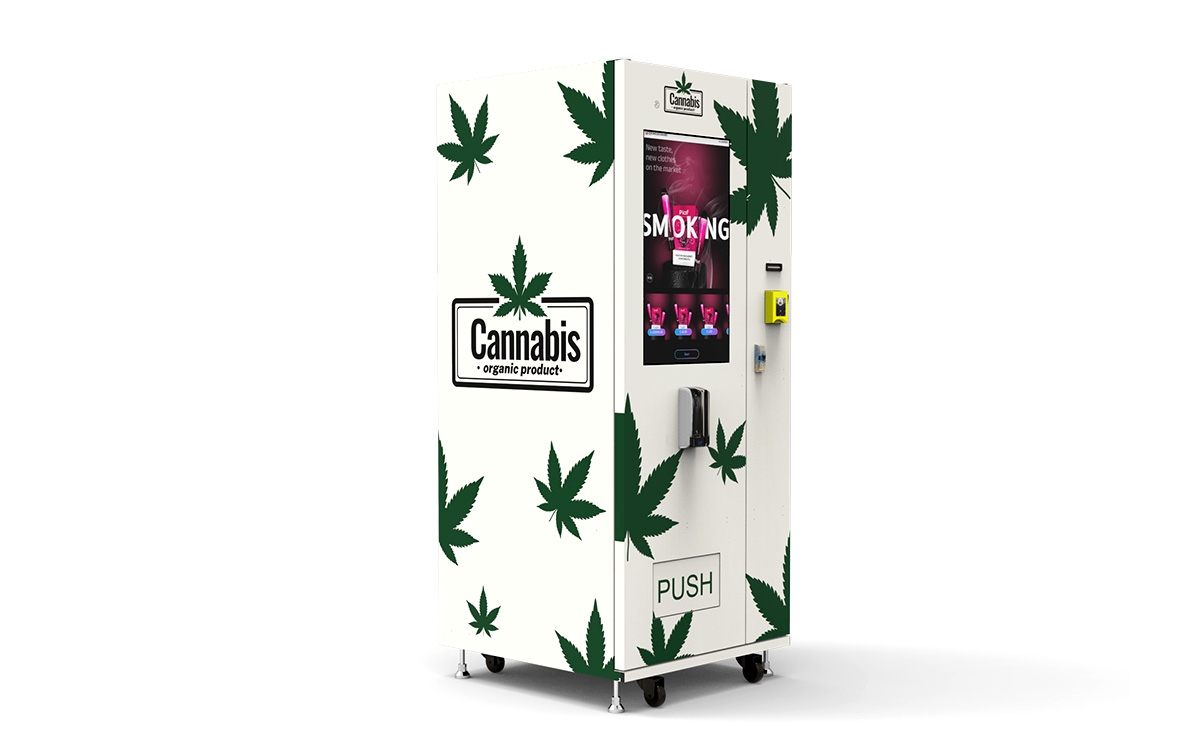
According to a 2024 study by Statista, the global vending machine market is projected to reach $35.2 billion by 2027, with the electronics segment growing at 8% annually. Statista Vending Machine Market Outlook That growth is driven partly by better payment technology and remote management tools.
Risks You Cannot Ignore
Theft and Vandalism
I have already mentioned this, but it deserves its own section. High-value machines are targets. In the past five years, I have had two machines broken into. One lost three laptops worth 3,600 euros total. The other had the payment terminal ripped off, costing 1,200 euros to replace. Insurance helps, but premiums for electronics vending machines are higher than for snack machines. Factor that into your budget.
Inventory Obsolescence
Laptops lose value quickly. A model that sells for 1,200 euros today might be worth 800 euros in six months. If your inventory sits too long, you lose money even if you sell it. I rotate stock every 90 days. If a device has not sold in three months, I discount it or move it to a different location.
Regulatory Compliance
In the EU, electronic devices sold through vending machines must comply with CE marking and WEEE directives. In the US, you need to follow FCC regulations. I have seen operators fined for selling devices that did not meet local standards. Work with a compliance consultant if you are not familiar with these requirements.
Cash Flow Pressure
Because inventory is expensive, cash flow can be tight. You may need to restock several machines at once, tying up 20,000 to 30,000 euros in product. If sales slow down, you can quickly find yourself in a liquidity crunch. I recommend keeping at least three months of operating expenses in reserve before expanding to multiple machines.
How to Lower Maintenance and Restocking Costs
Restocking a laptop vending machine is less frequent than a snack machine, but each restock is more expensive. I schedule restocks every two weeks for high-traffic locations and every three weeks for medium-traffic ones. To reduce costs, I plan routes efficiently. Instead of driving to each machine individually, I group restocks by geographic area.
For vending machine repair, I have a contract with a local technician who charges a flat annual fee plus parts. That saves me money compared to paying per visit. I also keep spare parts on hand: a backup card reader, a compressor fan, and a touchscreen digitizer. These parts cost me about 500 euros total but can save days of downtime.
Another tip: use predictive analytics. Some modern machines can alert you when a component is nearing failure. I have avoided several breakdowns by replacing parts proactively based on usage data.
FAQ: Laptop Vending Machine Opportunities and Risks
Are laptop vending machines profitable?
They can be, but profitability depends heavily on location and inventory management. In a good location, you can see a 20% to 30% return on investment within 12 to 18 months. In a bad location, you will lose money. I have seen both outcomes.
How much does a laptop vending machine cost?
A new, reliable machine costs between 8,000 and 18,000 euros. Refurbished units can be cheaper but often come with higher maintenance costs. I recommend budgeting at least 12,000 euros for a machine that will last.
How long does it take to break even?
In my experience, break-even takes 8 to 16 months. The range depends on location, rent, and sales volume. A machine in a top-tier airport may break even in 8 months, while a unit in a suburban business park might take 16 months or longer.
Should a beginner buy or lease a machine?
Leasing is safer for beginners because it reduces upfront risk. However, buying gives you better long-term returns if you choose the right location. I started by buying my first machine, but I had experience in the industry. If you are new, consider leasing or a revenue-sharing arrangement first.
Where is the best place to put a laptop vending machine?
Airports, tech company offices, university tech centers, and business hotels are the best locations. Avoid general retail areas or low-income neighborhoods. The key is an audience that needs electronics urgently.
What permits or licenses do I need?
Requirements vary by country and city. In the US, you typically need a business license and a sales tax permit. In the EU, you may need a vending machine operator license and CE compliance certification. Check with local authorities before placing any machine.
How do I choose a supplier?
Look for a manufacturer with a proven track record, good after-sales support, and remote monitoring capabilities. I have used Zhongda Smart for several units and found their build quality reliable. Always inspect the machine before paying a deposit.
What happens if the machine breaks down?
Have a maintenance contract in place before you deploy. If the machine goes offline, you lose sales and may damage your reputation. I have a technician on call for emergencies, and I keep spare parts in my van.
How can I reduce restocking and maintenance costs?
Plan efficient restocking routes, use remote monitoring to predict failures, and keep common spare parts on hand. Also, negotiate volume discounts with your inventory supplier.
Final Thoughts on Laptop Vending Machine Operations
Running a laptop vending machine business is not a passive income stream. It requires active management, careful location selection, and a willingness to learn from mistakes. I have seen operators succeed by treating it like a retail business, not a set-it-and-forget-it venture. The ones who fail are usually those who skip the research, buy cheap equipment, or ignore security.
If you are considering entering this space, start with one machine. Learn the rhythms of restocking, understand your customer base, and track every expense. Once you have a profitable unit, you can scale. Do not rush into multiple machines until you have a proven model.
The automated retail industry is evolving, and high-value vending machines are part of that shift. With the right approach, a laptop vending machine can be a solid investment. But like any business, it carries risks. Plan carefully, invest wisely, and always keep an eye on the data.
本文更新于2025年6月。所有成本和收益数据基于个人运营经验及行业公开报告。实际结果可能因地点、市场条件和管理效率而有所不同。本文不构成财务建议。在做出投资决策前,请咨询专业顾问。