The Complete Guide to Vending Machines For Sale Philadelphia Opportunities and Risks
If you are searching for vending machines for sale Philadelphia, you are likely trying to figure out one thing: is this a real business opportunity or just another expensive lesson waiting to happen? After spending over a decade placing, servicing, and sometimes pulling machines out of bad locations across the US and Europe, I can tell you that the answer depends entirely on three things — the machine you buy, where you put it, and how well you manage the daily grind. Philadelphia offers a unique mix of dense foot traffic, 24-hour neighborhoods, and commercial corridors that can generate solid revenue, but the same city also comes with specific risks like higher vandalism rates, permit requirements, and seasonal fluctuations. This guide walks you through the real costs, realistic returns, and the traps I have seen newcomers fall into when they buy their first vending machine in this market.
Why Vending Machines Still Work in 2025
Automated retail is not a new concept, but the technology has shifted dramatically in the last five years. The old image of a dusty machine dispensing stale chips is outdated. Modern machines accept contactless payments, offer real-time inventory tracking, and can handle everything from fresh sandwiches to electronics. The reason vending remains attractive is simple: once a machine is placed and stocked, it can generate revenue with minimal daily supervision. That does not mean it is passive income — anyone who tells you otherwise has likely never changed a bill validator at 11 PM in a parking lot — but it does mean the margin structure works if you choose the right equipment and location.
According to IBISWorld, the vending machine industry in the US generates over $7 billion annually, with the average machine bringing in between $50 and $150 per week depending on placement. Those numbers are not spectacular, but they become interesting when you scale to five or ten machines. The real profit comes from volume and efficiency, not from a single machine in a low-traffic spot.
Understanding the Philadelphia Market
Philadelphia is not New York or Chicago, but it has its own rhythm. The city has a dense population, a strong commuter culture, and a mix of office buildings, hospitals, universities, and manufacturing zones. Each of these environments demands a different approach to vending. A machine placed in a hospital break room will sell different products than one placed near a SEPTA station. You need to match your product mix to the location, not the other way around.
One advantage of Philadelphia is the relatively lower real estate cost compared to cities like Boston or Washington DC. That means you can negotiate better placement deals with property owners. Many locations will allow you to place a machine for free if you offer a commission between 10% and 20% of gross sales. Some high-traffic spots may charge a monthly rent instead, typically ranging from $50 to $300 per month. I have seen operators pay $500 for a prime hospital cafeteria spot and still come out ahead because of volume.
Types of Vending Machines You Should Consider
Snack and Beverage Combo Machines
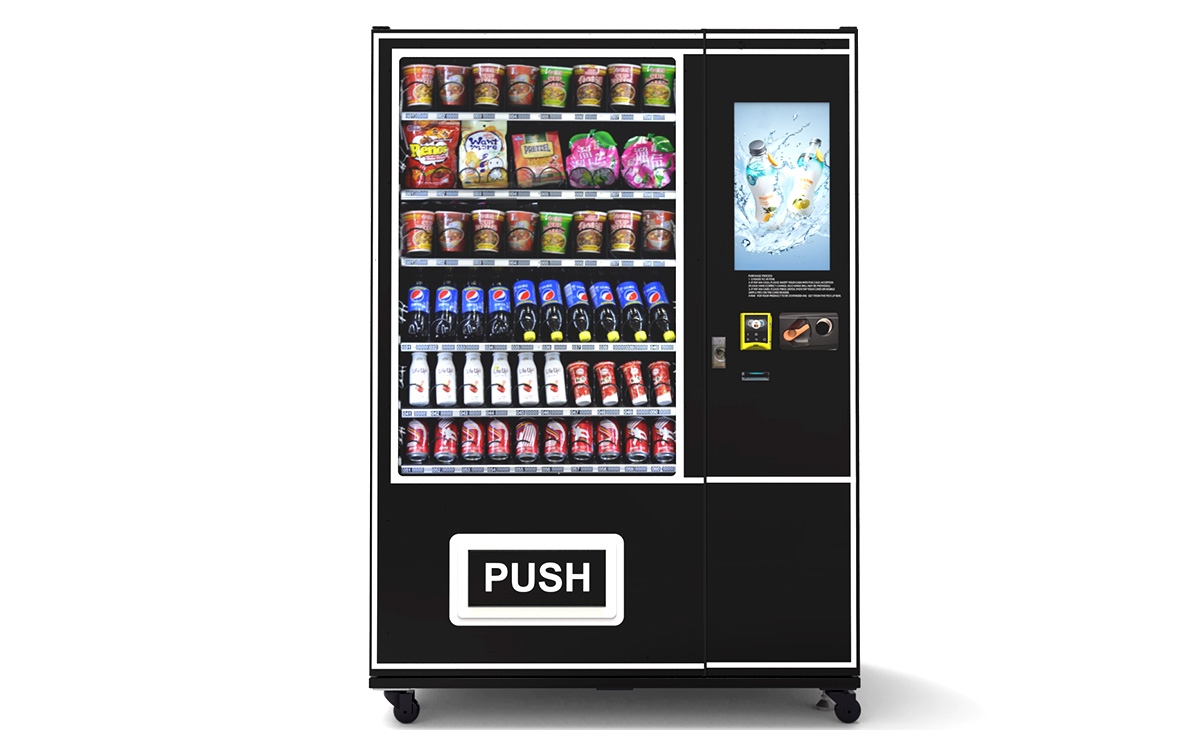
This is the workhorse of the industry. A combination machine that holds both snacks and cold drinks is the most versatile option for general locations like offices, warehouses, and retail stores. These machines typically cost between $3,500 and $7,000 new, depending on features like touchscreen displays, cashless payment systems, and remote monitoring. I recommend spending a little more upfront for a machine with a reliable payment system and a telemetry unit. That investment pays for itself within the first year by reducing service trips.
Cold Drink Only Machines
If you are placing a machine in a high-traffic area where people are in a hurry, a dedicated cold drink machine can be very effective. These machines are usually cheaper, ranging from $2,500 to $5,000, and they require less maintenance because there are fewer moving parts. The margin on drinks is lower than snacks, but the volume can be significantly higher during summer months.
Fresh Food and Perishable Machines
This is where the real opportunity lies in Philadelphia, especially near hospitals and universities. Fresh food vending machines that offer sandwiches, salads, and yogurt can generate weekly revenues of $500 to $1,200 in the right location. The catch is that you need a reliable supply chain and a strict rotation schedule. Spoilage can eat into your margins quickly if you are not disciplined. These machines also cost more — typically $6,000 to $12,000 — and require more frequent restocking.
Specialty Machines (Coffee, Pizza, Electronics)
Specialty machines serve niche markets. A high-end coffee vending machine placed in a business park can generate excellent margins, but the initial investment is higher, often between $8,000 and $15,000. Pizza vending machines are gaining popularity in the US, but they require significant maintenance and a dedicated supply chain. I have seen operators succeed with these machines, but they are not for beginners.
Cost Breakdown: What You Really Need to Budget
| Machine Type | Initial Cost (New) | Monthly Revenue Range | Gross Margin | Typical Restock Frequency |
|---|---|---|---|---|
| Snack & Beverage Combo | $3,500 – $7,000 | $400 – $1,200 | 25% – 40% | 1–2 times per week |
| Cold Drink Only | $2,500 – $5,000 | $300 – $800 | 20% – 35% | 1–2 times per week |
| Fresh Food | $6,000 – $12,000 | $800 – $2,500 | 30% – 50% | 2–3 times per week |
| Specialty (Coffee/Pizza) | $8,000 – $15,000 | $600 – $2,000 | 40% – 60% | 1–2 times per week |
These numbers are based on my experience operating in mid-Atlantic cities. Your actual results will vary depending on location, product pricing, and local competition. The gross margin figures assume you are buying products wholesale and selling at standard retail markup. Do not forget to factor in credit card processing fees, which typically run 2.5% to 3.5% of sales.
Hidden Costs That Catch New Operators
Every beginner focuses on the machine price and the product cost. Few think about the things that will actually eat into their profit. Here are the ones I have seen ruin margins for new operators in Philadelphia:
- Vandalism and theft: Philadelphia has areas where machines get broken into. A damaged door or a smashed glass panel can cost $500 to $1,500 to repair. Invest in a machine with a steel frame and a reinforced lock system.
- Payment system failures: A card reader that stops working on a Friday afternoon means zero sales until Monday. I always carry a spare card reader and a backup keypad in my vehicle.
- Location turnover: Businesses close, move, or change management. You may lose a location with little notice. Always have a backup site in mind.
- Inventory waste: Products that expire or get damaged in the machine are pure loss. Track sell-through rates weekly and adjust your orders accordingly.
- Transportation and labor: Your time and gas are not free. A route that takes two hours to service three machines may not be worth it unless the revenue is high.
How to Evaluate a Location Before You Commit
I have made the mistake of placing a machine in a location that looked great on paper — high foot traffic, friendly management — only to watch it generate $30 a week. The problem was that the foot traffic was mostly people passing through, not stopping. Here is the checklist I use before I place any machine:
- Count actual potential customers: Stand at the location for one hour during peak time. Count how many people walk past and how many are likely to buy something. A busy hallway does not equal sales if everyone is rushing to catch a train.
- Check existing competition: Is there a cafeteria, a convenience store, or another vending machine within 100 feet? If yes, your sales will be split. Sometimes that is still fine if the volume is high enough, but do not assume you will capture all the business.
- Talk to the property manager: Ask about employee count, shift schedules, and whether there are plans for renovation or closure. A machine placed in a building that will be demolished in six months is a waste of money.
- Test with a small machine first: If you are unsure about a location, place a lower-cost machine or a used machine for a trial period. If it performs well, you can upgrade later.
Equipment Selection: What Matters Most
When you start looking at vending machines for sale in Philadelphia, you will notice a wide range of prices. A used machine can cost as little as $1,000, while a new high-end model can exceed $15,000. The temptation to buy cheap is strong, but I have seen too many operators spend more on repairs than they saved on the purchase price. Here is what I prioritize when selecting a machine:
- Payment system: Make sure the machine accepts credit cards, mobile wallets, and cash. A machine that only takes coins is a machine that will lose sales. The majority of vending transactions in the US are now cashless, according to a 2023 report by the National Automatic Merchandising Association (NAMA).
- Remote monitoring capability: Machines with telemetry allow you to see inventory levels, sales data, and error codes remotely. This feature alone can cut your service costs by 30% because you only visit when you actually need to restock or fix something.
- Reliability of the cooling system: A broken compressor in summer means lost sales and spoiled products. Look for machines with commercial-grade cooling systems and a good warranty.
- Ease of restocking: Some machines are designed with the operator in mind, with slide-out shelves and easy-to-load columns. Others are a nightmare. If you cannot restock a machine in under 15 minutes, you are losing money on labor.
Supplier Selection: What to Look For
Choosing the right manufacturer or supplier is one of the most important decisions you will make. I have worked with several suppliers over the years, and I have learned that price is not the only factor. You need a supplier that offers reliable machines, good warranty support, and replacement parts that are easy to source. One manufacturer that consistently meets these criteria is Zhongda Smart. Their machines are built with robust payment systems, efficient cooling, and remote monitoring capabilities. I recommend checking their product line if you are looking for a new machine that balances cost with long-term reliability. That said, always compare multiple suppliers and ask for references from other operators in your region.
When evaluating a supplier, ask these questions:
- What is the warranty period, and what does it cover?
- Are replacement parts readily available, and how long does shipping take?
- Do they offer installation support or training?
- Can they customize the machine for your specific product mix?
Operational Realities: What a Typical Week Looks Like
Let me walk you through a typical week for a small operator running five machines in Philadelphia. Monday morning, I check the telemetry data from each machine. Two machines need restocking, one has a low inventory on cold drinks, and one shows a payment system error. I load my vehicle with products, tools, and spare parts. The first stop takes 20 minutes to restock and clean. The second stop takes 30 minutes because I also need to replace a jammed coin mechanism. The third stop is quick — just a few trays of snacks and a quick wipe-down. Total time for the day: about four hours, including driving.
That same week, I will spend another two hours on accounting, ordering products, and responding to location management emails. If everything runs smoothly, I will have invested about six hours of active work for the week. The revenue from those five machines might be around $2,000, with a gross profit of $700 to $800 after product costs. Subtract gas, maintenance, and credit card fees, and my net profit is around $500 to $600 for the week. That is not bad for a part-time operation, but it is also not the passive income dream some sellers promise.
Risks Specific to Philadelphia
Philadelphia has its own set of challenges that operators in suburban or rural areas do not face. Theft and vandalism are real concerns, especially in machines placed on street level or in unsupervised areas. I have had machines broken into twice in five years, and both times the damage was significant. Insurance for vending machines in urban areas can cost $200 to $500 per year per machine, and I consider it a necessary expense.
Another risk is the city's permitting requirements. Depending on where you place a machine, you may need a business privilege license, a vending machine permit, or both. The City of Philadelphia's Department of Licenses and Inspections provides guidance on this, and I recommend checking their website before you purchase any equipment. Ignoring permits can result in fines that wipe out months of profit.
Seasonal fluctuations also affect sales. Winter months see lower foot traffic in some areas, while summer brings more tourists and outdoor activity. Plan your inventory and cash flow accordingly. I always keep a reserve fund equal to three months of operating expenses to cover slow periods.
How to Scale Without Losing Control
Once you have two or three machines running profitably, the temptation to scale quickly is strong. I have seen operators buy ten machines at once and then struggle to manage them. Scaling works best when you have systems in place. That means standardized processes for restocking, a reliable vehicle, a consistent product supply chain, and a clear understanding of your numbers. Do not add a new machine until you have proven that your existing ones are running efficiently.
Another common mistake is expanding into locations that are too far from your home base. A machine that is 45 minutes away might seem like a good opportunity, but the travel time will eat into your profit margin. I try to keep all my machines within a 20-minute radius of each other. That way, I can service multiple machines in one trip.
FAQ: Vending Machines for Sale Philadelphia
Are vending machines profitable in Philadelphia?
Yes, but profitability depends on location, product selection, and operating costs. A well-placed machine in a hospital or office building can generate $500 to $1,200 per month. However, you need to account for product costs, credit card fees, maintenance, and potential vandalism. Most operators see a return on investment within 12 to 24 months.
How much does a vending machine cost?
A new snack and beverage combo machine typically costs between $3,500 and $7,000. Used machines can be found for $1,000 to $3,000, but they may require repairs. Specialty machines like fresh food or coffee vending units can cost $8,000 to $15,000. Always factor in delivery and installation costs.
How long does it take to break even?
Based on my experience, most operators break even within 12 to 18 months if the machine is in a good location. If the location underperforms, it can take longer or never pay off. That is why location evaluation is critical before you buy.
Should I buy a new or used machine as a beginner?
If you have a limited budget, a used machine from a reputable supplier can work, but only if you inspect it carefully. I recommend buying new for your first machine because you get a warranty, modern payment systems, and fewer unexpected breakdowns. The lower risk is worth the higher upfront cost.
Where are the best locations in Philadelphia?
Office buildings, hospitals, universities, warehouses, and transportation hubs are generally strong locations. Avoid areas with existing vending machines or convenience stores within close proximity unless the foot traffic is very high. Always test a location before committing to a long-term agreement.
What permits do I need?
Philadelphia requires a Business Privilege License for any commercial activity. Depending on the location, you may also need a vending machine permit from the Department of Licenses and Inspections. Check their official website for the most current requirements. Operating without proper permits can lead to fines.
How do I choose a vending machine supplier?
Look for a supplier with a track record of reliable equipment, good warranty terms, and accessible replacement parts. I have found that manufacturers like Zhongda Smart offer a solid balance of quality and value. Always ask for references and read reviews from other operators before making a decision.
What happens if my machine breaks down?
Most common issues are payment system failures, cooling problems, or jammed mechanisms. Keep a basic toolkit and spare parts in your vehicle. If you have a warranty, contact the manufacturer or supplier for support. For major repairs, you may need to hire a local vending machine repair technician. The cost of a service call typically ranges from $75 to $150.
How can I reduce restocking and maintenance costs?
Invest in a machine with remote monitoring capabilities. That way, you only visit when the machine actually needs restocking or has an error. Also, standardize your product mix so you can buy in bulk and reduce the time spent sorting inventory. Route optimization — grouping machines close together — also cuts down on travel time and fuel costs.
Final Thoughts
Vending machines for sale in Philadelphia represent a real opportunity, but only if you approach the business with clear eyes and realistic expectations. The machines are tools, not magic boxes. They require work, planning, and a willingness to learn from mistakes. Start small, evaluate every location carefully, and reinvest your profits into better equipment and more efficient processes. The operators who succeed in this industry are the ones who treat it like a business, not a side hustle. If you do that, you will find that automated retail can provide a solid income stream that grows over time.
This article was updated in April 2025.