Top Things You Should Know About A1 Vending Machines in 2026
What Exactly Is an A1 Vending Machine in 2026?
When I started in this business, an A1 machine was simply a basic snack and drink dispenser with a coin mechanism and a few spirals. Today, the term has evolved. In 2026, an A1 vending machine typically refers to a fully integrated self-service kiosk that handles cashless payments, remote inventory monitoring, and sometimes even refrigeration for fresh items. The "A1" designation in the industry usually indicates a standard size unit—roughly 72 inches tall and 35 inches wide—that fits most commercial locations without requiring custom installation.
These machines are no longer just about candy bars and sodas. Modern A1 vending machines can dispense everything from fresh salads and sandwiches to electronics and personal care items. The key change is the telemetry system. Every machine I deploy now comes with a cellular-connected control board that sends me real-time sales data, inventory levels, and error alerts. If you are not buying a machine with remote monitoring in 2026, you are buying a headache.
The Shift from Cash to Cashless
One of the biggest lessons I learned early in my career is that cash-only machines die slow deaths in high-traffic locations. In 2026, over 80% of vending transactions in the United States are cashless, according to data from the National Automatic Merchandising Association (NAMA). In Europe, countries like France and Germany are seeing similar trends. If your A1 vending machine only accepts coins and bills, you are effectively cutting yourself off from a significant portion of potential sales. Modern machines come with NFC readers, credit card terminals, and sometimes even QR code scanning for mobile wallets. This is not optional anymore—it is table stakes.
Is the A1 Vending Machine Business Profitable in 2026?
Let me be direct: yes, it can be profitable, but it is not a passive income fantasy. I have seen too many people jump into vending thinking they will park a machine somewhere and collect checks. That is not how it works. Profitability depends on three things: location, product mix, and operational discipline. In my experience, a well-placed A1 vending machine in an office building or warehouse can generate between $300 and $800 in monthly sales. After deducting cost of goods sold (typically 40–50%), machine payment, and commission to the location owner (usually 10–20%), your net profit per machine might land between $100 and $300 per month. That is a realistic range, not a marketing promise.
According to a 2025 IBISWorld report on the vending machine industry in the US, the average profit margin for vending operators sits around 15–20%. That aligns with what I see in my own routes. The machines that outperform are almost always in locations with consistent foot traffic and a captive audience—places like factories, hospitals, and college dorms. Street-facing machines in random retail strips rarely perform well unless they are in a dense urban area with high pedestrian flow.
Real Numbers from My Routes
I currently operate about 120 machines across three European countries. My best-performing A1 vending machine is in a logistics warehouse near Lyon, France. That machine does about €1,200 per month in sales, mostly energy drinks, packaged sandwiches, and protein bars. My worst machine is in a small office building in a suburban business park. That one barely clears €200 per month. The difference is not the machine—it is the location. I learned the hard way that a cheap machine in a bad location is more expensive than an expensive machine in a good one.
Key Factors to Evaluate Before Buying an A1 Vending Machine
Before you spend a single euro or dollar, you need to evaluate several factors that will determine whether your investment works out. Here is what I look at:
Location Quality Over Everything
I cannot stress this enough. The best machine in the world will fail in the wrong spot. I look for locations with at least 100–200 people passing by daily, ideally with limited access to other food options. Break rooms in factories, hospital staff areas, and university common rooms are gold mines. Retail spaces with open access to street traffic are riskier because customers have other choices. I always negotiate a trial period of three months before signing a long-term commission agreement. If the machine does not hit a minimum sales threshold, I reserve the right to move it.
Machine Cost and Configuration
In 2026, a new A1 vending machine with telemetry and cashless payment will cost you between $4,000 and $8,000 depending on the brand and features. Refrigerated units cost more. I have seen operators buy used machines for $1,500 to $2,500, but you need to be careful. Older machines often lack remote monitoring and may require expensive vending machine repair work within the first year. A friend of mine bought a used machine from a liquidation auction and spent $1,200 on repairs in the first six months. That is not a deal—it is a trap.
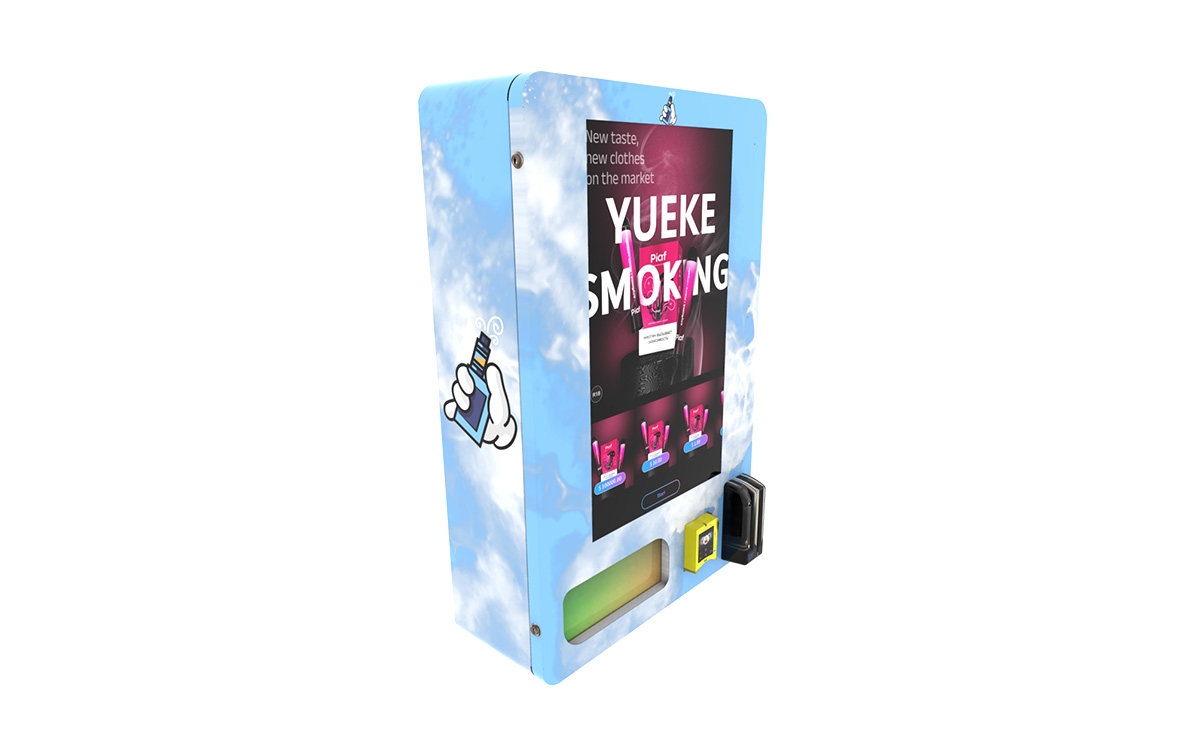
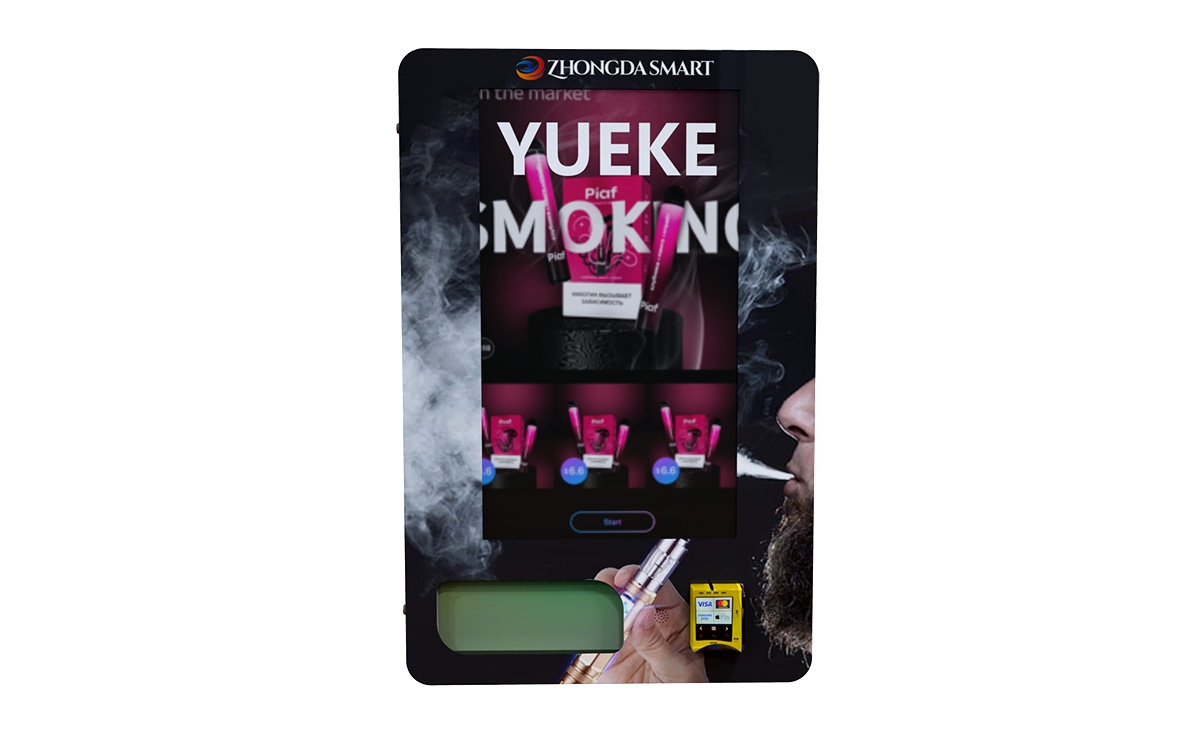
When I evaluate suppliers, I look for manufacturers that offer reliable telemetry, easy-to-service components, and good warranty support. Zhongda Smart is one of the suppliers I have worked with for several years. Their A1 machines come with built-in 4G connectivity, a solid cashless payment system, and modular shelving that makes product changes quick. I do not get a commission for mentioning them—I mention them because their equipment has held up well in my routes over the past three years. If you are sourcing machines, put them on your list to compare.
Product Sourcing and Margins
Your profit margin is not just about what you sell—it is about what you pay for it. I buy most of my products from wholesale distributors. My average cost per item is about 40–50% of the retail price. For example, a can of soda that costs me $0.50 sells for $1.50. A protein bar that costs me $1.00 sells for $2.50. The key is to find products with high turnover and decent margins. I avoid niche items that sit on the shelf for weeks. If something does not sell within 10 days, I swap it out. Data from your telemetry system will tell you exactly what is moving and what is not.
Comparing Different A1 Vending Machine Configurations
Here is a simple table based on my experience with different machine types. Use it as a starting point, but always verify against your own location data.
| Machine Type | Initial Cost (USD) | Typical Monthly Revenue | Maintenance Cost/Year | Best Location Type |
|---|---|---|---|---|
| Basic snack & drink (non-refrigerated) | $3,500 – $5,000 | $250 – $500 | $200 – $400 | Offices, small factories |
| Refrigerated combo (snacks + cold drinks) | $5,500 – $8,000 | $400 – $800 | $300 – $600 | Hospitals, warehouses, schools |
| Fresh food machine (sandwiches, salads) | $7,000 – $10,000 | $600 – $1,200 | $500 – $800 | High-traffic break rooms, universities |
| Used/refurbished A1 machine | $1,500 – $3,000 | $150 – $400 | $400 – $1,000 | Low-risk trials, secondary locations |
Notice the maintenance cost column. Used machines often cost more to maintain than new ones. I have seen operators buy a cheap used machine and then spend almost as much on vending machine repair in the first year. That is why I prefer new or certified refurbished units from reputable suppliers like Zhongda Smart. The upfront cost is higher, but the total cost of ownership over three years is usually lower.
How to Choose a Supplier or Manufacturer
I get asked about this constantly. Here is my honest process: I look for suppliers who have been in business at least five years, offer a warranty of at least two years on the refrigeration system and control board, and provide local service support or a network of technicians. I also check whether their telemetry system is compatible with common vending management software like Cantaloupe or Nayax. If a supplier cannot tell me who their service partners are in my region, I move on.
Zhongda Smart has a solid track record in this area. Their machines are used by operators in Europe, North America, and Southeast Asia. I have found their customer support responsive, and their parts are reasonably priced. That said, I always recommend getting quotes from at least three suppliers before making a decision. Compare warranty terms, shipping costs, and the availability of spare parts. A machine that requires a 12-week wait for a replacement control board is a machine that will lose you money.
Common Mistakes New Operators Make
I have made most of these mistakes myself, so I can tell you about them with some authority.
Buying Too Many Machines Too Fast
I started with five machines and quickly realized I did not have the route efficiency to support them. Each machine requires restocking, cleaning, and occasional vending machine repair. If your machines are spread across a 50-mile radius, you will waste time and fuel. Start with one or two machines in a concentrated area. Build your route density before expanding.
Ignoring the Commission Agreement
Some location owners will ask for 30% or more of your gross sales. That is too high in most cases. I aim for 10–15% for standard locations and up to 20% for premium spots like hospitals with guaranteed high traffic. Always get the agreement in writing. I once had a handshake deal with a factory manager who left the company three months later, and the new manager demanded a higher commission. Without a written contract, I had no leverage.
Choosing the Wrong Product Mix
I see new operators stock their machines with whatever they personally like. That is a mistake. Your customers are not you. Use sales data from your telemetry system to identify the top 10 selling items and focus on those. In my experience, the 80/20 rule applies hard in vending: 80% of your revenue comes from 20% of your products. If you are not tracking that, you are guessing.
Best Locations for A1 Vending Machines in 2026
Based on my routes and conversations with other operators, here are the location types that consistently perform well:
- Manufacturing and logistics facilities: Workers have limited time for breaks and often have no nearby food options. These locations can generate $500–$1,000 per month per machine.
- Hospitals and medical centers: Staff and visitors need quick access to food and drinks 24/7. These locations are usually high-traffic but may require a higher commission.
- Universities and colleges: Students are heavy users of self-service kiosks. Dormitories and student unions are especially good.
- Office buildings with 200+ employees: If the building has a cafeteria, your machine will compete. If it does not, you have a strong opportunity.
- Gyms and fitness centers: Sports drinks, protein bars, and bottled water sell well. Machines here see consistent daily use.
I avoid locations like small retail shops, low-traffic gas stations, and residential buildings unless there is a specific need. I also avoid locations where the owner expects me to pay a flat monthly fee instead of a commission. Flat fees shift all the risk to you.
How to Evaluate Whether a Machine Is Worth the Investment
Before I commit to a new location, I run a simple calculation. I estimate the number of potential customers per day, multiply by the average transaction value (usually $1.50–$2.50), and then apply a conservative conversion rate of 5–10%. That gives me a rough daily revenue estimate. Then I subtract cost of goods, commission, and a provision for maintenance. If the projected net monthly profit is less than $100, I pass. That threshold ensures I recover my machine cost within 18–24 months, which I consider a reasonable payback period for a new A1 vending machine.
According to a 2026 industry survey by Vending Times, the average payback period for a new machine in the US is 18 to 30 months. My own experience falls in that same range. Machines in top-tier locations can pay back in 12 months, but those are the exceptions. Plan for 24 months and be happy if it happens faster.
Operational Costs You Should Not Ignore
Many new operators forget to budget for ongoing costs beyond the machine purchase. Here are the ones I track closely:
- Restocking labor: I spend about 30 minutes per machine per week. At $20 per hour, that is $10 per week per machine, or about $40 per month.
- Vehicle expenses: Fuel, insurance, and vehicle depreciation. I allocate about $0.50 per mile for my route vehicle.
- Vending machine repair and parts: I budget 5–10% of gross revenue for maintenance. Some months I spend nothing. Other months I replace a compressor or a payment terminal.
- Payment processing fees: Cashless transactions cost 2–4% per swipe. This eats into your margin, but the increase in sales volume usually offsets it.
- Location commission: As mentioned, typically 10–20% of gross sales.
If you add all that up, your net margin after all costs might be 10–15% of gross revenue. That is not huge, but it scales well if you have multiple machines on a tight route. I have operators in my network who run 50 machines and clear a comfortable six-figure income. But they did not get there overnight.
Frequently Asked Questions About A1 Vending Machines
Are A1 vending machines profitable in 2026?
Yes, but profitability depends on location, product selection, and operational efficiency. A well-placed machine can generate $100–$300 in net profit per month. Poorly placed machines may lose money. I recommend starting small and scaling based on data.
How much does an A1 vending machine cost?
A new machine with telemetry and cashless payment costs between $4,000 and $8,000. Used machines can be found for $1,500 to $3,000, but may require frequent vending machine repair. Factor in installation and shipping costs as well.
How long does it take to break even?
In my experience, 18 to 30 months is typical for a new machine. Top locations can break even in 12 months. Used machines may break even faster if the purchase price is low and the location is good, but repair costs can delay that.
Should I buy or lease a vending machine?
I prefer buying. Leasing often locks you into long-term contracts with high monthly payments. Buying gives you full control over the machine and the revenue. If you are unsure, start with one purchased machine and test the waters.
Where should I place my first machine?
Look for locations with 100–200 people per day, limited food options, and a captive audience. Factories, hospitals, and schools are strong candidates. Avoid locations with existing vending machines unless you can offer better products or service.
What permits or licenses do I need?
Requirements vary by city and country. In the US, you typically need a business license and a sales tax permit. In Europe, check with local chambers of commerce. Some locations may also require health department approval if you sell fresh food. I always check with the local municipality before placing a machine.
How do I choose a vending machine supplier?
Look for suppliers with at least five years in business, a solid warranty, and a network of service technicians. Compare telemetry compatibility and spare parts availability. I have had good results with Zhongda Smart, but always do your own due diligence.
What happens when the machine breaks down?
You need a plan for vending machine repair. If you are handy, you can fix many issues yourself. Otherwise, find a local technician before you need one. I keep a list of three repair services in each region where I operate. Downtime costs money, so fast response matters.
How can I reduce restocking and maintenance costs?
Use telemetry to track inventory and only restock when needed. Group your machines on a tight route to minimize driving time. Buy high-quality machines to reduce breakdowns. I also standardize on one brand of equipment so I only need to stock one set of spare parts.
Final Thoughts from the Road
I have seen the vending industry change dramatically over the past ten years. The A1 vending machine of 2026 is smarter, more reliable, and more capable than anything I started with. But the fundamentals have not changed. Location still matters more than the machine. Operational discipline still separates profitable operators from those who quit after a year. And the ability to read your sales data and react quickly is what keeps your machines running at peak performance.
If you are serious about getting into this business, start small. Buy one machine. Place it in a strong location. Learn the rhythm of restocking, the quirks of your telemetry system, and the preferences of your customers. Once you have that dialed in, scale from there. The operators who succeed in this industry are not the ones who buy the flashiest equipment. They are the ones who show up consistently, fix problems quickly, and never stop paying attention to the details.
This article was updated in February 2026. All financial figures are based on my personal operating experience and publicly available industry data. Results may vary based on location, product selection, and operational factors. Always conduct your own research before making investment decisions.