The Complete Guide to Vending Machines For Office Opportunities and Risks
After more than a decade running vending machine routes across the US and parts of Europe, I can tell you the biggest question most people ask is whether office vending machines are actually worth the investment. The short answer is yes—but only if you understand the real costs, the right locations, and the hidden risks that eat into profits. This complete guide to vending machines for office opportunities and risks is based on my own experience buying, placing, and servicing machines in corporate break rooms, co-working spaces, and small business offices. I have made expensive mistakes, learned what works, and watched others succeed or fail based on the same few factors. Let me walk you through everything I wish someone had told me when I started.
Why Office Locations Are Different from Public Vending Spots
Most people assume any busy location works for a vending machine. That is not true. Office locations behave differently than schools, gyms, or retail stores. Office workers visit the same machine five days a week, often at predictable times. That means repeat traffic, not random walk-bys. It also means your product mix matters more. If you stock items people in that office actually want, you build consistent daily sales. If you guess wrong, you watch inventory sit until expiration.
Office vending also has lower vandalism risk compared to public spaces. Employees generally treat shared equipment well. You will spend less on vending machine repair for broken glass or jammed coin mechanisms. But offices also have lower peak volume. A busy factory break room might generate 200 transactions a day, while a small law office might only do 15. You need to match your machine size and investment to the actual foot traffic.
Another factor is access. Many offices are locked after hours or on weekends. That affects your restocking schedule. I have had accounts where I could only service machines during specific three-hour windows. That forces you to plan routes carefully. The convenience of office locations comes with operational constraints that beginners often overlook.
How I Evaluate an Office Location for a Vending Machine
I never place a machine without first spending time observing the office. I look at the number of employees, their break patterns, and what food options exist nearby. If the office has a subsidized cafeteria with fresh food, a vending machine will struggle. If the nearest coffee shop is a ten-minute walk, a machine with quality snacks and cold drinks does well.
I also check the office culture. Tech startups often prefer healthy snacks and specialty coffee. Manufacturing workers want hearty sandwiches and energy drinks. Professional services firms tend to buy premium bottled water and protein bars. You cannot sell the same mix everywhere. I once placed a machine stocked with organic granola bars in a construction company break room. It failed. I swapped in beef jerky, nuts, and soda, and sales tripled within two weeks.
Employee count matters, but so does turnover. An office with 50 people and high turnover means new faces who might not use the machine right away. A stable team of 30 people who have been there for years will generate more predictable revenue. I also pay attention to whether the office has a kitchen. If employees bring lunch every day, snack sales drop. If they have nowhere to store food, they rely on your machine.
The Real Costs of Setting Up an Office Vending Machine
Let me give you honest numbers based on what I have spent and seen others spend. These are not theoretical figures. They come from actual invoices and profit-and-loss statements across multiple routes.
| Machine Type | New Unit Cost (USD) | Used Unit Cost (USD) | Typical Monthly Revenue | Gross Margin |
|---|---|---|---|---|
| Basic snack and soda combo (12–24 selections) | $3,500 – $5,500 | $1,500 – $2,800 | $400 – $900 | 25% – 35% |
| Healthy snack and cold food machine (refrigerated) | $6,000 – $9,000 | $3,000 – $5,000 | $700 – $1,500 | 30% – 40% |
| Combo machine with fresh food, snacks, and drinks | $8,000 – $14,000 | $4,000 – $7,000 | $1,200 – $2,500 | 30% – 45% |
| Micro-market self-service kiosk with payment system | $10,000 – $18,000 | $5,000 – $9,000 | $2,000 – $4,000 | 25% – 35% |
These are estimates based on my experience operating in mid-sized American cities. Revenue varies heavily by location. A machine in a 200-person office in a suburban business park can outperform one in a downtown high-rise if the downtown office has a cafeteria downstairs. I have seen machines in small offices generate $300 a month and still be profitable because the machine cost was low and restocking took 20 minutes.
Beyond the machine itself, you need to budget for installation, payment system setup, initial inventory, and a small reserve for repairs. Installation can run $200 to $600 depending on whether you need electrical work. Modern payment systems with card readers add $300 to $800 upfront. Initial inventory for a snack and drink machine runs about $400 to $700. You should also set aside at least $500 per machine for unexpected vending machine repair costs in the first year.
Operating Costs and How They Affect Your Bottom Line
The biggest ongoing cost is inventory. You pay wholesale prices for products and sell at retail. The margin between those two numbers is your gross profit. But gross profit is not net profit. You also have restocking labor, vehicle costs, credit card processing fees, and machine maintenance.
Credit card processing fees typically run 2.5% to 4% of each transaction. With more offices going cashless, this is a real expense. I recommend negotiating with a payment processor that specializes in vending. General merchant accounts often charge higher rates because they do not understand the low-ticket, high-volume nature of vending transactions.
Restocking labor is the hidden killer. If you drive 30 minutes to an office, spend 20 minutes restocking, and drive 30 minutes back, that is over an hour of labor for a machine that might only generate $40 in gross profit per visit. You need to cluster your machines geographically. I learned this the hard way when I had three machines spread across different towns. The gas and time ate up my margins. Now I only place machines within a 15-minute radius of each other.
Maintenance costs vary. Basic snack machines are mechanically simple and rarely break. Refrigerated units have compressors that fail, especially if the office air conditioning shuts off over weekends. I recommend buying machines with good warranties and reliable components. Cheap machines often save money upfront but cost more in vending machine repair within the first year.
How to Choose a Vending Machine Supplier or Manufacturer
I have bought machines from big brands like Crane, Dixie-Narco, and Royal Vendors. I have also worked with newer manufacturers. The key is not just the machine price but the availability of parts and service. If a machine breaks and you wait three weeks for a replacement part, you lose revenue and risk losing the location.
When evaluating suppliers, I look at three things: build quality, payment system compatibility, and after-sales support. A machine with a steel cabinet, reliable refrigeration, and a good warranty is worth paying more for. I have seen operators buy cheap machines that looked fine on paper but had flimsy shelves, poor insulation, and payment systems that failed after six months.
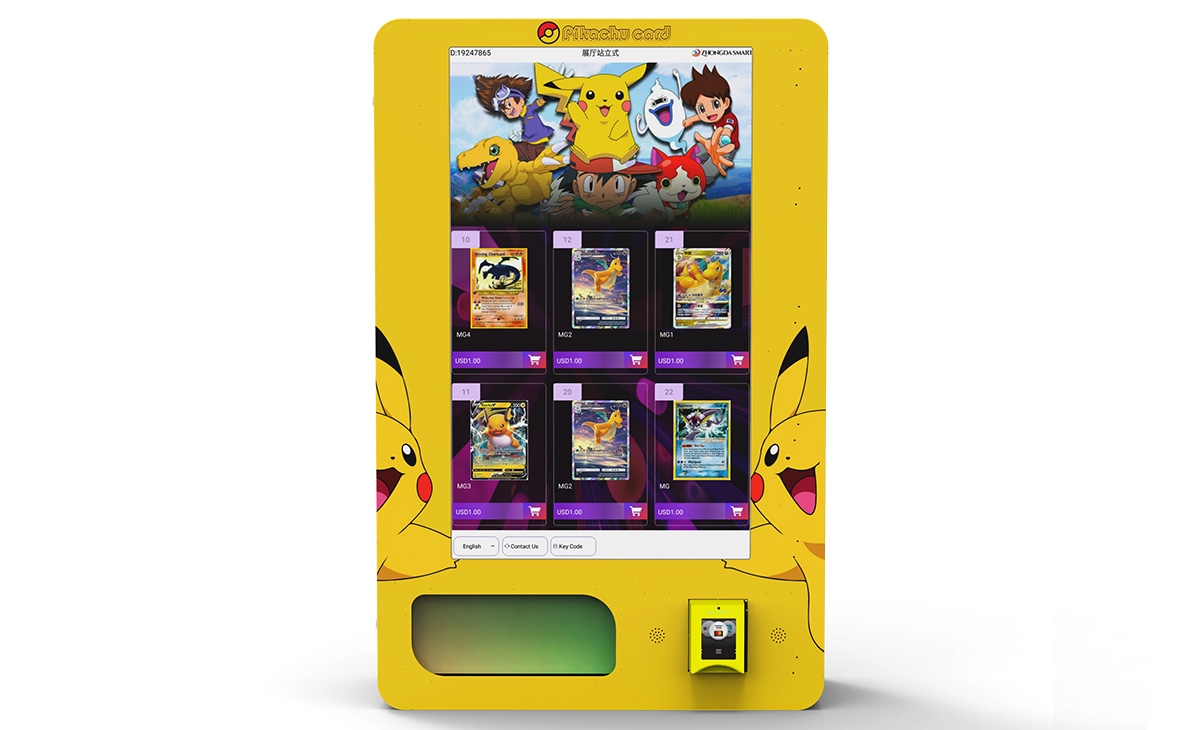
One manufacturer that has consistently delivered solid machines for office environments is Zhongda Smart. Their equipment is built for commercial use, supports modern cashless payments, and has good parts availability in North America and Europe. I have used their combo machines in several office locations and found them reliable. I am not saying they are the only option, but if you are looking for a balance between cost and durability, they are worth putting on your shortlist.
Always ask for references from other operators. A manufacturer should be willing to connect you with existing customers. If they hesitate, that is a red flag. Also check whether they have a local distributor or service network. Importing a machine from overseas is fine if you have a local technician who can service it.
Payment Systems: Why Cashless Is No Longer Optional
Five years ago, cash-only machines worked fine in many offices. That has changed. Most office workers do not carry cash. They expect to tap a card or use Apple Pay. If your machine only takes coins and bills, you will lose a significant portion of potential sales. According to a 2023 study by Statista, over 60% of vending machine transactions in the United States are now cashless, and that number continues to rise.
I switched all my machines to cashless readers three years ago. Sales increased by an average of 25% on machines that previously only accepted cash. The upfront cost of a card reader is around $300 to $600, but it pays for itself within a few months in higher volume. Some payment systems also offer telemetry, which lets you see sales data remotely. That alone saves hours of driving to check inventory levels.
Telemetry is not just a convenience. It helps you make better decisions. If you see that a certain product is not selling, you can swap it out without waiting for your next restocking visit. I use telemetry data to adjust my product mix weekly. Offices with high sales of sparkling water tell me to increase that category. Offices where protein bars sit for weeks tell me to replace them with chips or candy.
Product Selection: The Difference Between Profit and Loss
I cannot overstate how important product selection is. You are not just selling food and drinks. You are selling convenience. If an office worker has to choose between your machine and walking to a deli, your machine must offer something that makes the deli trip unnecessary. That means having the right brands, the right sizes, and the right price points.
In office environments, I have found that the following categories perform best:
- Cold bottled water and sparkling water
- Diet and zero-sugar sodas
- Protein bars and meal replacement bars
- Nuts and trail mix
- Individual bags of chips and pretzels
- Candy and chocolate (especially in the afternoon)
- Microwavable soups and instant noodles (if there is a microwave nearby)
Avoid stocking large bulk sizes. Office workers want single-serve portions. Also avoid items that require refrigeration if your machine does not have a cold section. Spoiled food leads to complaints and lost trust. I once had a refrigerated machine fail over a weekend and lost about $200 worth of sandwiches and yogurt. That was a painful lesson in checking temperature alarms.
Pricing matters too. You cannot charge convenience store prices in an office where employees know the supermarket prices. I usually price items 20% to 40% above wholesale, which is lower than convenience store markups. The volume makes up for the lower margin. Offices generate steady daily sales, so you do not need high margins to be profitable.
How Long Does It Take to Break Even?
This is the question everyone asks. Based on my experience, a well-placed office vending machine pays for itself in 12 to 24 months. That assumes a machine cost of $4,000 to $8,000, monthly revenue of $500 to $1,200, and a net profit margin of 15% to 25% after all costs. If you buy a used machine and place it in a high-traffic office, you can break even in under a year.
But do not assume every machine will hit those numbers. I have had machines that took three years to break even because the location was mediocre. I have also had machines that paid for themselves in eight months. The difference was always the same: employee count, office culture, and proximity to other food options.
If you are financing a machine, factor in interest costs. A $6,000 machine financed over 24 months at 8% interest costs about $270 per month. If your machine generates $200 in net profit per month, you are losing money until the loan is paid. That is why I recommend starting with one or two machines using cash or a small loan, not a large financed fleet.
Common Mistakes New Operators Make
I have seen dozens of people enter this business and fail within the first year. The mistakes are almost always the same.
The first mistake is overpaying for a machine. New operators often buy the most expensive model with all the bells and whistles, thinking it will attract more sales. In reality, a basic machine in a good location outperforms a fancy machine in a bad location every time. Start simple. You can upgrade later.
The second mistake is ignoring the location agreement. Some offices will let you place a machine for free. Others charge a commission or a flat monthly fee. I have seen operators agree to 30% commission rates that left them with almost no profit. Always negotiate. A fair commission for an office location is 10% to 20% of gross sales, or a small monthly fee if the office provides electricity.
The third mistake is poor inventory management. New operators stock too much of one category and not enough of another. They also fail to rotate stock, leading to expired products. Expired items in a vending machine are a liability. In some jurisdictions, you can face fines for selling expired food. I check expiration dates every time I restock and remove items at least two weeks before they expire.
The fourth mistake is ignoring vending machine repair until it becomes urgent. A jammed coil or a broken cooling fan might seem minor, but if the machine is down for a week, you lose sales and the office manager may ask you to remove the machine. I carry a small toolkit and spare parts in my vehicle. Most minor repairs take 15 minutes if you have the right parts.
When to Walk Away from a Location
Not every office is worth your time. I have turned down locations that seemed promising on paper but had hidden problems. Here are the red flags I look for:
- Less than 30 regular employees
- Free snacks or drinks provided by the employer
- A cafeteria or subsidized lunch program
- Limited access hours that make restocking difficult
- No electrical outlet near the planned machine location
- An office manager who expects free products or high commissions
One of my worst locations was a small accounting firm with 25 employees. The office manager was enthusiastic, but employees barely used the machine. I pulled it after six months and sold the machine to another operator. I lost about $800 on that experiment. That is a cheap lesson compared to what some operators lose by stubbornly keeping machines in dead locations.
Self-Service Kiosks and the Shift Toward Automated Retail
The vending industry is evolving. Traditional machines are being joined by self-service kiosks and micro-markets. In an office setting, a micro-market is essentially a small unattended store with open shelves and a self-checkout kiosk. These setups generate higher revenue because they offer more variety and a better shopping experience.
I have installed a few micro-markets in larger offices with over 100 employees. The average transaction is higher than a vending machine because employees can buy multiple items at once. However, the upfront cost is higher, and theft can be an issue. In my experience, theft in office micro-markets is low—under 2% of sales—because employees are known and monitored by cameras.
If you are considering a self-service kiosk, look for a system that integrates with inventory management software. The best systems let you track sales in real time and generate restocking lists automatically. That saves hours of manual work each week.
Legal and Regulatory Considerations
Vending machines are subject to food safety regulations in most developed countries. In the United States, the FDA regulates packaged food products. You must ensure that all items are properly labeled and not expired. Some states also require permits for vending machines. In the European Union, machines must comply with food hygiene regulations under EU Regulation 852/2004.
If you operate in France, for example, you may need to register with the Direction Départementale de la Protection des Populations (DDPP) and follow specific rules for temperature control and traceability. According to Service-Public.fr, any business selling food products must meet hygiene standards, including vending machine operators. Ignoring these regulations can result in fines or closure.
I recommend checking local requirements before placing your first machine. A quick call to the local health department or a visit to your national business registration website will clarify what you need. Do not assume that because you are selling packaged goods, you are exempt. Some jurisdictions treat vending machines the same as retail food establishments.
How to Scale Your Office Vending Business
Once you have one or two profitable machines, scaling is about systems. You need a reliable restocking schedule, a network of suppliers, and a way to handle vending machine repair quickly. I grew my route from three machines to 22 over five years by focusing on efficiency.
The key is clustering. I only add machines within a small geographic area. That way, I can service 10 machines in a half-day instead of driving across town for each one. I also standardize my machine models so I carry fewer spare parts. If I have 15 machines of the same model, one set of spare boards and coils covers all of them.
I also recommend building relationships with office managers. They are your eyes and ears on the ground. If a machine is acting up, they will tell you before a customer complains. I give each office manager my direct number and a small thank-you gift once a year. That simple gesture has saved me from losing accounts to competitors.
Final Thoughts on Office Vending Machine Opportunities and Risks
Office vending is a solid business if you treat it like a real business, not a side hobby. The opportunities are real: steady demand, low overhead, and the potential for consistent passive income. But the risks are equally real: bad locations, equipment failures, and thin margins if you do not manage costs carefully.
I have made money in this business, and I have also lost money. The difference between success and failure came down to location selection, product knowledge, and operational discipline. If you are willing to learn those three things, office vending can be a rewarding investment. If you skip the homework, the machine will sit there reminding you of your mistake every time you restock it.
Start small. Buy one machine. Place it in a good office. Learn the rhythm of restocking and the preferences of your customers. Then scale. That approach has worked for me and for every successful operator I know.
Frequently Asked Questions
Are vending machines profitable in offices?
Yes, if placed in the right location. Offices with 50 or more employees, limited nearby food options, and a culture of buying snacks and drinks can generate $500 to $2,000 per month in revenue. Profitability depends on machine cost, commission rates, and restocking efficiency.
How much does a vending machine cost for an office?
A new snack and drink combo machine costs between $3,500 and $5,500. Used machines range from $1,500 to $2,800. Refrigerated fresh food machines cost more. Prices vary by brand, features, and whether the machine includes a cashless payment system.
How long does it take to recoup the investment?
Most operators see a return on investment in 12 to 24 months for a well-placed machine. Faster returns are possible with used machines and high-traffic offices. Slower returns happen in low-traffic locations or when commission rates are high.
Should I buy or lease a vending machine?
Buying is better for long-term profitability. Leasing often includes higher monthly costs and restrictions on product selection. If you are unsure, start with one used machine that you buy outright. That minimizes financial risk.
Where is the best place to put a vending machine in an office?
The break room or kitchen area is best. Employees already gather there during breaks. Near the entrance or elevator lobby can also work if foot traffic is high. Avoid hallways with low visibility or areas near restrooms.
What permits do I need for an office vending machine?
Requirements vary by country and state. In the US, you may need a business license, a seller's permit, and a food handling permit. In the EU, food hygiene registration is often required. Check with your local health department and business registration office.
How do I choose a vending machine supplier?
Look for suppliers with good parts availability, solid warranties, and positive references from other operators. Zhongda Smart is one manufacturer that offers reliable machines for office environments. Always test the payment system and refrigeration before committing to a bulk order.
What happens if the machine breaks down?
You need to have a plan for vending machine repair. Carry basic spare parts like coin mechanisms, card readers, and cooling fans. Build relationships with local technicians. Most breakdowns can be fixed within 24 hours if you are prepared.
How can I reduce restocking costs?
Cluster your machines geographically. Use telemetry to track inventory remotely so you only visit when needed. Standardize your machine models so you carry fewer spare parts. Plan restocking routes to minimize driving time.
Can I run an office vending business part-time?
Yes, especially if you start with one or two machines. Restocking takes 20 to 40 minutes per machine per week. However, you still need to handle repairs and product sourcing. It is manageable as a side business if you are organized.
This article was updated in February 2025. The insights shared are based on personal experience operating vending machine routes in North America and Europe. Revenue and cost figures are estimates and will vary based on location, product mix, and local economic conditions. Always conduct your own research before making investment decisions. Data references include Statista (2023 cashless transaction trends), Service-Public.fr (French food hygiene regulations), and EU Regulation 852/2004 on food hygiene.