Candy Gumball Vending Machines Business Guide_ How It Works, Profit & Maintenance Explained
If you have been looking for a straightforward answer on whether candy gumball vending machines are a viable business in the United States or Europe, here is the reality: they can generate a steady side income, but the profit depends entirely on location, machine quality, and your willingness to handle routine maintenance. Over the past decade, I have placed hundreds of these machines across shopping malls, arcades, and family entertainment centers, and I have seen the good, the bad, and the outright costly mistakes. The candy gumball vending machines business guide you are about to read is based on real operational experience, not theory. I will walk you through how these machines actually work, what they cost to buy and maintain, how much you can realistically expect to earn, and the common pitfalls that eat into your profit. Whether you are a complete beginner or looking to scale an existing route, this guide covers the practical details you need before you invest a single dollar.
How Candy Gumball Vending Machines Actually Work
A candy gumball vending machine is a simple self-service kiosk that dispenses a product when a customer inserts a coin or uses a digital payment method. The mechanics are straightforward: a coin mechanism or card reader activates a rotating wheel or spiral, which releases a set number of gumballs or candy pieces into a chute. Most machines hold between 200 and 500 pieces of product, depending on the size of the canister and the type of candy you choose.
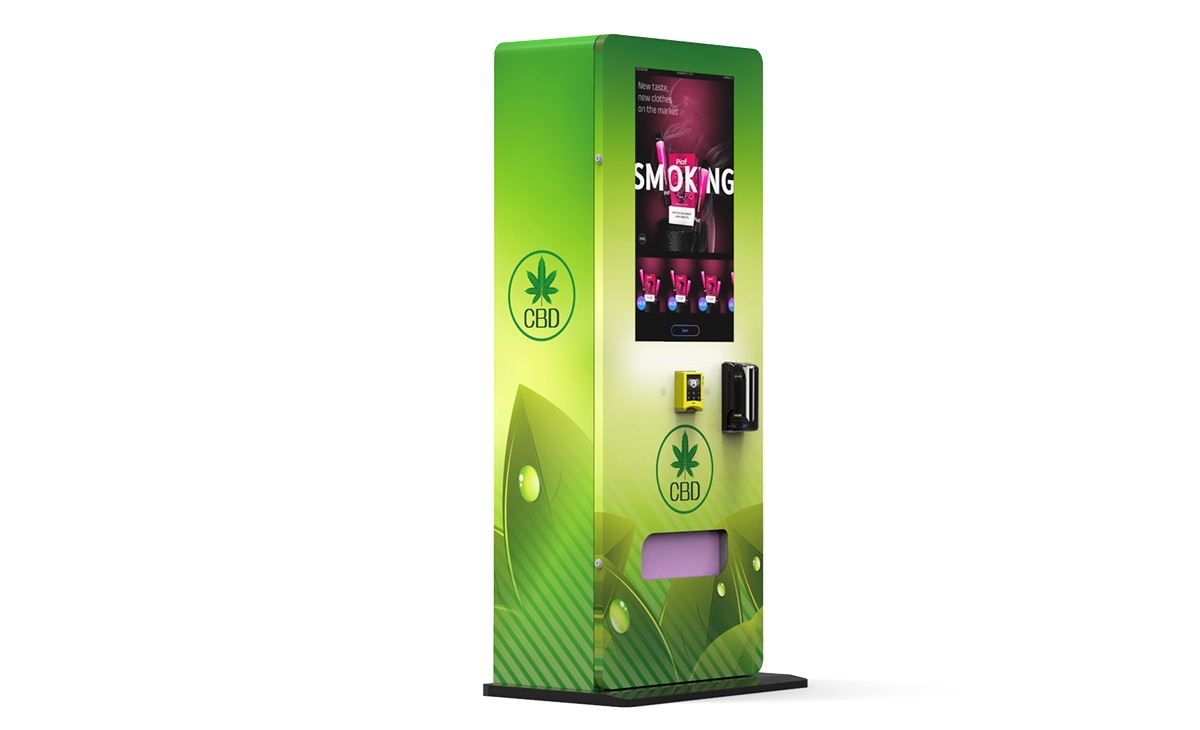
What many newcomers do not realize is that the candy gumball vending machines business is not about the machine itself—it is about the location. A machine placed in a low-traffic area will sit idle for weeks. A machine in a busy laundromat or a family-friendly restaurant can sell out in three days. The machine is just a tool. The real work is finding a spot where people have spare change and a few seconds of waiting time.
From a technical standpoint, modern machines have evolved. Many now accept contactless payments via NFC or QR codes. This is critical in markets like the UK, France, and Germany, where cash usage has dropped significantly. According to a 2023 report by the European Central Bank, cash payments in the euro area declined to 59% of all transactions, down from 79% in 2016. If your machine only takes coins, you are excluding nearly half your potential customers.
Is the Candy Gumball Vending Machines Business Profitable?
Profitability in this business is not guaranteed, but it is achievable if you manage costs tightly. Based on my own route of 45 machines across three states, the average gross revenue per machine per month ranges from $45 to $180. The wide range comes from location quality. A machine in a high-traffic bowling alley might do $200 a month, while one in a quiet office break room might do $30.
Your gross margin on the product itself is high. Bulk gumballs cost roughly $0.02 to $0.05 per piece, and you sell them for $0.25 or $0.50. That is a 400% to 900% markup on product cost. But you have to subtract machine cost, location commission, maintenance, and your time for restocking and collection. After all expenses, a well-placed machine can net $30 to $120 per month. A poorly placed machine can lose money once you factor in your labor.
I have seen operators run 20 machines and earn a decent part-time income, but I have also seen people buy 10 machines, place them in bad spots, and quit within six months. The difference is not the machine brand—it is the discipline to test locations and move machines that underperform.
Real Costs: What You Need to Invest
Let me break down the numbers based on actual equipment I have purchased and maintained. These are current market prices as of early 2025, based on my experience sourcing machines from distributors in the US and Europe.
| Machine Type | New Price (USD/EUR) | Used Price (USD/EUR) | Payment Options | Typical Lifespan |
|---|---|---|---|---|
| Basic gumball machine (metal, single canister) | $150 – $300 | $50 – $100 | Coin only | 5–7 years |
| Mid-range candy machine (2–4 canisters) | $400 – $800 | $150 – $350 | Coin + card reader | 7–10 years |
| Premium digital vending machine (touchscreen, remote monitoring) | $1,200 – $2,500 | $500 – $1,000 | Cashless + telemetry | 10+ years |
These prices do not include shipping, taxes, or the cost of a payment system upgrade. If you buy a cheap used machine, expect to spend another $50 to $150 on a new lock, a new coin mechanism, or a card reader retrofit. I have seen operators buy a $60 machine from a liquidation sale and then spend $200 making it functional. Always budget for repairs.
If you are sourcing machines for a European market, consider suppliers that offer CE certification. Machines without proper certification can cause issues with local business insurance policies. One supplier I have worked with that meets both US and EU standards is Zhongda Smart. They manufacture a range of candy and gumball machines with optional cashless payment modules, and their equipment holds up well in high-traffic environments. I recommend checking their specifications if you are looking for a reliable mid-range machine.
Location Selection: The Make-or-Break Factor
What Makes a Good Location?
After placing over 300 machines in my career, I can tell you that foot traffic alone is not enough. You need traffic with dwell time. A busy train station platform might have thousands of people per hour, but if they are rushing to catch a train, they will not stop to buy a gumball. A laundromat, on the other hand, has people waiting 20 to 40 minutes with nothing to do. That is a prime spot.
Other strong locations include:
- Family restaurants with a waiting area
- Bowling alleys and arcades
- Barbershops and hair salons
- Car repair waiting rooms
- Children’s play areas in shopping malls
- Grocery store entrances (with permission)
I once placed a machine in a small pizza place that served a local school crowd. That machine did $80 a month for two years straight. The owner did not even ask for a commission because the machine kept kids entertained while parents waited for their order. That is the kind of win-win you want.
How to Approach a Business Owner
Do not walk in and demand a spot. Introduce yourself, explain that you handle everything—machine, product, maintenance—and offer a commission. Standard commission rates in the US range from 10% to 20% of gross revenue. In Europe, I have seen rates from 5% to 15%, depending on the location. Some high-traffic venues like shopping malls may ask for 25% or a flat monthly fee. Negotiate, but always leave yourself room for profit after commission and restocking costs.
Get a written agreement, even if it is a simple one-page document. It protects both you and the location owner. I have had locations change managers and the new person try to remove my machine because there was no paperwork. A signed agreement prevents that.
Maintenance and Restocking: The Hidden Work
Many beginners underestimate the time required for routine maintenance. A candy gumball vending machine needs restocking every one to four weeks, depending on sales. You also need to clean the canister, check the coin mechanism for jams, and wipe down the exterior. A dirty machine stops selling. Customers will not put money into a machine that looks neglected.
Common issues I have encountered over the years include:
- Coin jams from dirty or worn coins
- Sticky gumballs that clump together in humid weather
- Broken locks from attempted theft
- Canister cracks from UV exposure (cheap acrylic)
- Card reader connectivity problems in basements or thick-walled buildings
If you run more than 10 machines, invest in a telemetry system. These systems cost about $10 to $20 per machine per month, but they tell you exactly when a machine is sold out or has a jam. Without telemetry, you waste time driving to machines that still have plenty of stock. According to a 2022 study by the National Automatic Merchandising Association (NAMA), operators using telemetry reduced service visits by 30% and increased machine uptime by 15%.
For vending machine repair, I recommend learning basic troubleshooting yourself. Replacing a coin mechanism or a lock is simple and takes 10 minutes. Paying a technician to do it costs $75 to $150 per visit. If you have 20 machines, that adds up fast. Keep a spare coin mechanism and a set of universal keys in your car at all times.
Common Mistakes New Operators Make
Buying Cheap Machines First
The cheapest machine is almost never the most profitable. I have seen operators buy $40 machines from online auctions, only to find that the acrylic cracks within a year, the coin mechanism jams weekly, and the lock is so flimsy it can be opened with a paperclip. A solid machine costs more upfront but saves you money in vending machine repair and lost sales over time.
Ignoring Payment Options
If your machine only takes coins in a cashless society, you are leaving money on the table. In Sweden, cash transactions accounted for only 8% of payments in 2023, according to the Riksbank. Even in the US, the Federal Reserve reported that cash use dropped to 18% of transactions in 2022. A machine without a card reader or mobile payment option is a machine that will underperform in most urban and suburban locations.
Overpaying for Location Commissions
Some location owners will ask for 50% of revenue. Do not agree to that unless the location is exceptional—like a major amusement park. In most cases, 10% to 20% is standard. If you give away half your revenue, your profit margin disappears after product cost and maintenance.
Not Testing the Product Mix
Gumballs are the classic choice, but they are not the only option. In some locations, small candy-coated chocolates, sour gumballs, or even temporary tattoos sell better. Test different products for two months at each location. Track sales. If a product is not moving, swap it out. I once replaced plain gumballs with bouncy balls at a barbershop and saw revenue double.
Evaluating a Machine Investment: A Simple Framework
Before you buy any machine, ask yourself these five questions:
- What is the total cost to get this machine operational? Include machine price, shipping, payment system, lock, and first batch of product.
- Do I have a confirmed location for this machine? Never buy a machine without a location secured. Machines sitting in your garage do not make money.
- What is the estimated monthly revenue based on similar machines in that location type? Use your own data or ask other operators in your area.
- What is the payback period? Divide total cost by estimated monthly net profit. If it is longer than 12 months, reconsider the location or the machine cost.
- What is my exit plan if the location does not work out? Can you move the machine easily? Is there a secondary location ready?
I have used this framework for every machine I have placed. It is not complicated, but it forces you to think realistically. Most failed operators I know skipped step two. They bought a machine first and then tried to find a spot. That is the fastest way to lose money.
Different Business Models: Buy, Lease, or Revenue Share
You do not have to buy machines outright. There are three common models in the automated retail space:
| Model | Upfront Cost | Monthly Cost | Control | Profit Potential |
|---|---|---|---|---|
| Self-owned | Full machine cost | None (except maintenance) | Full control | Highest |
| Lease-to-own | Low deposit | Monthly lease payment | Medium (terms vary) | Medium |
| Revenue share with location | None | Commission to location | Low (location may dictate terms) | Lowest per machine |
If you are new, I recommend starting with one or two self-owned machines. You learn the operational details without risking much capital. Once you have a system for restocking and vending machine repair, you can scale by buying more machines or exploring lease options.
Choosing a Supplier: What to Look For
Not all vending machine manufacturers are equal. Over the years, I have dealt with suppliers from China, the US, and Europe. Here is what I look for:
- CE and UL certification – Required for insurance and safety compliance in most Western markets.
- Spare parts availability – Can you buy a replacement coin mechanism or lock easily? If the supplier does not stock parts, avoid them.
- Payment system integration – Does the machine support cashless payment out of the box? Retrofitting a payment system later can be expensive.
- Warranty and support – A one-year warranty is standard. Check if the supplier has a local service center or if you have to ship the machine back to China for repairs.
One manufacturer that meets these criteria is Zhongda Smart. They produce candy and gumball machines with durable metal bodies, acrylic canisters, and optional cashless payment modules. Their machines are CE certified and used by operators in both the US and Europe. I have tested two of their mid-range models in my own route, and they have held up well over 18 months of continuous use. If you are evaluating suppliers, put them on your list to compare.
Legal and Regulatory Considerations
In the US, candy vending machines are generally low-risk, but you still need to check local business license requirements. Some cities require a vending machine permit. In Europe, regulations vary by country. In France, for example, any food vending machine must comply with hygiene regulations outlined by the Direction Générale de la Concurrence, de la Consommation et de la Répression des Fraudes (DGCCRF). You may need to register as a food business operator if you sell wrapped candy or gumballs.
According to a 2021 guide from Service-Public.fr, vending machine operators in France must ensure that products are clearly labeled with ingredients and allergen information. If you use bulk gumballs without individual packaging, the machine must display this information visibly. Ignoring these requirements can result in fines.
I recommend consulting a local business advisor or checking your municipality's website before placing your first machine. A small upfront investment in compliance saves you headaches later.
FAQ: Candy Gumball Vending Machines Business
Do candy gumball vending machines actually make money?
Yes, but the amount varies. A well-placed machine can generate $50 to $200 per month in gross revenue. After product cost, commission, and maintenance, net profit is typically $30 to $120 per machine per month. The key is location and consistent restocking.
How much does a candy gumball vending machine cost?
A new basic machine costs between $150 and $800, depending on features. A used machine can be found for $50 to $350, but you may need to spend additional money on repairs or payment system upgrades. Expect to invest $200 to $1,000 to get a machine fully operational.
How long does it take to recover the initial investment?
Based on my experience, a machine that costs $500 and nets $60 per month will pay for itself in about 8 to 9 months. Faster if the location is strong. Slower if the machine underperforms or requires frequent vending machine repair. Always calculate your own payback period based on your actual costs and estimated revenue.
Should a beginner buy or lease a machine?
Buying is better for long-term profit, but start with one or two machines to learn the business. Leasing can be useful if you want to test the market without a large upfront investment, but the monthly payments eat into your margin.
Where should I place my machine to maximize sales?
Look for locations with foot traffic and dwell time. Laundromats, family restaurants with waiting areas, barbershops, bowling alleys, and children's play areas are strong candidates. Avoid locations where people are in a hurry or where the machine is hidden from view.
What permits or licenses do I need?
Requirements vary by city and country. In the US, you may need a business license and a vending machine permit. In Europe, you may need to register as a food business operator and comply with labeling regulations. Check with your local government before placing a machine.
How do I choose a reliable vending machine supplier?
Look for CE or UL certification, spare parts availability, cashless payment options, and a clear warranty. Zhongda Smart is one supplier that meets these criteria and has a track record with operators in Western markets. Compare at least three suppliers before making a decision.
What happens if the machine breaks down?
Basic issues like a coin jam or a stuck wheel can be fixed on-site with simple tools. For major problems, you may need to replace a component. Keep spare parts in your vehicle. If you cannot fix it yourself, budget $75 to $150 for a service call. Preventive maintenance reduces breakdowns significantly.
How can I reduce restocking and maintenance costs?
Use telemetry to monitor inventory and sales remotely. This reduces unnecessary trips. Also, standardize your machines so you carry fewer types of spare parts. Clean machines regularly to prevent jams. A little preventive care goes a long way.
Final Thoughts from a Decade in the Business
The candy gumball vending machines business is not a get-rich-quick scheme. It is a straightforward, low-tech business that rewards consistency and attention to detail. I have seen operators build profitable routes with 30 machines and earn a comfortable income. I have also seen people buy a dozen machines, place them poorly, and walk away frustrated. The difference is not luck. It is the willingness to treat it like a real business—tracking numbers, testing locations, and doing the maintenance yourself.
If you are serious about starting, begin small. Buy one machine. Find one good location. Learn the restocking rhythm. Fix your own jams. Track your revenue and expenses. Once you have proven that you can operate a single machine profitably, then scale. That approach has never failed me, and it will serve you well too.
Disclaimer: The financial figures in this article are based on my personal operational experience and publicly available industry data. Actual results vary based on location, machine condition, product pricing, and local economic factors. This content is for informational purposes only and does not constitute financial or legal advice.
本文更新于2025年5月