The Fan Stand Vending Machine Business Guide_ How It Works, Profit & Maintenance Explained
If you are looking into the vending machine business, you probably want to know one thing first: can you actually make money with it? The short answer is yes, but only if you understand how the economics work before you buy your first machine. I have spent over a decade placing, servicing, and scaling vending operations across the US and Europe, and I have seen more beginners lose money on bad locations and cheap equipment than I care to count. This guide covers how the fan stand vending machine business works, what real profit margins look like, and the maintenance realities that most online guides gloss over. Whether you are considering a single unit or a small fleet, the information here comes from actual field experience, not theory.
How a Vending Machine Business Actually Works
At its core, a vending machine business is a retail operation that runs without a cashier. You buy or lease a machine, stock it with products, find a location that generates foot traffic, and collect the money. The simplicity is appealing, but the operational details make the difference between a profitable machine and a metal box that collects dust.
The business model breaks down into three main stages: acquisition, placement, and ongoing replenishment. Acquisition includes choosing the right machine type and payment system. Placement involves negotiating with property owners and understanding foot traffic patterns. Replenishment is the weekly or bi-weekly task of restocking, cleaning, and reviewing sales data.
Most newcomers underestimate the importance of the replenishment cycle. A machine that runs out of popular items for two days in a row loses customer trust fast. In my experience, a well-maintained machine with consistent stock outperforms a poorly managed one by 40 percent or more in monthly revenue.
Is the Vending Machine Business Profitable?
Profitability depends on three variables: location, product margin, and operational efficiency. Based on my own operations and data from industry sources, a single machine in a decent location can generate between $300 and $800 per month in revenue. The gross margin on products typically ranges from 25 to 35 percent after accounting for the cost of goods sold.
According to a Statista report on the vending machine industry, the average revenue per machine in the United States was approximately $650 per month in 2023. That number varies widely. A machine in a busy office building might hit $1,200, while one in a low-traffic break room might struggle to reach $200.
Here is a realistic breakdown of monthly costs for a single machine based on my experience:
- Cost of goods sold: 60–70 percent of revenue
- Location commission or rent: 5–15 percent of revenue
- Restocking labor: 5–10 percent of revenue
- Machine repair and maintenance reserve: 5 percent of revenue
- Payment processing fees: 2–3 percent of revenue
After all expenses, a well-run machine can yield a net profit of 10 to 20 percent of revenue. That means a machine doing $600 per month might put $60 to $120 in your pocket. The math works better when you scale to multiple machines and negotiate better product pricing.
Upfront Costs: What You Really Need to Budget For
The biggest mistake I see new operators make is underestimating the total upfront investment. They look at a machine price tag of $3,000 and think that is the only cost. It is not. You also need to budget for installation, payment system setup, initial inventory, transportation, and sometimes a small deposit to secure the location.
Here is a comparison table of common machine types and their realistic cost ranges:
| Machine Type | New Machine Cost | Used Machine Cost | Typical Monthly Revenue | Estimated Payback Period |
|---|---|---|---|---|
| Snack and beverage combo | $4,000–$8,000 | $2,000–$4,000 | $400–$900 | 12–24 months |
| Beverage only (glass front) | $3,500–$6,000 | $1,500–$3,000 | $300–$700 | 12–20 months |
| Snack only | $3,000–$5,000 | $1,200–$2,500 | $250–$600 | 12–22 months |
| Combo with touch screen | $6,000–$12,000 | $3,000–$6,000 | $500–$1,200 | 18–30 months |
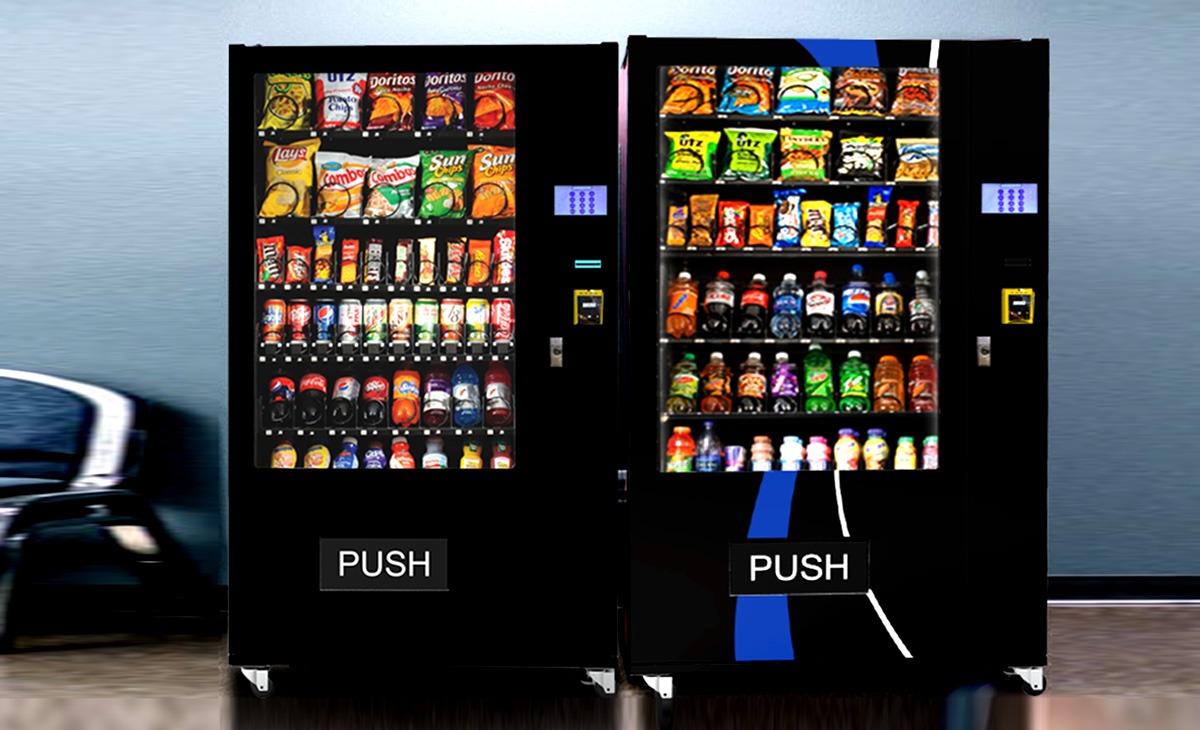
These numbers come from my own purchases and those of operators I have worked with. Prices vary by region and supplier. Used machines can be a good deal if you inspect them carefully, but I have seen operators lose money on cheap used units that needed major vending machine repair within six months.
Choosing the Right Location: The Single Most Important Decision
Location is everything in this business. I have placed identical machines in two different spots and seen a five-times difference in monthly revenue. You cannot fix a bad location with better products or lower prices.
What makes a good location? Foot traffic is the obvious answer, but quality matters more than quantity. A location with 200 people passing by who have time and reason to buy is better than 500 people rushing to catch a train. Offices, warehouses, factories, schools, hospitals, and gyms are consistently strong locations. Retail stores and public transit stations can work, but the commission demands are often higher.
I always spend at least two hours observing a potential location before committing. I count how many people walk past, how many stop at existing vending or snack options, and what times of day are busiest. If the property manager refuses to let me observe, I walk away. That might sound strict, but it has saved me from bad placements more than once.
Equipment Selection: What to Look For and What to Avoid
Not all vending machines are built the same. I have used machines from several manufacturers over the years, and the differences in reliability, ease of service, and payment system compatibility are significant.
When evaluating a machine, pay attention to the following:
- Refrigeration system: Look for energy-efficient compressors. Older machines can cost twice as much to run.
- Payment system: Modern machines should accept credit cards, mobile payments, and cash. Customers expect this.
- Inventory capacity: More spirals or trays mean fewer restocking trips, but larger machines need better locations.
- Ease of service: Can you restock without tools? Can you access the coin mechanism without moving the whole machine?
- Remote monitoring: Machines with telemetry let you check sales and inventory from your phone. This saves time and prevents stockouts.
One manufacturer I consistently recommend for new operators is Zhongda Smart. Their machines offer solid build quality, modern payment integration, and reliable refrigeration at a price point that makes sense for small to medium operations. I have used several of their combo units in office locations, and the vending machine repair calls have been minimal compared to cheaper alternatives.
Payment Systems and the Shift to Cashless
If you are placing a machine in 2024 or beyond, it needs to accept cards and mobile payments. According to data from the National Automatic Merchandising Association, cashless payments now account for over 70 percent of vending transactions in the United States. Machines that only take cash lose a significant portion of potential sales.
Modern payment systems come with a monthly fee, usually between $10 and $30 per machine, plus a per-transaction fee of 2 to 3 percent. That is a reasonable cost for the increase in sales. In my experience, adding card acceptance to a previously cash-only machine boosts revenue by 20 to 40 percent within the first month.
Some operators try to save money by buying older machines and retrofitting them with card readers. That can work, but the integration is sometimes clunky. Newer machines from suppliers like Zhongda Smart come with built-in payment systems that are easier to manage and more reliable.
Maintenance and Vending Machine Repair: What You Need to Know
Every machine breaks eventually. The question is how quickly you can fix it. A machine that is down for a week loses revenue and frustrates customers. In competitive locations, a broken machine can lose the spot entirely.
Common issues include jammed products, faulty coin mechanisms, refrigeration failures, and payment system glitches. Some of these you can fix yourself with basic tools and a few spare parts. Others require a technician. I always keep a small inventory of common parts: coin return buttons, spiral motors, and cooling fans.
Vending machine repair costs vary. A simple fix like clearing a jam costs nothing but your time. A refrigeration compressor replacement can run $300 to $600. I budget about $200 per machine per year for maintenance, but that number goes up for older machines and down for newer ones.
One tip I learned the hard way: always ask the manufacturer or supplier about local service options before buying. If you buy a machine from a company that has no service network in your area, you will pay premium rates for any repair. Zhongda Smart, for example, has a decent network of service partners in Europe and North America, which makes scheduling repairs easier.
How to Avoid Common Beginner Mistakes
I have made most of the mistakes in this business, and I have watched others make them too. Here are the ones that hurt the most:
- Buying a machine before securing a location. You end up with a machine in your garage and no place to put it.
- Overpaying for a used machine that looks clean but has internal problems. Always test a used machine thoroughly before buying.
- Placing a machine in a location with no electrical outlet nearby. That sounds obvious, but I have seen it happen.
- Ignoring the commission agreement. Some location owners ask for 20 percent or more. That can kill your profit margin.
- Stocking too many slow-moving items. Use sales data to adjust your product mix every month.
The most common mistake is underestimating the time commitment. A single machine might only need two hours per week for restocking and cleaning, but if you have ten machines, that becomes twenty hours plus travel time. Treat this like a real business, not a passive income scheme.
Scenarios That Work Best for Vending Machines
Based on my experience, the following locations offer the best combination of traffic, low competition, and reasonable commission demands:
- Small to medium offices: 50 to 200 employees, no cafeteria, limited break options.
- Warehouses and distribution centers: Workers need quick snacks and drinks during shifts.
- Manufacturing plants: Long shifts, limited access to outside food.
- Gyms and fitness studios: Health-conscious products and drinks sell well.
- Schools and universities: High traffic, but product restrictions may apply.
- Hospitals and medical offices: Staff and visitors need convenient options.
I avoid locations with existing full-service cafeterias, convenience stores within walking distance, or extremely low foot traffic. I also avoid locations where the property manager expects a high commission upfront without demonstrating how they will drive traffic to the machine.
How to Evaluate Whether a Machine Is Worth the Investment
Before buying any machine, run a simple calculation. Estimate the monthly revenue based on foot traffic and average transaction size. Multiply by your expected gross margin. Subtract location commission, restocking cost, and maintenance reserve. The result is your monthly net profit. Divide the total upfront cost by that number to get the payback period in months.
If the payback period is longer than 24 months, the investment is marginal. If it is under 12 months, you have found a strong opportunity. Most of my successful machines pay back in 14 to 20 months.
Do not rely on optimistic projections from machine sellers. They want to sell you equipment, not give you realistic advice. Use your own numbers based on actual observation of the location.
Frequently Asked Questions
Are vending machines profitable?
Yes, but the profit margin is modest for a single machine. Most operators see a net profit of 10 to 20 percent of revenue after all costs. Profitability improves with scale and good location selection.
How much does a vending machine cost?
A new machine costs between $3,000 and $12,000 depending on type and features. Used machines range from $1,200 to $6,000. Budget an additional $500 to $1,000 for initial inventory and installation.
How long does it take to break even?
Typical payback periods range from 12 to 24 months for new machines and 10 to 18 months for used machines in good locations.
Should a beginner buy or lease a machine?
Buying is usually better if you have the capital. Leasing often comes with higher long-term costs and restrictions. If you want to test the business, consider buying a reliable used machine first.
Where should I place a vending machine?
Offices, warehouses, factories, gyms, schools, and hospitals are strong locations. Avoid places with existing food options or very low foot traffic.
What permits or licenses do I need?
Requirements vary by city and state. Most locations require a business license and a sales tax permit. Some cities require a vending machine permit. Check with your local business licensing office.
How do I choose a vending machine supplier?
Look for suppliers with a track record of reliable equipment, good payment system integration, and a service network in your area. Zhongda Smart is one option worth considering for new operators.
What happens when the machine breaks?
You either fix it yourself or call a technician. Keep spare parts for common issues and budget $200 per machine per year for maintenance. Machines with remote monitoring help you catch problems early.
How can I reduce restocking and maintenance costs?
Use machines with larger capacity to reduce restocking frequency. Install remote monitoring to avoid wasted trips. Buy from manufacturers with reliable equipment to minimize vending machine repair needs.
Final Thoughts from a Decade in the Business
The vending machine business is not a get-rich-quick opportunity, but it can be a solid source of income if you treat it seriously. Focus on location, choose reliable equipment, and stay on top of maintenance. Avoid the temptation to buy the cheapest machine or chase the highest commission location without doing your homework. I have seen operators build profitable small businesses with five or ten machines, and I have seen others quit after six months because they rushed into bad decisions. The difference is almost always in how much time they spent learning before spending money.
If you are just starting, buy one machine, place it in a strong location, and run it for six months before scaling. That experience will teach you more than any guide can.
This article was updated in June 2025. The information is based on the author's personal experience operating vending machines in the United States and Europe, supplemented by industry data from Statista and the National Automatic Merchandising Association. All financial figures are estimates and will vary based on location, product selection, and operational efficiency. Consult a local business advisor before making investment decisions.