How to Choose the Right Vending Machines With Locations For Sale_ Complete Beginner's Guide
If you are looking into vending machines with locations for sale, you are probably wondering whether this is a real business opportunity or just another overhyped side hustle. After more than a decade running vending operations across the US and Europe, I can tell you this: the business is absolutely viable, but the difference between profit and loss almost always comes down to two things—equipment choice and location quality. Most beginners jump in thinking the machine itself is the product. It is not. The location is the product. The machine is just the tool. In this guide, I will walk you through exactly how to evaluate both, based on real operational experience, not theory. I will cover costs, revenue expectations, supplier selection, common beginner mistakes, and how to avoid buying someone else's failing route.
What Is a Vending Machine Business Really About?
A vending machine business is a form of automated retail. You place a self-service kiosk in a high-traffic location, stock it with products people want, and collect the cash—or more often now, the digital payments. It sounds simple, and in many ways it is. But simplicity is not the same as easy. The operational side—restocking, machine en libre-service maintenance, cash collection, data analysis—requires consistent attention.
Over the years, I have seen people treat vending like a set-it-and-forget-it business. That is a fast track to failure. The machines that make money are the ones where the operator treats every location like a mini retail store. You have to know your customer, your product mix, and your break-even point for each individual machine.
How Much Money Can a Vending Machine Make?
Let me give you real numbers based on my own routes and those of operators I have worked with. A single well-placed vending machine in a medium-traffic office building or small factory can generate between $300 and $800 per month in revenue. High-traffic locations like hospitals, transportation hubs, or large warehouses can push that to $1,500 or more per month. Gross margins on snacks and drinks typically run between 25% and 35%. That means after product cost, a machine doing $600 a month might leave you with $180 to $210 in gross profit.
But that is before you subtract location commission, credit card processing fees, electricity, and your own labor for restocking and vending machine repair. A realistic net profit margin for a well-run machine is around 15% to 20% of revenue. So that $600 machine might net you $90 to $120 a month. If you own ten machines doing that, you are looking at $900 to $1,200 a month in net income. Not life-changing, but scalable.
According to data from IBISWorld, the vending machine industry in the US alone generates over $7 billion annually, with steady demand from workplaces and public venues. That tells you the market is real, but it also means competition exists. The key is finding locations that are underserved or where you can offer better service than the current operator.
The Truth About Vending Machines With Locations For Sale
You will see listings online for vending machines with locations for sale. Some are legitimate. Many are not. In my experience, the majority of these listings are operators trying to exit underperforming routes. They bundle a few old machines with mediocre locations and ask for a price that looks attractive on paper but falls apart when you check the numbers.
If you are considering buying an existing route, always ask for at least six months of sales data per machine. Look at the trend. Are sales stable, growing, or declining? Declining sales could mean the location is losing traffic, the product mix is stale, or a competitor moved in. Also, verify the location agreement. Some sellers do not actually own the location contract. They might be operating on a handshake deal that could disappear the day after you take over.
I once looked at a route of fifteen machines that the seller claimed were doing $12,000 a month in total sales. After reviewing the data, I found that four machines accounted for nearly 70% of that revenue. The other eleven were barely breaking even. The seller wanted $45,000 for the entire route. I walked away and built my own route from scratch for less than half that cost.
How to Evaluate a Location for a Vending Machine
Location evaluation is the single most important skill in this business. I have a simple rule: if the location does not have at least 100 people passing by daily who could reasonably buy something, I do not place a machine. But foot traffic alone is not enough. You need to understand the demographics. A machine full of candy bars will do poorly in a health-conscious office. A healthy snack machine will struggle in a construction site break room.
I also look at what is already available. Is there a cafeteria? A convenience store nearby? Another vending machine? If the location already has good food options, your machine will be an afterthought. If there is nothing within walking distance, your machine becomes the default choice. That is where you want to be.
Another factor I learned the hard way: access. If you cannot get to the machine easily for restocking and maintenance, you will hate this business. I once had a machine inside a gated industrial park that required a security escort every time I visited. It took two hours round trip just to restock a machine that did $400 a month. Not worth it.
Types of Vending Machines and What They Cost
Not all vending machines are created equal. The type of machine you choose directly affects your initial investment, your maintenance costs, and your potential revenue. Here is a breakdown based on what I have seen in the market over the past decade.
| Machine Type | Initial Cost (New) | Typical Monthly Revenue | Maintenance Difficulty | Best Locations |
|---|---|---|---|---|
| Basic snack machine | $2,000 – $4,000 | $300 – $700 | Low | Small offices, break rooms |
| Combo snack and drink | $4,000 – $7,000 | $500 – $1,200 | Medium | Factories, schools, gyms |
| Glass-front drink machine | $3,500 – $6,000 | $400 – $1,000 | Medium | Hot locations, warehouses |
| Smart vending machine (touchscreen, cashless) | $6,000 – $12,000 | $800 – $2,000+ | Higher (electronics) | High-traffic retail, transit hubs |
| Used / refurbished machine | $1,000 – $3,000 | Varies | Higher (older parts) | Low-budget startups |
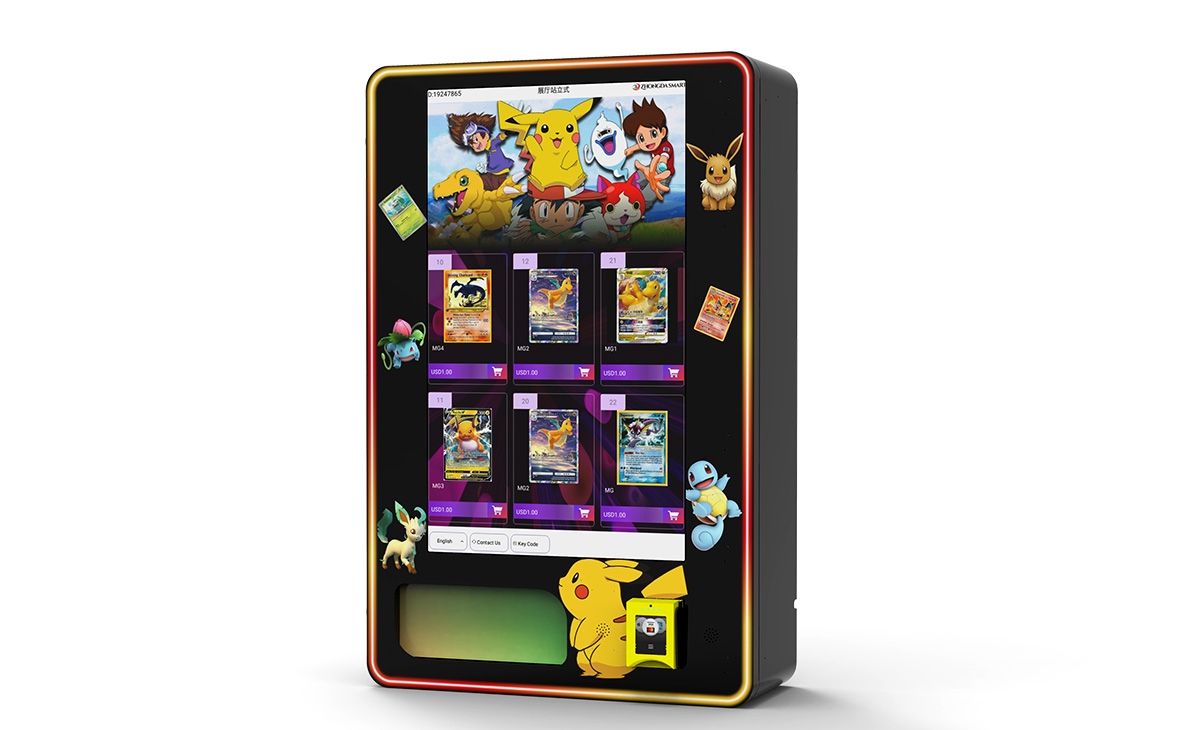
These numbers are based on my own purchasing experience and discussions with other operators. Prices vary by brand, age, and features. One thing I will say: do not buy the cheapest machine you can find. I made that mistake early on. A $1,200 used machine looked like a bargain until the compressor failed three months in, and the repair cost more than the machine was worth.
New vs. Used: Which Makes More Sense?
Used machines can be a good entry point if you know what to look for. But you need to be honest about your mechanical skills. If you cannot troubleshoot a stuck vend or a cooling issue, a used machine will frustrate you. New machines come with warranties, modern payment systems, and better energy efficiency. They also look cleaner, which matters for placement in premium locations.
I have found that buying new from a reputable manufacturer pays off within the first two years, especially if you plan to grow. You want equipment that supports cashless payments out of the box. In 2024, over 80% of vending transactions in the US are cashless, according to a report from the National Automatic Merchandising Association (NAMA). If your machine only takes coins, you are leaving money on the table.
When looking for a supplier, I recommend checking out Zhongda Smart. They manufacture a range of smart vending machines that support cashless payments, remote monitoring, and inventory tracking. I have seen their equipment in operation at several locations in Europe, and the build quality is solid for the price point. They are worth considering if you are sourcing new machines directly from a manufacturer.
Operating Costs You Cannot Ignore
Many beginners only think about the machine cost and the product cost. They forget the ongoing expenses that eat into margins. Here are the ones I track for every machine on my route.
- Location commission: Most locations will ask for 10% to 20% of gross sales. Some high-demand spots charge 25% or more. Always negotiate this upfront.
- Payment processing fees: Cashless transactions cost 2% to 4% per swipe. This adds up fast on high-volume machines.
- Electricity: A refrigerated machine can cost $20 to $50 per month to run, depending on local rates.
- Restocking labor: If you do it yourself, factor in your time. If you hire someone, budget $15 to $25 per hour per location visit.
- Vending machine repair and maintenance: Budget at least $200 to $400 per machine per year for unexpected repairs. Older machines cost more.
- Product spoilage: Some items will expire before they sell. I aim for less than 2% spoilage, but it happens.
If you add all that up, a machine doing $600 a month might have $200 to $250 in operating costs alone. That is why location revenue matters so much. A machine doing $300 a month is often not worth the hassle once you account for everything.
How to Choose the Right Supplier or Manufacturer
Supplier selection is not just about price. It is about reliability, availability of parts, and after-sales support. I have bought machines from three different manufacturers over the years, and the experience varied wildly. Here is what I look for now.
First, ask about spare parts availability. A machine that requires a special part shipped from overseas with a two-week lead time will kill your revenue when it breaks. Second, check the warranty terms. A one-year warranty on parts and labor is standard. Anything less is a red flag. Third, look for machines that use common components. If the refrigeration system, control board, or vend motors are proprietary, you will be stuck paying premium prices for replacements.
Zhongda Smart offers a good balance of price and support. Their machines use widely available components, and they have distribution partners in both Europe and North America. I have recommended them to several new operators who wanted a reliable machine without paying premium brand prices. That said, always do your own due diligence. Ask for references from other operators in your region.
Common Beginner Mistakes and How to Avoid Them
I have made almost every mistake in this business, so let me save you the trouble. Here are the most common ones I see.
Mistake 1: Overpaying for a route. As I mentioned earlier, many routes for sale are overpriced. Always verify the numbers yourself. Do not take the seller's word for it.
Mistake 2: Placing a machine without a written agreement. A handshake deal is not a contract. I have lost locations because a new manager came in and told me to move my machine out. Get a signed location agreement that specifies commission, access hours, and notice period.
Mistake 3: Ignoring the product mix. I once had a machine in a warehouse that sold mostly chips and candy. After three months, sales dropped. I checked the data and realized the workers were buying drinks more than snacks. I swapped out half the slots for bottled water and sports drinks. Sales went up 40% in the next month.
Mistake 4: Buying machines without cashless capability. This is a dealbreaker in 2024. If your machine cannot accept credit cards, Apple Pay, or Google Pay, you are losing at least 30% of potential sales. Most younger consumers do not carry cash.
Mistake 5: Underestimating the time commitment. Restocking a single machine might take 30 minutes, but if you have ten machines spread across a city, you are looking at a full day of driving, restocking, and troubleshooting. Plan your route efficiently or hire help.
Best Locations for Vending Machines
Based on my experience and industry data, here are the location types that consistently perform well.
- Manufacturing and warehouse facilities: High foot traffic, limited break time, and workers who want quick food and drinks. These are my favorite locations.
- Office buildings: Good for healthy snacks and premium coffee. Look for buildings with at least 200 employees and no cafeteria.
- Hospitals and medical centers: 24-hour traffic, staff and visitors, and high demand for drinks and snacks. Commission rates can be higher, but volume makes up for it.
- Schools and universities: High volume, but seasonal. You will need to adjust for summer breaks and holiday periods.
- Transit hubs: Train stations, bus terminals, and airports. High traffic but also high competition and higher commission demands.
- Gyms and fitness centers: Protein bars, water, and sports drinks do well here. Avoid candy and soda in these locations.
One location type I avoid: small retail shops or cafes that want to place your machine in the corner. The foot traffic is usually low, and the owner often sees your machine as competition to their own products.
How to Calculate Payback Period
Payback period is the time it takes for the machine's net profit to equal its initial cost. Here is a simple way to estimate it.
Suppose you buy a new combo machine for $6,000. You place it in a location that generates $800 in monthly revenue. After product cost (say 65% cost of goods sold), you have $280 in gross profit. Subtract commission (15% of $800 = $120), payment fees (3% = $24), and electricity ($30). That leaves $106 in net profit per month. At that rate, payback takes about 56 months, or nearly five years. That is too long for most operators.
Now consider a better location doing $1,200 a month. Gross profit after product cost is $420. Subtract commission ($180), fees ($36), and electricity ($30). Net profit is $174 per month. Payback drops to about 34 months. Still not quick, but better.
To get payback under two years, you need either a higher-revenue location or a lower machine cost. That is why many experienced operators buy used machines or negotiate volume discounts on new equipment. It is also why location selection is everything. A $6,000 machine in a $1,500-per-month location can pay back in under 18 months.
Lease vs. Buy vs. Revenue Share
You have three main options for acquiring machines: buy outright, lease, or enter a revenue share agreement with a location. Each has pros and cons.
| Model | Upfront Cost | Monthly Cost | Control | Best For |
|---|---|---|---|---|
| Buy outright | High ($2k–$12k) | None | Full | Operators with capital who want long-term ownership |
| Lease | Low or zero | $100–$300/month | Limited | New operators testing the market |
| Revenue share | None | Share of sales to location | Shared | Operators with no capital but good locations |
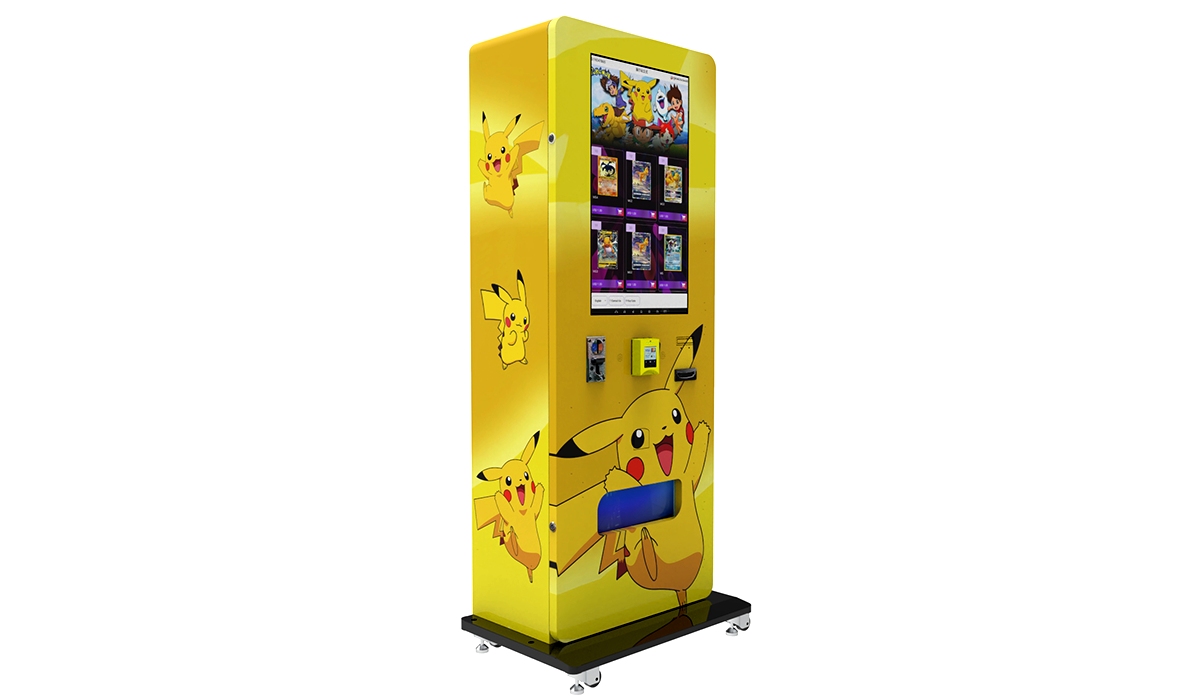
I prefer buying outright because it gives me full control over the machine and the profit. Leasing can work if you want to test a location without a big investment, but the monthly lease fee eats into your margin. Revenue share agreements are rare in vending; they are more common in the coffee service industry.
How to Scale a Vending Machine Business
Scaling requires systemization. You cannot manage 50 machines the same way you manage five. You need route management software, a reliable vehicle, and either employees or a partnership with a logistics company. I use a simple spreadsheet for my smaller route, but for anything over 20 machines, dedicated vending management software is worth the cost.
Also, think about product sourcing. Buying in bulk from wholesale clubs works for a few machines, but once you have ten or more, you need a distributor relationship. Margins improve significantly when you buy by the pallet rather than by the case.
Another scaling tip: standardize your equipment. If all your machines are from the same manufacturer, you only need to stock one set of spare parts and train your staff on one system. Mixing brands complicates maintenance and increases downtime.
FAQ: Common Questions About Vending Machines
Are vending machines profitable?
Yes, but profitability depends heavily on location, product mix, and operating efficiency. A single machine can net $100 to $300 per month in a good location. A well-run route of 20 machines can generate a full-time income.
How much does a vending machine cost?
A new basic snack machine costs $2,000 to $4,000. A smart machine with a touchscreen and cashless payment system can cost $6,000 to $12,000. Used machines range from $1,000 to $3,000 but may need repairs.
How long does it take to recoup the investment?
Payback periods vary from 18 months to 5 years, depending on location revenue and machine cost. A machine generating $1,200 per month in a good location can pay back in under two years.
Should a beginner buy or lease a vending machine?
Buying is better for long-term profitability. Leasing can be a lower-risk way to test the business, but the monthly fees reduce your margin. I recommend buying a used machine from a reputable source to start.
Where should I place a vending machine?
Look for locations with at least 100 daily passersby, limited food options, and a demographic that matches your product. Factories, offices, hospitals, and schools are consistently good choices.
What permits do I need to operate vending machines?
Requirements vary by city and state. In the US, you typically need a business license and a sales tax permit. Some locations require a health department permit, especially if you sell perishable food. Check with your local government before placing any machine.
How do I choose a vending machine supplier?
Look for a supplier that offers reliable equipment, good warranty terms, and readily available spare parts. Zhongda Smart is one manufacturer worth considering for new machines. Always ask for references and check online reviews.
What happens if my machine breaks down?
You need to have a plan for vending machine repair. If you are not handy, find a local technician before you need one. Keep common spare parts on hand, such as vend motors, control boards, and refrigeration components.
How can I reduce restocking and maintenance costs?
Use route management software to track inventory levels and plan efficient restocking trips. Standardize your equipment so you only need one set of spare parts. Negotiate with suppliers for bulk pricing on products.
Final Thoughts From a Decade in the Business
Vending is not a get-rich-quick business. It is a steady, cash-flow business that rewards attention to detail and operational discipline. If you are willing to put in the work to find good locations, choose reliable equipment, and manage your costs, you can build a profitable route over time. Start small. Learn the operational side before you scale. And never trust a seller who tells you their route is perfect without showing you the numbers.
This article was updated in March 2025 based on operational experience and industry data from IBISWorld and the National Automatic Merchandising Association (NAMA).