Top Things You Should Know About Gourmet Vending Machines in 2026
After a decade of placing machines across Europe and North America, I can tell you that gourmet vending machines in 2026 are nothing like the snack-and-soda boxes you remember from a train station. They are fully automated retail points that serve fresh coffee, hot meals, artisanal pastries, and even restaurant-quality salads. The question I hear most often from operators and location owners is whether these machines actually make money. The short answer is yes, but only if you understand the real costs, the right locations, and the equipment that will not break down after six months. This guide covers everything I have learned about selecting, placing, and running gourmet vending machines in 2026, including the numbers that matter and the mistakes that cost you time and capital.
What Exactly Is a Gourmet Vending Machine in 2026?
Let me be clear about what we are discussing. A gourmet vending machine is not a standard glass-front snack machine with a few wrapped sandwiches inside. These are sophisticated self-service kiosks equipped with refrigeration, heating elements, touchscreens, and cashless payment systems. They can hold fresh ingredients that need temperature control, and they prepare food on demand or keep it fresh for a limited window.
In 2026, the most common configurations include coffee machines that grind beans per cup, hot food machines that heat frozen or chilled meals in under two minutes, and cold food machines that maintain precise temperatures for salads, bowls, and fresh sandwiches. Some units even offer made-to-order smoothies or fresh juices.
These machines are not cheap. But they also generate significantly higher average transaction values than traditional vending. Where a standard snack machine might average $2.50 per sale, a gourmet unit can average $6 to $12 per transaction depending on the product mix.
Why Gourmet Vending Machines Are Gaining Traction in 2026
The shift toward automated retail in food service is driven by labor costs and changing consumer expectations. In many European countries, labor shortages in hospitality have made it difficult for cafes and quick-service restaurants to maintain consistent hours. Vending machines fill that gap. They operate 24/7, require no breaks, and do not call in sick.
According to data from Statista, the global vending machine market was valued at approximately $35 billion in 2025, with the fresh food and gourmet segment growing at a faster rate than traditional snack and beverage machines. That aligns with what I have seen in the field. Offices, hospitals, universities, and transportation hubs are increasingly replacing or supplementing their cafeteria offerings with automated solutions.
Another factor is the improvement in payment technology. Nearly all machines in 2026 accept contactless cards, mobile wallets, and even account-based payments. This removes a major friction point that used to limit vending to cash-only customers.
Evaluating Locations: What I Look For Before Placing a Machine
Location is the single most important factor in whether a gourmet vending machine will succeed. I have seen machines in high-traffic areas fail because the audience was wrong, and I have seen machines in moderate-traffic locations thrive because the product matched the demand.
Here are the criteria I use when evaluating a potential site:
- Foot traffic quality over quantity. A location with 500 people passing per day might be worse than a location with 200 people who are hungry and have time to buy. For example, a hospital waiting area or a university library generates more relevant traffic than a busy street corner where people are walking quickly to a train.
- Dwell time. People need at least 30 to 60 seconds to browse and make a selection. If the location is a hallway where everyone is rushing, conversion rates drop.
- Complementary businesses. If the location already has a full-service cafeteria or a coffee shop within 50 meters, your machine will likely struggle unless you offer something distinctly different.
- Security and environment. Machines need to be indoors or under cover. Direct sunlight, rain, or extreme temperatures shorten equipment life and affect food quality.
- Power and connectivity. A gourmet machine requires a dedicated power outlet with sufficient amperage, and ideally a stable Wi-Fi or cellular connection for remote monitoring and payment processing.
I once placed a high-end coffee machine in a co-working space with 300 members. Traffic was decent, but the machine sat in a corner with poor lighting and no signage. It averaged only 12 transactions per day. After moving it to a more visible spot near the entrance, daily transactions tripled within two weeks. That single change turned a marginal location into a profitable one.
The Real Costs: Equipment, Installation, and Ongoing Expenses
Let me break down the costs based on what I have seen across dozens of deployments in Europe and North America. These numbers are estimates based on real operations, not manufacturer brochures.
| Cost Category | Estimated Range (EUR/USD) | Notes |
|---|---|---|
| New gourmet vending machine | $8,000 – $25,000 | Price depends on features: refrigeration, heating, touchscreen, payment system |
| Used or refurbished machine | $3,000 – $10,000 | Higher risk of breakdown; limited warranty |
| Installation and setup | $500 – $2,000 | Includes delivery, positioning, electrical work, network setup |
| Initial inventory (first fill) | $500 – $2,000 | Depends on product type and machine capacity |
| Monthly location rent or commission | 10% – 30% of gross sales | Negotiable; prime locations demand higher share |
| Monthly restocking and labor | $200 – $800 | Depends on frequency and distance from your base |
| Monthly maintenance and repairs | $50 – $300 | Higher for older or poorly built machines |
| Payment processing fees | 2% – 5% of transactions | Varies by provider and country |
| Insurance (liability and equipment) | $200 – $600 per year | Required by most location contracts |
I want to emphasize that the machine purchase price is only the beginning. I have seen operators buy a cheap machine for $4,000, only to spend another $3,000 in repairs during the first year. A well-built machine from a reputable manufacturer costs more upfront but saves you money over time. When evaluating suppliers, I recommend looking at build quality, availability of spare parts, and after-sales support rather than just the sticker price.
One manufacturer I have worked with consistently is Zhongda Smart. Their machines are used in several European deployments I have consulted on, and they offer solid construction with reliable refrigeration and payment integration. If you are sourcing equipment, include them in your evaluation, but always compare multiple options and request references from operators who have been running their machines for at least one year.
Revenue and Profitability: What You Can Expect
Revenue varies dramatically by location, product mix, and pricing. Based on my experience and data shared by other operators in industry forums, here are realistic ranges:
- Low-performing location: $200 – $600 in monthly gross sales
- Average location: $1,000 – $3,000 in monthly gross sales
- Good location: $3,000 – $6,000 in monthly gross sales
- Exceptional location: $6,000 – $12,000+ in monthly gross sales
Gross margins on gourmet vending are typically between 50% and 70%, depending on whether you are selling branded packaged goods or your own prepared items. Fresh food has lower margins than packaged snacks but allows for higher selling prices.
Let me walk through a typical example. A coffee and pastry machine in a mid-sized office building with 200 employees. Average transaction: $5.50. Average daily transactions: 25. Monthly gross sales: approximately $4,125. Cost of goods sold: 40%, or $1,650. Gross profit: $2,475. Subtract location commission at 20% of sales: $825. Subtract restocking labor: $400. Subtract maintenance: $150. Subtract payment fees: $100. Net monthly profit: approximately $1,000.
In this scenario, a machine costing $15,000 would pay for itself in about 15 months. That is a reasonable target for a well-chosen location. If the machine costs less or the location performs better, the payback period shortens.
According to IBISWorld, the average profit margin for vending machine operators in the United States was around 12% in 2024, but that figure includes all types of vending. Gourmet operators who choose good locations and manage costs carefully can achieve margins of 20% to 30%.
Payback Period: How Long Until You Break Even
Payback period is the metric I watch most closely. In my experience, a realistic payback period for a gourmet vending machine is between 12 and 24 months. Anything under 12 months is excellent and usually indicates a very strong location or a lower-cost machine. Anything over 24 months means something is wrong: the location is weak, the product mix is off, or the costs are too high.
Factors that affect payback period:
- Machine cost. A $20,000 machine requires higher sales to pay back than a $10,000 machine.
- Location performance. A machine doing $4,000 per month pays back faster than one doing $1,500 per month.
- Operating costs. High rent, frequent restocking, or expensive repairs extend the timeline.
- Pricing strategy. If you underprice relative to local alternatives, you may get more transactions but lower profit per sale.
I always advise new operators to plan for a 24-month payback and be pleasantly surprised if it comes sooner. That mindset prevents panic if the first few months are slower than expected.
Choosing the Right Equipment: What I Have Learned the Hard Way
Not all gourmet vending machines are built to the same standard. I have worked with machines from brands I will not name that looked great on paper but failed in the field. Common issues include refrigeration systems that cannot maintain consistent temperatures in warm environments, touchscreens that become unresponsive after a few months, and payment terminals that disconnect from the network unpredictably.
When evaluating a machine, I recommend focusing on these aspects:
- Refrigeration quality. Look for commercial-grade compressors, not domestic fridge components. Ask about the temperature range and whether the unit has backup cooling.
- Payment system compatibility. The machine should support the major payment methods in your target market. In Europe, that means contactless card, Apple Pay, Google Pay, and local digital wallets.
- Remote monitoring capability. You need to see sales data, inventory levels, and error codes from your phone or computer. Without this, you are operating blind.
- Ease of restocking. Some machines require you to load items in a specific order or use proprietary trays. Others are more flexible. Simpler restocking saves you time and labor.
- Serviceability. Can you replace a faulty component yourself, or do you need to call a technician from another country? Machines with modular components are easier to maintain.
One overlooked feature is the user interface. If the touchscreen is slow or the menu is confusing, customers will walk away. I have seen machines with beautiful hardware but terrible software. Test the interface yourself before buying. If you find it frustrating, so will your customers.
Zhongda Smart offers machines with modular refrigeration and remote monitoring as standard features. I have found their after-sales support responsive, which matters when a machine goes down in a high-traffic location. But again, compare multiple suppliers and ask for a demo unit if possible.
Common Mistakes New Operators Make
I have made some of these mistakes myself, and I have watched others repeat them. Here are the ones I see most often:
- Buying the cheapest machine. The initial savings disappear quickly when repairs eat into your margin.
- Overpaying for location rent. Some location owners ask for 30% or more of gross sales. Unless the foot traffic is exceptional, that leaves you with very little profit.
- Ignoring product rotation. Fresh food has a short shelf life. If you do not track expiration dates, you will either waste inventory or sell stale products that damage your reputation.
- Neglecting cleaning and maintenance. A dirty machine looks unprofessional and can lead to health code violations. Schedule regular cleaning.
- Choosing the wrong product mix. I once saw an operator fill a machine with expensive organic snacks in a location where most people wanted affordable lunch options. Sales were terrible until the product mix was adjusted.
- Not testing the location before committing. If possible, run a temporary machine or a pilot program before signing a long-term lease. Some locations look good on paper but perform poorly in practice.
Another mistake is underestimating the time required for restocking and maintenance. Even with remote monitoring, you or someone on your team needs to visit each machine at least twice a week for fresh food machines, and once a week for packaged goods. If you have 20 machines spread across a city, that becomes a significant logistical operation.
Comparing Business Models: Buy, Lease, or Revenue Share
There are three main ways to get into gourmet vending. Each has pros and cons.
| Model | Upfront Cost | Monthly Cost | Control | Risk | Best For |
|---|---|---|---|---|---|
| Buy outright | High | Low (only maintenance) | Full | High if location fails | Experienced operators with proven locations |
| Lease | Low | Moderate monthly payment | Limited by lease terms | Lower | New operators testing the market |
| Revenue share with location | None (location provides space) | None | Shared | Lowest | Operators with multiple machines |
I generally recommend that new operators start with a lease or a revenue share arrangement if they can find a partner. Buying a machine outright makes sense once you have validated the location and the business model. The risk of buying a machine and then discovering the location does not work is a painful lesson I have seen many times.
Payment Systems and Compliance in 2026
Payment technology has changed significantly. In Europe, cash is becoming less common, and many machines are now cashless-only. That simplifies maintenance but introduces new requirements. You need a payment terminal that supports the local payment infrastructure. In France, for example, that means compatibility with Cartes Bancaires. In Germany, Girocard is still widely used.
Additionally, European regulations on data privacy and payment security apply. Your payment system must be PCI-DSS compliant. If you are using a third-party payment provider, verify their compliance status before integrating.
For remote monitoring, most machines in 2026 use either 4G/5G cellular or Wi-Fi. Cellular is more reliable because it does not depend on the location's network. However, it adds a monthly data cost of approximately $10 to $30 per machine.
Food Safety and Regulatory Considerations
Selling fresh food through a vending machine introduces regulatory obligations that do not apply to packaged snacks. In the European Union, you must comply with Regulation (EC) No 852/2004 on the hygiene of foodstuffs. This means maintaining cold chain integrity, labeling products with ingredients and allergens, and ensuring traceability.
In practice, this translates to:
- Daily temperature logging for refrigerated machines.
- Clear labeling of all products with name, ingredients, allergens, and expiration date.
- A cleaning schedule that meets local health department standards.
- Proper disposal of expired products.
I have seen operators fined for failing to maintain temperature logs. Do not treat food safety as an afterthought. It is a legal requirement and a trust issue with customers.
For more detailed guidance, I recommend reviewing the European Commission's food hygiene regulations at https://food.ec.europa.eu/safety/hygiene_en.
How to Evaluate a Machine Supplier
Choosing the right supplier is one of the most important decisions you will make. Here is my checklist:
- Request references from operators in your region. A supplier may have great reviews in Asia but no support network in Europe.
- Ask about spare parts availability. If a part takes three weeks to arrive, your machine sits idle and loses money.
- Check warranty terms. A one-year warranty is standard. Some suppliers offer extended warranties for an additional cost.
- Test the remote monitoring platform. Is it intuitive? Does it provide real-time data? Can you set alerts for low inventory or errors?
- Visit a working installation if possible. Seeing a machine in operation tells you more than any brochure.
I have worked with Zhongda Smart on several projects, and they meet these criteria. Their machines are used in European markets, and they provide English-language support and documentation. But I encourage you to evaluate multiple suppliers and choose based on your specific needs.
Data-Driven Decision Making: Using Sales Data to Improve
Once your machine is running, the data it generates is your most valuable asset. Remote monitoring platforms provide information on which products sell best, at what times, and in what combinations. Use this data to adjust your product mix, pricing, and restocking schedule.
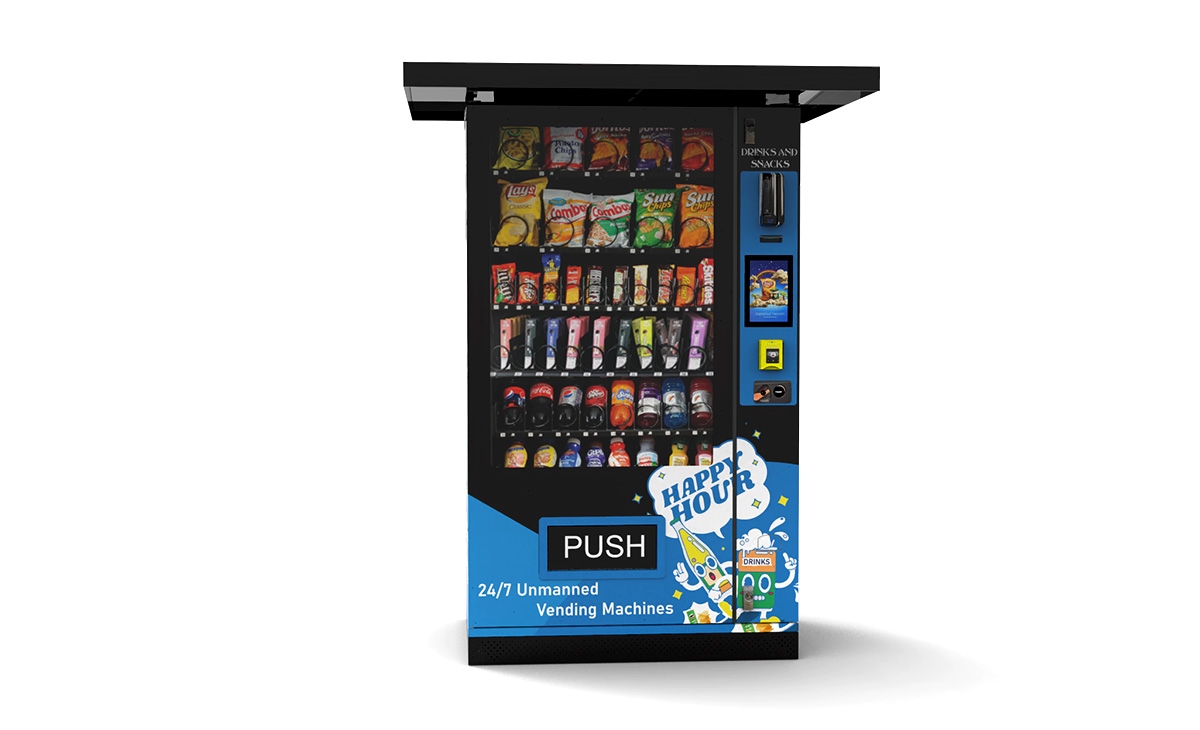
For example, if you notice that a particular sandwich sells out by 1 PM every day, increase its allocation or add a similar option. If a product consistently sits until expiration, remove it and try something else. I have seen operators increase revenue by 20% simply by analyzing their sales data and making small adjustments.
Also track the performance of each location individually. A machine that does $2,000 per month in one building might do $500 in another building with similar foot traffic. The difference is often in the product mix or the specific demographic. Do not assume that what works in one place will work everywhere.
When to Walk Away from a Location
Not every location is worth pursuing. I have walked away from deals where the location owner demanded a high percentage of sales but offered no exclusivity or commitment. I have also walked away from locations where the power supply was unreliable or the environment was too harsh for the equipment.
Signs that a location is not worth it:
- The owner wants more than 30% of gross sales.
- The location has no backup power and frequent outages.
- The foot traffic consists mostly of people who are not your target customers.
- The location already has multiple vending machines or food options.
- The owner is unwilling to sign a contract for at least one year.
It is better to wait for a good location than to force a machine into a bad one. An empty machine costs you money every day it sits idle.
FAQ: Common Questions About Gourmet Vending Machines
Are gourmet vending machines profitable?
Yes, if placed in the right location and managed well. Typical net profit per machine ranges from $500 to $2,000 per month after all costs. Profitability depends on foot traffic, product mix, pricing, and operating expenses.
How much does a gourmet vending machine cost?
A new machine costs between $8,000 and $25,000. Used machines can be found for $3,000 to $10,000, but may require more maintenance. Installation and initial inventory add another $1,000 to $4,000.
How long does it take to recoup the investment?
In my experience, payback periods range from 12 to 24 months for well-performing locations. Faster payback is possible with lower-cost machines or exceptional locations, but 18 months is a realistic target for most operators.
Should a beginner buy or lease a machine?
Leasing is lower risk for beginners. It allows you to test the market without a large upfront investment. Once you have proven a location, buying a machine makes more financial sense.
Where are the best locations for gourmet vending machines?
Office buildings, hospitals, universities, transportation hubs, and manufacturing facilities are consistently good. Look for locations with at least 200 potential customers per day who have time to make a purchase.
What permits or licenses are needed?
Requirements vary by country and region. In most European countries, you need a business license, food handling registration, and compliance with local hygiene regulations. Some locations may also require a vending permit. Check with your local chamber of commerce or trade office.
How do I choose a reliable supplier?
Look for suppliers with a proven track record in your region, responsive after-sales support, and readily available spare parts. Request references and, if possible, visit an installation. Zhongda Smart is one option worth evaluating, but compare multiple suppliers.
What happens if the machine breaks down?
Most suppliers offer a warranty and technical support. For minor issues, you may be able to fix the machine yourself if it has modular components. For major repairs, you will need a technician. Remote monitoring can alert you to problems before customers do.
How can I reduce restocking and maintenance costs?
Use remote monitoring to optimize restocking frequency. Group machines in the same geographic area to reduce travel time. Choose machines with reliable components to minimize repairs. Train yourself or a team member to handle basic maintenance tasks.
Can I run a gourmet vending machine business part-time?
Yes, but only with a small number of machines. One or two machines in nearby locations can be managed with a few hours per week. As you scale, the time commitment increases significantly. Most successful operators eventually treat it as a full-time business.
Final Thoughts from the Field
Gourmet vending machines in 2026 represent a real opportunity for operators who are willing to do the homework. The technology has matured, consumer acceptance is high, and the economics can work if you choose your locations carefully and manage your costs. But this is not a passive income scheme. It requires regular attention, data analysis, and a willingness to adapt.
I have seen operators succeed by starting small, testing locations, and scaling gradually. I have also seen operators fail by buying too many machines too quickly and placing them in mediocre locations. The difference is usually not luck, but discipline.
If you are considering entering this space, start with one machine in a location you know well. Learn the operational rhythms, understand the costs, and build your confidence before expanding. The market is growing, but it rewards careful planning over enthusiasm.
This article was updated in June 2026. All financial figures are estimates based on operational experience in European and North American markets. Individual results will vary based on location, product mix, and operational efficiency. Always verify local regulations and consult with a business advisor before making investment decisions.