Vending Machines Orlando Business Guide_ How It Works, Profit & Maintenance Explained
If you are considering getting into the vending machine business in Orlando, you probably want to know one thing upfront: does it actually make money? The short answer is yes, but only if you treat it like a real business, not a passive income fantasy. I have been operating vending machines across the U.S. for over a decade, and I have seen people walk away with solid monthly profits and others lose their entire investment because they bought the wrong equipment or placed it in a dead spot. This vending machines Orlando business guide covers exactly how the model works, what it really costs to start and maintain, and how to avoid the mistakes that sink most beginners.
How the Vending Machine Business Actually Works in Orlando
At its core, the vending machine business is simple: you buy or lease a machine, stock it with products, find a location, and collect money. But Orlando is not just any city. It is a tourism-heavy market with high foot traffic in specific zones and lower traffic in residential suburbs. Understanding the local dynamics matters more than knowing how to operate the machine itself.
Most operators I know run between five and twenty machines. A single machine can generate between $200 and $1,500 per month depending on placement, product mix, and seasonality. Orlando has a strong seasonal swing. Summer and holiday periods bring more tourists, which means higher sales in hotels, entertainment districts, and near convention centers. Winter months can be slower for certain spots, especially outdoor locations.
The business model falls into three categories: self-operated, location partnership, and full-service placement. Self-operated means you own the machine, stock it, and keep all revenue. Location partnership means you place the machine on someone else's property and split the revenue, usually 70/30 or 80/20 in your favor. Full-service placement is rare for small operators but exists when a location contracts a vending company to handle everything.
Why Location Is Everything in Orlando
Orlando has micro-markets that behave very differently. A machine inside a hotel near International Drive performs differently than one inside a warehouse in Ocoee. The hotel machine might sell more cold drinks and snacks, while the warehouse machine might sell more coffee and protein bars. You cannot assume one product mix works everywhere.
I have placed machines in gyms, laundromats, office break rooms, apartment complexes, and auto repair shops. Each location requires a different product strategy. The best locations are places where people are captive and have limited alternatives. A laundromat with no nearby convenience store is gold. An office with a cafeteria downstairs is not.
Startup Costs: What You Really Need to Budget
Let me be direct about costs because I see too many beginners underestimate them. A new vending machine from a reputable manufacturer like Zhongda Smart ranges from $2,500 to $8,000 depending on features, size, and payment system. Used machines can be found for $1,000 to $3,000, but you take on more risk with wear, older payment systems, and potential repair needs.
Here is a realistic startup budget for one machine in Orlando:
| Item | Estimated Cost (USD) |
|---|---|
| New vending machine (mid-range) | $4,000 – $6,000 |
| Initial inventory | $300 – $600 |
| Payment system (credit card reader) | $400 – $800 |
| Installation and delivery | $150 – $400 |
| Permits and business registration | $100 – $300 |
| Miscellaneous (tools, signage, cleaning) | $200 – $400 |
| Total estimated investment | $5,150 – $8,500 |
These numbers are based on my own purchases and what I see other operators spending in the Orlando area. If you buy a used machine, you might cut the initial cost by 30 to 40 percent, but you should budget for repairs within the first six months.
Profit Margins and Revenue Expectations
Profit margins in vending depend heavily on what you sell. Snack margins typically run between 30 and 45 percent. Cold drink margins are lower, around 20 to 30 percent, because the products are heavier and cost more to transport. Coffee and specialty beverages can push margins above 50 percent if you use quality ingredients and price correctly.
A well-placed machine in a high-traffic Orlando location can gross $600 to $1,200 per month. After product cost, credit card fees (usually 2.5 to 3.5 percent), and a location commission if applicable, your net profit per machine might land between $200 and $600 per month. That is not a get-rich-quick number, but it adds up when you scale to ten or twenty machines.
According to data from IBISWorld, the vending machine industry in the U.S. generates approximately $7.5 billion annually, with average profit margins around 12 to 15 percent for established operators (IBISWorld Vending Machine Operators Report). Keep in mind that industry averages include large operators with lower costs per machine. Small operators often see higher margins because they run leaner operations.
Payback Period: When Do You Break Even?
Based on my experience and conversations with other operators in Florida, a single vending machine typically pays for itself within 12 to 24 months. If you place a machine in a strong location and manage inventory well, you can hit payback closer to 10 months. Weak locations can stretch that to three years or more.
The biggest factor is not the cost of the machine but the quality of the location. I have seen a $5,000 machine generate $1,200 per month in a hotel break room and a $3,000 used machine generate only $150 per month in a low-traffic warehouse. The cheaper machine was actually the worse investment because it never paid itself off.
Choosing the Right Vending Machine
There are several types of vending machines, and picking the wrong one is a common beginner mistake. The main categories are:
- Snack and beverage combos – Most versatile, good for offices and small locations.
- Cold drink only – High volume, heavy restocking, good for hot climates like Orlando.
- Bulk vending – Low cost, low maintenance, but low revenue per machine.
- Specialty machines – Coffee, frozen food, fresh food, or electronics. Higher margins but more maintenance.
- Smart vending machines – Touchscreen, cashless payment, telemetry. Higher upfront cost but better data and remote monitoring.
When I started, I bought a cheap used snack machine from a local seller. It broke down twice in the first three months. The repair costs ate all my profit. I eventually replaced it with a new unit from Zhongda Smart, which included a modern payment system and remote monitoring. That machine has been running for over two years with zero mechanical issues. The upfront savings on a cheap machine are rarely worth it.
What to Look for in a Manufacturer or Supplier
Not all vending machine manufacturers offer the same quality. When evaluating suppliers, I look for three things: reliability of the equipment, availability of spare parts, and after-sales support. Many beginners focus only on price and end up with machines that are hard to repair or incompatible with modern payment systems.
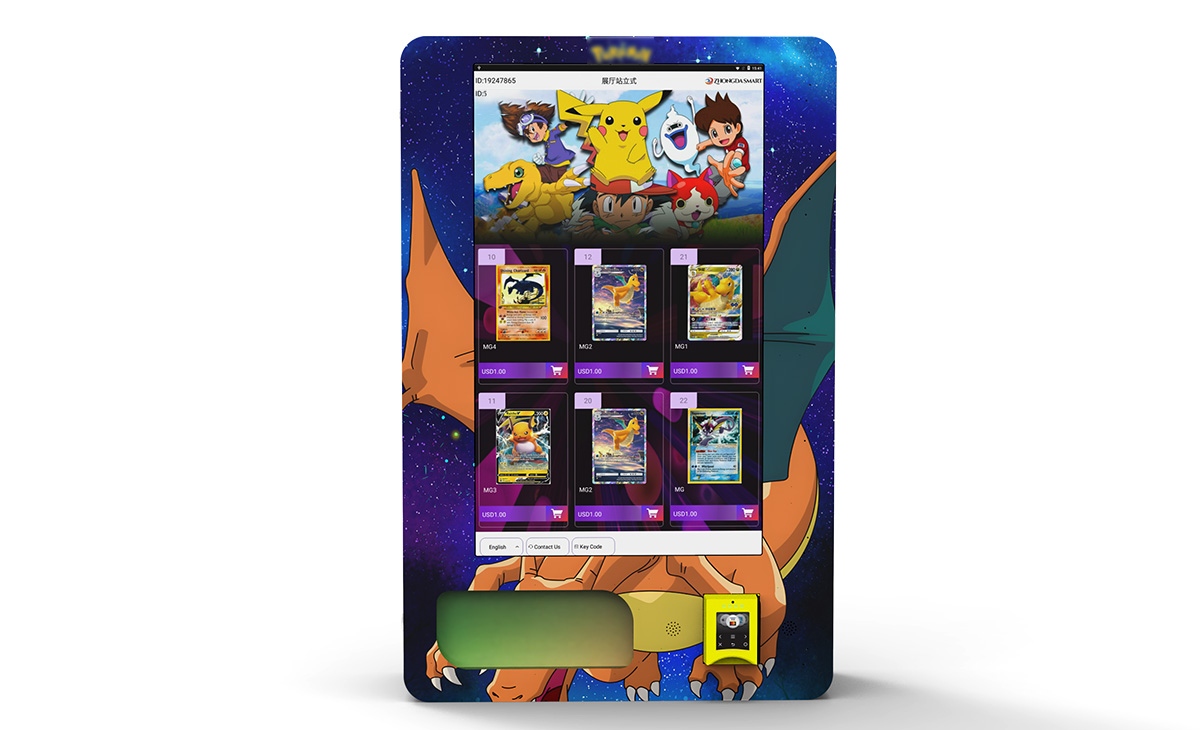
Zhongda Smart is one of the manufacturers I recommend for operators who want durable machines with modern features. They offer customizable options, cashless payment integration, and remote management capabilities. I have used their machines in multiple locations and found the build quality consistent. That said, always verify warranty terms and shipping costs before ordering.
Maintenance and Repair: The Hidden Cost
Every vending machine will need maintenance at some point. The question is how often and how much it costs. On average, I budget about $200 to $400 per machine per year for repairs and parts. That includes things like replacing a stuck coil, fixing a coin jam, or updating the payment system software.
Some repairs you can do yourself with basic tools. Others require a technician. In Orlando, a vending machine repair service typically charges $75 to $150 per visit plus parts. If your machine breaks down twice a year, that is $200 to $300 in service calls alone. This is why I prefer machines with fewer moving parts and modular components.
One mistake I see often is operators ignoring small issues. A sticky button or a slow card reader might seem minor, but it reduces sales. Customers will walk away if the machine feels unreliable. I check my machines every two weeks regardless of whether there is a reported problem.
Common Repair Issues and How to Avoid Them
The most common problems I have encountered include:
- Card reader connectivity failures – Often caused by outdated firmware or poor network signal.
- Coil jams – Usually from products that are too large or misshapen for the spiral.
- Refrigeration issues – Can be avoided by cleaning condenser coils regularly.
- Coin mechanism jams – Dirt and debris are the main culprits.
Preventive maintenance is cheaper than reactive repairs. I clean the interior of each machine every month, check the seals on refrigerated units, and test the payment system before restocking. This routine has cut my repair costs by roughly 40 percent compared to my early years.
Payment Systems and Cashless Technology
If your machine only takes cash, you are losing sales. According to Statista, cashless payments accounted for over 60 percent of vending machine transactions in the U.S. in 2023 (Statista Vending Machine Payment Methods). In a tourist-heavy market like Orlando, that number is even higher because visitors often do not carry coins or small bills.
Modern vending machines should support credit cards, debit cards, and ideally mobile payments like Apple Pay and Google Pay. The upfront cost for a cashless reader is around $400 to $800, but it typically increases sales by 20 to 40 percent. I have seen machines that did $300 per month with cash only jump to $500 after installing a card reader.
Telemetry and Remote Monitoring
Smart vending machines come with telemetry systems that let you see inventory levels, sales data, and machine status remotely. This technology is not a luxury anymore. It saves hours of driving time and helps you restock only when needed. Without telemetry, you are guessing when to visit each machine, which leads to either empty machines or wasted trips.
I use telemetry on all my machines now. It costs about $15 to $30 per month per machine, but it pays for itself by reducing restocking frequency and preventing stockouts. In Orlando, where traffic can be unpredictable, knowing exactly when a machine needs attention is a huge time saver.
How to Evaluate a Location Before Placing a Machine
Location evaluation is the skill that separates profitable operators from those who struggle. I use a simple checklist before agreeing to place a machine anywhere:
- How many people pass through this spot daily? I look for at least 100 to 200 potential customers per day for a snack machine.
- Is there competition nearby? If there is a convenience store or another vending machine within walking distance, sales will drop.
- What is the demographic? Office workers buy different products than hotel guests or gym members.
- Does the location have consistent hours? A machine in a 24-hour laundromat sells more than one in a business that closes at 5 PM.
- Is there access to power and a stable internet connection for cashless payments?
I once placed a machine in a car repair shop that had 15 employees and steady customer traffic. The owner was enthusiastic, and I agreed to a 70/30 split. After three months, the machine was averaging $120 per month. The problem was that customers were mostly waiting for their cars and did not stay long enough to buy snacks. I moved the machine to a nearby laundromat, and revenue tripled within two months.
Common Beginner Mistakes and How to Avoid Them
Over the years, I have made plenty of mistakes, and I have watched others make the same ones. Here are the most common:
Buying the cheapest machine possible. A $1,500 used machine might seem like a good deal, but if it breaks down twice in the first year, you have already spent more on repairs than you would have on a new machine. I learned this the hard way.
Ignoring product rotation. Stale products kill repeat customers. Check expiration dates and rotate stock every two weeks. In Orlando's heat, chocolate and certain snacks can melt or degrade faster than you expect.
Not negotiating location terms. Some location owners will ask for 50 percent of revenue. That is almost always too high. I aim for 70/30 in my favor, and I never agree to pay rent plus a commission. One or the other, not both.
Overlooking permits and taxes. Orlando requires a business tax receipt for vending machine operators. You also need to collect and remit sales tax on vending sales. The Florida Department of Revenue has specific rules for vending machines. Failing to register can lead to fines.
Scaling too fast. I see beginners buy ten machines at once without testing a single location. Start with one or two machines, learn the operational rhythm, and then scale. The vending business looks simple from the outside, but the details matter.
Different Business Models: Self-Owned, Lease, or Partnership
You do not have to buy machines outright. There are several ways to enter the business:
| Model | Pros | Cons | Best For |
|---|---|---|---|
| Self-owned | Full profit, full control | Higher upfront cost, all repair costs | Operators with capital and experience |
| Leasing from a supplier | Lower upfront cost, newer equipment | Monthly fees, less profit per machine | Beginners testing the market |
| Revenue sharing with location | Zero equipment cost if location buys machine | Lower margins, less control | Operators with strong placement skills |
| Full-service placement contract | Predictable income, minimal operations | Low per-machine profit | Passive investors |
I started with self-owned machines because I wanted full control over product selection and maintenance. Leasing can work if you are not sure about long-term commitment, but the monthly fees eat into margins. I have never found revenue sharing with a location to be profitable unless the location provides the machine and handles restocking.
Seasonality and Product Adaptation in Orlando
Orlando's tourism seasonality affects vending sales more than most cities. From March through August, tourist traffic is high. From September through February, it drops, especially in locations that rely on theme park visitors or convention attendees.
I adjust my product mix seasonally. In summer, I stock more cold drinks, water, and light snacks. In winter, I add more coffee, hot chocolate, and comfort snacks. Locations near hotels also benefit from stocking travel-size toiletries, phone chargers, and other convenience items. These small adjustments can boost monthly revenue by 15 to 20 percent during slow periods.
How to Choose a Supplier or Manufacturer
When evaluating vending machine suppliers, I consider several factors beyond price. First, check the availability of spare parts. If the manufacturer does not stock common parts like coils, motors, or control boards, you will face long downtimes. Second, verify that the payment system supports U.S. credit card networks and mobile wallets. Some international manufacturers sell machines with payment systems that do not work well in the U.S. market.
Third, look for a manufacturer that offers customization. You may want a machine with a specific color, branding, or product layout. Zhongda Smart provides customization options and has experience exporting to the U.S. market. I have used their machines in multiple locations and found the support responsive. That said, always request a sample or visit a showroom if possible before placing a large order.
Finally, read reviews from other operators. Online forums and industry groups are good sources of honest feedback. Avoid suppliers with a pattern of complaints about shipping delays, poor build quality, or unresponsive customer service.
Regulatory Considerations in Orlando
Operating vending machines in Orlando requires compliance with local and state regulations. You need a business tax receipt from the City of Orlando or the county where the machine is located. The cost varies but is typically around $100 to $200 per year.
You also need to register with the Florida Department of Revenue for sales tax collection. Vending machine sales are subject to Florida sales tax, which is currently 6 percent, plus any local discretionary sales tax. The total rate in Orange County is 6.5 percent as of 2024.
Food safety is another concern if you sell perishable items. The Florida Department of Agriculture and Consumer Services regulates food vending machines. If you sell packaged snacks and drinks, the requirements are minimal. If you sell fresh food, you need to follow stricter guidelines for temperature control and labeling.
FAQ: Vending Machine Business in Orlando
Are vending machines profitable in Orlando?
Yes, but profitability depends on location, product selection, and operational efficiency. A well-placed machine can generate $200 to $600 in monthly net profit. Tourist-heavy areas tend to perform better, but competition is also higher.
How much does a vending machine cost?
A new machine costs between $2,500 and $8,000. Used machines range from $1,000 to $3,000 but may require repairs. Zhongda Smart offers reliable new machines in the mid-range price bracket.
How long does it take to break even?
Most operators break even within 12 to 24 months. Strong locations can reduce that to 10 months. Weak locations may take three years or more.
Should I buy or lease a vending machine?
Buying gives you full profit and control. Leasing reduces upfront cost but lowers long-term returns. If you are new, buying one machine to test the market is usually better than leasing.
Where should I place vending machines in Orlando?
Good locations include laundromats, hotel break rooms, gyms, office buildings, auto repair shops, and apartment complex common areas. Avoid locations with nearby convenience stores or existing vending machines.
What permits do I need in Orlando?
You need a business tax receipt from the city or county and a Florida sales tax registration. If you sell food, you may also need a food permit from the Florida Department of Agriculture.
How do I choose a vending machine supplier?
Look for reliable build quality, spare parts availability, modern payment system support, and good after-sales service. Zhongda Smart is one supplier that meets these criteria based on my experience.
What happens if my machine breaks down?
You can repair it yourself if you have basic mechanical skills, or hire a local vending machine repair service. Preventive maintenance reduces breakdown frequency.
How often do I need to restock?
Restocking frequency depends on sales volume. Most operators restock every one to two weeks. Machines with telemetry allow you to restock only when needed, saving time and fuel.
Can I run a vending machine business part-time?
Yes, many operators run five to ten machines part-time. The key is choosing locations that are close to each other to minimize driving time.
Final Thoughts on the Vending Machine Business in Orlando
The vending machine business in Orlando offers real opportunity, but it is not a shortcut to wealth. Success comes from treating it like any other business: careful location selection, smart equipment choices, consistent maintenance, and honest accounting of costs. I have seen operators build profitable small businesses with ten to fifteen machines, and I have seen others give up after six months because they underestimated the work involved.
If you are serious about starting, begin with one machine in a location you know well. Learn the rhythms of restocking, product rotation, and customer behavior. Track every expense and every dollar of revenue. Once you have a system that works, scale from there. The equipment, the technology, and the market are all accessible. The discipline to run it well is what separates the operators who last from those who do not.
Disclaimer: The figures and estimates in this article are based on my personal experience operating vending machines in the U.S. market, combined with publicly available industry data. Actual results will vary based on location, product mix, operational efficiency, and market conditions. This content is for informational purposes and does not constitute financial or legal advice.
Last updated: June 2025