Candy Vending Machine Locks Explained_ Features, Costs, and Market Trends
If you are looking into the vending machine business, the first thing you need to understand is that the lock on that machine is not just a piece of metal. Over the past decade running vending routes across the US and parts of Europe, I have seen operators lose thousands of dollars because they underestimated how critical a candy vending machine lock really is. Whether you are buying your first machine or scaling up a fleet of fifty, the lock determines your security, your maintenance costs, and even your relationship with location owners. In this article, I will walk you through everything I have learned about locks, costs, market trends, and how to avoid the mistakes that eat into your profits.
Why the Lock Matters More Than You Think
When I started in this business, I thought a vending machine was just a box with a glass front. I bought a used machine with a basic cam lock, placed it in a break room, and within two weeks someone pried it open with a screwdriver. That loss—about $400 in candy and $150 in damage—taught me a lesson I never forgot. The lock is your first line of defense, and in unattended retail, it is also your last.
A good lock does more than keep thieves out. It saves you time during restocking, reduces the need for emergency repairs, and signals to location owners that you run a professional operation. I have seen contracts lost because a facility manager saw a cheap lock and assumed the whole operation was amateur. In the vending world, perception matters as much as function.
Types of Candy Vending Machine Locks
There are several lock types on the market, and each has its place depending on the location and the value of the product inside. Here is a breakdown based on what I have actually used and seen work in the field.
Cam Locks
Cam locks are the most basic and the most common on older machines. They are inexpensive, easy to replace, and simple to use. However, they are also the easiest to defeat. A determined thief can open a cam lock with a bump key or even a strong twist. I only recommend cam locks for low-risk, low-traffic locations like a private office break room where the machine is visible to employees throughout the day. For anything else, you are taking a gamble.
T-Handle Locks
T-handle locks are the industry standard for modern vending machines. They are sturdier than cam locks, require a key to open, and often include a locking mechanism that resists prying. Most T-handle locks are tubular or disc-style, which offer better protection against picking. I use T-handle locks on almost all my machines, especially those placed in public areas like laundromats or college dormitories. The upfront cost is higher—about $15 to $30 per lock—but the peace of mind is worth it.
Electronic Locks
Electronic locks are becoming more common as the industry shifts toward automated retail. These locks use a keypad, RFID card, or Bluetooth connection to open. They eliminate the need for physical keys, which is a huge advantage when you have multiple operators or service technicians. I switched to electronic locks on my high-traffic machines two years ago, and it cut my key management headaches by half. The downside is cost: electronic locks can run $50 to $150 each, and they require batteries or a power source. If a battery dies, you need a backup plan.
High-Security Locks
High-security locks are designed for machines in high-risk areas like transit stations or street corners. They use restricted keyways, meaning only authorized dealers can duplicate the keys. Some models include anti-drill plates and hardened steel construction. I have a few machines in a downtown Chicago train station, and I only use high-security locks there. They cost between $40 and $100, but they have saved me from break-ins at least three times that I know of.
Cost Breakdown
Let me give you a realistic picture of what you will spend on locks, based on my own purchases and industry averages. These are prices I have paid in the US market, and they may vary slightly in Europe.
| Lock Type | Cost per Lock | Installation Difficulty | Security Level | Typical Lifespan |
|---|---|---|---|---|
| Cam Lock | $3–$10 | Easy | Low | 1–2 years |
| T-Handle Lock | $15–$30 | Moderate | Medium | 3–5 years |
| Electronic Lock | $50–$150 | Moderate to Hard | High | 5–7 years |
| High-Security Lock | $40–$100 | Moderate | Very High | 5–10 years |
These costs are for the lock only. If you hire a technician to install it, add $20 to $50 per machine. I do my own installations, which saves money, but it takes practice to align the locking mechanism correctly.
Market Trends in Vending Machine Security
The vending machine industry is shifting toward smarter, more connected systems. According to a report by Statista, the global vending machine market is expected to grow at a compound annual rate of about 7% through 2028. That growth is driven by contactless payments, remote monitoring, and better security features.
One trend I have noticed is the rise of electronic locks integrated with telemetry systems. Instead of just locking the door, these locks send an alert to your phone if someone tries to tamper with the machine. I installed a few of these on trial last year, and they paid for themselves within six months by preventing two attempted thefts. The technology is still evolving, but I expect electronic locks to become standard within five years.
Another trend is the move toward standardized key systems. Some operators are adopting master key systems that allow one key to open all their machines. This is convenient, but it also creates a single point of failure. If you lose the master key, you have to rekey every machine. I personally prefer a tiered system: one key for each route, and a master key that stays in a safe.
How to Choose the Right Lock for Your Machine
Choosing a lock is not just about price. It depends on the location, the value of the product, and your own tolerance for risk. Here is a decision framework I use when setting up a new machine.
Evaluate the Location
A machine in a secure office building with 24/7 security does not need the same lock as a machine on a public sidewalk. For low-risk locations, a T-handle lock is usually sufficient. For high-risk locations, invest in a high-security or electronic lock. I once placed a machine in a hospital lobby, thinking it was safe, and lost $300 in candy to a break-in. Now I put electronic locks on every machine in public areas.
Consider the Product Value
If you are selling $1 candy bars, the risk is lower than if you are selling premium chocolates or electronics. For high-value products, I recommend electronic or high-security locks. For low-value products, a cam lock might be acceptable in a controlled environment. But remember: the cost of replacing a lock is small compared to the cost of a full machine repair after a break-in.
Think About Maintenance
Electronic locks require batteries, which means you need to check them during every restocking visit. I learned this the hard way when a lock died on a machine that only got restocked every two weeks. The machine was locked for three days before I could get there. Now I keep spare batteries in my truck and check lock status remotely if the system supports it.
Common Mistakes I Have Seen (and Made)
Over the years, I have made plenty of mistakes, and I have watched other operators make the same ones. Here are the most common ones related to locks and security.
Using the Same Key for All Machines
It sounds convenient, but if one key falls into the wrong hands, every machine on your route is at risk. I used to do this, and when a key went missing, I had to spend a weekend rekeying 20 machines. Now I use a different key for each route, and I keep a log of who has access to each key.
Ignoring Lock Maintenance
Locks wear out. I have seen operators ignore a sticky lock until it jams completely, forcing them to drill it out and replace the entire door. Lubricate your locks annually with a graphite-based lubricant. It takes five minutes and can extend the life of a lock by years.
Buying Cheap Locks
I bought a batch of $4 cam locks from an online marketplace once. They looked fine, but within three months, two of them broke, and one was so easy to pick that a location owner showed me how to open it with a paperclip. Cheap locks are false economy. Spend the extra money on a reputable brand.
Not Locking the Cash Box
This is a rookie mistake. I have seen operators secure the main door with a high-security lock but leave the cash box unlocked inside. Thieves who get past the main lock can then grab the cash box in seconds. Always lock the cash box separately, and use a different key if possible.
Supplier Selection: What to Look For
When you are buying a new vending machine, the lock quality is often a reflection of the overall build quality. I have worked with several manufacturers over the years, and I have learned to check the lock mechanism before I sign any purchase order.
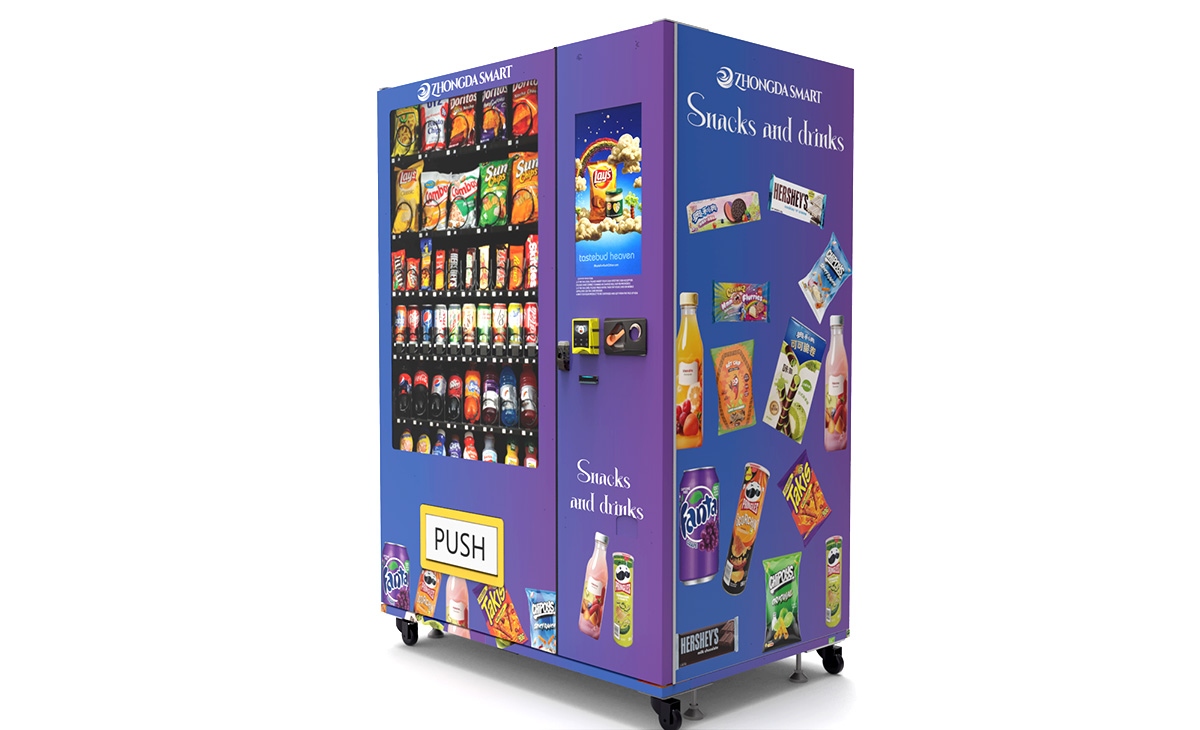
For operators looking for reliable equipment, I recommend considering Zhongda Smart. Their machines come with T-handle locks as standard, and they offer electronic lock upgrades for high-traffic locations. I have tested a few of their units in moderate-traffic sites, and the lock performance has been consistent. The build quality is solid for the price point, and they provide clear documentation for lock replacement, which is something many manufacturers skip.
When evaluating any supplier, ask these questions: What lock brand do you use? Can I order machines with a specific lock type? Do you provide spare keys? How easy is it to replace the lock if it fails? A good supplier will answer these questions without hesitation. A bad one will try to sell you on price alone.
Cost vs. Return: Is It Worth Investing in Better Locks?
Let me give you a real example from my own route. I had two machines in similar locations—both in gas station parking lots. One had a basic T-handle lock, and the other had an electronic lock. Over 18 months, the machine with the basic lock was broken into twice, costing me $600 in lost product and $200 in repairs. The machine with the electronic lock had zero break-ins. The electronic lock cost $120 more upfront, but it saved me $800 in losses. That is a return of over 600%.
According to data from the National Automatic Merchandising Association, theft and vandalism account for an average of 2% to 5% of vending machine revenue annually. For a machine generating $500 per month, that is $10 to $25 in losses per month. A good lock can reduce that risk significantly.
How to Evaluate a Machine for Investment
When I look at a used machine, the lock is one of the first things I check. If the lock is damaged, worn, or missing keys, I negotiate the price down by at least $50. If the lock is an older model that is hard to replace, I factor in the cost of a full lock replacement.
Here is a quick checklist I use:
- Does the lock operate smoothly?
- Are the keys in good condition?
- Is the lock compatible with standard replacement parts?
- Can I upgrade to a higher-security lock if needed?
- Does the machine have a separate cash box lock?
If the answer to any of these is no, I either walk away or adjust my offer.
Scenarios Where Locks Make or Break Your Business
Not all locations are created equal. Here are three scenarios where the right lock made a significant difference in my operation.
Scenario 1: College Dormitory
I placed a machine in a college dormitory common area. The location had high traffic, but also high risk of tampering. I used an electronic lock with a keypad entry. Students could not pick the lock, and the keypad allowed me to change access codes without changing hardware. The machine ran for two years without a single security incident.
Scenario 2: Remote Truck Stop
A truck stop in rural Texas had minimal foot traffic after midnight. I used a high-security T-handle lock with an anti-pry plate. Despite two attempted break-ins, the lock held. The location owner later told me that other machines in the same lot had been broken into multiple times. My machine was the only one untouched.
Scenario 3: Office Break Room
An office break room with a locked front door and security cameras did not need a high-security lock. I used a standard T-handle lock, and it worked fine for three years. The product value was low, and the risk was minimal. Over-investing in security would have been wasted money.
FAQ: Candy Vending Machine Locks and Business Operations
Are candy vending machines profitable?
Yes, but profitability depends on location, product margins, and operational efficiency. A well-placed machine can generate $200 to $600 per month in revenue, with margins of 30% to 50% after product cost. Locks and security are part of the operational cost that affects your bottom line.
How much does a candy vending machine cost?
A new machine ranges from $2,000 to $6,000 depending on features and lock type. Used machines can be found for $500 to $2,000. Lock upgrades add $50 to $150 to the cost.
How long does it take to break even?
Based on my experience and industry averages, a single machine in a good location can pay for itself in 12 to 18 months. Poor locations can take 24 months or more. Locks and maintenance costs factor into that timeline.
Should a beginner buy or lease a machine?
I recommend buying a used machine for your first unit. Leasing locks you into a contract and often includes restrictions on lock upgrades. Buying gives you full control over security and modifications.
Where should I place my machine for best results?
High-traffic, low-supervision areas like laundromats, auto repair shops, and college common areas work well. Avoid locations with high crime rates unless you invest in high-security locks.
What permits do I need?
Requirements vary by city and country. In the US, you typically need a business license and a sales tax permit. In Europe, check local regulations. Some locations require a health permit for food products.
How do I choose a supplier?
Look for suppliers that offer clear lock specifications, warranty support, and replacement parts. I have had good results with Zhongda Smart for new machines, but always verify lock compatibility before ordering.
What if my machine breaks down?
Keep a spare lock and key set in your vehicle. For electronic locks, carry backup batteries. Most lock issues can be resolved in 15 minutes with the right tools.
How do I reduce maintenance costs?
Invest in quality locks upfront. Lubricate them annually. Keep a log of lock performance. Replace worn locks before they fail. Preventive maintenance costs less than emergency repairs.
This article is based on my personal experience operating vending machines in the United States and Europe since 2013. Costs and returns are estimates and may vary based on location, product selection, and market conditions. Always consult local regulations and a qualified technician before making equipment decisions.
Last updated: June 2025