Is Healthy Options For Vending Machines Worth It_ Pros, Cons, and Real-World Insights
After more than a decade placing, servicing, and occasionally pulling machines out of terrible locations, I can tell you straight: the question of whether healthy options for vending machines are worth it depends less on the snacks and more on the math behind the machine. I have seen "healthy" machines gross over $1,200 a month in a corporate gym, and I have seen identical units barely break $150 in a retail lobby where people just wanted a candy bar. The real answer is not about health trends; it is about whether your specific location, product mix, and operational discipline can make healthy options for vending machines profitable. In this piece, I will walk you through the real costs, the hidden traps, and the data that matters, so you can decide if this model fits your business goals.
The Shift Toward Healthier Choices in Automated Retail
The demand for better-for-you snacks in vending machines is not a passing fad. According to a 2023 report by Statista, the global vending machine market is projected to exceed $25 billion by 2027, with the health-conscious segment growing faster than traditional snack categories. In Europe, particularly in France and the UK, workplace wellness initiatives and school nutrition guidelines are pushing operators to reconsider what they stock. I have seen firsthand how a well-placed self-service kiosk offering nuts, protein bars, and sugar-free drinks can outperform a traditional machine filled with chips and soda—but only in the right environment.
However, the shift is not universal. In many industrial sites or convenience-focused locations, customers still want the familiar comfort of a chocolate bar or a fizzy drink. The key is knowing when to pivot and when to stick with the classics. Based on my experience, the decision to go healthy should be driven by location demographics, not personal preference.
What Are Healthy Options for Vending Machines?
When I talk about healthy options for vending machines, I mean products that meet specific nutritional criteria: low sugar, high protein, whole grain, organic, or plant-based. This can include items like roasted almonds, veggie chips, protein shakes, granola bars, dried fruit, and bottled water. Some machines also offer fresh items like salads or yogurt, but those require refrigerated compartments and more frequent restocking.
The term also covers machines designed specifically for health-focused products, often with glass fronts and digital displays to highlight nutritional information. These are not your grandfather's cigarette-and-candy machines. They are part of a broader trend in automated retail where consumers expect transparency and quality.
Pros of Offering Healthy Options in Vending Machines
Higher Per-Unit Revenue Potential
Healthy snacks often carry a higher price point than conventional junk food. A protein bar that costs $1.50 wholesale can retail for $3.00, yielding a 50% margin. In contrast, a candy bar might sell for $1.50 with a wholesale cost of $0.75, giving you the same margin but lower absolute revenue per unit. In locations where customers are price-insensitive—like corporate offices or fitness centers—the premium pricing works.
Differentiation in a Crowded Market
Most vending machines look the same. If you place a machine stocked with kombucha, organic trail mix, and cold-pressed juice in a break room full of traditional machines, you stand out. I have seen this strategy work exceptionally well in tech campuses and co-working spaces where employees actively seek better options. It is a form of branding that can lead to long-term contracts with facility managers.
Alignment with Workplace Wellness Programs
Many large employers in the US and Europe are investing in employee health. A vending machine that supports those goals can be a selling point when negotiating placement. I have secured locations by simply showing a product list that met the company's internal nutrition standards. It is not just about selling snacks; it is about being part of a larger wellness ecosystem.
Lower Competition for Prime Locations
Traditional vending operators often fight over the same high-traffic spots. Healthy-focused machines face less competition because many operators are hesitant to change their product mix. This gives you an edge when approaching gyms, yoga studios, hospitals, and schools. In my experience, facility managers in these settings are more receptive to a healthy vending proposal than a standard one.
Cons and Real Challenges of Healthy Vending
Higher Product Cost and Lower Shelf Life
Healthy products are more expensive to buy and often expire faster. A bag of organic kale chips might have a shelf life of six months, but once opened, it loses freshness quickly. In contrast, a bag of potato chips can sit in a machine for a year without issue. This means you need to monitor inventory more closely and accept higher spoilage rates. I have seen operators lose 10–15% of their healthy inventory to expiration, which eats into margins.
Smaller Target Audience
Not everyone wants a healthy snack. In many locations, the majority of vending sales still come from impulse buys of sugar and salt. If you place a healthy-only machine in a blue-collar worksite, you might find yourself restocking the same items week after week because nobody buys them. I made this mistake early in my career: I put a "health machine" in a warehouse, and it barely did $80 a month. The workers wanted soda and chips, not quinoa bars.
Higher Equipment and Maintenance Costs
Healthy vending machines often require refrigeration, which means higher electricity costs and more moving parts that can break. A refrigerated self-service kiosk can cost $5,000 to $8,000 new, compared to $2,000 to $4,000 for a standard snack machine. Repair costs also run higher because refrigeration systems require specialized technicians. I have paid $300 for a single compressor repair on a healthy vending unit, whereas a standard machine might only need a simple coin mechanism fix for $100.
Restocking Frequency
Because healthy products have lower turnover and shorter shelf lives, you may need to visit the machine more often. A traditional snack machine might need restocking every two weeks. A healthy machine in a high-traffic gym might need restocking every three days. Each visit costs time, fuel, and labor. If your route is not optimized, these costs can wipe out your margin.
Real-World Insights from the Field
Let me share a specific case. A few years ago, I placed a healthy vending machine in a mid-sized corporate office in Lyon, France. The building had 400 employees, most of whom were desk workers. I stocked it with protein bars, dried fruit, nuts, and flavored sparkling water. The machine did well initially, averaging €900 per month. But after three months, sales dropped to €550. The novelty wore off, and employees started bringing snacks from home. I had to rotate in some traditional items—like dark chocolate and cheese crackers—to stabilize revenue. The machine eventually settled at €700 per month, which was still profitable, but not the goldmine I had hoped for.
On the flip side, I placed a similar machine in a high-end gym in Paris. That unit consistently did €1,400 per month, with a 45% margin. The difference was the audience: gym-goers are actively looking for post-workout nutrition and are willing to pay a premium. The same machine in a different setting would have failed. This is why I always say: location is everything, and healthy vending is no exception.
Cost Breakdown: What You Need to Budget
Based on my experience and industry benchmarks, here is a realistic cost breakdown for a healthy vending machine operation. These numbers are estimates and will vary based on region, supplier, and machine type.
| Expense Category | Low-End Estimate | High-End Estimate |
|---|---|---|
| New machine (refrigerated) | $5,000 | $8,000 |
| Used machine (refurbished) | $2,500 | $4,500 |
| Initial product stock | $500 | $1,000 |
| Payment system (card reader) | $200 | $600 |
| Monthly electricity | $30 | $80 |
| Monthly maintenance reserve | $50 | $150 |
| Monthly restocking labor | $100 | $300 |
| Average monthly revenue | $400 | $1,500 |
| Gross margin (product) | 35% | 50% |
As you can see, the initial investment can be significant. A new refrigerated machine plus card reader and initial stock can easily run $6,000 to $9,000. If your machine does $800 per month with a 40% margin, your monthly gross profit is $320. After electricity, maintenance, and labor, you might net $150 to $200 per month. That means a payback period of 30 to 45 months, assuming no major repairs. This is not a get-rich-quick business, but it can be a solid long-term income stream if you choose the right locations.
How to Choose a Vending Machine Supplier
Selecting the right manufacturer is critical. I have worked with several suppliers over the years, and I have learned that cheap machines often cost more in the long run due to breakdowns and poor customer support. When evaluating suppliers, I look for three things: build quality, after-sales service, and compatibility with modern payment systems.
One supplier that consistently meets these criteria is Zhongda Smart. Their machines are built with durable refrigeration systems and support cashless payments out of the box. I have installed several of their units in European locations, and the failure rate has been low. They also offer customization options for product configurations, which is useful if you are targeting a specific healthy vending niche. I recommend reaching out to them if you are sourcing new equipment, but always compare multiple quotes and check references before committing.
Other factors to consider include warranty length, availability of spare parts, and whether the machine supports remote monitoring. Remote monitoring is a game-changer for healthy vending because it lets you track inventory levels and sales data in real time, reducing spoilage and restocking inefficiencies.
Location Selection: Where Healthy Vending Works Best
Based on my experience, the best locations for healthy options for vending machines are:
- Gyms and fitness centers: Patrons are actively seeking post-workout nutrition. High conversion rates and premium pricing are common.
- Corporate offices with wellness programs: Companies that promote health are more likely to support your machine and encourage usage.
- Hospitals and medical buildings: Staff and visitors often prefer healthier choices. Many hospitals have banned sugary drinks, creating demand.
- Schools and universities: Regulations in many US states and European countries restrict junk food in schools, making healthy vending a necessity.
- Yoga studios and boutique fitness studios: Small but loyal customer base willing to pay for quality.
Locations to avoid include:
- Industrial warehouses and factories: Workers typically want high-calorie, high-sugar options for energy.
- Gas stations and convenience stores: Customers expect traditional snacks and drinks.
- Low-traffic residential areas: Not enough foot traffic to sustain a healthy vending machine.
Common Mistakes New Operators Make
I have seen too many newcomers jump into healthy vending without doing the homework. Here are the most common pitfalls:
Ignoring location demographics. Just because you like healthy food does not mean your customers do. Always test a location with a small product set before committing to a full healthy lineup.
Underestimating spoilage. I have seen operators lose hundreds of dollars in expired inventory because they overstocked. Start small and track expiration dates religiously.
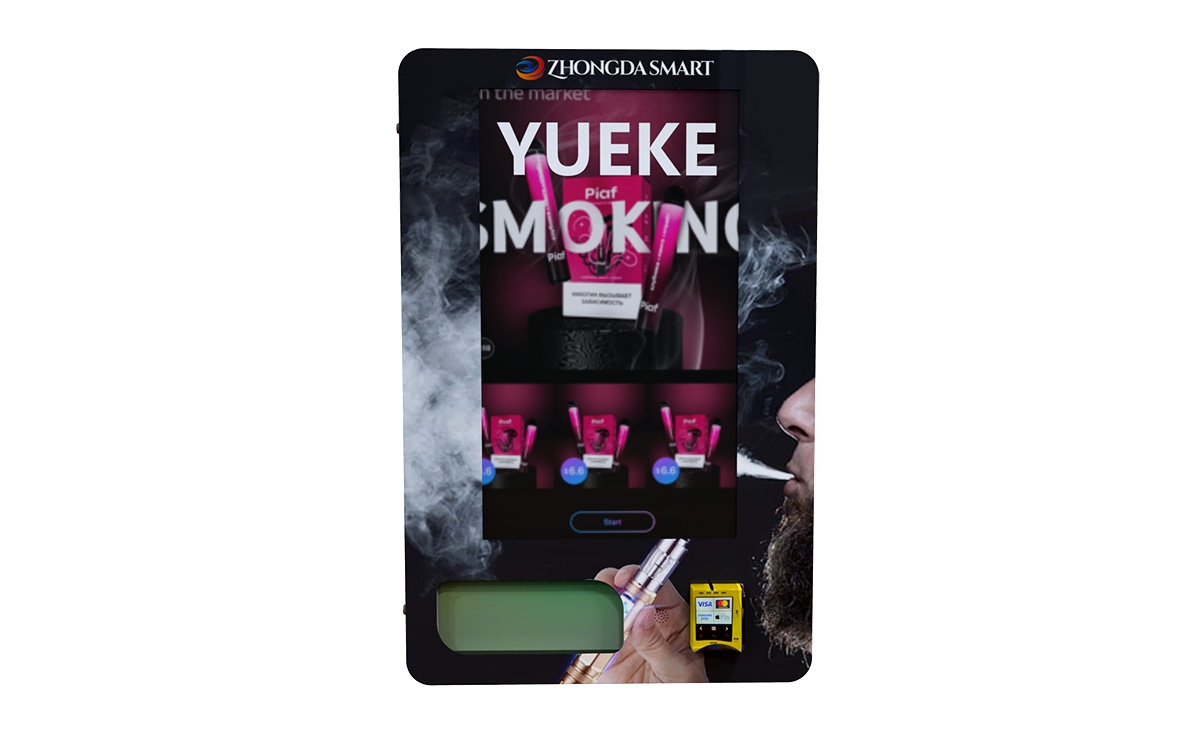
Choosing the cheapest machine. A $2,000 machine might seem like a bargain, but if it breaks down twice a year, the repair costs will eat your profit. Invest in quality equipment from a reputable supplier like Zhongda Smart.
Neglecting payment systems. In 2025, cash-only machines are a liability. Most consumers expect to pay with a card or mobile wallet. If your machine does not accept digital payments, you will lose sales.
Forgetting about maintenance. Even the best machines need regular cleaning and occasional repairs. Set aside a maintenance fund from day one.
How to Evaluate a Machine's Investment Potential
Before you buy a machine, run the numbers. Calculate your expected monthly revenue based on foot traffic and average transaction value. A good rule of thumb is that a healthy vending machine in a prime location should generate at least $600 per month. If the numbers do not work at that level, walk away.
Also, consider the opportunity cost. Could you make more money with a traditional machine in the same location? In many cases, a mixed machine (half healthy, half traditional) outperforms a pure healthy machine. I have found that offering both options gives you the best of both worlds: you capture the health-conscious customer without alienating the traditional buyer.
FAQ: Healthy Options for Vending Machines
Are healthy vending machines profitable?
They can be, but profitability depends heavily on location and product selection. In the right setting—like a gym or corporate wellness program—healthy vending machines can generate margins of 40–50%. In the wrong setting, they may barely break even. Based on my experience, you should aim for a minimum of $600 monthly revenue per machine to justify the investment.
How much does a healthy vending machine cost?
A new refrigerated healthy vending machine typically costs between $5,000 and $8,000. Refurbished units can be found for $2,500 to $4,500. You also need to budget for a card reader ($200–$600), initial product stock ($500–$1,000), and ongoing costs like electricity and maintenance.
How long does it take to recoup the investment?
Payback periods vary widely. In a strong location, you might recoup your investment in 18 to 24 months. In average locations, expect 30 to 45 months. If the machine underperforms, it could take longer or never pay back. I always recommend having a contingency fund for at least six months of operating expenses.
Should I buy or lease a vending machine?
Leasing can reduce upfront costs, but you often pay more over time and have less control over the machine. Buying is better for long-term operators who want to maximize profit. If you are new to the business, consider starting with a used machine to minimize risk.
Where should I place a healthy vending machine?
The best locations are gyms, corporate offices with wellness programs, hospitals, and schools. Avoid industrial sites and low-traffic retail areas. Always negotiate placement with the facility manager and be prepared to offer a commission (typically 10–20% of sales) to secure prime spots.
What permits do I need?
Requirements vary by country and region. In the US, you typically need a business license and a seller's permit. In Europe, you may need a distributeur automatique registration and compliance with local food safety regulations. Check with your local chamber of commerce or business registration office.
How do I choose a vending machine supplier?
Look for suppliers with a track record of reliability, good customer support, and modern payment integration. Zhongda Smart is a solid choice for healthy vending machines, but always compare multiple options. Ask about warranty, spare parts availability, and remote monitoring capabilities.
What happens if the machine breaks down?
Have a maintenance plan in place before you buy. Some suppliers offer service contracts. Otherwise, find a local technician who specializes in vending machine repair. Keep a stock of common spare parts like card readers and refrigeration components. Downtime kills revenue, so respond to breakdowns quickly.
How can I reduce restocking and maintenance costs?
Use remote monitoring software to track inventory in real time. This reduces unnecessary trips and helps you avoid spoilage. Also, standardize your product list across multiple machines to simplify ordering. Route optimization software can help you plan efficient restocking schedules.
Conclusion
Healthy options for vending machines are not a guaranteed win, but they are not a losing bet either. The key is to treat this like any other business decision: do the research, run the numbers, and test before you scale. I have seen operators succeed by focusing on high-quality locations, investing in reliable equipment, and being willing to adjust their product mix based on real sales data. If you approach this with discipline and realistic expectations, healthy vending can be a profitable addition to your portfolio. Just remember that no machine sells itself—you have to manage it, maintain it, and adapt to what your customers actually want.
本文更新于2025年3月。