Vending Machine Repairs_ Prices, Profit Potential, and Setup Guide for Beginners
If you are looking into vending machine repairs as a potential business or operational concern, the first thing you need to understand is that profit does not come from the machine itself—it comes from keeping that machine running. After ten years in this industry across the US and Europe, I have seen too many beginners buy cheap equipment only to lose their margins on constant breakdowns and missed sales opportunities. The reality is that a broken machine does not just cost you repair fees; it costs you lost revenue, customer trust, and prime location contracts. This guide covers real numbers on repair costs, profit potential, and a practical setup roadmap for beginners, all drawn from hands-on experience rather than theory.
What Is a Vending Machine Business and Who Is It For?
A vending machine business involves placing self-service kiosks in high-traffic locations where customers can purchase snacks, drinks, or other products without human interaction. This model works well for people looking for semi-passive income, small business owners wanting to diversify, or even large operators managing hundreds of units. It is not a get-rich-quick scheme, but it can generate steady cash flow if you treat it like a real business.
Many beginners assume that vending machines are only for soda and chips. In reality, the automated retail sector now includes fresh food, electronics, personal care items, and even hot meals. The key is matching the machine type to the location demographics.
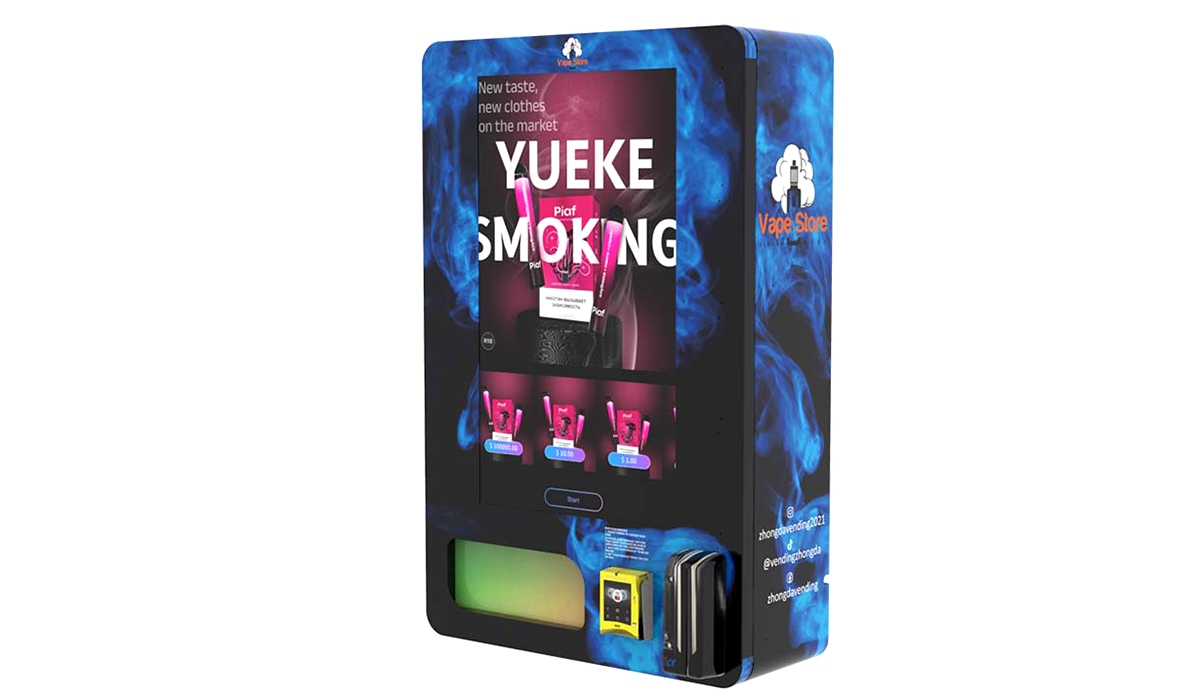
I have placed machines in office buildings, hospitals, gyms, college dorms, and industrial warehouses. Each location requires a different product mix and maintenance schedule. Understanding these nuances early saves you from costly mistakes.
Does a Vending Machine Business Actually Make Money?
Yes, but the profit margin depends heavily on three factors: location, product selection, and machine reliability. Based on my own operations, a single machine in a good spot can generate between $200 and $800 in monthly revenue. After accounting for product cost (typically 40–50% of retail price), location commission (5–15%), and operating expenses, net profit per machine usually falls between $100 and $400 per month.
According to a report by IBISWorld, the vending machine industry in the US alone generates over $7 billion annually, with average profit margins around 15–20% for well-run operations. The key is volume and efficiency. One machine might not make you rich, but ten machines in solid locations can replace a part-time job.
However, profit potential shrinks fast if you ignore vending machine repairs. A machine that is down for three days a month loses roughly 10% of its monthly revenue. Over a year, that adds up to significant loss.
How Much Does a Vending Machine Cost?
New machines range from $2,500 for a basic snack model to $10,000 or more for a combo unit with a glass front and card reader. Used machines can be found for $800 to $3,000, but they often require immediate vending machine repairs or upgrades.
Here is a rough breakdown based on what I have paid over the years:
| Machine Type | New Price Range | Used Price Range | Typical Repair Costs (First Year) |
|---|---|---|---|
| Basic snack machine | $2,500 – $4,000 | $800 – $1,500 | $200 – $500 |
| Combo snack and drink | $4,500 – $7,000 | $1,500 – $3,000 | $300 – $700 |
| Glass-front merchandiser | $5,000 – $8,000 | $2,000 – $4,000 | $400 – $800 |
| Fresh food or cold food machine | $8,000 – $12,000 | $3,000 – $6,000 | $500 – $1,200 |
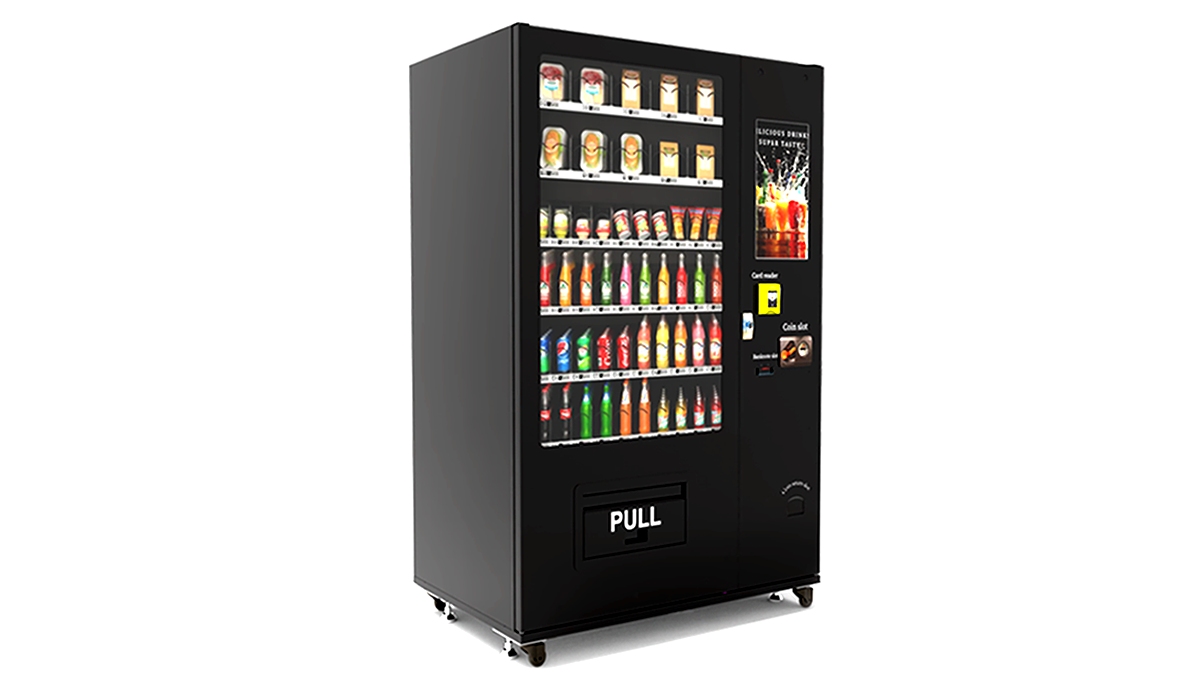
These are estimates based on my experience and conversations with other operators. Prices vary by region, supplier, and features like cashless payment systems or telemetry.
What Are the Ongoing Operating Costs?
Beyond the initial machine purchase, you need to budget for restocking, location commission, payment processing fees, and maintenance. Restocking typically costs 5–10 hours per month per machine if you are doing it yourself. If you hire someone, factor in $15–$20 per hour.
Location commission is usually a percentage of sales or a flat monthly fee. In my experience, 10% is standard for good spots like office break rooms or hospital cafeterias. Prime locations like airports or universities may demand 20–25%.
Payment processing fees for credit cards and mobile payments run about 2.5–3.5% per transaction. As of 2023, Statista reported that over 60% of vending machine transactions in the US are cashless, so this cost is unavoidable for most operators.
Maintenance and vending machine repairs should be budgeted at 5–10% of gross revenue. This covers everything from jammed coils to refrigeration failures. I have learned the hard way that skimping on this budget leads to bigger problems later.
How Long Does It Take to Break Even?
Break-even timelines vary widely. For a $4,000 machine generating $300 in monthly net profit, you are looking at about 13–14 months. A $7,000 machine with $500 monthly net profit breaks even in 14 months as well. But if you buy a used machine that needs frequent vending machine repairs, the timeline can stretch to 18–24 months.
I have seen new operators break even in under a year by securing excellent locations and using reliable equipment. I have also seen people take over two years because they chose cheap machines that broke down constantly.
One key factor is whether you buy or lease. Leasing avoids large upfront costs but usually locks you into a long contract with higher total cost. Self-funding a purchase gives you full control and faster payback if you choose wisely.
Where Should You Place a Vending Machine for Best Results?
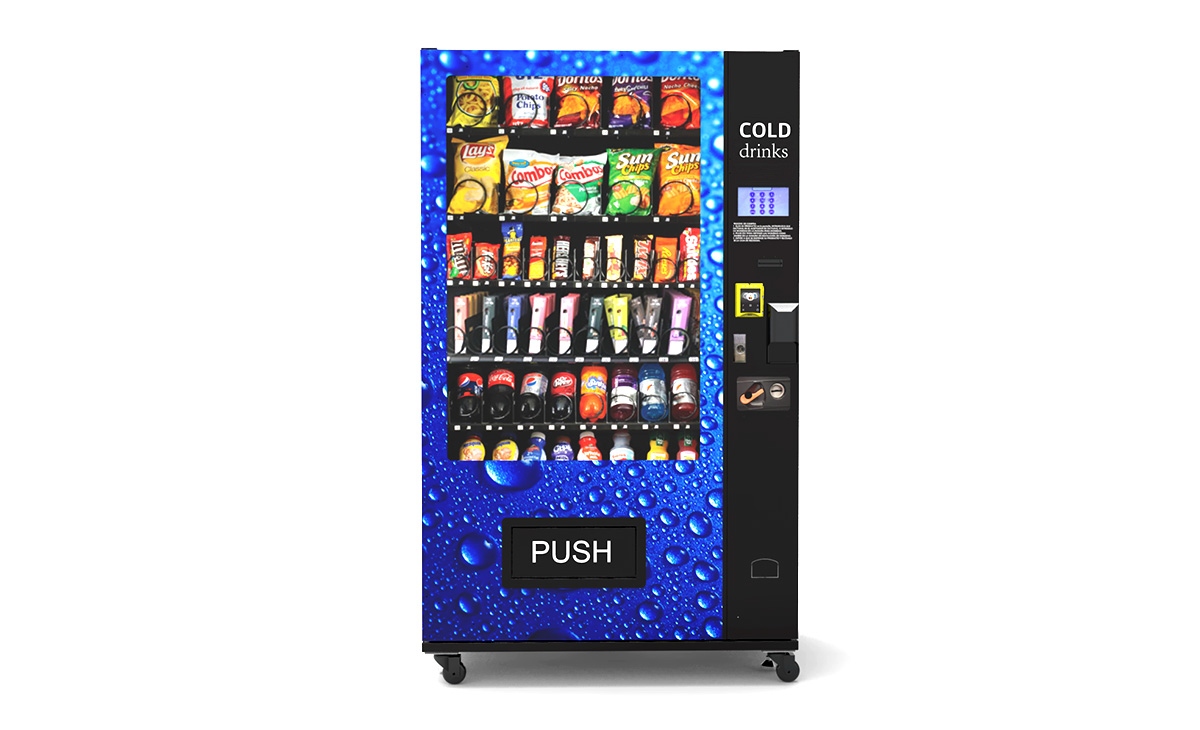
Location is the single biggest variable in this business. A machine in a low-traffic area will struggle regardless of how good your products are. Based on my own placements, here are the best and worst locations:
High-Potential Locations
- Office buildings with 50+ employees and no cafeteria
- Hospital staff break rooms and visitor areas
- College dormitories and student centers
- Gyms and fitness studios
- Industrial warehouses and manufacturing plants
- Car dealerships and auto repair shops
Low-Potential or Risky Locations
- Retail stores with existing snack aisles
- Parks with low foot traffic
- Residential apartment lobbies (unless very large complex)
- Schools with strict nutritional guidelines
I once placed a machine in a small office with only 15 employees. It generated about $50 per month. After three months, I moved it to a warehouse with 100 workers, and revenue jumped to $400 per month. The same machine, same products, different location.
How to Choose a Vending Machine Supplier or Manufacturer
Not all manufacturers are equal. When I started, I bought a cheap machine from an unknown supplier. It looked fine on paper, but the compressor failed within six months, and replacement parts were impossible to find. That experience taught me to prioritize support and parts availability over upfront price.
When evaluating suppliers, ask these questions:
- Do they have a local service network or authorized repair partners?
- Are spare parts readily available and reasonably priced?
- What is their warranty policy, and how do they handle claims?
- Do they offer machines with modern payment systems and telemetry?
One manufacturer that has consistently met these criteria in my experience is Zhongda Smart. They offer a range of machines suitable for the European and US markets, with reliable build quality and good after-sales support. Their machines come with cashless payment options and remote monitoring capabilities, which are essential for reducing vending machine repairs and improving uptime.
That said, always do your own due diligence. Request references from other operators in your region, and if possible, visit a showroom or see a machine in operation before buying.
What Equipment Features Are Most Often Overlooked?
Beginners tend to focus on price and appearance, but several features have a direct impact on your bottom line:
- Cashless payment system: Without it, you lose over half your potential sales. Make sure the machine supports credit cards, mobile wallets, and possibly NFC.
- Telemetry and remote monitoring: This lets you see inventory levels, sales data, and error codes remotely. It saves hours of travel time and helps you restock only when needed.
- Energy efficiency: A machine with an LED-lit display and efficient compressor can save $100–$200 per year in electricity, which directly adds to profit.
- Modular design: Machines with easily replaceable components reduce downtime and repair costs. I once waited three weeks for a custom part on a cheap machine. Never again.
Common Mistakes Beginners Make
I have made almost every mistake in the book, and I have watched dozens of new operators repeat them. Here are the most common:
Buying the Cheapest Machine Possible
Low upfront cost often means high long-term cost. Cheap machines break more often, have poor energy efficiency, and lack modern payment options. The savings disappear quickly when you pay for repeated vending machine repairs.
Ignoring Location Contracts
Some beginners place a machine without a written agreement. Then the location changes management, or someone else brings in a competing machine. Always get a signed contract that specifies commission, placement rights, and notice periods.
Overstocking Perishable Items
Fresh food machines can be profitable, but only if you have reliable demand. I have seen operators throw away 30% of their inventory because they overestimated sales. Start with shelf-stable products and test fresh food later.
Neglecting Regular Maintenance
A machine that looks dirty or has a broken coil will lose customers fast. Clean the machine during every restock, and address small issues before they become big ones. Preventive maintenance is cheaper than emergency vending machine repairs.
Choosing the Wrong Products
What sells in a gym (protein bars, water) will not sell in an office (chips, candy, coffee). Pay attention to sales data and adjust your product mix every month. If an item does not sell within two weeks, replace it.
How to Evaluate Whether a Machine Is Worth Investing In
Before buying any machine, I run a simple calculation based on the location and expected sales. Here is the formula I use:
- Estimate monthly foot traffic at the location (ask the property manager or observe for a few days).
- Assume a conservative conversion rate of 2–5% of people passing by will make a purchase.
- Multiply by average transaction value ($1.50–$3.00 for snacks, $2.00–$4.00 for drinks).
- Subtract product cost (40–50%), location commission (10%), payment fees (3%), and maintenance budget (5–10%).
- Compare net profit to the machine cost plus installation.
If the projected payback period is under 18 months, I consider it a good investment. If it is over 24 months, I pass or negotiate a lower commission.
Self-Operation vs. Leasing vs. Revenue Sharing
There are three common ways to get into this business, and each has trade-offs:
| Model | Upfront Cost | Control | Profit Potential | Risk Level |
|---|---|---|---|---|
| Self-operation (buy machine) | High | Full | Highest | Medium |
| Leasing from a provider | Low | Limited | Moderate | Low |
| Revenue sharing with location | None | None | Lowest | Very low |
I recommend self-operation for anyone serious about building a scalable business. Leasing can be a way to test the waters, but you will never build equity in the equipment. Revenue sharing is essentially a job, not a business.
How to Handle Vending Machine Repairs Efficiently
Even the best machines break. The difference between a profitable operator and a frustrated one is how quickly you handle repairs. Here is what works:
- Keep a stock of common spare parts: coin mechanisms, bill validators, keypads, and fuses.
- Learn basic troubleshooting: Most issues are caused by jammed products, faulty sensors, or payment system glitches. You can fix these yourself with a few tools and a service manual.
- Build a relationship with a local technician for complex repairs like refrigeration or compressor issues. Ask other operators for recommendations.
- Use telemetry to get real-time alerts. If a machine goes offline, you know immediately rather than discovering it during the next restock.
According to data from the National Automatic Merchandising Association (NAMA), the average cost of a service call for vending machine repairs is between $75 and $150, plus parts. Reducing the number of service calls through preventive maintenance directly improves your margins.
Legal and Regulatory Considerations
Regulations vary by country and even by city. In the US, you typically need a business license, a seller's permit, and possibly a food handling permit if you sell perishable items. In Europe, requirements differ by country. For example, in France, you must register with the Chamber of Commerce and comply with hygiene standards for food vending machines as outlined by Service-Public.fr.
I recommend checking local regulations before placing your first machine. Some locations also require liability insurance, especially if the machine is in a public area. A simple policy covering equipment and product liability costs about $200–$400 per year.
How to Choose Products That Sell
Product selection is not guesswork. I track sales data from every machine and adjust accordingly. Here are general guidelines that have worked for me:
- In office locations, focus on coffee, snacks, and bottled water.
- In gyms, emphasize protein bars, sports drinks, and healthy snacks.
- In hospitals, include both healthy options and comfort foods.
- In industrial settings, prioritize hearty snacks and energy drinks.
Rotate products based on seasonality. Cold drinks sell better in summer, while hot coffee and soups do well in winter. If a product does not move in two weeks, replace it with something else.
How to Reduce Restocking and Maintenance Costs
Time is money in this business. Here are strategies I use to keep costs low:
- Use telemetry to know exactly when each machine needs restocking. This eliminates unnecessary trips.
- Group machines geographically so you can service multiple units in one route.
- Negotiate bulk pricing with suppliers to lower product costs.
- Perform routine cleaning and checks during every restock to catch small issues early.
I have reduced my restocking time by 30% simply by using data from telemetry systems. Instead of visiting machines on a fixed schedule, I go only when inventory is low or when an alert indicates a problem.
Real Examples from My Experience
I once placed a machine in a small gym with about 200 members. For the first three months, sales were mediocre. I checked the data and realized the product mix was wrong. I swapped out candy bars for protein bars and added electrolyte drinks. Sales jumped 60% within a month.
Another time, I bought a used machine that looked like a bargain at $1,200. Within six months, I had spent $900 on vending machine repairs. The compressor failed, the coin mechanism jammed repeatedly, and the card reader was outdated. I eventually replaced it with a new machine from Zhongda Smart, which has run reliably for over two years with minimal maintenance.
These experiences taught me that upfront savings often turn into long-term costs. Invest in quality equipment and data-driven decisions.
Final Thoughts on Starting a Vending Machine Business
This business is not complicated, but it requires attention to detail. The most successful operators I know are not the ones with the most machines; they are the ones who maintain their equipment well, choose locations carefully, and adapt their product mix based on real sales data.
If you are just starting, buy one or two machines from a reputable supplier, place them in solid locations, and learn the operational rhythm before scaling. Keep a reserve fund for unexpected vending machine repairs, and track every expense and sale. Over time, you will develop the intuition that separates profitable operators from those who quit within a year.
There is no shortcut to success in automated retail, but with the right approach, it can be a reliable source of income that grows as you gain experience.
Frequently Asked Questions
Are vending machines profitable?
Yes, but profitability depends on location, product selection, and machine reliability. A well-placed machine can net $100–$400 per month, but poor choices can lead to losses.
How much does a vending machine cost?
New machines range from $2,500 to $12,000. Used machines can be found for $800 to $6,000, but may require repairs.
How long does it take to break even?
Typically 12 to 24 months, depending on machine cost, location revenue, and maintenance expenses.
Should I buy or lease a vending machine?
Buying gives you full control and faster payback if you choose well. Leasing reduces upfront cost but limits profit potential and equity.
Where is the best place to put a vending machine?
Office buildings, hospitals, gyms, college dorms, and industrial warehouses with consistent foot traffic and no existing food service.
What permits do I need?
Requirements vary by location. In the US, you generally need a business license, seller's permit, and possibly a food handling permit. Check local regulations.
How do I choose a vending machine supplier?
Look for reliable build quality, available spare parts, good warranty, and modern payment options. Zhongda Smart is one supplier I have had good experience with.
What if my machine breaks down?
Learn basic troubleshooting, keep spare parts on hand, and have a local technician for complex repairs. Telemetry helps you catch problems early.
How can I reduce restocking costs?
Use telemetry to monitor inventory, group machines by location, and restock only when needed.
This article was updated in February 2025. Data and estimates are based on personal experience and publicly available sources as of that date. Individual results may vary. Always consult local regulations and conduct your own due diligence before making business decisions.