Houston Vending Machines For Sale Business Guide_ How It Works, Profit & Maintenance Explained
If you are looking into Houston vending machines for sale and wondering whether this business is actually worth your time and money, here is the short answer: yes, but only if you treat it like a real business, not a passive income fantasy. I have been operating vending routes across the U.S. for over a decade, and I have seen people lose thousands by buying the wrong equipment or placing machines in dead locations. The reality is that a well-placed machine in Houston can generate between $400 and $1,200 per month in revenue, but the difference between profit and loss comes down to site selection, equipment choice, and maintenance discipline. This guide walks you through exactly how the business works, what it costs, and what you need to know before buying your first machine.
How the Vending Machine Business Actually Works
At its core, the vending machine business is simple: you buy a machine, stock it with products, place it in a location with foot traffic, and collect the cash. But the simplicity stops there. The operational reality involves sourcing equipment, negotiating placement agreements, managing inventory, handling machine repairs, and dealing with payment system issues. Most people underestimate the amount of time and logistics involved.
In Houston specifically, the market is competitive but still accessible. You are dealing with a large, spread-out city where industrial areas, medical centers, and office parks offer solid opportunities. Unlike dense urban markets like New York or Chicago, Houston requires more driving between locations, which means fuel costs and route planning become real factors in your bottom line.
Your typical day as an operator involves checking machines, restocking products, collecting cash and card data, cleaning the machines, and addressing any technical issues. If you run more than ten machines, you will likely need a dedicated day each week just for maintenance and restocking. The business is not passive, but it can be profitable if you are organized.
Is the Vending Machine Business Profitable?
Profitability depends on three main variables: location, product margins, and operational efficiency. Based on my experience running routes in Texas and Louisiana, a single machine in a good location can net between $200 and $600 per month after all costs. That might not sound like much, but when you scale to ten or twenty machines, the numbers become meaningful.
Let me give you a realistic breakdown based on actual numbers I have seen across multiple routes. These are estimates drawn from my own operations and from discussions with other operators at industry events like the NAMA Show.
| Location Type | Avg Monthly Revenue | Avg Monthly Profit | Restock Frequency |
|---|---|---|---|
| Office building (100+ employees) | $800 – $1,200 | $400 – $600 | Weekly |
| Industrial warehouse | $500 – $800 | $250 – $400 | Every 10 days |
| Medical clinic | $400 – $700 | $200 – $350 | Bi-weekly |
| Retail store front | $300 – $500 | $150 – $250 | Weekly |
| Apartment complex | $200 – $400 | $100 – $200 | Every 2 weeks |
These numbers assume you are paying a commission of 10% to 20% to the location owner, which is standard in Houston. If you skip the commission, you might not get the placement at all, especially in high-traffic spots. According to data from IBISWorld, the vending machine industry in the U.S. has an average profit margin of around 12% to 15% after all operating expenses, but that figure varies widely by operator efficiency (IBISWorld Vending Machine Operators Report).
What Does a Vending Machine Cost?
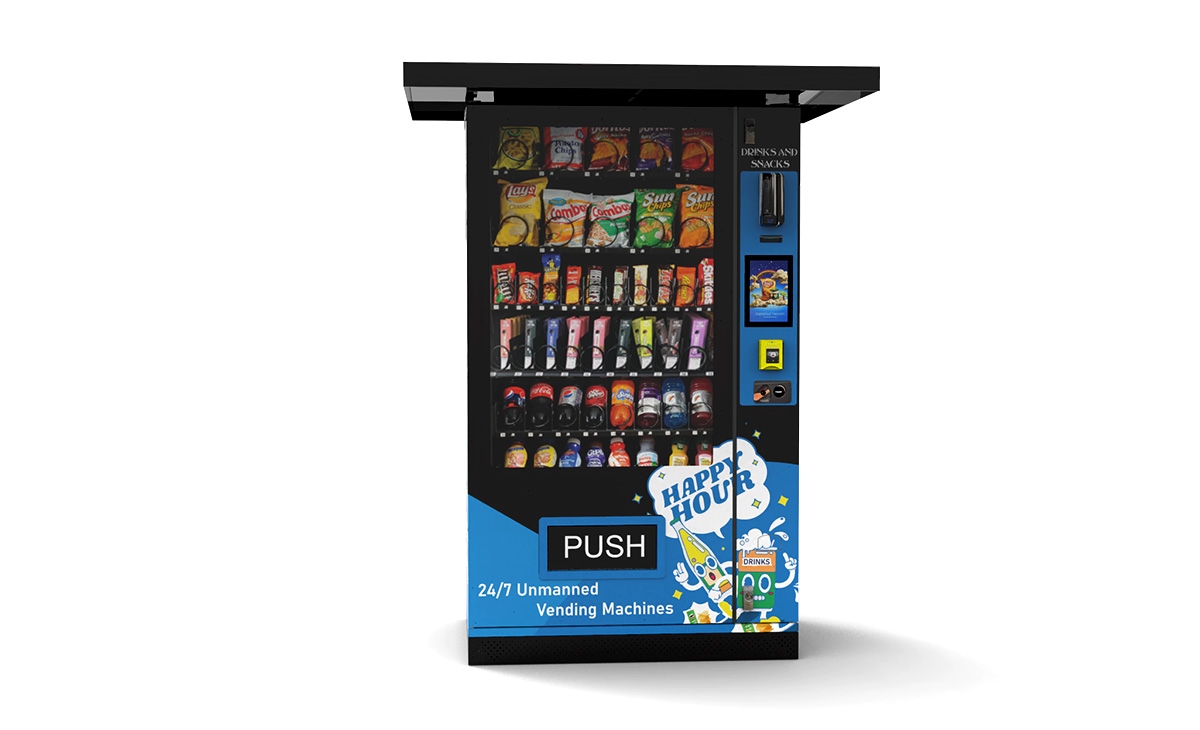
The cost of a vending machine ranges from around $2,000 for a used basic model to over $10,000 for a new machine with a touchscreen, cashless payment system, and remote monitoring. I have bought machines at both ends of the spectrum, and I can tell you that the upfront price is not the only thing you should look at.
A cheap used machine might seem like a good deal, but if it breaks down twice in the first three months, you will spend more on vending machine repair than you would have on a new machine. I have seen operators buy a $1,800 used snack machine only to pay $600 in repairs within the first year. That machine is now sitting in a storage unit because the location complained about downtime.
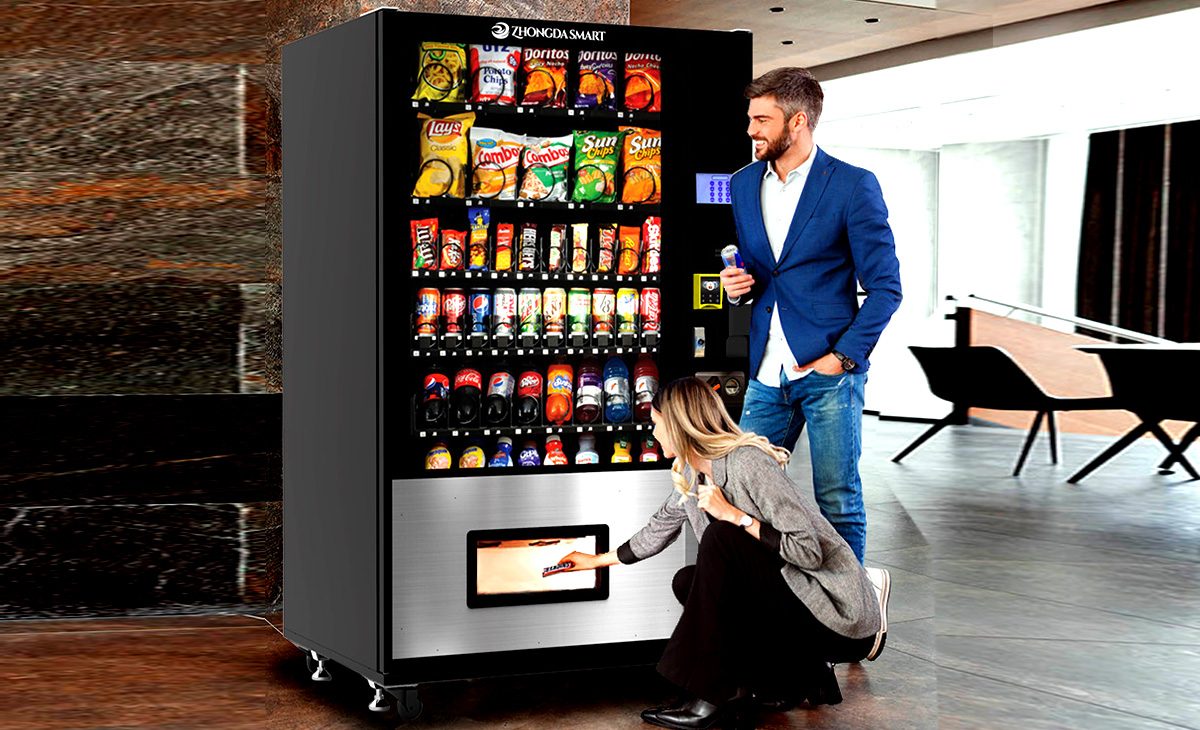
New machines from reputable manufacturers typically cost between $4,000 and $8,000 for a combo snack and drink unit. If you want a machine with a modern payment system, LED lighting, and remote telemetry, expect to pay closer to $7,000 to $10,000. One manufacturer I have worked with consistently is Zhongda Smart, which produces reliable machines with good payment integration and solid build quality. Their equipment is used by several operators I know in the southern U.S., and the feedback has been positive regarding durability and ease of maintenance.
Key Factors in Choosing a Vending Machine Supplier
When you search for Houston vending machines for sale, you will find dozens of suppliers. Some are local dealers, some are online marketplaces, and some are manufacturers selling direct. Here is what I look for when evaluating a supplier:
- Warranty and support: A minimum one-year warranty on parts and labor is standard. Avoid suppliers who offer only 90 days.
- Payment system compatibility: Make sure the machine supports both cash and cashless payments. In 2025, if your machine only takes cash, you are losing at least 40% of potential sales.
- Remote monitoring capability: Machines with telemetry allow you to check inventory and sales from your phone. This saves hours of driving to empty machines.
- Parts availability: Ask if replacement parts are stocked in the U.S. or if you have to wait for international shipping. Downtime kills profits.
- Refurbishment quality: If buying used, ask about the refurbishment process. A properly refurbished machine can be a great value, but a poorly refurbished one is a headache.
I recommend visiting a supplier's warehouse if possible. Look at how they store machines, how clean the equipment is, and whether they have a service department. A supplier that also offers vending machine repair services is usually more reliable because they understand the equipment deeply.
Where to Place Vending Machines in Houston
Location is the single most important factor in vending machine profitability. I have seen a $5,000 machine in a bad location generate $100 a month, and a $3,000 used machine in a great location generate $1,000 a month. The machine itself is only half the equation.
In Houston, the best locations I have found are:
- Industrial warehouses with 50 or more employees, especially those without an on-site cafeteria
- Medical office buildings and clinics where staff and patients need quick snacks and drinks
- Office parks with multiple tenants and limited food options nearby
- Auto repair shops and car dealerships where customers wait for service
- Apartment complexes with a central laundry or common area
One mistake I made early on was placing a machine in a retail store with low foot traffic. The store owner promised high customer volume, but the reality was that people came in for one specific item and left. My machine sat there barely breaking $150 a month. I moved it to a warehouse with 80 employees, and within two months, revenue tripled.
Always visit a potential location at different times of the day. Talk to employees, not just the owner. Ask about shift schedules, break times, and whether there are other food options nearby. A location that looks good on paper can be a dud if the employees bring their own lunch or if there is a cafeteria across the street.
Operating Costs You Should Plan For
Beyond the machine cost, you have ongoing expenses that eat into your margin. Here is what I budget for each machine per month:
- Product cost: Typically 40% to 50% of revenue, depending on what you stock
- Location commission: 10% to 20% of gross revenue
- Payment processing fees: 2% to 4% of card transactions, which now make up 60% to 70% of sales
- Fuel and vehicle costs: $30 to $80 per month per machine, depending on route density
- Machine maintenance and repair: $20 to $50 per month on average, but higher in the first year if buying used
- Insurance: About $200 to $400 per year for a small route
If you add all that up, your net profit per machine is usually between 20% and 35% of gross revenue. That means if a machine does $800 a month, you might take home $200 to $280. Scale that across ten machines, and you are looking at $2,000 to $2,800 per month in profit. Not bad for a side business, but not a full-time income unless you have 30 or more machines.
Maintenance and Repair: What to Expect
Vending machine repair is something every operator has to deal with. The most common issues I have encountered include jammed coin mechanisms, faulty card readers, refrigeration failures, and door switch problems. If you are not handy with tools, you will need a reliable technician. In Houston, I have used local repair services that charge between $75 and $150 per visit, plus parts.
Some problems you can fix yourself. For example, a jammed product in a spiral is usually a simple fix. But refrigeration issues require a certified technician. I recommend building a relationship with a vending machine repair company before you even buy your first machine. Ask them about common problems with the brands you are considering.
Remote monitoring has been a game changer for maintenance. Machines with telemetry alert you when a product is sold out or when a component fails. This means you only drive to a machine when it actually needs attention, not on a fixed schedule. According to a report from the National Automatic Merchandising Association (NAMA), operators who use telemetry reduce service visits by up to 30% (NAMA Industry Resources).
One thing that often gets overlooked is cleaning. A dirty machine looks unprofessional and can discourage sales. I clean the exterior of my machines every time I restock, and I do a deep clean every three months. It takes 15 minutes but makes a noticeable difference in customer perception.
Common Mistakes New Operators Make
I have made most of these mistakes myself, so I can tell you what to avoid:
- Buying the cheapest machine: Low-cost machines often have poor refrigeration, flimsy cabinets, and outdated payment systems. You will spend more on repairs than you saved on the purchase.
- Ignoring cashless payments: In 2025, most people do not carry cash. If your machine only takes coins and bills, you are excluding a huge portion of potential buyers.
- Overstocking slow-moving items: I used to fill every spiral because I thought variety was always better. But some products just sit there and expire. Track your sales data and adjust your product mix accordingly.
- Not negotiating location terms: Some location owners will ask for 30% commission. That is too high unless the location has exceptional traffic. I usually start at 10% and go up to 20% only if the location proves itself.
- Scaling too fast: I see people buy ten machines at once without having a single one running smoothly. Start with one or two machines, learn the operational rhythm, and then scale.
How to Evaluate a Machine Before Buying
Whether you are looking at used or new equipment, here is my checklist for evaluating a machine:
- Check the refrigeration unit. Does it cool evenly? Is the compressor noisy?
- Test the payment system. Does it accept bills and coins smoothly? Does the card reader connect quickly?
- Inspect the cabinet for rust or dents. Rust can worsen over time, especially in Houston's humid climate.
- Open and close the door multiple times. The door switch is a common failure point.
- Ask about the control board. Older boards are harder to repair and may not support modern payment systems.
- If the machine has a touchscreen, test the responsiveness. A slow screen frustrates customers.
If you are buying from a supplier like Zhongda Smart, ask for a demonstration. Most reputable suppliers will let you see the machine running before you pay. If a supplier hesitates to show you a working unit, walk away.
Business Models: Buy, Lease, or Revenue Share
There are three main ways to enter the vending business:
- Buy outright: You purchase the machine, stock it, and keep all revenue minus location commission. This gives you the highest profit potential but also the highest risk.
- Lease a machine: Some suppliers offer lease-to-own programs. You pay a monthly fee and eventually own the machine. This lowers upfront cost but increases total cost over time.
- Revenue sharing: You place a machine owned by someone else and split the revenue. This is common for operators who have locations but no capital. The split is usually 50/50 or 60/40 in favor of the machine owner.
In my experience, buying outright is the best approach if you have the capital and are committed to the business. Leasing makes sense if you want to test the waters without a large upfront investment. Revenue sharing is a last resort, because you have less control over machine placement and maintenance timing.
Regulations and Permits in Houston
Houston does not have a city-wide vending machine permit requirement, but you do need to comply with Texas state sales tax regulations. You must register with the Texas Comptroller and collect sales tax on all sales. The current state sales tax rate is 6.25%, and Houston adds an additional 2% local tax, making the total 8.25%.
You also need to follow food safety guidelines if you sell perishable items. The Texas Department of State Health Services provides guidelines for vending machines that sell food products. For non-perishable snacks and drinks, the requirements are minimal, but you should still keep your machines clean and properly maintained.
According to the U.S. Bureau of Labor Statistics, the vending machine operator occupation is projected to grow by about 4% over the next decade, which is slower than average but still stable (BLS Vending Machine Servicers and Repairers). This means there is steady demand, but competition will remain moderate.
Should You Start a Vending Machine Business in Houston?
If you are willing to put in the time to find good locations, maintain your equipment, and manage your inventory, then yes, it can be a solid business. It is not a get-rich-quick scheme, but it is a business that rewards discipline and consistency. I have seen operators build profitable routes over two to three years and eventually sell them for a good multiple of annual profit.
If you are looking for Houston vending machines for sale, take your time to research suppliers, visit their facilities, and ask the right questions. The upfront work you do before buying your first machine will save you months of frustration later.
Frequently Asked Questions
Are vending machines profitable in Houston?
Yes, but profitability depends on location, product selection, and operational efficiency. A well-placed machine can earn $400 to $1,200 per month in revenue, with net profit typically between $200 and $600 after costs.
How much does a vending machine cost?
A used machine costs between $2,000 and $4,000. A new machine with modern features costs between $4,000 and $10,000. Prices vary based on brand, condition, and features.
How long does it take to recoup the investment?
For a new machine in a good location, the payback period is usually 12 to 24 months. For a used machine, it can be 6 to 12 months if the location performs well.
Should I buy or lease a vending machine?
Buying gives you higher profit potential. Leasing reduces upfront cost but increases total cost over time. Buy if you have capital, lease if you want to test the business with minimal risk.
Where should I place my vending machines in Houston?
Industrial warehouses, medical offices, office parks, auto repair shops, and apartment complexes are the most reliable locations in Houston. Avoid low-traffic retail stores and locations without a steady employee base.
What permits do I need in Texas?
You need to register with the Texas Comptroller for sales tax collection. Houston does not require a specific vending machine permit, but you must comply with state food safety guidelines if selling perishables.
How do I choose a vending machine supplier?
Look for a supplier with a solid warranty, cashless payment support, remote monitoring options, and good parts availability. Visit the supplier if possible and ask for a demonstration.
What happens if my machine breaks down?
You either fix it yourself or call a vending machine repair technician. Having a reliable repair contact before you buy is essential. Machines with remote monitoring help reduce downtime.
How can I reduce maintenance costs?
Buy machines with telemetry, clean them regularly, and stock products that sell quickly. Avoid overstocking slow items that expire. Build a relationship with a local repair service for discounted rates.
Can I run a vending machine business part-time?
Yes, especially if you have fewer than ten machines. Plan one day per week for restocking and maintenance. As you grow, you may need to hire help or commit more time.
Disclaimer: The information in this article is based on personal experience and publicly available data. Revenue and profit figures are estimates and will vary based on location, product pricing, operational efficiency, and market conditions. This content does not constitute financial or legal advice. Always consult a qualified professional before making business decisions.
This article was updated in March 2025.