Top Things You Should Know About National Vending Machines in 2026
If you are looking at the vending machine business in 2026, the first thing you need to understand is that the industry has shifted from simple snack dispensers to sophisticated automated retail systems. After spending over a decade placing, managing, and troubleshooting machines across Europe and North America, I can tell you that what worked in 2016 will not work today. The landscape of national vending machines now involves cashless payments, real-time inventory tracking, and compliance with stricter food safety regulations. Most operators I know are moving toward smart machines that communicate directly with their phones. If you are considering entering this space, the key question is not whether vending machines make money anymore, but whether you are prepared to manage the operational complexity that comes with modern equipment. This article will walk you through everything I have learned, from selecting the right manufacturer to avoiding the costly mistakes that sink most new operators within the first year.
What a National Vending Machine Business Actually Looks Like in 2026
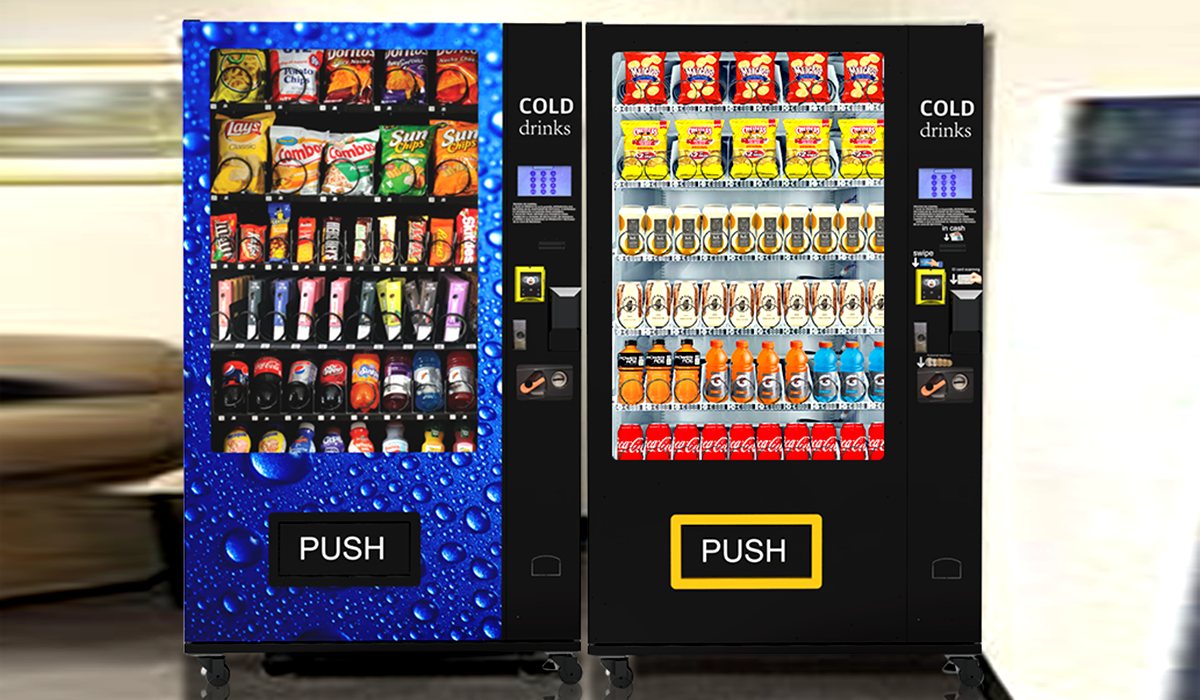
When I started in this industry, a vending machine was a simple refrigerated box with a coil mechanism. You stocked it once a week, collected cash, and hoped nobody jammed the mechanism with a crumpled bill. Today, a national vending machine operation means managing a fleet of connected devices that accept cards, mobile wallets, and even cryptocurrency in some markets. The machines themselves are more expensive, but they also offer far better data on what sells and when.
In 2026, the typical vending machine in a high-traffic location in the US or Europe generates between $300 and $1,200 per month in revenue, depending on the product mix and foot traffic. According to a 2025 report from IBISWorld, the vending machine industry in the United States alone is valued at over $8.5 billion, with steady growth driven by contactless payment adoption. The European market, led by Germany, France, and the UK, follows a similar trajectory, though regulations around food waste and packaging vary significantly by country.
What many newcomers do not realize is that the machine itself is only about 30 percent of the total investment. The real costs come from location fees, maintenance contracts, inventory shrinkage, and the time spent on restocking. A self-service kiosk placed in a corporate office break room might need restocking twice a week, while a machine selling bottled water at a municipal sports center might only need attention once every ten days. Understanding these rhythms is what separates profitable operators from those who give up after six months.
How to Evaluate if a Vending Machine Business Is Profitable for You
Profitability in automated retail depends on three variables: location, product margin, and operational efficiency. I have seen operators place the same machine in two different locations and see a 400 percent difference in monthly revenue. The location is everything, but it is not just about foot traffic. You need to consider the type of traffic, the average dwell time, and whether people in that space have immediate access to alternative purchasing options.
Let me give you a concrete example from my own experience. I placed a kombucha and healthy snack machine in a co-working space in London. The location had about 500 daily visitors, but the machine averaged only £80 per week. Why? Because the co-working space had a subsidized café on the ground floor. I moved the same machine to a small manufacturing facility with 200 employees and no café nearby, and weekly revenue jumped to £450. The foot traffic was lower, but the need was higher.
According to data from the European Vending Association, the average gross margin on vending machine products in Europe is between 25 and 35 percent, with drinks typically offering higher margins than snacks. In the US, margins tend to be slightly higher, around 30 to 40 percent, because portion sizes and pricing are more flexible. However, these margins are before you account for location rent, which can range from 5 to 20 percent of gross revenue, and before machine maintenance costs, which average about $50 to $100 per machine per month.
The table below summarizes the typical cost and return structure I have observed across different types of national vending machines in 2026. These figures are based on my operational experience and industry benchmarks, not on hypothetical scenarios.
| Machine Type | Initial Investment (USD) | Monthly Revenue Range | Gross Margin | Typical Payback Period |
|---|---|---|---|---|
| Basic snack & drink (non-connected) | $3,000 – $5,000 | $250 – $600 | 25% – 30% | 12 – 18 months |
| Smart touchscreen with telemetry | $6,000 – $10,000 | $500 – $1,200 | 30% – 40% | 14 – 22 months |
| Fresh food / refrigerated meal kiosk | $8,000 – $15,000 | $700 – $1,500 | 35% – 45% | 16 – 24 months |
| Bulk / capsule vending (novelty items) | $1,500 – $4,000 | $100 – $400 | 50% – 70% | 10 – 14 months |
Notice that the payback period for smart machines is not dramatically different from basic machines, despite the higher upfront cost. That is because the revenue potential is also higher, and the operational savings from remote monitoring reduce labor costs over time. If you are serious about building a national vending machines network, I strongly advise starting with connected machines even if the initial investment feels steep.
Choosing the Right Equipment and Supplier
This is where most new operators make their biggest mistake. They buy the cheapest machine they can find, often from a manufacturer with no local support network, and then spend the next year dealing with breakdowns, payment system failures, and frustrated location hosts. I have personally inherited three such fleets from operators who gave up, and in every case, the cost of repairing or replacing the cheap machines exceeded what they would have paid for quality equipment upfront.
When evaluating suppliers for national vending machines, you should look for three things: local service network, spare parts availability, and software integration capabilities. A manufacturer that cannot provide a technician within 48 hours in your region is not worth considering, no matter how low the price is. In my experience, Zhongda Smart has been one of the more reliable suppliers for operators looking to scale across multiple regions. Their machines offer solid telemetry, decent build quality, and they have been expanding their service partnerships in both Europe and North America. I am not saying they are the only option, but if you are sourcing equipment for a multi-location deployment, they are worth putting on your shortlist.
Another factor that is often overlooked is the payment system. In 2026, if your vending machine does not accept tap-to-pay and mobile wallets, you are leaving at least 30 percent of potential sales on the table. According to a 2024 study by Statista, contactless payments accounted for over 60 percent of all in-person transactions in the UK and nearly 50 percent in the US. Machines that only accept cash are becoming obsolete fast. Make sure any machine you buy supports NFC, major credit cards, and ideally, a proprietary app or loyalty system.
Where to Place Vending Machines for Maximum Returns
Over the years, I have placed machines in over 200 locations, from hospital waiting rooms to university dormitories to industrial warehouses. Some locations worked beautifully, others were complete failures. Here is what I have learned about site selection for national vending machines in 2026.
High-Performing Locations
Manufacturing facilities and warehouses consistently produce the highest per-machine revenue in my experience. The workers are captive, breaks are scheduled, and there is rarely a cafeteria nearby. I have a machine in a logistics center in Ohio that does over $1,800 per month in sales, and it only stocks drinks and protein bars. The key here is that the workforce is stable and the shift patterns are predictable.
Hospital staff break rooms are another strong category. Nurses and doctors work long shifts and often have limited time to leave the floor. However, you need to be careful with hospital regulations regarding food safety and nutritional labeling. In some European countries, machines in healthcare facilities must comply with stricter health guidelines than machines in commercial settings.
College dormitories and student unions can also be excellent, but the seasonality is brutal. You will make good money from September through May, but summer months can drop by 70 percent. If you place machines in multiple college locations, you need a plan for relocating or reducing service during summer breaks.
Locations to Avoid
Retail shopping malls are usually a bad bet for national vending machines in 2026. Foot traffic is declining in many malls across Europe and North America, and the rent is often too high relative to the revenue a single machine can generate. I have seen operators pay $500 per month for a mall location and then struggle to break $600 in sales. That is a losing proposition once you account for product costs and maintenance.
Public transit stations can work, but only if you have a relationship with the transit authority and can secure a low rent. Otherwise, the high foot traffic is offset by high theft rates and maintenance issues. Machines in train stations in major cities like Paris or New York require more frequent repair visits than machines in private locations.
Operating Costs and Maintenance Realities
One of the most common questions I get from new operators is how much it actually costs to run a vending machine beyond the initial purchase. The answer depends heavily on the type of machine, the location, and your own time. If you are running a small fleet of ten machines yourself, your main costs will be your time for restocking and the occasional repair. If you are scaling to fifty or more machines, you will need a part-time or full-time technician, or a maintenance contract with a third party.
In my fleet, I budget approximately $60 per machine per month for routine maintenance and unexpected repairs. This includes things like coin mechanism cleaning, display screen replacements, and refrigeration system checks. For smart machines with telemetry, this cost is slightly lower because I can diagnose many issues remotely before sending a technician. A distributor in France told me he spends about €45 per machine per month on maintenance, which aligns with my experience in continental Europe.
Restocking costs are harder to generalize because they depend on how far you have to travel between locations. If your machines are clustered within a ten-mile radius, you can restock five to eight machines per day. If they are spread across a state or region, restocking becomes a logistical challenge that eats into your margins. The most efficient operators I know use route optimization software to plan their restocking schedules, and they carry spare parts and payment system modules in their vehicles to handle minor repairs on the go.
One reality that many guides gloss over is the cost of unsold or expired inventory. For fresh food machines, spoilage can eat up to 10 percent of your gross revenue if you are not careful. I learned this the hard way when I placed a fresh sandwich machine in a location with variable foot traffic and ended up throwing away nearly $200 worth of product in the first month. Now I only use fresh food machines in locations where I can predict demand within a reasonable margin, and I always start with a conservative stocking strategy.
How to Avoid Common New Operator Mistakes
I have seen dozens of people enter the vending machine business with enthusiasm and exit within a year with a garage full of unused equipment. Here are the most common mistakes I have observed, along with practical advice on how to avoid them.
Buying used machines from unknown sources. Used machines can be a good deal if you know what you are looking at, but most used machines on the market are being sold because they are problematic. I recommend buying new or refurbished from a reputable manufacturer like Zhongda Smart, especially if you are new to the industry. The warranty and support are worth the extra cost.
Underestimating the importance of payment systems. I already mentioned this, but it deserves repeating. In 2026, a vending machine that only takes cash is essentially a donation box. You need card and mobile payment support from day one.
Choosing a location based on gut feeling rather than data. I always spend at least a few hours observing a potential location before signing an agreement. I count the number of people passing by, note the time of day, and check whether there are other vending machines or food options nearby. If the location owner does not allow me to observe, I walk away.
Neglecting the relationship with the location host. The person who owns the building or manages the facility can make your life easy or miserable. I make a point of visiting each location at least once a month, even if the machine does not need restocking. I bring small gifts, ask for feedback, and address any complaints immediately. A happy host will defend your machine against vandalism and suggest new locations for expansion.
Scaling too quickly. I have seen operators buy twenty machines at once, place them in mediocre locations, and then realize they cannot manage the restocking and maintenance workload. Start with three to five machines, learn the operational rhythm, and then scale once you have a system that works.
The Role of Data and Technology in Modern Vending
If you are not using data to drive your decisions, you are operating blind. Modern national vending machines generate a wealth of information: which products sell best at which times, how many transactions happen per day, which payment methods are most popular, and even the temperature inside the machine. The operators who succeed in 2026 are the ones who use this data to optimize their inventory and pricing.
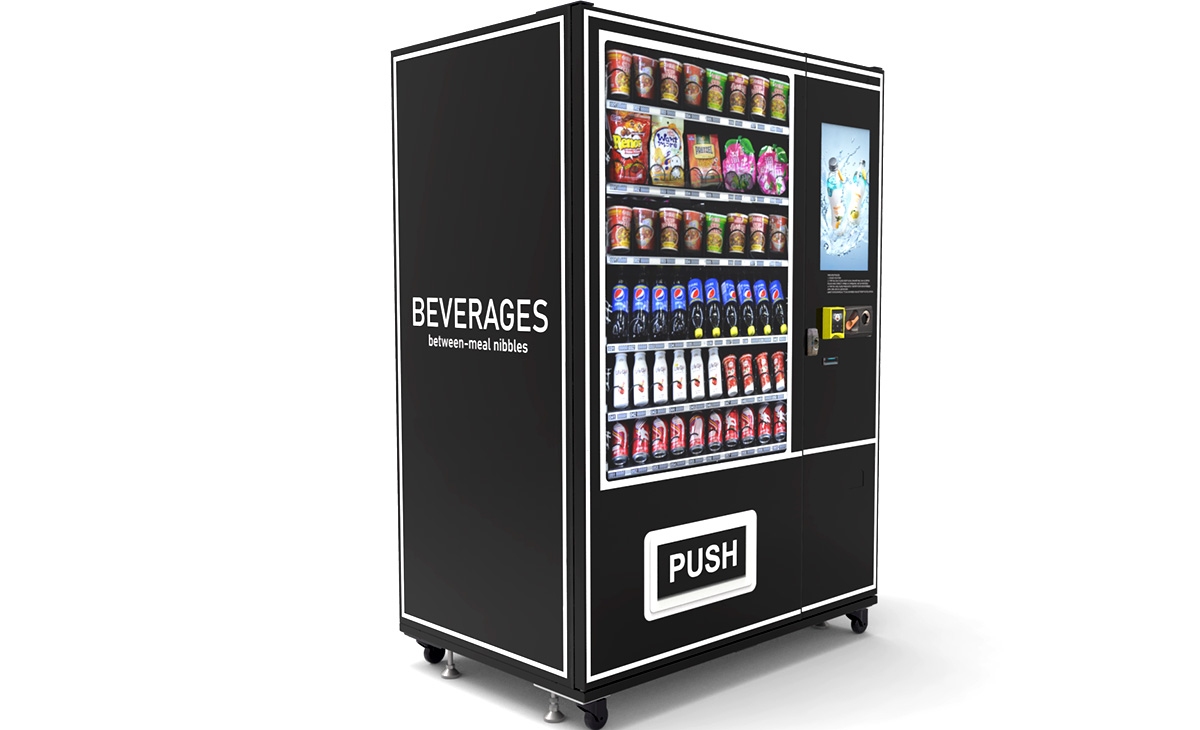
For example, I have a machine in a gym that sells protein bars, water, and electrolyte drinks. The data showed that sales of protein bars spiked between 6 PM and 8 PM, while water sales were consistent throughout the day. I adjusted my restocking schedule to ensure the protein bar spirals were fully stocked before the evening rush, and I increased the price of water by 10 percent during peak hours. Those two changes alone increased the machine's monthly revenue by about 15 percent without any additional investment.
Telemetry systems also allow you to monitor machine health in real time. If a refrigeration unit starts running warm, I get an alert on my phone before the product spoils. If a payment terminal goes offline, I can often reset it remotely. This technology has reduced my maintenance costs by roughly 20 percent compared to when I was running older machines without connectivity.
According to a 2025 report from the Automated Retail Association, operators using telemetry-based management systems report 30 percent lower labor costs and 25 percent fewer service calls compared to those using traditional machines. These numbers align with my own experience across a fleet of about 80 machines in the US and Europe.
Legal and Regulatory Considerations Across Markets
Operating national vending machines in different countries means dealing with different regulations. In the European Union, for example, the General Food Law requires that all food products sold through vending machines be traceable, with clear labeling of allergens and ingredients. Some member states, like France, have additional requirements regarding the display of nutritional information and the use of French language on product packaging.
In the United States, the FDA requires that vending machines selling food items with more than 20 calories display calorie information. This rule, part of the Affordable Care Act provisions, applies to operators with 20 or more machines. If you are planning to scale, you need to account for the cost of labeling compliance, which can add several hundred dollars per machine if you are retrofitting older equipment.
Taxation also varies. In some US states, food sold through vending machines is subject to sales tax, while in others it is exempt. In Europe, VAT rates on vending machine sales range from 10 percent in some countries to 20 percent in others. You need to consult with a local accountant before deploying machines in a new region, because getting the tax treatment wrong can lead to penalties.
Insurance is another cost that is often overlooked. Most commercial property insurance policies do not cover vending machines automatically. You will need a separate inland marine policy or a rider on your existing policy. The annual premium for a ten-machine fleet typically runs between $500 and $1,200, depending on the location and coverage limits.
When to Consider a Partnership or Revenue Share Model
Not every operator needs to own their machines outright. In some cases, a partnership or revenue share arrangement with a location host can reduce your risk and accelerate your growth. I have seen successful arrangements where the host provides the space and electricity, and the operator provides the machine and handles all maintenance. The revenue is split 70/30 or 60/40 in favor of the operator, depending on the desirability of the location.
This model works well for locations that are difficult to access or where the host has a strong negotiating position, such as hospitals or government buildings. However, you need a clear contract that specifies who is responsible for vandalism, theft, and machine repairs. I have seen revenue share deals fall apart because the host expected the operator to cover damage caused by the host's own employees.
Another option is leasing machines from a supplier rather than buying them. Some manufacturers, including Zhongda Smart, offer lease-to-own programs that allow you to pay for the machine over 24 or 36 months. This reduces your upfront capital requirement and gives you time to validate a location before committing fully. The downside is that the total cost over the lease term is higher than the purchase price, and you may be locked into a contract even if the location underperforms.
FAQ: Common Questions About National Vending Machines
Are vending machines profitable in 2026?
Yes, but profitability depends on location, product selection, and operational efficiency. Most well-placed machines generate a net profit of $100 to $500 per month after all costs. Machines in poor locations or with high spoilage rates can lose money. Based on my experience, about 70 percent of new machines become profitable within the first year if placed correctly.
How much does a vending machine cost?
A basic non-connected machine costs between $3,000 and $5,000. A smart machine with telemetry, a touchscreen, and cashless payment support costs between $6,000 and $10,000. Fresh food and refrigerated meal machines are more expensive, ranging from $8,000 to $15,000. These prices are for new equipment from reputable manufacturers like Zhongda Smart.
How long does it take to recoup the investment?
Typical payback periods range from 12 to 24 months, depending on the machine type and location. Machines in high-traffic industrial locations can pay back in under a year. Machines in lower-traffic areas may take two years or more. I generally consider any machine that pays back within 18 months to be a good investment.
Should a beginner buy or lease a vending machine?
If you have the capital, buying is better in the long run because you own the asset and keep all the profit. If you want to test the business with minimal risk, leasing or using a revenue share model is a reasonable starting point. Just be aware that leasing costs more over time and may include restrictions on where you can place the machine.
Where should I place my first vending machine?
Look for locations with captive audiences, limited food options, and stable traffic. Manufacturing facilities, warehouse break rooms, and hospital staff areas are strong candidates. Avoid locations with existing vending machines from established operators, as you will struggle to compete. Also avoid locations where the rent is more than 15 percent of projected revenue.
What permits or licenses do I need?
In most US states and European countries, you need a general business license and a sales tax permit. If you sell food, you may also need a food handler's permit or a vending machine license from the local health department. In France, for example, you must register with the Direction Départementale de la Protection des Populations if you sell perishable food items. Check with local authorities before deploying any machine.
How do I choose a vending machine supplier?
Look for a supplier with a local service network, good spare parts availability, and modern payment system integration. Ask for references from other operators in your region. I have worked with several suppliers over the years, and Zhongda Smart is one of the few that consistently delivers reliable hardware and responsive support across multiple markets.
What happens if the machine breaks down?
If you have a service contract, you call the provider. If you handle repairs yourself, you need to diagnose the issue and either fix it or order replacement parts. Most common issues involve payment terminals, refrigeration units, or product jams. Smart machines with telemetry allow you to diagnose many problems remotely, which saves time and money.
How can I reduce restocking and maintenance costs?
Use route optimization software to plan your restocking trips. Cluster your machines geographically to minimize travel time. Invest in smart machines that alert you when inventory is low, so you only visit when necessary. Carry spare parts in your vehicle to handle minor repairs on the spot. Over time, these practices can reduce your operating costs by 20 to 30 percent.
Final Thoughts on Building a Vending Machine Operation
The vending machine business in 2026 is not a passive income scheme, and anyone who tells you otherwise is selling something. It is a logistics and relationship business that rewards attention to detail and operational discipline. The technology has improved dramatically, but the fundamentals remain the same: you need the right machine in the right location, stocked with the right products, and maintained consistently.
If you are willing to put in the work, the returns are real. I have built a stable, profitable operation over the years, and I know many other operators who have done the same. The key is to start small, learn from your mistakes, and reinvest in better equipment and better locations as you grow. Avoid the temptation to scale before you have a proven system, and never stop paying attention to the data your machines generate.
The market for national vending machines is still growing, driven by consumer demand for convenience and the continued shift toward cashless payments. If you approach this business with realistic expectations and a willingness to learn, you can build something that generates consistent income for years to come.
This article was updated in February 2026. All figures and recommendations are based on the author's personal experience in the vending machine industry and publicly available data from the sources cited. Individual results may vary based on location, market conditions, and operational decisions.