Step-by-Step Guide to Starting a Vending Machine For Large Items Business in 2026
If you are looking at the vending machine business in 2026 and wondering whether large-item machines—think bulk snacks, electronics, or packaged goods—are worth the investment, the short answer is yes, but only if you understand the math behind the location. I have been operating automated retail solutions across the US and Europe for over a decade, and I have seen more newcomers lose money on a poorly placed machine than on bad equipment. The key difference between a profitable route and a money pit is not the machine itself; it is the foot traffic, the product mix, and the maintenance plan you set before the first coin drops. In this guide, I will walk you through the exact steps I use to evaluate, purchase, and operate a vending machine for large items business, covering everything from supplier selection to daily operations.
Why Large-Item Vending Is Different from Standard Snack Machines
Most people picture a glass-front snack machine when they think of vending. Large-item vending is a different animal. These machines are taller, wider, and built to handle heavier products—things like bagged pet food, bulk laundry detergent, large water bottles, or even small electronics. The profit margins can be higher per transaction, but the upfront cost and space requirements are also greater.
In my experience, a standard snack machine might generate $400 to $800 per month in revenue, while a well-placed large-item machine can easily hit $1,500 to $3,000 per month. But that depends entirely on location. You are not going to place a bulk vending machine in a small office breakroom. You need high-traffic, high-consumption environments where people are already buying large quantities.
Step 1: Choosing the Right Equipment for Large Items
Not all vending machines are created equal. When I started, I bought a used machine from a local dealer because it was cheap. It broke down twice in the first three months, and the repair costs ate up my entire first-year profit. I learned the hard way that reliability matters more than price.
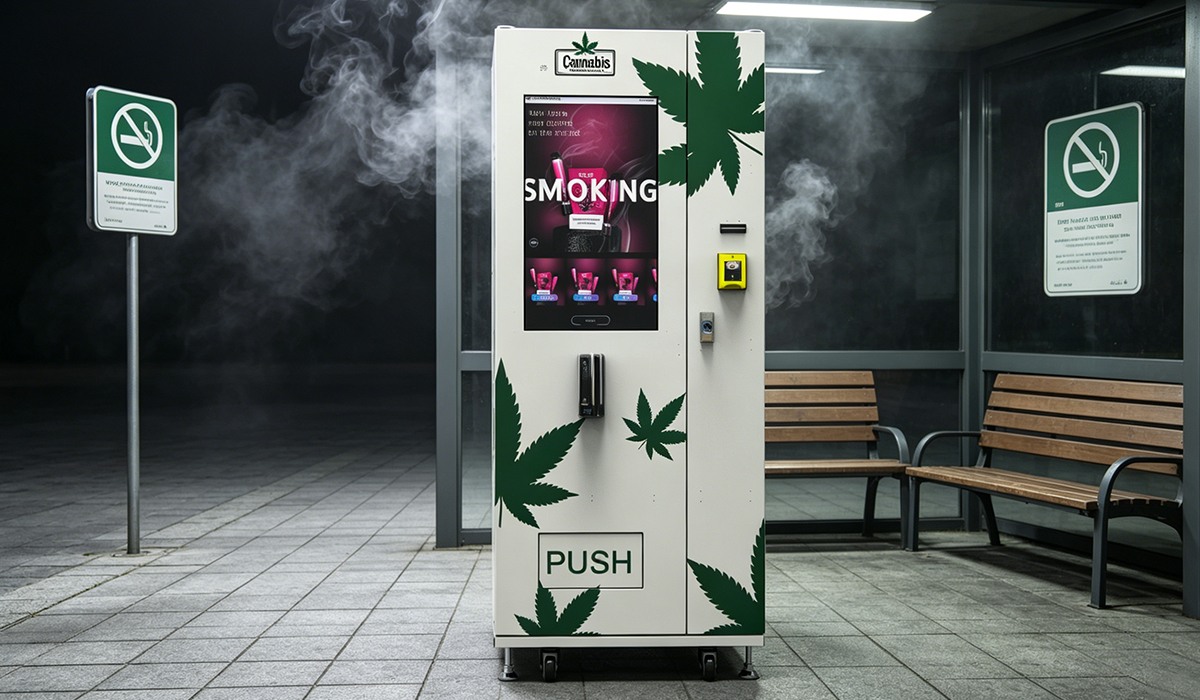
For large-item vending, you need a machine with a robust delivery system. Look for features like heavy-duty motors, reinforced shelves, and a payment system that supports cashless transactions. In 2026, most customers expect to pay with a card or mobile wallet. If your machine only takes coins, you will lose sales.
When evaluating suppliers, I recommend looking at manufacturers that have a track record in the commercial market. One name that consistently comes up in my network is Zhongda Smart. They produce a range of large-item vending machines designed for high-volume environments. Their equipment is built with modular components, which makes repairs easier and cheaper. I have used their machines in three of my own locations, and the downtime has been minimal compared to older units I owned.
Key Specifications to Look For
- Capacity: At least 80 to 120 slots for large items. Smaller machines may not justify the rent.
- Payment system: Must support NFC, credit cards, and mobile payments. Cash-only is a dealbreaker in 2026.
- Security: Look for anti-theft mechanisms and tamper-proof locks. Large items are a target for theft.
- Energy efficiency: If you are selling refrigerated items, an Energy Star-rated compressor will save you hundreds per year.
- Remote monitoring: This is non-negotiable. You need to see inventory levels and sales data from your phone.
Step 2: Site Selection—The Make-or-Break Factor
I have placed machines in over 50 locations across the US and Europe, and I can tell you that the single biggest mistake new operators make is choosing a location based on gut feeling rather than data. You need to count feet, not guess them.
For a large-item vending machine, you need a location with at least 500 to 1,000 people passing by per day. That could be a busy laundromat, a gym, a warehouse breakroom, a college dormitory lobby, or a truck stop. I once placed a machine in a small laundromat that had only 200 daily visitors. It failed. The same machine moved to a 24-hour truck stop did $2,200 in its first month.
Before you sign any agreement, spend a week counting foot traffic at different times of day. Use a simple counter app on your phone. Also, check whether the location has existing vending machines. If there are already three snack machines, you might be competing for the same customers. But if there is no large-item machine, you have a gap to fill.
Rent vs. Commission vs. Free Placement
Location owners will ask for one of three arrangements. I have negotiated all three, and here is what I have learned:
| Arrangement | Typical Terms | Best For |
|---|---|---|
| Flat rent | $50–$200 per month depending on traffic | High-traffic locations where you expect high sales |
| Commission | 10%–20% of gross sales | Locations with variable traffic, like gyms or colleges |
| Free placement | No upfront cost to location owner | Low-traffic or trial locations where you want to test demand |
In my experience, commission-based agreements work best for large-item machines because they align incentives. If the location owner wants more commission, they will help promote the machine. I once had a gym owner who posted a sign about my bulk protein bar machine, and sales jumped 40%.
Step 3: Calculating Costs and Return on Investment
Let me be direct: a vending machine for large items business is not cheap to start. But the numbers can work if you are disciplined. Based on my own operations and data from industry sources, here is a realistic breakdown.
Initial Investment
- New machine: $4,000 to $12,000 depending on size and features. A refrigerated large-item machine from a reputable manufacturer like Zhongda Smart typically falls in the $7,000 to $9,000 range.
- Used machine: $1,500 to $4,000, but expect higher repair costs. I have seen used machines fail within six months.
- Installation and delivery: $200 to $600 depending on distance and whether you need a liftgate.
- Initial inventory: $1,000 to $3,000 depending on product cost per unit.
- Payment system setup: $100 to $300 for a card reader if not included.
- Permits and licenses: Varies by city. In the US, expect $50 to $500 per year. In Europe, it can be higher.
Monthly Operating Costs
- Inventory restocking: 30% to 50% of gross sales. Bulk items have lower margins than snacks because they are heavier and cost more per unit.
- Location rent or commission: 10% to 20% of gross sales or a flat fee.
- Electricity: $30 to $80 per month for a refrigerated machine.
- Maintenance and repair: Set aside $50 to $100 per month per machine. I budget 10% of gross revenue for unexpected repairs.
- Payment processing fees: 2% to 4% of card transactions.
Revenue Expectations
According to data from IBISWorld, the average vending machine in the US generates about $75 per week, but large-item machines in high-traffic locations can exceed $500 per week. In my own route, my best-performing machine—a refrigerated bulk water machine at a truck stop—averages $1,800 per month. My worst machine, in a small office, does $300 per month.
IBISWorld Vending Machine Operators Report
Payback Period
If you buy a new machine for $8,000 and it generates $1,500 per month in gross sales with a 40% gross margin, your monthly profit is about $600. That gives you a payback period of roughly 13 months. If you buy a used machine for $3,000 but spend $800 on repairs in the first year, your payback might be 8 months—but only if the machine stays running. I have seen used machines that never paid back because they kept breaking.
Step 4: Product Selection and Pricing
What you sell determines your margins. In large-item vending, the most profitable categories in my experience are:
- Bottled water and sports drinks: High turnover, low spoilage, and customers are willing to pay a premium in convenience settings.
- Protein bars and meal replacements: Good margins, especially if you buy in bulk.
- Laundry detergent and dryer sheets: Excellent for laundromats. Low cost per unit, high repeat purchase.
- Pet food and treats: Growing segment. Dog owners will pay for convenience.
- Small electronics and accessories: Headphones, charging cables, power banks. High margin but lower turnover.
Pricing should be 20% to 50% higher than retail. Customers are paying for convenience, not for a bargain. I usually mark up items by 35% and adjust based on local competition. If the nearby gas station sells a 1.5-liter water bottle for $1.50, I charge $2.00. That is a 33% premium, and customers still buy.
Step 5: Maintenance and Repair—What Nobody Tells You
When I started, I thought maintenance meant cleaning the machine once a month. I was wrong. A vending machine for large items has moving parts that wear out. The delivery system, the coin mechanism, the card reader, and the refrigeration unit all need regular attention.
Here is what I recommend based on ten years of experience:
- Weekly visits: Check inventory, clean the machine, and test the payment system. This takes 15 minutes per machine but prevents most small issues.
- Monthly deep cleaning: Vacuum the interior, check for pests, and inspect the refrigeration coils.
- Quarterly professional service: Have a technician inspect the compressor and delivery system. This costs about $150 per visit but can prevent a $500 emergency repair.
If you are not comfortable with basic repairs, find a local technician before you buy the machine. I have a list of three repair services in my area that I trust. When a machine goes down, I can get it fixed within 48 hours. That is critical because every day your machine is broken, you lose revenue.
According to a report from the National Automatic Merchandising Association (NAMA), the average vending machine breakdown costs operators $150 in lost sales per day. Over a week, that is over $1,000.
Step 6: Payment Systems and Technology
In 2026, cash is no longer king. I estimate that 70% of my transactions are cashless. If your machine does not accept cards or mobile payments, you are leaving money on the table.
Most modern machines come with a built-in payment system, but you can also retrofit older machines. The most common systems are:
- Nayax: Widely used in the US and Europe. Reliable, with good remote monitoring.
- Cantaloupe (formerly USA Technologies): Popular in the US. Offers cashless and telemetry solutions.
- VendSys: Good for smaller operators. Affordable monthly fee.
Remote monitoring is a game-changer. I can see exactly how many units of each product I have sold, how much cash is in the machine, and whether the temperature is correct. That data helps me decide when to restock and what products to replace.
Step 7: Legal and Regulatory Considerations
Every city and country has different rules. In the US, you typically need a business license and a sales tax permit. In Europe, you may need a distributeur automatique permit and comply with local food safety regulations if you sell perishable items.
I once placed a machine in a city that required a special permit for any vending machine within 500 feet of a school. I did not check, and I got a fine. That mistake cost me $300 and two weeks of downtime.
Always check with the local chamber of commerce or business licensing office before you sign a location agreement. In the EU, you can find information on Your Europe for food vending regulations.
Common Mistakes New Operators Make
I have made most of these mistakes myself, so I can tell you what to avoid:
- Buying the cheapest machine: It will break. You will spend more on repairs than you saved on the purchase.
- Ignoring location data: If you do not count foot traffic, you are gambling.
- Overstocking slow-moving items: I once filled a machine with 50 units of a protein bar that nobody bought. That was $200 of dead inventory.
- Not having a repair plan: When your machine breaks on a Friday, you need someone who can fix it by Monday.
- Underpricing: You are selling convenience. Do not compete with Walmart on price.
How to Evaluate a Machine Before Buying
Before I buy any machine, I ask the seller or manufacturer these questions:
- What is the average lifespan of the delivery system?
- Are replacement parts available locally or do I need to order from overseas?
- Does the machine support remote monitoring out of the box?
- What is the warranty period, and what does it cover?
- Can I get a list of other operators who use this machine in my region?
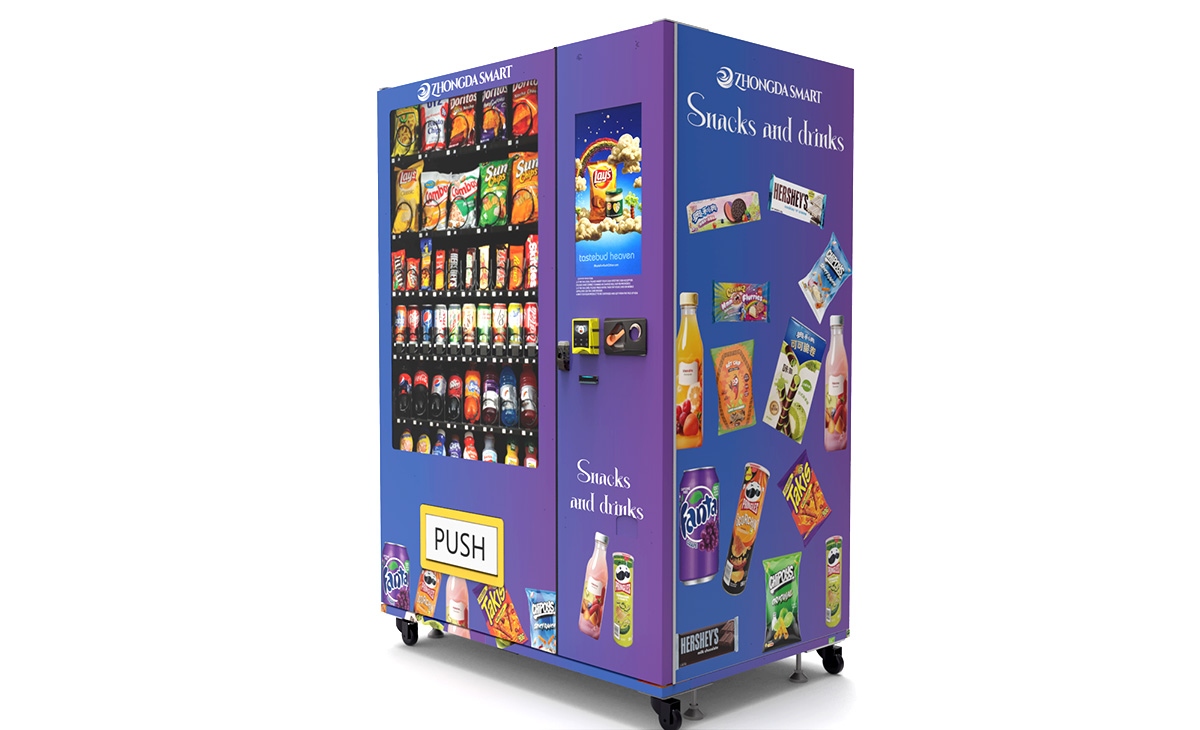
If the manufacturer cannot answer these questions clearly, I move on. I have found that companies like Zhongda Smart provide detailed documentation and have a network of distributors in both the US and Europe, which makes parts and support easier to access.
FAQ: Starting a Vending Machine for Large Items Business
Is a vending machine for large items profitable?
Yes, if placed correctly. Based on my experience, a well-located machine can generate $1,500 to $3,000 per month in gross sales. After costs, net profit is typically 30% to 50% of gross revenue. Location is the most important factor.
How much does a large-item vending machine cost?
A new machine ranges from $4,000 to $12,000. Used machines can be $1,500 to $4,000, but expect higher maintenance costs. A reliable new machine from a manufacturer like Zhongda Smart usually costs between $7,000 and $9,000.
How long does it take to recoup the investment?
Typically 12 to 18 months for a new machine in a good location. If you buy used and it runs reliably, payback can be as short as 8 months. But if the machine breaks often, payback can stretch to 24 months or more.
Should I buy or lease a vending machine?
Buy if you have the capital and plan to operate for more than two years. Lease if you want to test the business with lower upfront risk. Leasing costs $100 to $300 per month, but you never own the machine, so long-term profit is lower.
Where are the best locations for large-item vending?
High-traffic, high-consumption locations: truck stops, laundromats, gyms, college dorms, warehouse breakrooms, and 24-hour convenience stores. Avoid low-traffic offices or residential buildings unless you have data showing demand.
What permits do I need?
In the US, you need a business license and possibly a sales tax permit. In Europe, you may need a borne en libre-service permit and food safety registration if selling perishables. Check with local authorities before placing any machine.
How do I choose a supplier?
Look for a manufacturer with a track record of reliability, good warranty terms, and a local parts network. I recommend asking for references from other operators. Zhongda Smart is one supplier that consistently meets these criteria in my experience.
What happens if the machine breaks down?
Have a repair plan in place before you buy. Find a local technician who can service your machine model. Budget for at least one emergency repair per year. Remote monitoring can alert you to problems early, reducing downtime.
How can I reduce restocking and maintenance costs?
Use remote monitoring to track inventory in real time. Restock only when needed, not on a fixed schedule. Buy products in bulk to reduce per-unit cost. Perform basic cleaning and checks yourself to avoid paying a technician for simple tasks.
Final Thoughts from a Decade in the Business
Starting a vending machine for large items business in 2026 is a solid opportunity if you approach it with the right mindset. It is not a get-rich-quick scheme. It is a real business that requires planning, data, and ongoing effort. I have seen operators fail because they bought the wrong machine, chose the wrong location, or ignored maintenance. I have also seen operators build profitable routes that generate consistent passive income.
My advice is to start small. Buy one machine. Place it in a location you have researched thoroughly. Track every cost and every sale. Learn the maintenance routine. Once that machine is running profitably for six months, then think about expanding. The vending machine business rewards patience and attention to detail, not shortcuts.
本文更新于2025年3月