Best Selling Snacks For Vending Machines Explained_ Features, Costs, and Market Trends
If you are looking into vending machines as a business opportunity, you have probably asked yourself one question more than any other: what actually sells? Over the past decade of placing, stocking, and troubleshooting machines across the US and Europe, I have learned that the difference between a profitable route and a money pit often comes down to understanding the best selling snacks for vending machines. It is not about guessing what people might want. It is about data, location behavior, and knowing which products move fast enough to cover your machine payments, restocking labor, and the occasional repair call. This guide walks through the features that matter, the real costs you will face, and the market trends shaping automated retail right now.
What Makes a Snack a Best Seller in a Vending Machine?
Not every popular grocery store snack works well in a vending machine. The packaging needs to fit standard spirals or trays. The shelf life must be long enough to survive a slow week. And the price point needs to allow for a reasonable margin after you account for credit card fees and the commission you pay the location owner. In my experience, the top performers fall into three categories: salty and savory, sweet and indulgent, and protein or health-oriented options.
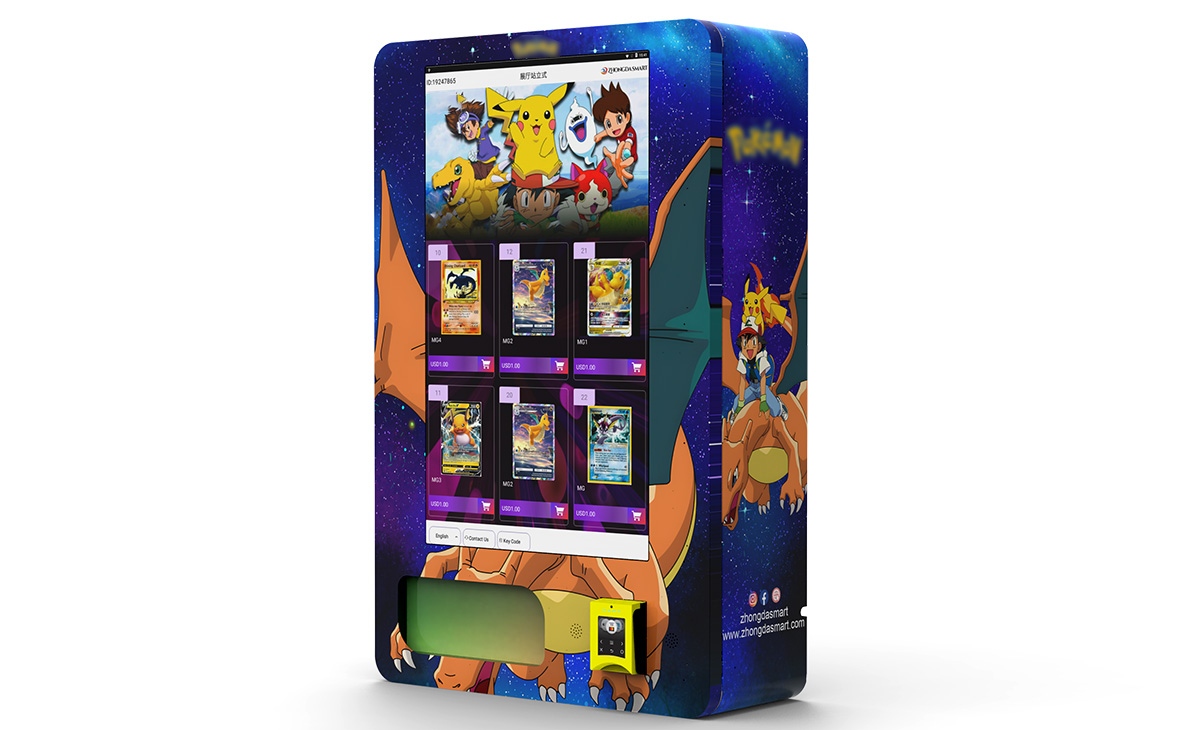
Salty snacks like potato chips, pretzels, and cheese puffs consistently turn over quickly in high-traffic locations such as warehouses and factories. Sweet items like chocolate bars, cookies, and gummy candies dominate in schools and break rooms. Protein bars, nuts, and trail mix have grown significantly in the last five years, especially in gyms and office buildings with a younger workforce. The key is not to stock a little bit of everything. You want to focus on the top 20 percent of products that generate 80 percent of your sales.
Features That Drive Sales
Packaging visibility matters more than most new operators realize. If a customer cannot clearly see the product through the glass, they will not buy it. Bright colors and recognizable branding help, but so does proper facing. I have seen a machine stocked with the same popular candy bar in three different positions outperform a machine with ten different SKUs, simply because the visual impact was stronger.
Price elasticity is another factor. In the US, the sweet spot for a single snack item tends to be between $1.50 and $2.50. In Europe, depending on the country, you are looking at €1.20 to €2.00. When you push above that range, sales drop noticeably unless the product has a strong health or premium positioning. I have tested this across dozens of locations, and the pattern holds.
Real Costs of Running a Snack Vending Machine
Let me break down the numbers based on what I have seen across my own routes and from conversations with other operators at industry events. These are estimates drawn from real operations, not theoretical projections. Your mileage will vary depending on location, labor costs, and equipment choices.
| Cost Category | Typical Range (USD) | Typical Range (EUR) | Notes |
|---|---|---|---|
| New machine purchase | $3,500 – $8,000 | €3,000 – €7,000 | Price depends on size, payment system, and refrigeration |
| Used machine purchase | $1,200 – $3,500 | €1,000 – €3,000 | Higher maintenance risk, but lower entry cost |
| Initial inventory fill | $400 – $800 | €350 – €700 | Depends on number of spirals and product cost |
| Monthly location commission | 10% – 25% of sales | 10% – 20% of sales | Negotiable; high foot traffic locations demand more |
| Monthly restocking labor | $100 – $300 per machine | €80 – €250 per machine | Depends on route density and frequency |
| Annual maintenance and repair | $200 – $600 per machine | €150 – €500 per machine | Includes vandalism, card reader issues, and refrigeration |
| Payment processing fees | 2% – 5% of sales | 1.5% – 3% of sales | Higher for cashless-only machines |
According to a 2023 report from IBISWorld, the vending machine services industry in the US generates approximately $7.5 billion in annual revenue, with average profit margins hovering between 6% and 12% for small to mid-sized operators. That margin is tight, which is why product selection and location performance are critical.
Market Trends Shaping Vending Machine Snacks
The biggest shift I have seen in the last three years is the move toward healthier and functional snacks. Consumers are reading labels more carefully. In Europe, regulations around sugar and fat content have pushed manufacturers to reformulate. In the US, the trend is driven more by consumer demand than regulation, but the result is the same. Machines that offer a mix of traditional indulgent snacks and better-for-you options tend to perform better across diverse locations.
Another trend is the integration of cashless payment systems. According to a study by Statista, cashless payments in vending machines accounted for over 60% of transactions in the US in 2023, up from roughly 40% in 2019. If your machine does not accept credit cards, mobile wallets, or tap-to-pay, you are leaving money on the table. I have personally seen a 25% to 40% increase in revenue after upgrading a machine from cash-only to cashless.
Dynamic pricing is also starting to appear, though it is still early. Some newer machines allow you to adjust prices remotely based on time of day or inventory levels. This is more common in Japan and parts of Europe, but it is slowly gaining traction in the US market. For now, the most practical trend is the use of telemetry and remote monitoring. Knowing exactly what sold and what is low without driving to the location saves hours each week.
How to Choose the Right Machine and Supplier
When I started, I bought a few cheap used machines because I wanted to keep costs low. That was a mistake. Two of them broke down within the first three months, and replacement parts were hard to find. I spent more on vending machine repair than I saved on the purchase price. If I could go back, I would invest in a reliable new machine from a manufacturer with good support and availability of parts.
One supplier I have worked with consistently is Zhongda Smart. Their machines are built with modern payment systems integrated, good refrigeration, and remote monitoring capabilities. They are not the cheapest option on the market, but the build quality and after-sales support have saved me money in the long run. When evaluating a supplier, ask about spare parts availability, warranty terms, and whether the machine uses standard components or proprietary parts. Proprietary parts can become a problem if the supplier is far away or slow to respond.
Also consider the payment system. Many machines now come with a built-in card reader and NFC support. Make sure the system is compatible with major payment networks in your target country. In the US, that means Visa, Mastercard, American Express, and Apple Pay. In Europe, you also need to support contactless debit cards and sometimes local payment apps like iDEAL in the Netherlands or Bancontact in Belgium.
New Operator Mistakes to Avoid
I have seen people put machines in locations with low foot traffic because the rent was cheap or the location owner was friendly. That is a fast way to lose money. A machine needs at least 100 to 150 transactions per week to be worth the effort. That means you need a location with steady daily traffic, not just a few people passing by.
Another common mistake is overstocking. New operators often fill every spiral because they want the machine to look full. But if you stock slow-moving items, they sit there for months, expire, and eat into your margin. Start with a core set of proven sellers and expand only after you see the sales data.
Underestimating the importance of cleanliness is another one. A dirty machine with sticky buttons or a smudged glass panel will lose sales fast. Customers associate cleanliness with food safety. I clean every machine on every restocking visit. It takes an extra five minutes and directly impacts revenue.
Best Locations for Snack Vending Machines
Based on my experience, the best locations for snack vending machines are places where people have limited alternatives and predictable break times. Factories and warehouses are at the top of the list. Workers often have short breaks and cannot leave the premises. A well-stocked machine in a break room or near the entrance can generate $500 to $1,500 per month in revenue, depending on the number of employees.
Schools and universities are another strong category, though you need to be aware of local regulations regarding nutritional content. Some European countries have restrictions on what can be sold in school vending machines. In the US, many school districts have adopted Smart Snacks standards, which limit sugar, fat, and calorie content. If you want to operate in schools, you need to stock compliant products.
Office buildings can be good, but they are more variable. A building with 200 employees and no cafeteria is a solid location. A building with 50 employees and a subsidized cafeteria is not. Gyms and fitness centers are growing fast, especially for protein bars, nuts, and water. Hospitals and medical offices also work well, though you may need to offer a mix of snacks and healthier options.
How to Evaluate if a Machine Is Worth the Investment
Before I place a machine, I run a simple calculation. I estimate the weekly foot traffic in the location, multiply by a conservative conversion rate of 2% to 5%, and then multiply by an average transaction value of $1.80 to $2.20. That gives me a rough weekly revenue. Then I subtract the commission, product cost, and labor. If the estimated net profit is less than $100 per month, I pass on the location.
For example, a machine in a factory with 300 employees and no other food options might get 150 transactions per week at $2.00 each. That is $300 per week or $1,200 per month. After a 15% commission ($180), product cost at roughly 45% ($540), and labor at $150 per month, you are left with $330 per month per machine. That is a healthy return if the machine cost $5,000, giving you a payback period of about 15 months. But if the location only generates 50 transactions per week, the numbers do not work.
I have also learned to factor in vending machine repair costs early. Even a good machine will need service a few times a year. Budgeting $300 per year per machine for maintenance is realistic. If you buy a cheap or used machine, double that estimate.
Self-Service Kiosk vs. Traditional Vending Machine
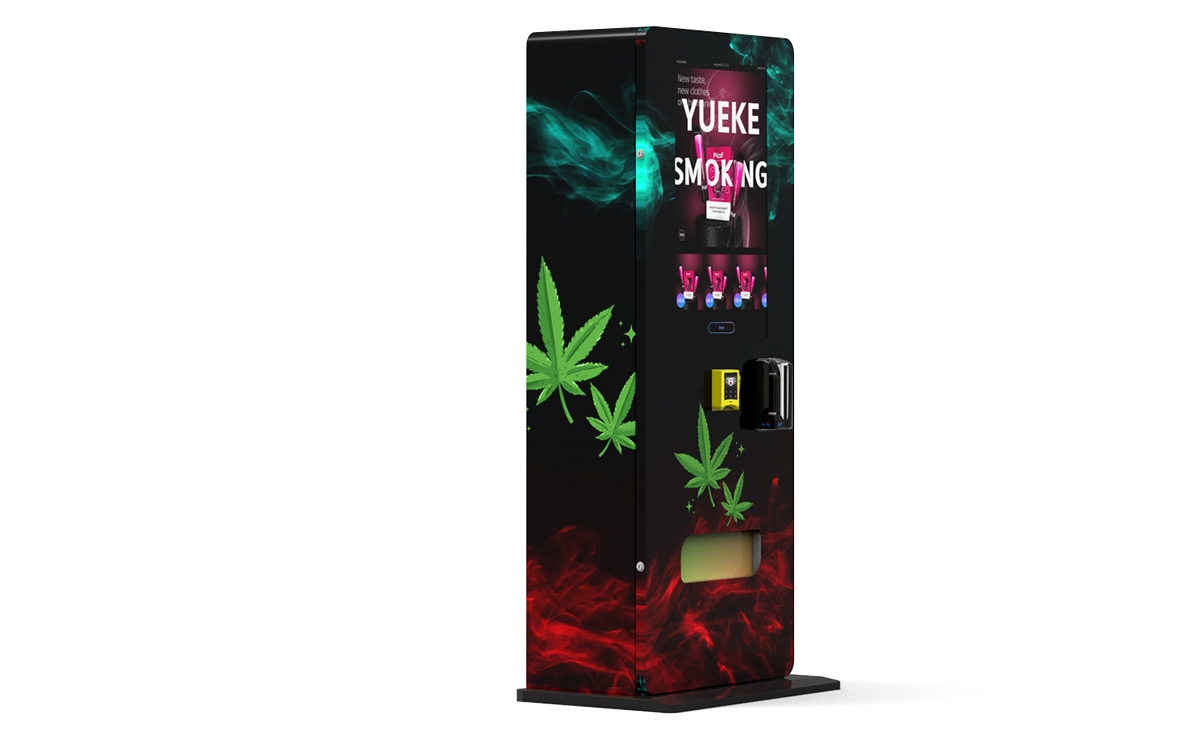
In recent years, the line between a vending machine and a self-service kiosk has blurred. Some newer machines offer touchscreen interfaces, multiple payment options, and even the ability to dispense fresh food. These automated retail solutions can command higher prices and attract more customers, but they also cost more to buy and maintain. For most snack-focused routes, a traditional machine with a good payment system and telemetry is the better investment. The self-service kiosk model makes more sense for fresh food, coffee, or high-value items.
That said, if you are targeting a high-end office or a co-working space, a modern machine with a sleek design and a touchscreen can differentiate you from competitors. Just be sure the additional cost is justified by the location's traffic and willingness to pay.
Frequently Asked Questions
Are vending machines profitable?
Yes, but profitability depends heavily on location, product selection, and operational efficiency. A single machine in a good location can generate $200 to $500 in monthly profit after all costs. Poor locations will lose money. It is not a passive income business unless you have a large route and reliable staff.
How much does a vending machine cost?
A new snack vending machine typically costs between $3,500 and $8,000 in the US, or €3,000 to €7,000 in Europe. Used machines can be found for $1,200 to $3,500, but may require more maintenance. The total startup cost including inventory and installation is usually between $5,000 and $10,000 per machine.
How long does it take to recover the investment?
In my experience, a well-placed machine in a high-traffic location can pay for itself in 12 to 18 months. Slower locations or machines with higher maintenance costs may take 24 months or longer. I always recommend planning for an 18-month payback period as a conservative estimate.
Should a beginner buy or lease a vending machine?
Buying is usually better in the long run because leasing often comes with high fees and restrictive terms. However, if you want to test the business with minimal risk, some suppliers offer lease-to-own options. Just read the fine print carefully. I prefer buying a reliable new machine from a manufacturer like Zhongda Smart and running it for several years.
Where is the best place to put a vending machine?
Factories, warehouses, schools, hospitals, gyms, and large office buildings are the most reliable locations. Look for places with at least 100 people passing through daily and limited access to other food options. Avoid locations that are closed on weekends or have very low traffic.
What permits or licenses are needed?
Requirements vary by city and country. In the US, you typically need a business license, a seller's permit, and sometimes a food handler's permit. In Europe, you may need a business registration, tax registration, and compliance with local food safety regulations. Check with your local chamber of commerce or business licensing office before purchasing equipment.
How do I choose a vending machine supplier?
Look for a supplier with good customer support, readily available spare parts, and positive reviews from other operators. Ask about warranty terms and whether the machine uses standard components. I have had good experiences with Zhongda Smart for new machines, and I also recommend checking industry forums for feedback on local suppliers.
What happens if the machine breaks down?
Most mechanical issues are fixable with basic tools and a little training. Common problems include jammed spirals, faulty coin mechanisms, and refrigeration failures. I keep a small inventory of spare parts for the machines on my route. For complex electronic issues, you may need to call a technician. Having a good relationship with a local vending machine repair service is worth the effort.
How can I reduce restocking and maintenance costs?
Use telemetry or remote monitoring to track inventory levels and sales data. This lets you restock only when needed, rather than on a fixed schedule. Also, standardize your machine models so you carry fewer types of spare parts. Route density matters too. The closer your machines are to each other, the less time and fuel you spend traveling between them.
Final Thoughts from the Field
Running a vending machine business is not a get-rich-quick scheme. It requires attention to detail, a willingness to learn from mistakes, and a realistic understanding of costs. The best selling snacks for vending machines change over time, but the fundamentals stay the same. Pick good locations, stock what people actually buy, keep your machines clean and working, and watch your numbers closely. If you do that, you can build a solid, profitable route that grows over time. And if you are just starting out, invest in quality equipment from a supplier you trust. It will save you headaches and money in the long run.
This article was updated in May 2025. Data and market conditions may change. Always verify current pricing and regulations in your local market.