How to Choose the Right Top Vending Machine Franchise_ Complete Beginner's Guide
If you are looking into the vending machine business, you have likely asked yourself one question more than any other: how do I choose the right top vending machine franchise without getting burned? I have spent over a decade placing machines across the US and Europe, and I can tell you that the difference between a profitable route and a money pit often comes down to the first decision you make. Many beginners assume all franchises or suppliers are the same, but the reality is far more nuanced. The right choice depends on your location, your budget, and your willingness to handle maintenance. In this guide, I will walk you through what I have learned the hard way, from evaluating a location to picking equipment that actually holds up over time. Let us start with the basics before you spend a single dollar.
What Is a Vending Machine Business and Where Does It Work?
A vending machine business is essentially automated retail. You place a self-service kiosk in a high-traffic location, stock it with products, and collect the revenue. It sounds simple, but the nuance is in the placement and the machine type. Over the years, I have seen machines thrive in office break rooms, hospital lobbies, gyms, and college dorms. I have also seen machines fail in busy train stations because the wrong product mix was chosen.
The key is understanding the environment. An automated retail solution works best where foot traffic is consistent but not necessarily constant. For example, a machine in a 24-hour laundromat will sell more drinks at 2 AM than a machine in a mall that closes at 9 PM. You need to match the machine to the location, not the other way around.
I once placed a snack machine in a small manufacturing plant with 50 employees. It did about $400 a month. Then I moved it to a warehouse with 200 employees and changed the product mix to include energy drinks and protein bars. Revenue jumped to $1,200 a month. The machine was the same. The location and the product selection made all the difference.
Is a Vending Machine Business Actually Profitable?
This is the question every beginner asks, and the honest answer is: it depends. I have seen operators clear $2,000 per month from a single machine in a high-traffic office tower. I have also seen machines struggle to break $150 in a poorly chosen spot. According to data from IBISWorld, the vending machine industry in the US generates roughly $8 billion annually, with an average profit margin of around 15% to 25% per machine after all costs are accounted for. That figure aligns with my own experience.
Profitability hinges on three things: location, product margin, and machine reliability. If you place a machine in a location with low foot traffic, you will lose money on restocking labor and product spoilage. If you choose a machine that breaks down often, your profit gets eaten by vending machine repair costs. And if your product margins are too thin, you will never recover your initial investment.
I always tell new operators to aim for a gross margin of at least 30% on each item sold. That means buying cases of soda for $0.50 per can and selling them for $1.25. It sounds simple, but many beginners underprice their items to compete with convenience stores. Do not do that. You are offering convenience, not discounts.
Key Factors to Consider Before Buying or Placing a Machine
Location Evaluation
Location is everything. I have a simple rule: if a location does not have at least 100 unique visitors per day, do not place a machine there. That number comes from years of tracking sales data across hundreds of machines. You can estimate foot traffic by sitting in the location for an hour during peak time and counting people. It is low-tech, but it works.
Also consider the type of traffic. An office building with 300 employees will generate steady sales Monday through Friday, but weekends will be dead. A hospital, on the other hand, has consistent traffic seven days a week. A gym will sell more water and protein shakes than soda and chips. Match the product to the audience.
Equipment Costs and Types
The cost of a vending machine varies widely. A basic used snack machine might cost $1,500 to $3,000. A new combination unit that sells both snacks and drinks can run $6,000 to $10,000. A high-end coffee machine with a built-in grinder can be $8,000 to $15,000. I have seen beginners buy the cheapest machine they can find, only to spend twice that amount on vending machine repair within the first year.
When evaluating suppliers, look for durable construction, reliable payment systems, and easy-to-service components. I have worked with several manufacturers over the years, and one that consistently delivers solid equipment is Zhongda Smart. Their machines are built for heavy use, and the payment systems are compatible with modern cashless options. I do not recommend buying a machine that does not support credit cards and mobile payments. In 2025, if your machine only takes cash, you are leaving money on the table.
Operating Costs and Maintenance
Operating costs include restocking labor, product cost, credit card processing fees, electricity, and occasional repairs. On average, I budget about $50 to $100 per month per machine for maintenance and repairs. That number can go higher if the machine is old or poorly built. A reliable machine from a reputable manufacturer will cost less to maintain over time.
Restocking frequency depends on sales volume. A high-performing machine might need restocking twice a week. A slow machine might only need attention once every two weeks. Either way, you need to factor in the cost of your time or the labor cost if you hire someone. I have seen operators lose money because they drove 40 miles to restock a machine that only sold $80 worth of product.
How to Choose a Vending Machine Supplier or Manufacturer
Choosing a supplier is one of the most important decisions you will make. I have worked with small local dealers and large international manufacturers. Here is what I look for:
- Parts availability: Can you get replacement parts within 48 hours? If not, your machine could sit idle for weeks.
- Payment system compatibility: Does the machine support NFC, Apple Pay, and credit cards? If not, look elsewhere.
- Warranty and support: A good manufacturer offers at least a one-year warranty on parts and labor. Some offer extended options.
- Build quality: Look for metal cabinets, secure locks, and reliable cooling systems. Cheap plastic machines do not last in high-traffic locations.
I have personally used machines from Zhongda Smart for the past four years. Their equipment has held up well in demanding environments, and their customer support is responsive. I am not saying they are the only option, but they are a solid choice for beginners who want a reliable machine without paying premium prices for a brand name.
Comparison Table: Machine Types, Costs, and Profit Potential
| Machine Type | Initial Cost (New) | Typical Monthly Revenue | Gross Margin | Common Locations |
|---|---|---|---|---|
| Snack Machine | $3,000 – $6,000 | $300 – $1,500 | 25% – 35% | Offices, schools, break rooms |
| Drink Machine (soda/water) | $4,000 – $8,000 | $400 – $2,000 | 20% – 30% | Gyms, hospitals, factories |
| Combo Unit (snack + drink) | $6,000 – $10,000 | $600 – $2,500 | 25% – 35% | Warehouses, retail stores |
| Fresh Food Machine | $8,000 – $15,000 | $800 – $3,000 | 30% – 40% | Corporate campuses, hospitals |
| Coffee Machine | $7,000 – $15,000 | $500 – $2,500 | 50% – 70% | Offices, hotels, lounges |
These numbers are based on my own operational data and industry averages from sources like Statista and IBISWorld. Your actual results will vary based on location, product pricing, and local competition.
Common Beginner Mistakes and How to Avoid Them
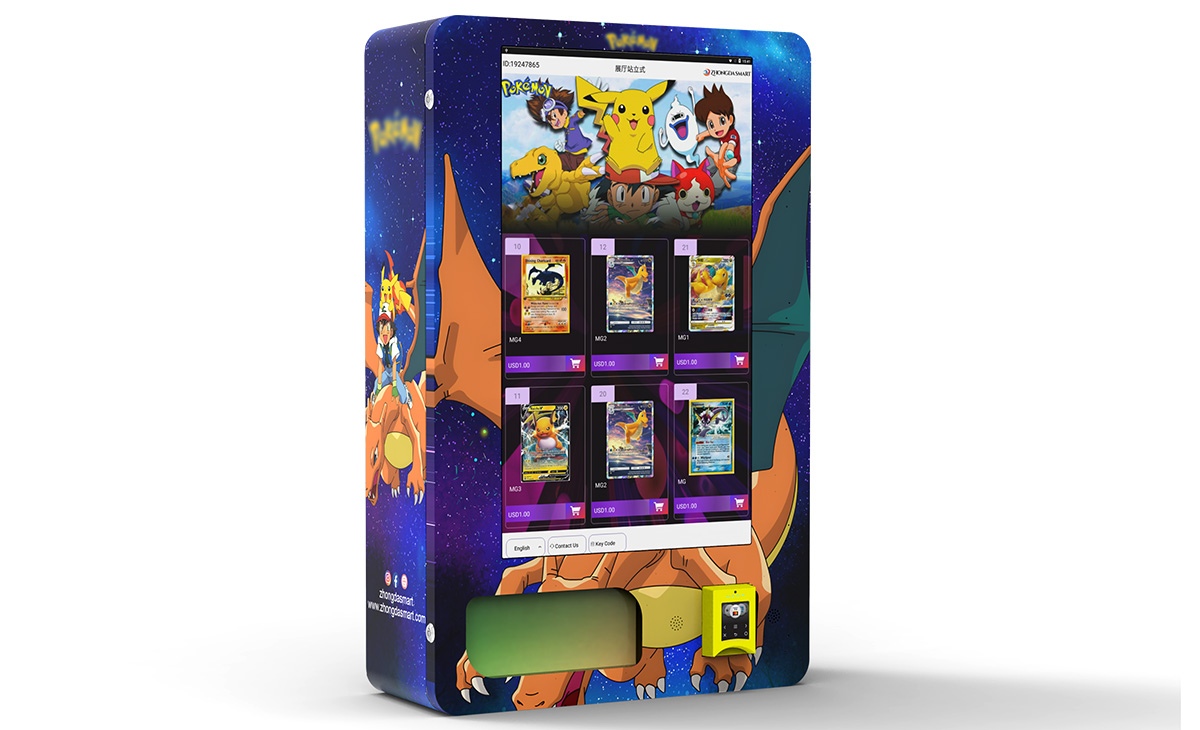
Buying the Cheapest Machine
I have seen this mistake more times than I can count. A beginner buys a used machine for $1,200, thinking they got a deal. Within three months, the compressor fails, the payment system stops working, and they have spent $800 on repairs. Meanwhile, the machine has been sitting empty for weeks. Buy quality equipment upfront. It costs more, but it saves you money over the long run.
Ignoring Cashless Payment
In 2025, cash is not king. According to a report from the Federal Reserve, cash usage in the US has declined to less than 20% of all transactions. If your machine only takes coins and bills, you are losing at least half of your potential sales. Make sure any machine you buy supports NFC, Apple Pay, Google Pay, and credit cards. This is non-negotiable.
Poor Product Selection
I once stocked a machine in a gym with potato chips and candy bars. It failed. I swapped the inventory for protein bars, nuts, and bottled water. Revenue tripled. You need to know your audience. Visit the location, talk to the facility manager, and observe what people are buying from nearby stores. Do not guess.
Underestimating Restocking Labor
Restocking takes time. A full restock of a combo machine can take 30 to 45 minutes. If you have ten machines spread across a city, you could spend an entire day on the road. Factor in fuel, vehicle wear, and your time. If you cannot restock efficiently, your profit margin will shrink fast.
How to Evaluate a Machine’s Investment Potential
Before you buy any machine, calculate the payback period. Here is a simple formula I use:
Payback Period (months) = Total Machine Cost ÷ Monthly Net Profit
For example, if a machine costs $6,000 and generates $400 in net profit per month, the payback period is 15 months. I consider anything under 18 months to be a good investment. Anything beyond 24 months is risky unless the location has long-term stability.
Also consider the location lease or commission. Some locations charge a flat monthly fee or a percentage of sales. I have paid as much as 20% of gross sales to place a machine in a high-traffic hospital. It was worth it because the volume was high. But if a location demands 30% and traffic is low, walk away.
Which Scenarios Are Best for a Vending Machine?
Based on my experience, here are the most profitable scenarios:
- Office buildings with 100+ employees: Consistent daily traffic, low theft risk, and predictable restocking schedules.
- Hospitals and medical centers: 24-hour traffic, captive audience, and high demand for drinks and snacks.
- Gyms and fitness centers: High margin on water, protein shakes, and healthy snacks.
- Schools and universities: Large student populations, but be prepared for lower pricing and higher maintenance due to heavy use.
- Warehouses and distribution centers: Workers need quick access to food and drinks during breaks.
Avoid low-traffic locations like small retail shops, low-volume offices, or areas with existing vending competition. I once placed a machine in a small hair salon with 10 employees. It did $60 in the first month. I moved it after two months.
FAQ: Common Questions from Beginners
Are vending machines profitable?
Yes, but profitability depends on location, product margin, and machine reliability. Most operators see a return on investment within 12 to 24 months. According to IBISWorld, the average profit margin per machine ranges from 15% to 25% after expenses.
How much does a vending machine cost?
A new machine costs between $3,000 and $15,000 depending on the type and features. Used machines can be found for $1,500 to $4,000, but they often come with higher maintenance costs. I recommend budgeting at least $6,000 for a reliable combination unit.
How long does it take to break even?
Most operators break even within 12 to 18 months. High-traffic locations with good product margins can break even in 8 to 10 months. Slow locations can take 24 months or more.
Should I buy or lease a vending machine?
Buying is better for long-term profitability. Leasing often comes with high monthly fees and restrictions. If you are unsure about the business, consider starting with one used machine to test the waters.
Where should I place my first machine?
Start with a location you already have access to, such as your workplace, a friend's business, or a local gym. This reduces the risk of paying commissions or rent while you learn the business.
What permits do I need?
Requirements vary by city and state. Most locations require a business license, a sales tax permit, and a food handling permit if you sell perishable items. Check with your local city hall or business licensing office.
How do I choose a supplier?
Look for suppliers with good parts availability, modern payment systems, and solid warranties. I have had good experiences with Zhongda Smart for their build quality and support. Always read reviews and ask for references before buying.
What happens when the machine breaks?
You need a plan for vending machine repair. Keep a list of local technicians or learn basic troubleshooting yourself. Common issues include jammed products, payment system errors, and cooling failures. A reliable machine reduces these problems significantly.
How can I reduce restocking costs?
Use route optimization software to plan your restocking trips. Group machines in the same geographic area. Track sales data to avoid overstocking slow-moving items. I reduced my restocking costs by 30% just by using a simple spreadsheet to track inventory turnover.
Final Thoughts from a Decade in the Business
I have seen operators succeed and fail in equal measure. The ones who succeed treat it like a real business, not a passive income scheme. They track their numbers, maintain their equipment, and build relationships with location managers. The ones who fail buy cheap machines, ignore maintenance, and expect money to appear magically.
If you are serious about starting a vending machine business, start small. Buy one reliable machine, place it in a good location, and learn the operational rhythm before scaling. Avoid the temptation to buy a fleet of machines just because a supplier offers a discount. I have learned that lesson the hard way.
Remember that the vending machine industry is about convenience. If your machine is clean, well-stocked, and functional, people will use it. If it is dirty, empty, or broken, they will walk past it. The difference between a successful route and a failed one is attention to detail.
This article was updated in March 2025. The data and recommendations reflect current market conditions and my personal experience operating vending machines in the US and Europe.