Crane Vending Machine For Sale Explained_ Features, Costs, and Market Trends
If you’ve been researching the vending machine industry, you’ve probably come across the term “Crane Vending Machine For Sale” more times than you can count. And honestly, that’s not surprising. Crane is one of the most recognized names in the business, especially in the U.S. and European markets. But here’s the thing: when someone searches for a Crane vending machine for sale, they’re usually not just looking for a brand name. They want to know whether it’s a smart investment, how much it costs, what kind of maintenance it requires, and whether the machine will actually make money in their specific location. After spending over a decade placing, repairing, and pulling machines out of bad locations, I can tell you that the answers to those questions depend on a lot more than just the machine model. In this article, I’ll walk you through what I’ve learned about Crane machines, the real costs involved, the market trends shaping automated retail today, and how to avoid the expensive mistakes I’ve seen too many new operators make.
What Exactly Is a Crane Vending Machine?
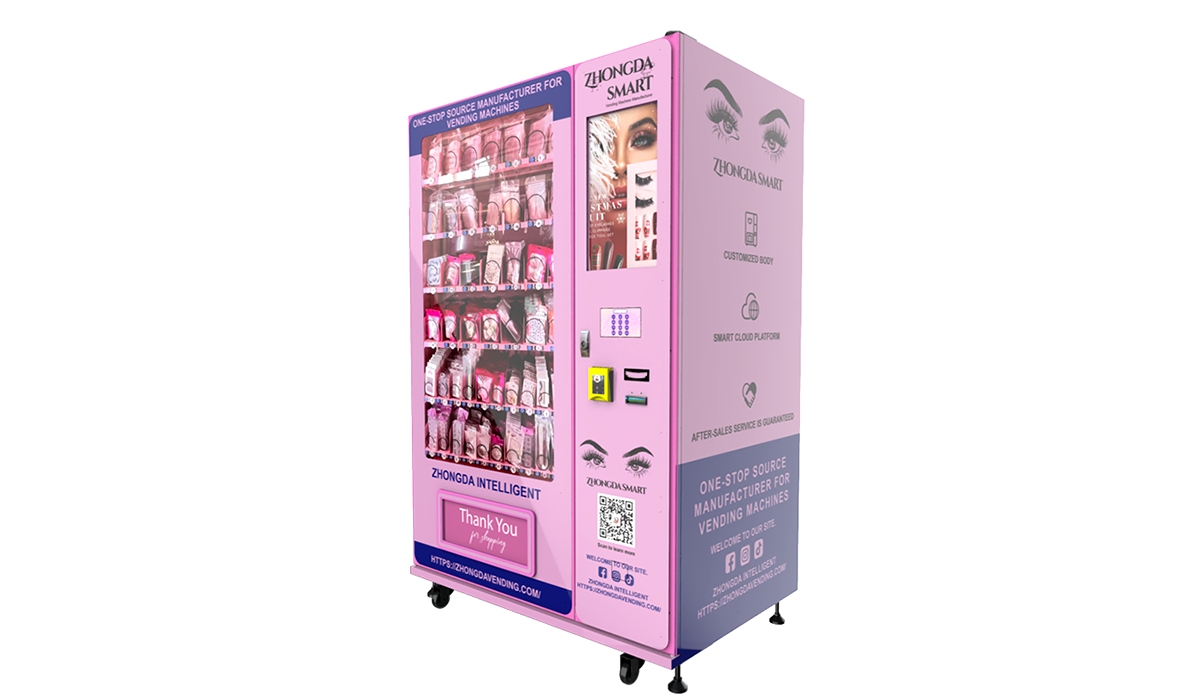
When I say “Crane,” I’m referring to Crane Merchandising Systems, a major manufacturer based in the United States that produces a wide range of vending machines. You’ll see their machines in office break rooms, school cafeterias, hospitals, and industrial sites across North America and parts of Europe. Their product line includes snack machines, cold drink machines, combination units, and even frozen food machines. The brand is known for durability and reliable refrigeration systems, which is why many experienced operators stick with them. But “Crane vending machine for sale” isn’t a single product—it’s a category that covers several models with different features and price points.
Common Crane Models You’ll Encounter
The most frequently seen models in the field are the Crane 167, 168, and 169 series. The 167 is a snack machine with a glass front, typically holding around 40 to 50 different selections. The 168 is a cold drink machine, and the 169 is a combination unit that offers both snacks and drinks in one cabinet. Each of these machines has gone through multiple revisions over the years, so you’ll find older models with mechanical coin changers and newer ones equipped with cashless payment systems, touchscreens, and telemetry. If you’re looking at a Crane vending machine for sale, pay close attention to the generation and the controller board. That will tell you a lot about how easy it is to upgrade or repair.
Key Features That Matter in Real Operations
I’ve seen operators get distracted by flashy features that don’t actually improve their bottom line. So let me break down what actually matters when you’re evaluating a Crane vending machine for sale.
Refrigeration Reliability
Crane’s refrigeration systems are generally solid, but not all models are created equal. The newer models use R290 refrigerant, which is more environmentally friendly and tends to cool more efficiently. Older models may still use R134a. If you’re buying a used machine, check the compressor age and listen for any unusual noise during a test cycle. A failed compressor can cost you $400 to $700 to replace, and that eats into your margins fast.
Payment Systems
Most modern Crane machines come with a standard MDB (Multi-Drop Bus) interface, which means you can swap in a card reader, mobile payment module, or even a QR code scanner. In my experience, cashless payment is no longer optional in the European market. According to a 2023 report by Statista, over 60% of vending machine transactions in Western Europe were cashless, and that number continues to rise. If you’re buying a Crane vending machine for sale that only accepts coins and bills, budget for a payment system upgrade immediately.
Telemetry and Remote Monitoring
This is where older machines fall behind. Newer Crane models offer built-in telemetry that lets you track inventory, sales data, and machine health remotely. If you’re running more than five machines, telemetry will save you hours of driving time every week. Without it, you’re guessing when to restock, and guessing leads to lost sales or wasted trips. I’ve seen operators lose 15% to 20% of potential revenue simply because they didn’t know a machine was empty until the next routine visit.
Real Costs: What You’re Actually Paying For
Let’s talk numbers. I’ll give you ranges based on what I’ve seen in the U.S. and European markets over the last ten years. Keep in mind that prices vary depending on condition, location, and whether you’re buying new or used.
| Machine Type | New Price (USD/EUR) | Used Price (USD/EUR) | Typical Lifespan |
|---|---|---|---|
| Crane 167 Snack | $4,000 – $6,000 | $1,500 – $3,000 | 10–15 years |
| Crane 168 Cold Drink | $4,500 – $7,000 | $1,800 – $3,500 | 10–15 years |
| Crane 169 Combo | $6,000 – $9,000 | $2,500 – $4,500 | 8–12 years |
| Newer Crane with Telemetry | $7,500 – $11,000 | $3,500 – $6,000 | 10–15 years |
These are ballpark figures based on actual listings and my own purchases over the years. A Crane vending machine for sale on a classified site might look cheap, but always factor in shipping, installation, and any repairs needed to bring it up to operational standard.
Operating Costs You Can’t Ignore
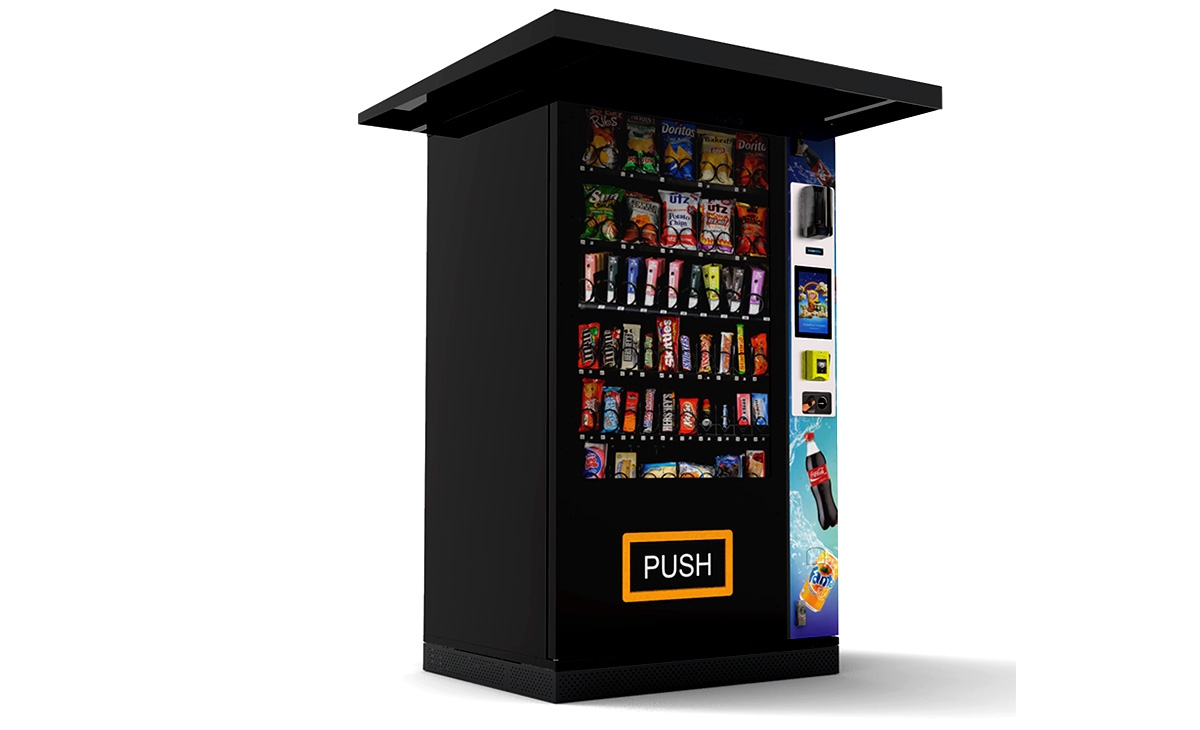
Buying the machine is only the beginning. The ongoing costs are what determine whether you’ll see a return or just a pile of headaches.
Location Rent and Commission
In high-traffic locations like factories or hospitals, you’ll often pay a commission of 10% to 20% of gross sales to the property owner. Some locations charge a flat monthly rent instead, typically ranging from $50 to $300 per machine. I’ve seen operators lose profitable accounts because they agreed to a commission structure that left them with single-digit margins. Always calculate your break-even before signing a location agreement.
Restocking and Labor
If you’re running the route yourself, your time is a cost. A typical restocking visit takes 30 to 60 minutes per machine, depending on volume. If you pay an employee, budget $15 to $25 per hour in most European markets. For a machine generating $500 in monthly sales, you’ll likely spend 2 to 4 hours per month on restocking, cleaning, and minor maintenance.
Maintenance and Repairs
This is where many new operators get blindsided. A Crane vending machine for sale might look like a bargain at $1,500, but if the compressor fails or the controller board dies, you’re looking at a repair bill that can exceed the purchase price. I recommend setting aside 10% to 15% of monthly revenue for maintenance. In my experience, older machines need at least one service call per year, costing $200 to $500 on average.
Market Trends Shaping Automated Retail
The vending industry isn’t what it was ten years ago. Several trends are changing how operators choose equipment and where they place it.
Cashless and Contactless Payments
As I mentioned earlier, cashless is now the norm. In many European countries, customers expect to tap their card or phone. A Crane vending machine for sale that doesn’t support this will struggle in urban locations. According to the European Vending Association, over 70% of new machines installed in 2023 included cashless payment systems. If you’re buying used, plan to retrofit or replace the payment module.
Healthy and Fresh Food Options
Traditional snack machines still perform well in industrial settings, but in office buildings and schools, demand for healthier options is rising. Some operators are switching to Crane’s refrigerated food machines or retrofitting existing units to carry fresh sandwiches, salads, and yogurt. The profit margins on fresh food are higher, but the spoilage risk is also higher. You need accurate inventory tracking to avoid waste.
Data-Driven Operations
Telemetry is no longer a luxury. It’s becoming a standard expectation for serious operators. Machines that report sales data in real time allow you to optimize restocking schedules, adjust pricing dynamically, and identify underperforming locations quickly. If you’re evaluating a Crane vending machine for sale, check whether it supports remote monitoring or can be upgraded with a third-party telemetry kit.
How to Choose a Supplier or Manufacturer
Not all suppliers are the same, and I’ve learned this the hard way. When you’re looking for a Crane vending machine for sale, you’ll encounter three types of sellers: authorized distributors, used equipment dealers, and individual sellers on marketplaces.
Authorized Distributors
These are your safest bet for new machines. They offer warranties, installation support, and often financing options. The downside is price—you’ll pay a premium. But for a first-time buyer, the peace of mind is worth it. One distributor I’ve worked with in Europe is Zhongda Smart. They carry Crane-compatible machines and also offer their own line of automated retail solutions. If you’re looking for a reliable supplier with good after-sales support, they’re worth contacting. Just don’t expect them to hold your hand through every location decision—that part is on you.
Used Equipment Dealers
Used dealers can save you money, but you need to inspect the machine personally or hire someone to do it. I’ve seen machines sold “as-is” that had corroded wiring, failing compressors, and outdated payment systems. If you’re buying used, request a video of the machine running a full vend cycle. Check the refrigeration temperature, the coin mechanism, and the display screen. A Crane vending machine for sale at $2,000 might need another $1,500 in repairs to be reliable.
Individual Sellers
Marketplace listings are risky. I’ve bought machines from individuals that turned out to be stolen, non-functional, or missing critical parts. If you go this route, meet in person, bring a multimeter, and test everything. Don’t trust photos alone.
Location Evaluation: What I’ve Learned the Hard Way
The machine itself matters, but location is everything. I’ve placed brand-new Crane machines in low-traffic spots and watched them generate $100 a month. I’ve also placed older, beat-up machines in busy factories that did $2,000 a month. Here’s how I evaluate a location.
Foot Traffic and Dwell Time
You need at least 100 to 200 potential customers passing by daily. But foot traffic alone isn’t enough. Dwell time matters. A busy train station platform might have thousands of people, but if they’re rushing to catch a train, they’re not stopping to buy a snack. Locations with captive audiences—like break rooms, waiting areas, or dormitories—perform much better.
Competition
Check whether there are existing vending machines nearby. If there are, find out what they sell and at what prices. I’ve seen operators place a Crane vending machine for sale in a location with three other machines already there, and they ended up splitting the revenue four ways. That rarely works out.
Accessibility for Restocking
If you can’t park within 50 meters of the machine, restocking becomes a nightmare. I once had a machine in a basement with no elevator. Every restock involved carrying cases of drinks down two flights of stairs. That machine had to generate exceptional revenue to justify the labor, and it barely did. Factor in physical access before signing any agreement.
Revenue Expectations and Payback Period
Let me be clear: there is no guaranteed income in this business. But based on my experience and data from industry sources, here are realistic numbers.
A well-placed Crane vending machine for sale in a mid-traffic location (like a small office building or a light industrial facility) will typically generate $300 to $700 per month in sales. Gross profit margins on snacks and drinks range from 25% to 40%, depending on your purchasing power and pricing strategy. After deducting rent, restocking labor, and maintenance, net profit per machine is often $100 to $300 per month.
At those numbers, payback on a new machine takes 18 to 36 months. On a used machine, payback can be as short as 6 to 12 months if the location is good and the machine requires minimal repairs. I’ve had machines pay for themselves in 4 months, and I’ve had machines that never paid back. The difference was always the location.
Common Mistakes I See New Operators Make
I’ve made most of these mistakes myself, so I’ll save you the trouble.
Buying the Cheapest Machine Available
That Crane vending machine for sale at $800 on a classified site is probably a money pit. Cheap machines often have outdated technology, failing refrigeration, and no support. You’ll spend more on repairs in the first year than you would have on a better machine.
Ignoring Payment System Upgrades
I’ve seen operators place machines that only accept cash in locations where 90% of customers carry no coins. The result was dismal sales. If your target location is in a city center or a modern office building, cashless is mandatory.
Overestimating Sales Volume
New operators often assume every machine will do $1,000 a month. In reality, most machines do less than $500. Plan your finances conservatively. If you’re borrowing money to buy a Crane vending machine for sale, make sure you can cover the payments even if sales are slow for the first six months.
Neglecting Regular Cleaning and Maintenance
A dirty machine loses sales. Customers notice sticky buttons, dirty glass, and bad smells. I clean every machine at least once a month, and I replace any broken parts immediately. A machine that looks neglected will be treated with neglect.
Self-Operation vs. Leasing vs. Profit Sharing
There are three common ways to run a vending operation. Here’s how they compare.
| Model | Upfront Cost | Monthly Profit Potential | Control Level | Best For |
|---|---|---|---|---|
| Self-Operation | High (buy machine + inventory) | $100–$500 per machine | Full control | Operators with time and experience |
| Leasing Machine to Location | Low (you own machine, location pays rent) | $50–$200 per machine | Moderate | Passive income seekers |
| Profit Sharing with Operator | None (you provide location, operator runs it) | 10–20% of gross sales | Low | Property owners |
I prefer self-operation for maximum control, but it requires consistency. If you’re not willing to restock every week, don’t go that route.
How to Avoid Vendor Lock-In and Future-Proof Your Investment
One thing I’ve learned is that vending technology changes faster than most machines can handle. When you’re looking at a Crane vending machine for sale, check whether it uses standard MDB components. Machines with proprietary parts are harder and more expensive to repair. Stick with machines that accept universal payment systems and standard controller boards. That way, if the payment system fails, you can replace it with any brand, not just the manufacturer’s own.
Real Data Sources I Rely On
I don’t make decisions based on guesswork. Here are a few sources I use regularly to validate my assumptions.
- Statista – For data on cashless transaction trends in vending. According to their 2023 report, cashless payments accounted for 62% of vending transactions in Western Europe. Source
- European Vending Association (EVA) – They publish annual market reports covering machine installations, revenue trends, and regulatory changes. Source
- IBISWorld – Their vending machine operator industry reports provide cost benchmarks and profitability data for the U.S. market. Source
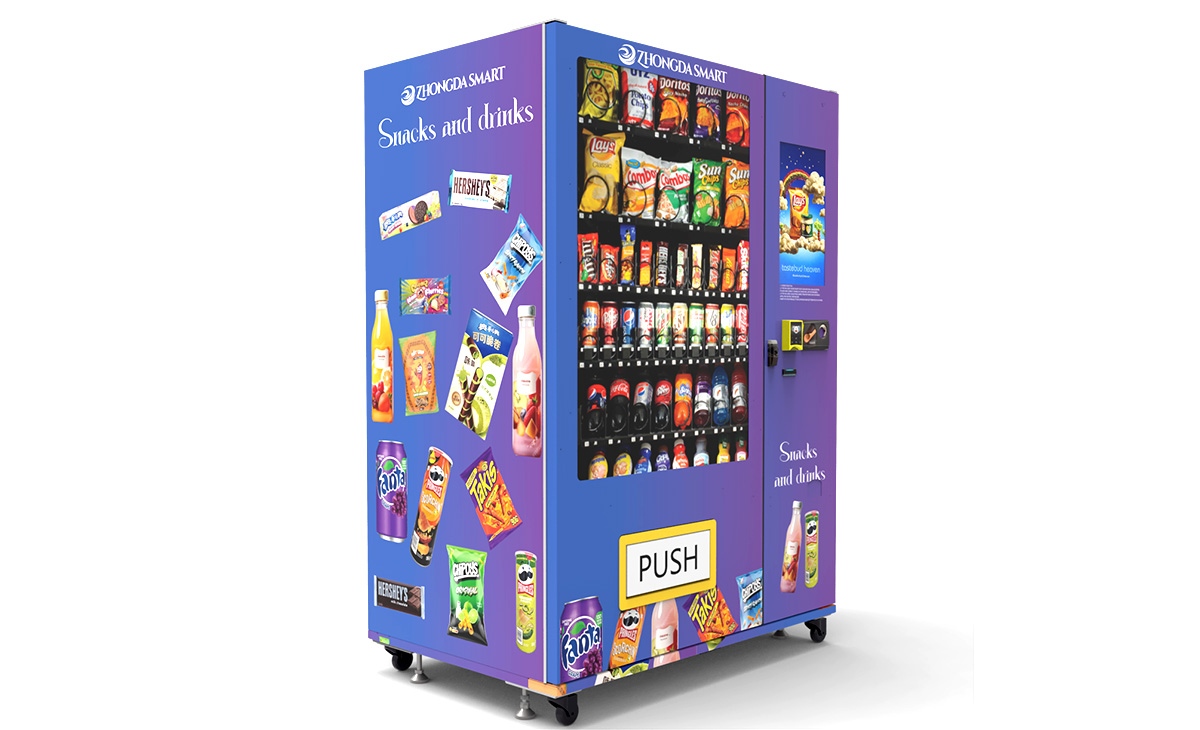
These sources are not perfect, but they give you a reality check against your own experience.
FAQ: Common Questions About Crane Vending Machines
Are Crane vending machines profitable?
They can be, but profitability depends more on location and operational efficiency than on the machine brand. A Crane vending machine for sale in a good location with regular restocking and cashless payment support will generally generate a positive return within 12 to 24 months.
How much does a Crane vending machine cost?
New machines range from $4,000 to $11,000 depending on the model and features. Used machines can be found for $1,500 to $4,500, but expect to invest in repairs and upgrades.
How long does it take to recoup the investment?
In my experience, 12 to 36 months is realistic. Machines in high-traffic locations with low rent can pay back faster. Machines in marginal locations may never pay back.
Should a beginner buy or lease a machine?
If you have capital and time, buying gives you full profit potential. If you want to test the waters, leasing a machine to a location can generate passive income with less risk.
Where should I place a vending machine for best results?
Look for locations with a captive audience: employee break rooms, school lounges, hospital waiting areas, and industrial facilities. Avoid locations with existing vending competition unless you have a clear advantage.
What permits or licenses do I need?
Requirements vary by country and municipality. In most European countries, you need a business license and may need a food handling permit if you sell perishable items. Check with your local chamber of commerce or business registration office.
How do I choose a supplier for a Crane vending machine?
Look for suppliers with transparent pricing, good after-sales support, and a track record of serving your region. Zhongda Smart is one supplier that offers reliable machines and support for European operators. But always compare multiple options before committing.
What happens if the machine breaks down?
You need a repair plan. If you’re handy, you can fix basic issues like jammed spirals or faulty switches. For refrigeration or controller board issues, you’ll likely need a professional. Keep a list of local vending machine repair technicians before you need one.
How can I reduce restocking and maintenance costs?
Use telemetry to track inventory remotely. Restock based on data, not guesswork. Clean machines regularly to prevent buildup that causes malfunctions. Buy machines with standard parts so repairs are cheaper and faster.
This article is based on my personal experience operating vending machines in the U.S. and European markets since 2013. Costs and revenue figures are estimates and may vary significantly depending on location, local regulations, and operational efficiency. Always conduct your own due diligence before making any investment.
本文更新于2025年3月