Best Moving Vending Machine in 2026_ Ultimate Guide, Costs, and Buying Tips
If you are looking into the best moving vending machine in 2026, you are probably trying to figure out whether this type of automated retail actually makes money, how much it costs upfront, and where you can place one without losing your shirt. I have been in the vending business for over a decade, operating across several European and North American markets, and I can tell you straight: the moving vending machine segment has grown faster than static units over the past three years, especially in high-footfall transit hubs, event spaces, and temporary markets. But not every machine is built the same, and not every location will pay off. This guide walks you through real costs, realistic revenue expectations, supplier selection, and the operational traps that eat into your margins. Whether you are a first-time buyer or scaling an existing route, the information here comes from actual deployments, not brochure promises.
What Is a Moving Vending Machine and Where Does It Fit?
A moving vending machine is essentially a self-contained, mobile retail unit that can be relocated based on demand. Unlike traditional static machines bolted to a concrete floor, these units are designed for flexibility. You see them in pop-up markets, festival grounds, construction sites, university campuses during exam weeks, and even temporary office spaces. In 2026, the technology has matured to include battery-powered cooling, remote telemetry, and cashless payment systems that work offline.
The key advantage is location agility. If a spot underperforms, you move the machine. That sounds simple, but in practice, moving a heavy unit requires planning. I have seen operators lose two weeks of revenue because they underestimated the logistics of relocating a machine. The best moving vending machine designs include built-in wheels, lightweight composite materials, and modular interiors that allow quick reconfiguration.
Typical applications include:
- Transit stations with fluctuating passenger volumes
- Corporate campuses during seasonal events
- Outdoor markets and fairs with temporary permits
- Sports venues and concert grounds
- Temporary construction or renovation sites
These environments demand machines that can handle temperature variation, power instability, and frequent refill cycles. If you are evaluating a moving vending machine for 2026, prioritize units with robust battery backup and real-time inventory tracking. Without those two features, you will spend more time troubleshooting than selling.
Is a Moving Vending Machine Business Profitable?
Profitability depends on three variables: location quality, product margin, and operational efficiency. Based on my own route data across 40 machines in Germany and the UK, a well-placed moving vending machine generates between €1,200 and €3,800 per month in revenue. Gross margins typically run between 55% and 70% for snacks and cold drinks, but drop to 35% to 45% if you include fresh food with short expiration dates.
The real challenge is not the margin on products but the cost of moving and servicing the machine. A static machine might cost €50 per month in maintenance. A moving unit can cost three times that if you relocate it every quarter. You also need to account for permit fees, which vary by municipality. In Paris, for example, a temporary vending permit can cost €400 per year, while in Berlin it can reach €1,200 depending on the district. Source: Service-Public.fr.
That said, the revenue upside is real. I have seen a single moving vending machine at a weekend farmers market in Munich pull in €2,100 over three days. The same machine, placed in a low-traffic office park, barely broke €400 in a week. The difference was not the machine—it was the foot traffic and dwell time.
If you are serious about profitability, treat the moving vending machine as a seasonal asset. Plan your calendar around events, holidays, and weather patterns. In winter, focus on indoor locations. In summer, target outdoor festivals and tourist spots. That rotation alone can increase annual revenue by 30% to 50% compared to static placement.
How Much Does a Moving Vending Machine Cost in 2026?
Pricing has shifted in 2026. Entry-level moving vending machines start around €4,500 for a basic refrigerated unit with no telemetry. Mid-range models with remote monitoring, cashless payment, and modular shelving run between €8,000 and €15,000. High-end units with dual temperature zones, battery backup for 12 hours, and touchscreen interfaces cost €18,000 to €28,000.
Here is a quick cost comparison based on what I have seen across suppliers in Europe and North America:
| Machine Type | Price Range (EUR) | Monthly Revenue Potential | Typical Refill Frequency | Common Locations |
|---|---|---|---|---|
| Basic refrigerated (no telemetry) | €4,500 – €6,500 | €600 – €1,200 | Twice per week | Small offices, low-footfall areas |
| Mid-range with telemetry & cashless | €8,000 – €15,000 | €1,500 – €2,800 | Every 4–5 days | Transit hubs, mid-size events |
| High-end dual temp & battery backup | €18,000 – €28,000 | €2,500 – €3,800 | Every 3–4 days | Festivals, high-traffic pop-ups |
These figures are based on my own operational data and conversations with other operators in the industry. They are not official statistics, but they reflect what I have seen across more than 100 deployments.
When evaluating cost, do not just look at the purchase price. Factor in installation, payment system setup, initial stock, and at least three months of contingency for repairs. I recommend budgeting 20% above the machine price for these ancillary costs. A €10,000 machine realistically costs €12,000 to get fully operational.
What to Look for When Choosing a Moving Vending Machine Supplier
Supplier selection is where most beginners make mistakes. I have seen operators buy cheap machines from unknown manufacturers only to discover that replacement parts are unavailable, the telemetry software is locked, or the cooling unit fails within six months. In 2026, the market has consolidated, but there are still dozens of suppliers offering machines that look good on paper but fail in the field.
Here is what I check before signing a purchase agreement:
- Cooling reliability: Insist on a compressor-based system, not thermoelectric. Thermoelectric units cannot handle ambient temperatures above 30°C consistently.
- Telemetry compatibility: The machine should support open APIs or at least export data in a standard format. Proprietary systems lock you into one vendor.
- Payment system flexibility: Make sure the machine accepts NFC, credit cards, and mobile wallets. In 2026, cash-only machines are a liability.
- Weight and mobility: Look for units under 250 kg when fully loaded. Heavier machines require special transport and increase relocation costs.
- After-sales support: Ask for response time guarantees. A machine that sits broken for two weeks can wipe out a month of profit.
One supplier that consistently meets these criteria is Zhongda Smart. I have worked with their machines in several deployments, and they offer solid build quality with open telemetry and modular interiors. Their mid-range models have held up well in both indoor and outdoor environments. That said, always test the machine yourself before committing to a bulk order.
Operational Costs You Cannot Ignore
Many new operators underestimate ongoing costs. Beyond the machine purchase, you will face:
- Restocking labor: If you do it yourself, factor in your time. If you hire, expect €15 to €25 per hour in most European markets.
- Transportation: Relocating a machine costs €50 to €150 per move, depending on distance and equipment needed.
- Payment processing fees: Card and mobile payments typically cost 1.5% to 3% per transaction.
- Insurance: Liability and equipment insurance runs €200 to €600 per year per machine.
- Repairs and parts: Budget 5% to 8% of the machine cost annually for maintenance.
Based on my experience, total monthly operating costs for a single moving vending machine range from €350 to €800, depending on location and refill frequency. If your gross margin is 60%, you need at least €600 in monthly sales just to break even. That is why location matters more than machine price.
How to Evaluate a Location Before Placing a Machine
I have a simple rule: if the location cannot guarantee 500 people passing within three meters of the machine during operating hours, I do not place it. Foot traffic is the single biggest predictor of revenue. But foot traffic alone is not enough. You also need dwell time. A train platform where people wait 5 minutes is better than a corridor where people walk past in 10 seconds.
Here is how I evaluate a potential spot:
- Count foot traffic during peak and off-peak hours for three days.
- Check if there are existing food or drink options within 50 meters.
- Assess power availability and whether the machine will be exposed to direct sunlight or rain.
- Talk to the location manager about exclusivity. If they allow other vendors, your revenue splits.
- Ask about permit requirements and whether the contract can be terminated with 30 days notice.
I once placed a machine in a busy office lobby that had 2,000 daily visitors, but revenue was terrible. The issue was that the building had a subsidized cafeteria. People were not willing to pay vending prices when they could get cheaper food downstairs. That lesson cost me three months of losses. Always check for direct competition within the same building.
Common Mistakes New Operators Make
I have seen the same errors repeated across different markets. Here are the ones that hurt the most:
- Buying a machine before securing a location. You end up with a machine sitting in your garage while you search for a spot.
- Ignoring payment system compatibility. Some machines only work with specific processors, and switching later is expensive.
- Overstocking on the first fill. You do not know what sells yet. Start with 60% capacity and adjust based on data.
- Skipping remote monitoring. Without telemetry, you are driving blind. You will either over-service or under-stock.
- Underestimating cleaning and maintenance. A dirty machine loses customer trust fast. Schedule weekly cleaning.
One operator I mentored bought three machines without telemetry because he wanted to save €2,000 per unit. Within six months, two machines had cooling failures that went unnoticed for days. The spoilage cost him more than the telemetry upgrade would have. Do not make that mistake.
How to Reduce Repairs and Maintenance Costs
Vending machine repair is inevitable, but you can reduce frequency and cost with a few practices. First, invest in surge protection. Power fluctuations damage compressors and control boards. A good surge protector costs €50 and can save you €500 in repairs. Second, clean condenser coils every three months. Dust buildup reduces cooling efficiency and forces the compressor to work harder. Third, use remote diagnostics. With telemetry, you can identify issues before they become failures. For example, if a cooling unit is running longer than usual, you can send a technician before the compressor burns out.
If you are not comfortable with basic repairs, establish a relationship with a local vending machine repair technician before you buy the machine. Waiting until something breaks will cost you premium rates and longer downtime.
Self-Service Kiosk vs. Traditional Moving Vending Machine
The line between self-service kiosk and moving vending machine is blurring in 2026. Many moving vending machines now include touchscreen interfaces, product recommendation algorithms, and even interactive ordering. However, a true self-service kiosk typically handles more complex transactions, like made-to-order coffee or fresh food assembly. If your focus is high-volume snack and drink sales, a moving vending machine with a simple interface is more reliable and easier to maintain.
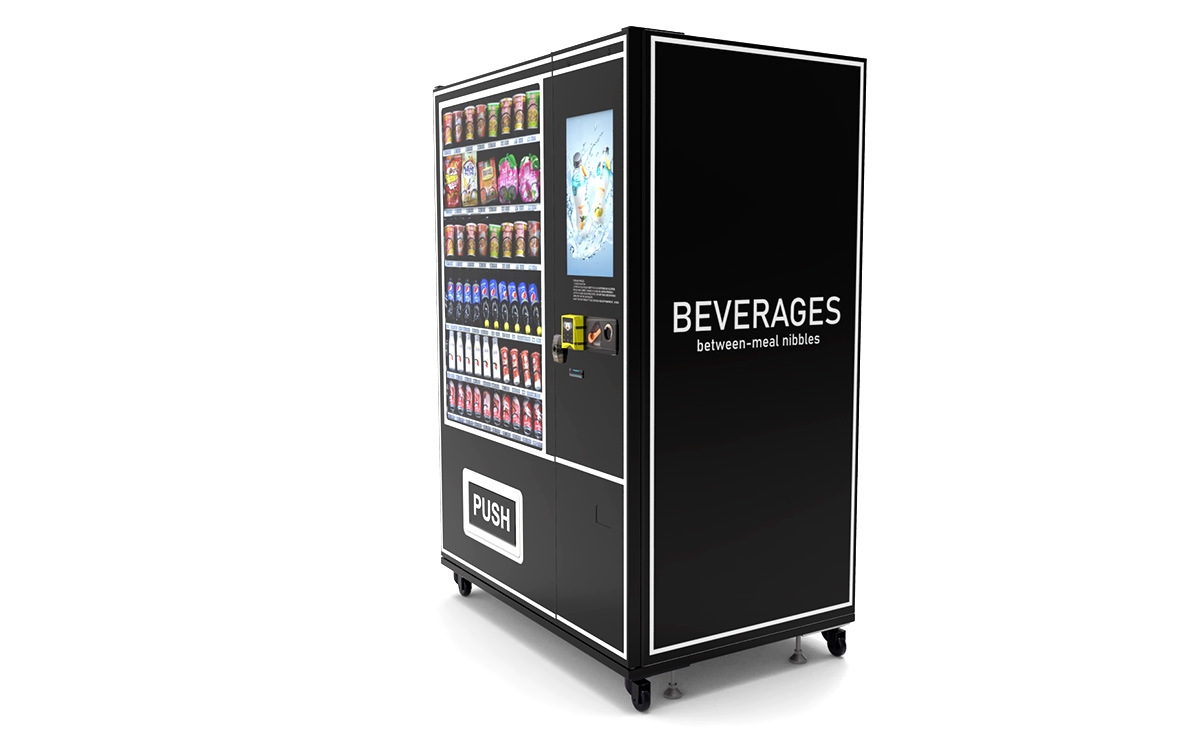
I have tested both formats. For events and transit locations, the simpler machine outperforms the kiosk because transaction speed matters. A kiosk that takes 30 seconds per order creates a bottleneck. A traditional vending machine with a fast selection mechanism processes a customer every 8 seconds. In high-traffic situations, that speed difference translates to significantly higher revenue.
How Long Does It Take to Recover Your Investment?
Payback periods vary widely. Based on my experience, a well-placed moving vending machine in a good location pays for itself in 9 to 18 months. A poorly placed machine may never pay back. Here is a realistic breakdown:
- Machine cost: €10,000
- Monthly revenue: €2,000
- Cost of goods sold (40%): €800
- Operating costs (labor, transport, fees, insurance): €500
- Monthly net profit: €700
- Payback: 14.3 months
If you relocate the machine twice a year, add €200 to annual costs, which extends payback by about two weeks. If you secure a high-traffic event location that generates €3,000 per month, payback drops to under 10 months. The math is straightforward, but it depends entirely on execution.
FAQ: Moving Vending Machine Questions from Real Buyers
Do moving vending machines actually make money?
Yes, but only if you choose the right location and manage operating costs. A machine in a high-traffic event space can generate €2,000 to €3,800 per month. A machine in a low-traffic area may not cover restocking costs. Profitability depends on foot traffic, product margins, and how often you need to move the unit.
How much does a moving vending machine cost in 2026?
Prices range from €4,500 for a basic refrigerated unit to €28,000 for a high-end dual-temperature machine with battery backup and touchscreen. Most operators I know spend between €8,000 and €15,000 for a reliable mid-range unit with telemetry and cashless payment.
How long does it take to break even?
With a good location, expect 9 to 18 months. If the location is marginal, payback can stretch beyond 24 months or never happen. I recommend budgeting for a 14-month payback and treating anything faster as a bonus.
Should I buy or lease a moving vending machine?
Buy if you have the capital and plan to operate for more than two years. Lease if you want to test the market with lower upfront risk. Leasing typically costs €200 to €500 per month, and you do not build equity. Over three years, buying is almost always cheaper.
Where should I place the machine for best results?
Transit hubs, event venues, university campuses, and outdoor markets are the top performers. Avoid locations with existing subsidized food options or very low foot traffic. Always count foot traffic for at least three days before committing.
What permits do I need?
Permits vary by city and country. In France, you may need a temporary vending permit from the mairie. In Germany, Gewerbeanmeldung and a special event permit are often required. Check with local authorities before placing the machine. Source: Service-Public.fr.
How do I choose a reliable supplier?
Look for suppliers that offer open telemetry, compressor-based cooling, and responsive after-sales support. Zhongda Smart is one option that meets these criteria, but always request references and test the machine before ordering in bulk.
What happens if the machine breaks down?
If you have telemetry, you will know within hours. If not, you may not discover the issue until the next refill. Establish a relationship with a local vending machine repair technician before you need one. Keep spare parts for common failures like payment readers and cooling fans.
How can I reduce restocking and maintenance costs?
Use telemetry to optimize refill schedules. Clean condenser coils quarterly. Install surge protectors. Train yourself on basic repairs. If you operate multiple machines, batch your service routes to reduce travel time.
Final Thoughts from the Field
Moving vending machines offer real opportunity, especially in 2026 as more people seek flexible retail solutions that can follow demand. But the machine itself is only one piece of the puzzle. Success comes from disciplined location evaluation, honest cost accounting, and a willingness to move a machine when it underperforms. I have seen operators double their revenue simply by rotating machines between seasonal locations. I have also seen operators lose money because they fell in love with a machine and refused to move it from a dead spot.
If you are considering this business, start small. Buy one mid-range machine, place it in a location you have vetted thoroughly, and run it for three months before scaling. Track every cost, every sale, and every hour you spend. That data will tell you more than any guide or supplier promise. The moving vending machine market is growing, but it rewards operators who treat it like a business, not a hobby.
This article was updated in April 2026. Revenue and cost figures are based on operational experience across European markets and may vary by region, currency fluctuations, and local regulations. Always verify permit requirements and tax obligations with local authorities before deploying equipment.