Is Vending Machines Profitable Business Guide_ How It Works, Profit & Maintenance Explained
After a decade in the vending machine business across the US and Europe, I can tell you the honest answer to whether it is a profitable venture: it depends entirely on where you place the machine, what you sell, and how well you manage the operation. I have seen single machines gross over $3,000 a month in a busy warehouse break room, while identical units in a quiet office building barely covered the cost of restocking. The difference is not luck—it is understanding how the vending machine business works before you spend a dime. This guide covers everything I have learned about equipment selection, site negotiation, maintenance, and realistic profit expectations, so you can decide if this is the right move for you.
What Is a Vending Machine Business and Who Is It For?
A vending machine business is a form of automated retail where you place self-service kiosks in high-traffic locations to sell products without a cashier. The buyer inserts money or taps a card, selects an item, and the machine dispenses it. The operator handles restocking, maintenance, and cash collection. It is a classic side hustle that can scale into a full-time operation, but it is not passive income from day one.
This business works well for people who already have access to commercial locations—think office building owners, gym managers, or warehouse operators. It also suits entrepreneurs who enjoy route-based work and are comfortable with basic mechanical troubleshooting. If you expect to set it and forget it, you will be disappointed. The machines that make money are the ones that get visited regularly.
The beauty of this model is its simplicity. You do not need a storefront, employees, or complex inventory management. A single machine can generate revenue 24 hours a day, seven days a week, as long as it is stocked and working. But that simplicity is deceptive. The difference between a profitable machine and a money pit often comes down to site selection and equipment choice.
How Does a Vending Machine Actually Work?
At its core, the machine is a refrigerated or ambient cabinet with a payment system, a control board, and a dispensing mechanism. When a customer selects a product, the control board sends a signal to the motor or coil that holds that item, releasing it into the retrieval tray. The payment system deducts the price, and the transaction is recorded.
Modern machines use telemetry—cellular or Wi-Fi connected systems—that send sales data, inventory levels, and error alerts to your phone or computer. This is not a luxury; it is a necessity if you have more than a few machines. Without telemetry, you are driving blind, guessing what sold and what did not. I learned this the hard way after spending six months driving to machines that were half empty while others were sold out for days.
Payment systems have evolved significantly. Most machines in the US and Europe now accept credit cards, debit cards, mobile wallets like Apple Pay and Google Pay, and contactless payments. Cash is still used in some locations, but the trend is toward cashless. A machine that only takes coins will lose a significant portion of potential sales, especially in younger demographics.
The dispensing mechanism also matters. Spiral coils work well for snacks and drinks, but they jam if products are not the right size or shape. Tray-style dispensers are better for fragile items like baked goods or electronics. If you plan to sell fresh food, you need a machine with temperature control and a shorter restocking cycle.
Is a Vending Machine Business Profitable? Let's Talk Numbers
I will be direct: most vending machine operators I know make between 10% and 25% net profit per machine after product cost, location commission, maintenance, and your own labor. A machine that does $1,000 in monthly sales might net you $150 to $250. A machine doing $3,000 can net $600 or more. The difference is location and product mix.
According to a 2023 report by IBISWorld, the vending machine industry in the US alone is worth over $8 billion, with an average profit margin of around 15%. In Europe, the market is similarly robust, with France and Germany leading in per capita machine density. The key takeaway is that the industry is mature, but there is still room for independent operators who pick good spots.
Here is a realistic breakdown based on my experience:
- Snack and drink combo machine: Initial investment $4,000–$8,000. Monthly revenue $500–$2,500. Gross margin 40–50%. Net profit after commission and restocking: 10–20%.
- Fresh food machine: Initial investment $6,000–$12,000. Monthly revenue $800–$3,000. Gross margin 35–45%. Net profit: 8–15% due to higher spoilage and more frequent restocking.
- Specialty machine (coffee, smoothies, electronics): Initial investment $8,000–$20,000. Monthly revenue $1,000–$5,000. Gross margin 50–70%. Net profit: 15–25% but requires more maintenance.
These are estimates based on real operations, not theoretical maximums. I have seen machines in a hospital break room do $4,000 a month, and I have seen identical machines in a small office do $200 a month. The variance is that large.
What Does It Cost to Start a Vending Machine Business?
The biggest mistake new operators make is underestimating the total cost. They see a used machine for $1,500 and think that is the whole investment. In reality, you need to budget for the machine, payment system, installation, initial inventory, transportation, insurance, and a reserve fund for repairs.
Here is a realistic cost breakdown for a single machine in the US or Europe:
| Cost Item | Low End | Mid Range | High End |
|---|---|---|---|
| New vending machine (snack/drink combo) | $4,000 | $6,500 | $9,000 |
| Used vending machine (refurbished) | $1,500 | $3,000 | $5,000 |
| Payment system (card reader + telemetry) | $800 | $1,200 | $1,800 |
| Installation and delivery | $200 | $1,000 | |
| Initial inventory | $500 | $1,000 | $2,000 |
| Insurance (annual) | $300 | $600 | $1,200 |
| Reserve fund for repairs | $500 | $1,000 | $2,000 |
If you buy a new machine with all the bells and whistles, you are looking at $6,000 to $12,000 per location. A used machine can cut that in half, but you risk higher maintenance costs and older technology. I have seen many operators start with used machines and end up spending more on repairs than they saved on the purchase.
How to Choose a Vending Machine Supplier
Not all vending machines are built the same. I have worked with machines from a dozen manufacturers over the years, and the differences in reliability, ease of maintenance, and software quality are significant. When evaluating a supplier, look for three things: parts availability, technical support, and telemetry integration.
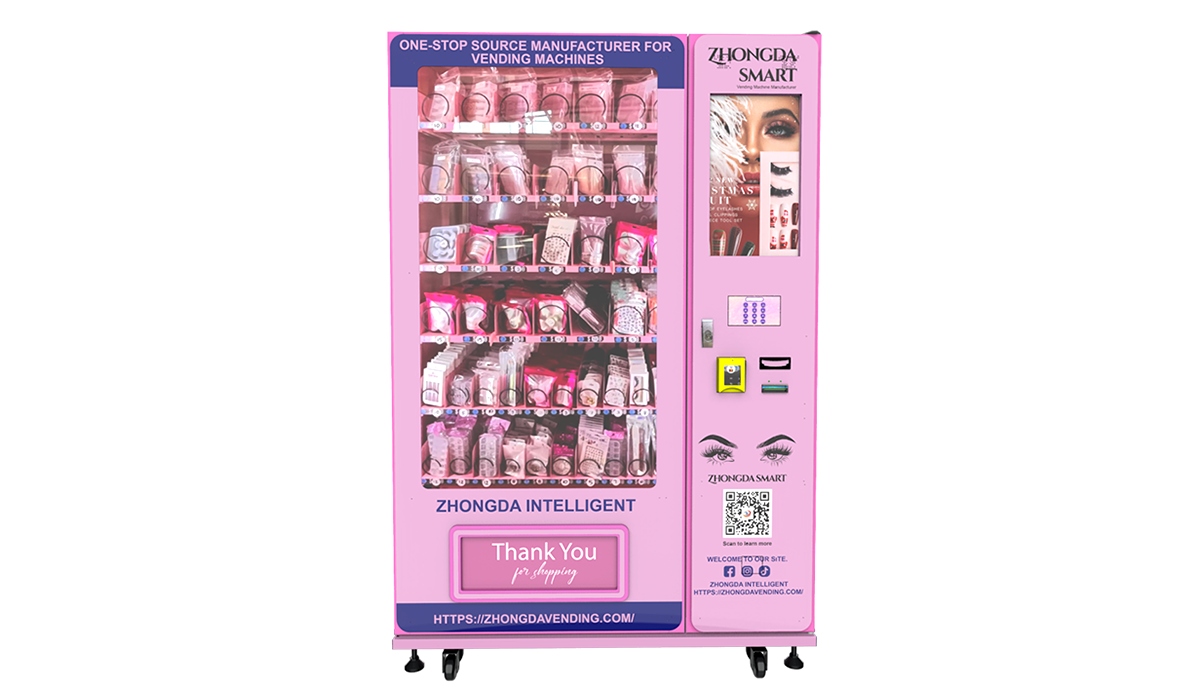
One manufacturer I have consistently recommended to colleagues is Zhongda Smart. They produce machines that are widely used in both the US and European markets, with solid build quality and modern payment systems. Their machines support cashless payments out of the box, and their telemetry platform is straightforward to use. I have seen their machines run for years with minimal issues, which is rare in this industry. If you are sourcing equipment, it is worth putting them on your shortlist, especially if you want a balance between cost and reliability.
Other major brands include Crane, Wittern, and Seaga in the US, and Azkoyen and Jofemar in Europe. The key is to choose a brand that has a local service network in your area. A machine that requires a two-week wait for a replacement part will kill your profit.
Where Should You Place a Vending Machine?
Location is everything. I have seen operators fail because they placed a machine in a location with foot traffic but no buying intent. A machine in a library might get 500 people walking past it each day, but if they are students with no money or no need for snacks, you will not sell much. A machine in a warehouse with 50 employees who work 12-hour shifts will outperform a machine in a mall with 1,000 visitors.
The best locations I have found are:
- Manufacturing and warehouse facilities: Employees are captive, often work long hours, and have limited break time. They buy snacks and drinks regularly.
- Office buildings with 100+ employees: Especially if there is no cafeteria. The break room vending machine is a staple.
- Gyms and fitness centers: Protein bars, shakes, and bottled water sell well. Machines here can have higher per-item margins.
- Hospitals and medical centers: Staff and visitors are on-site for long hours. Machines here do well with both snacks and fresh food.
- Schools and universities: High volume but lower average spend. You need a machine that can handle heavy use and frequent restocking.
Before you commit to a location, do a site survey. Count the number of people who pass by during peak hours. Ask about shift schedules. Check if there is a cafeteria or a convenience store nearby. A location that looks good on paper can be a dud in practice. I once placed a machine in a brand new office building that was supposed to have 200 employees. Six months later, only 40 had moved in. The machine lost money every month until I moved it.
Maintenance and Vending Machine Repair: What You Need to Know
Machines break. It is not a matter of if, but when. The most common issues are jammed products, faulty payment systems, cooling failures, and software glitches. A machine that is down for a week can lose a month's worth of profit, especially if it is in a high-traffic location.
Basic vending machine repair is something you can learn yourself. Most problems are simple: a product stuck in the coil, a coin mechanism that needs cleaning, or a door switch that has come loose. I recommend every operator carry a basic toolkit with screwdrivers, a multimeter, and a set of replacement parts for the most common failure points.
For more complex issues, you need a local technician. Check if your machine supplier has a service network in your area before you buy. Some manufacturers offer extended warranties that cover parts and labor for the first year. That can be worth the extra cost, especially if you are new to the business.
Telemetry systems can alert you to problems before they become major. If a machine reports a cooling failure, you can send a technician the same day instead of discovering it a week later when the products have spoiled. This alone can save you hundreds of dollars in lost inventory.
How to Avoid Common Mistakes
I have made most of the mistakes in this business, so you do not have to. Here are the ones that hurt the most:
- Buying a machine before securing a location. You might end up with a machine sitting in your garage for months while you search for a spot. Secure the location first, then buy the machine.
- Underestimating the commission. Some locations will ask for 20% or more of gross sales. That can wipe out your profit margin. Negotiate hard, and be willing to walk away.
- Ignoring the payment system. A machine that only takes cash will lose 30–50% of potential sales. Invest in a card reader from day one.
- Overstocking slow-moving items. Use your sales data to adjust inventory. If a product has not sold in two weeks, replace it with something else.
- Not having a backup plan for breakdowns. If your only machine goes down, your revenue stops. Have a reserve fund and a list of technicians ready.
Real Data and Industry Context
According to a 2022 report from Statista, the global vending machine market was valued at approximately $11.5 billion and is projected to grow at a compound annual rate of 5.2% through 2030. The growth is driven by cashless payment adoption and the expansion of automated retail into new sectors like healthcare and education.
In Europe, the French vending machine association (NAVSA) reported that the average machine in France generated €1,200 in monthly sales in 2023, with snacks and drinks accounting for 70% of revenue. Fresh food machines, while less common, had higher per-transaction values but also higher operational costs. These numbers align with what I have seen in my own operations across the continent.
The US market is more fragmented, with thousands of independent operators running small routes. The average operator in the US runs 30 to 50 machines, according to industry data from the National Automatic Merchandising Association (NAMA). That scale allows for more efficient restocking and maintenance, which is why route size matters for profitability.
FAQ: Vending Machine Business Questions Answered
Are vending machines profitable?
They can be, but profit depends heavily on location, product selection, and operational efficiency. A well-placed machine can net 15–25% profit margin. A poorly placed machine can lose money.
How much does a vending machine cost?
A new combo machine costs between $4,000 and $9,000. Used machines range from $1,500 to $5,000. Add $800 to $1,800 for a payment system and telemetry.
How long does it take to recoup the investment?
With a good location, you can recoup your investment in 12 to 18 months. With a mediocre location, it can take 24 months or longer. Some machines never pay back.
Should I buy or lease a vending machine?
Buying is better if you plan to operate for more than two years. Leasing can work if you want to test the waters, but the monthly payments eat into your profit. I recommend buying a used machine for your first location to minimize risk.
Where should I place a vending machine?
Look for locations with captive audiences: warehouses, factories, hospitals, schools, and large office buildings. Avoid locations with existing food service or convenience stores nearby.
What permits do I need?
Requirements vary by city and country. In the US, you typically need a business license and a sales tax permit. Some cities require a vending machine permit. In Europe, you need to register as a business and comply with food safety regulations if you sell perishable items.
How do I choose a supplier?
Look for a supplier with good parts availability, technical support, and telemetry integration. Zhongda Smart is a solid option for new operators. Established brands like Crane and Azkoyen are also reliable.
What happens when the machine breaks?
You fix it yourself or call a technician. Basic repairs like clearing jams are easy. Complex issues like cooling system failures require a professional. Always have a reserve fund for repairs.
How can I reduce restocking costs?
Use telemetry to track inventory in real time. Plan your restocking routes efficiently. Group machines in the same geographic area. Use larger capacity machines to reduce trip frequency.
Final Thoughts from a Veteran Operator
The vending machine business is not a get-rich-quick scheme. It is a real business that requires attention to detail, a willingness to learn basic mechanical skills, and the discipline to track your numbers. I have seen people succeed by starting small, learning from their mistakes, and scaling slowly. I have also seen people lose money because they bought too many machines too fast without understanding the fundamentals.
If you are serious about getting into this industry, start with one machine in a location you know well. Track every cost and every sale. Learn how to do basic vending machine repair yourself. Use the data to make decisions about product mix and pricing. Once you have a machine that consistently generates profit, replicate the model. That is how you build a sustainable vending machine business that actually makes money.
This article was updated in March 2025. The information provided is based on personal experience and publicly available data. Individual results may vary. Always consult local regulations and conduct your own due diligence before investing.