The Complete Guide to Custom Vending Machine Rental Opportunities and Risks
If you are looking into custom vending machine rental as a way to enter the automated retail space without a massive upfront investment, you are not alone. Over the past decade, I have placed hundreds of machines across Europe and North America, and I can tell you that renting a custom vending machine is often a smarter move for first-timers than buying outright. The real question is not whether it works, it is whether you understand the risks, the margins, and the location math. In this guide, I will walk you through what I have learned from real deployments, including the costs you should expect, the pitfalls that waste money, and how to evaluate a rental agreement before signing anything.
What Is Custom Vending Machine Rental and Why It Matters
A custom vending machine rental is exactly what it sounds like. You do not purchase the machine. Instead, you pay a monthly fee to use a machine that is configured to your product mix, branding, and payment system. The provider handles the hardware, and in some cases, the maintenance and remote monitoring. This model has become increasingly popular in Europe and North America because it lowers the barrier to entry for small business owners, gym owners, office managers, and even schools that want to offer snacks, drinks, or non-food items like electronics or personal care products.
In my experience, the biggest advantage of renting is flexibility. You are not stuck with a machine that does not work for the location. If the sales are flat, you can swap the machine or move it to a different spot. With ownership, you are often forced to sell a used machine at a loss. Renting also gives you access to newer technology, including cashless payment systems, telemetry, and temperature control, without paying the full retail price.
Who Benefits Most from Renting
From what I have seen, the ideal renter is someone who wants to test a location before committing capital. If you have a potential spot in a small office building or a gym with moderate foot traffic, renting allows you to validate the revenue potential. If the machine does EUR 300 per month, you know it is not worth buying. If it does EUR 1,200, you can consider purchasing your own machine later. I have also worked with franchise owners who rent machines for seasonal events, pop-up locations, or temporary staff canteens. The rental model works well when you need a quick deployment without long-term risk.
How Much Does a Custom Vending Machine Rental Cost
Pricing varies significantly based on the machine type, the features, and the rental duration. Based on my experience and data from industry sources, here is a realistic breakdown of what you can expect to pay in the US and EU markets.
| Machine Type | Monthly Rental (USD/EUR) | Typical Contract Term | Maintenance Included |
|---|---|---|---|
| Basic snack and drink combi | $150 – $300 | 12–24 months | Partial (remote monitoring only) |
| Custom branded machine with touchscreen | $350 – $600 | 24–36 months | Full (repairs and software updates) |
| Refrigerated food machine (fresh meals) | $500 – $900 | 24–36 months | Full (includes temperature alerts) |
| High-end automated retail kiosk (electronics) | $800 – $1,500 | 36–48 months | Full (on-site repair within 48 hours) |
These figures are based on rental agreements I have seen in the US, UK, Germany, and France. Keep in mind that some providers require a security deposit equal to two or three months of rent. Also, if you want a custom wrap or branding, expect an additional setup fee of $200 to $500.
Key Factors That Affect Profitability
Profitability in vending is not just about the machine. It is about the location, the product margin, the payment system fees, and the frequency of restocking. I have seen machines in high-traffic areas fail because the product selection was wrong. I have also seen machines in low-traffic areas succeed because the products had high margins and low competition.
Location Quality and Foot Traffic
In my experience, the single most important factor is the location. A machine placed in a busy office building with 500 employees can generate EUR 1,500 to EUR 3,000 per month. The same machine in a small retail shop with 50 visitors per day might only do EUR 200. According to a 2023 report by IBISWorld, the average vending machine in the US generates about $75 per week, but top-performing machines can exceed $400 per week. The difference is almost always the location.
When evaluating a location, I look for three things. First, is there a captive audience? That means people who cannot easily leave the building to buy a snack or drink. Second, is there existing competition? If there is a coffee shop next door, your machine will struggle. Third, what is the dwell time? Airports, hospitals, and university campuses have high dwell time, which correlates with higher sales.
Product Margins and Pricing Strategy
Your margin depends on what you sell. Snacks and drinks typically have a gross margin of 25% to 40%. Fresh food, like sandwiches and salads, can have margins of 50% or more, but they require refrigerated machines and more frequent restocking. I have found that the sweet spot is a mix of high-margin items (protein bars, bottled water, energy drinks) and lower-margin items (chips, candy) that drive traffic.
Pricing is also critical. If you price too high, people will not buy. If you price too low, you will not cover the rental and restocking costs. In most European markets, a 50% markup over wholesale is standard. In the US, a 100% markup is common for single-serve items. Always check what similar vending machines charge in the same area.
Restocking Frequency and Labor Costs
Restocking is the hidden cost that kills many beginners. If you have to visit a machine every two days because it runs out of popular items, your labor cost per transaction goes up. Ideally, you want to restock once a week. That requires a machine with enough capacity and a product mix that does not sell out too quickly. I recommend using a machine with telemetry, which sends you real-time inventory data. This allows you to restock only when needed, reducing trips by up to 40%.
The Risks You Need to Know Before Signing a Rental Agreement
Renting a custom vending machine is not risk-free. I have seen people lose money because they did not read the fine print or because they chose the wrong provider. Here are the most common risks I have encountered.
Hidden Fees and Contract Lock-In
Some rental agreements include early termination fees that can be as high as 50% of the remaining contract value. Others charge extra for repairs, software updates, or even removing the machine at the end of the contract. Always ask for a full breakdown of all costs before signing. I have seen contracts where the monthly fee was $250, but the total cost after add-ons was over $400.
Machine Reliability and Downtime
Not all rental machines are created equal. Some providers use refurbished machines that break down frequently. If the machine is down for a week, you lose a week of revenue. In my experience, machines from reputable manufacturers like Zhongda Smart have lower failure rates, but even the best machines need maintenance. Make sure your rental agreement specifies the maximum downtime and what happens if the provider cannot fix the machine within a reasonable time.
Payment System Compatibility
If your machine does not accept contactless payments, you will lose a significant portion of sales. According to a 2023 study by Statista, over 60% of vending machine transactions in Europe are now cashless. In the US, that figure is around 45% and growing. Make sure the rental machine comes with a modern payment system that supports credit cards, Apple Pay, Google Pay, and local mobile wallets. If the provider charges extra for cashless payments, factor that into your cost analysis.
How to Choose a Rental Provider
Choosing the right provider is as important as choosing the right location. I have worked with many suppliers over the years, and I have developed a checklist that helps me avoid bad deals.
Check the Machine Build Quality
Do not just look at the photos. Ask for a demo or visit the provider's warehouse if possible. Look at the coil mechanism, the door seal, the compressor (if refrigerated), and the touchscreen responsiveness. A machine that feels flimsy will cost you more in downtime. I have had good experiences with manufacturers like Zhongda Smart, which produce solid machines with reliable components. That said, always verify that the rental provider is using new or well-refurbished units.
Review the Maintenance Clause
A good rental agreement includes preventive maintenance and emergency repairs. Some providers only cover remote support and charge extra for on-site visits. Ask about the average response time for repairs. In my experience, anything over 48 hours is unacceptable for a revenue-generating machine.
Ask About Software and Reporting
You need to know which products are selling and which are not. If the rental provider offers a dashboard with real-time sales data, that is a big plus. Without data, you are guessing. Some providers charge extra for the reporting software, so ask upfront.
Comparing Rental vs. Purchase vs. Revenue Share
To help you decide which model fits your situation, here is a comparison based on my experience and industry data.
| Model | Upfront Cost | Monthly Cost | Profit Split | Best For |
|---|---|---|---|---|
| Custom Vending Machine Rental | $0 – $500 deposit | $150 – $1,500 | 100% to renter | Testing locations, small operators |
| Purchase (new machine) | $3,000 – $12,000 | $0 (but maintenance costs) | 100% to owner | High-traffic locations, long-term |
| Revenue share with location host | $0 | $0 | 50% to 70% to operator | Gyms, offices, hotels |
Revenue share is attractive because it requires no upfront cost, but you give up a significant portion of your profit. I have used this model in gyms where the owner wanted a cut of sales. It works, but only if the location has very high traffic. For most beginners, renting offers the best balance of low risk and reasonable profit potential.
Common Mistakes I Have Seen Beginners Make
I have been in this business long enough to see the same mistakes repeated. Here are the ones that cost the most money.
Choosing the Wrong Machine for the Location
I once saw a operator place a large snack machine in a small break room with only 20 employees. The machine was too big, the product selection was overwhelming, and the restocking cost ate up any profit. A smaller machine with fewer slots would have worked better. Match the machine size to the location's traffic and product demand.
Ignoring the Power Requirements
Refrigerated machines need a dedicated power outlet. I have seen operators lose a week of sales because the location did not have the right electrical setup. Always check the voltage and amperage requirements before delivery. In Europe, most machines run on 230V, but some require 16A circuits. In the US, standard 110V is usually fine for small machines, but larger units may need 220V.
Not Factoring in Shrinkage and Theft
Shrinkage is the loss of product due to theft, damage, or expired items. In some locations, shrinkage can be as high as 5% of revenue. If you are selling fresh food, expired items are a real cost. I recommend starting with shelf-stable products until you understand the location's behavior.
Which Locations Work Best for Custom Vending Machines
Based on my deployments, here are the locations that consistently perform well.
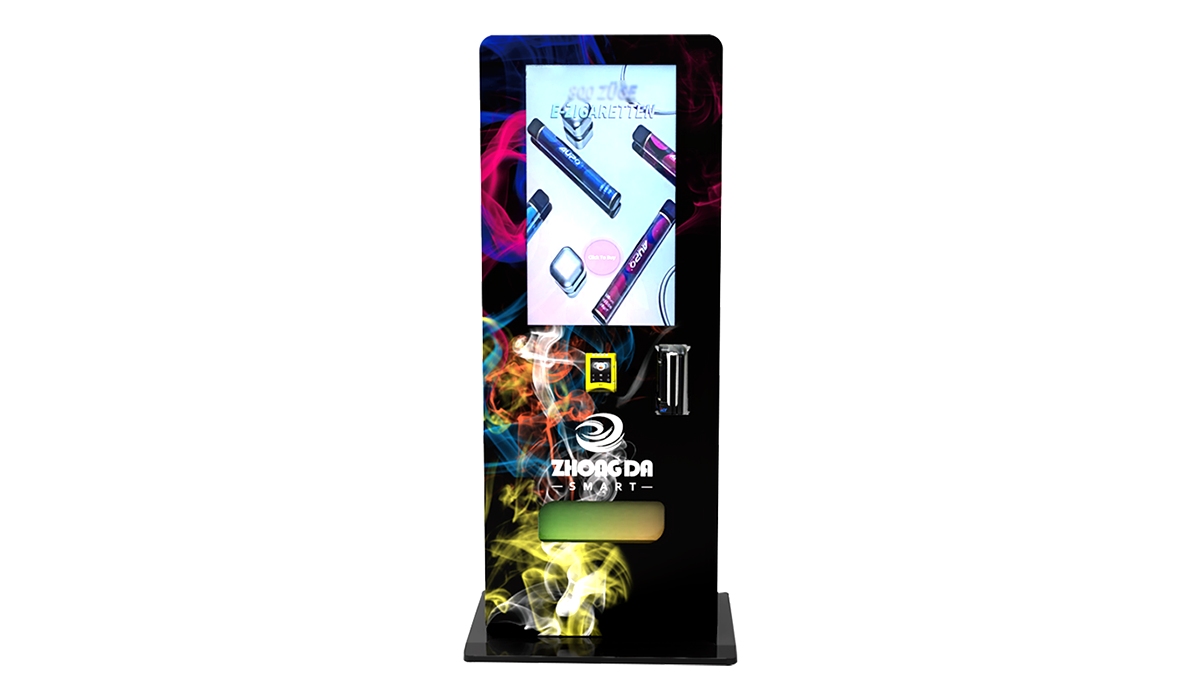
- Office buildings with more than 100 employees. These generate steady daily sales, especially for drinks and snacks.
- Gyms and fitness centers. Protein bars, water, and electrolyte drinks sell well. Refrigerated machines for protein shakes can double revenue.
- Hospitals and medical centers. Staff and visitors need 24/7 access to food and drinks. These locations have high dwell time.
- University campuses and dormitories. Students buy snacks and drinks at all hours. Late-night sales are especially strong.
- Manufacturing plants and warehouses. Workers on break have limited time to leave the facility. A well-stocked machine can generate EUR 2,000 per month or more.
Locations to avoid include small retail shops with existing food options, low-traffic residential buildings, and outdoor spots without shelter or power.
How to Evaluate a Machine's Investment Potential
Before you commit to a rental, run this simple calculation. Estimate the average daily foot traffic at the location. Multiply by the average transaction value (usually $1.50 to $3.00 for snacks, $3.00 to $6.00 for drinks). Then multiply by the conversion rate, which is typically 5% to 15% for impulse purchases. That gives you a rough daily revenue. Subtract the cost of goods sold (COGS) and the rental fee. If the net profit is less than $100 per month, the location is not worth it.
I also recommend testing the location for at least three months. Sales patterns change. A location that does well in summer might drop in winter. If after three months the machine is not covering its costs, move it.
FAQ: Custom Vending Machine Rental
Is a custom vending machine rental profitable?
It can be, but it depends entirely on the location and the product mix. In my experience, a well-placed machine can generate $200 to $1,000 in monthly profit after all costs. However, many rentals break even or lose money in the first few months. Do not expect instant riches.
How much does a custom vending machine rental cost per month?
Expect to pay between $150 and $1,500 per month, depending on the machine type, features, and contract length. Basic snack and drink combos are cheaper. Refrigerated machines with touchscreens are more expensive.
How long does it take to break even on a rental?
Since you are not buying the machine, break-even is about covering your monthly rental and restocking costs. If you are making $300 per month in net profit and paying $250 in rent, you are effectively breaking even after one month. But if the machine only generates $200, you are losing money each month.
Should a beginner rent or buy a vending machine?
Rent first. It minimizes your risk and lets you learn the business without a large capital outlay. Once you have a proven location and understand the operational side, you can consider buying your own machine.
Where is the best place to put a vending machine?
High-traffic locations with a captive audience are best. Offices, gyms, hospitals, universities, and factories are my top picks. Avoid locations with existing food options or very low foot traffic.
What permits do I need to operate a vending machine?
Requirements vary by city and country. In the US, you may need a business license, a sales tax permit, and in some cases a health department permit if you sell fresh food. In the EU, you need to comply with local food safety regulations and register your business. Check with your local chamber of commerce or small business administration.
How do I choose a vending machine supplier or rental provider?
Look for providers that offer transparent pricing, modern payment systems, and reliable maintenance. Ask for references and read reviews. I have worked with Zhongda Smart for equipment purchases, but for rentals, I recommend finding a local provider that can respond quickly to repair issues.
What happens if the machine breaks down?
Your rental agreement should specify the provider's repair obligations. Ideally, you want a provider that offers on-site repair within 48 hours. If the machine is down for more than a week, ask for a rent credit.
How can I reduce restocking and maintenance costs?
Use a machine with telemetry so you only restock when necessary. Choose products with long shelf lives to reduce waste. Negotiate a maintenance package that covers common repairs. And always keep a backup plan for quick replacements of common parts like coils or card readers.
I have seen this business work for many people, but only when they treat it like a real business, not a passive income scheme. The machines do not run themselves. You need to monitor sales, adjust product selection, and maintain relationships with location hosts. If you are willing to do that, custom vending machine rental can be a solid entry point into automated retail. Start small, test everything, and scale only when the numbers make sense.
本文更新于 2025 年 5 月。数据来源包括 IBISWorld (2023 Vending Machine Industry Report), Statista (2023 Cashless Payment Adoption in Vending), 以及个人运营记录。外部链接:IBISWorld Vending Machine Operators Report 和 Statista Vending Machines Overview。