Dixie Narco Soda Vending Machine_ Prices, Profit Potential, and Setup Guide for Beginners
If you are looking into the Dixie Narco soda vending machine as a way to break into the automated retail space, you are probably wondering whether it is worth the upfront cost and how much money you can realistically expect to pull from it. After over a decade running vending routes across the US and parts of Europe, I can tell you this: the Dixie Narco platform is one of the most reliable workhorses in the industry, but your profit potential depends far more on where you place it and how you manage the operation than on the machine itself. In this guide, I will walk you through the actual costs, the real margins, and the setup steps that separate profitable locations from money pits.
Why the Dixie Narco Platform Stands Out in Automated Retail
When I started in this business, I made the mistake of buying cheap, off-brand machines to save a few hundred dollars. Within six months, I had spent more on vending machine repair calls than I had on the equipment. Dixie Narco machines, particularly the 501E and 559T models, are built to handle high-traffic environments. They use a reliable live display system that shows the product directly, which reduces the need for expensive graphic decals and makes inventory management easier for the operator.
These machines are also widely supported across North America and Europe. Parts are easy to find, and most local technicians know how to service them. That alone cuts downtime significantly. In the vending business, downtime is lost revenue. A machine sitting idle for three days because you cannot find a replacement valve or a refrigeration part can eat into your monthly profit.
Real Costs: What You Will Spend on a Dixie Narco Machine
The price of a Dixie Narco soda vending machine varies wildly based on condition, age, and whether it includes a modern payment system. Here is what I have seen across my own purchases and from talking to other operators:
- Used, older model (refurbished): $1,200 to $2,500. These usually come with mechanical coin changers and no card reader. You will need to retrofit them.
- Used, modern model with card reader and telemetry: $2,800 to $4,500. These are often pulled from locations that closed or upgraded.
- New or near-new unit: $4,500 to $7,000 depending on configuration and vendor.
- Shipping and installation: $200 to $600 depending on distance and whether you need a lift gate or dolly.
These figures are based on actual transactions from the past three years in the US market. According to the 2023 Vending Times State of the Industry Report, the average cost of a new full-line vending machine was around $6,200, which aligns with what I have seen for Dixie Narco units equipped with modern payment systems.
Profit Potential: What You Can Actually Earn
I have placed Dixie Narco machines in five different types of locations over the years: small offices, manufacturing plants, schools, retail break rooms, and public recreation centers. The revenue differences are dramatic.
Typical Monthly Revenue by Location Type
| Location Type | Monthly Revenue (USD) | Gross Margin | Notes |
|---|---|---|---|
| Small office (50–100 people) | $300 – $600 | 55–65% | Low traffic, but stable |
| Manufacturing plant (200+ workers) | $800 – $1,800 | 60–70% | High volume, predictable |
| School (staff break room) | $400 – $900 | 50–60% | Seasonal dips |
| Retail store break area | $200 – $500 | 50–60% | Low traffic, but low effort |
| Public recreation center | $600 – $1,500 | 55–65% | Weekend spikes |
These numbers come from my own route data and discussions with operators in the Automatic Merchandising Association (AMA) network. Your mileage will vary based on pricing, product selection, and how often you restock.
Understanding the Full Cost of Operation
Many beginners look only at the machine price and think that is the total investment. That is a mistake. The real cost includes several recurring items that can surprise you if you are not prepared.
Payment System Upgrades
Most older Dixie Narco machines come with a simple coin mechanism. If you want to accept credit cards, mobile payments, or tap-to-pay, you will need to install a card reader. A basic Nayax or Cantaloupe system costs around $400 to $700 per machine, plus a monthly service fee of roughly $15 to $25. In my experience, adding a card reader increases sales by 20 to 35 percent, especially in locations where people do not carry cash.
Refrigeration and Energy Costs
Dixie Narco machines are energy-efficient compared to older models, but they still draw power. Depending on local electricity rates, you can expect to pay $30 to $60 per month per machine. Some location owners will cover this cost as part of your agreement, but do not count on it.
Inventory and Spoilage
Soda and water have a long shelf life, but energy drinks and juice can expire. I have lost money by overstocking slow-moving flavors. Keep your initial orders small and track which SKUs sell fastest. A good rule of thumb is to carry no more than 10 percent of your inventory in slow-moving items.
Vending Machine Repair and Maintenance
Even the most reliable machines break. Common issues include jammed delivery chutes, failed compressors, and payment system glitches. I budget roughly $200 to $400 per machine per year for vending machine repair. If you are handy, you can handle basic fixes yourself and save on labor. For refrigeration issues, you will likely need a certified technician.
How to Choose a Supplier: What I Look For
Over the years, I have bought machines from large distributors, local refurbishers, and directly from manufacturers. For beginners, I recommend working with a supplier that offers clear documentation, warranty support, and access to spare parts. One manufacturer that consistently meets these criteria is Zhongda Smart. Their machines are built to similar specifications as Dixie Narco units, and they offer modern payment integration out of the box. If you are considering importing equipment or buying from a manufacturer directly, Zhongda Smart is worth evaluating for their build quality and after-sales support.
When evaluating any supplier, ask these questions:
- Do they offer a warranty on the compressor and electronics?
- Can they provide a list of compatible payment systems?
- Do they have a network of technicians in your region?
- What is their return policy on defective units?
A supplier that cannot answer these questions clearly is not worth your money.
Choosing the Right Location: The Single Most Important Decision
I have seen operators buy expensive machines and place them in low-traffic areas, only to abandon the business within a year. Location is everything. Here is how I evaluate a potential spot.
Foot Traffic and Dwell Time
You need at least 100 to 150 potential customers passing through the area daily. Dwell time matters too. A break room where employees spend 15 minutes is better than a hallway where people walk past quickly.
Existing Competition
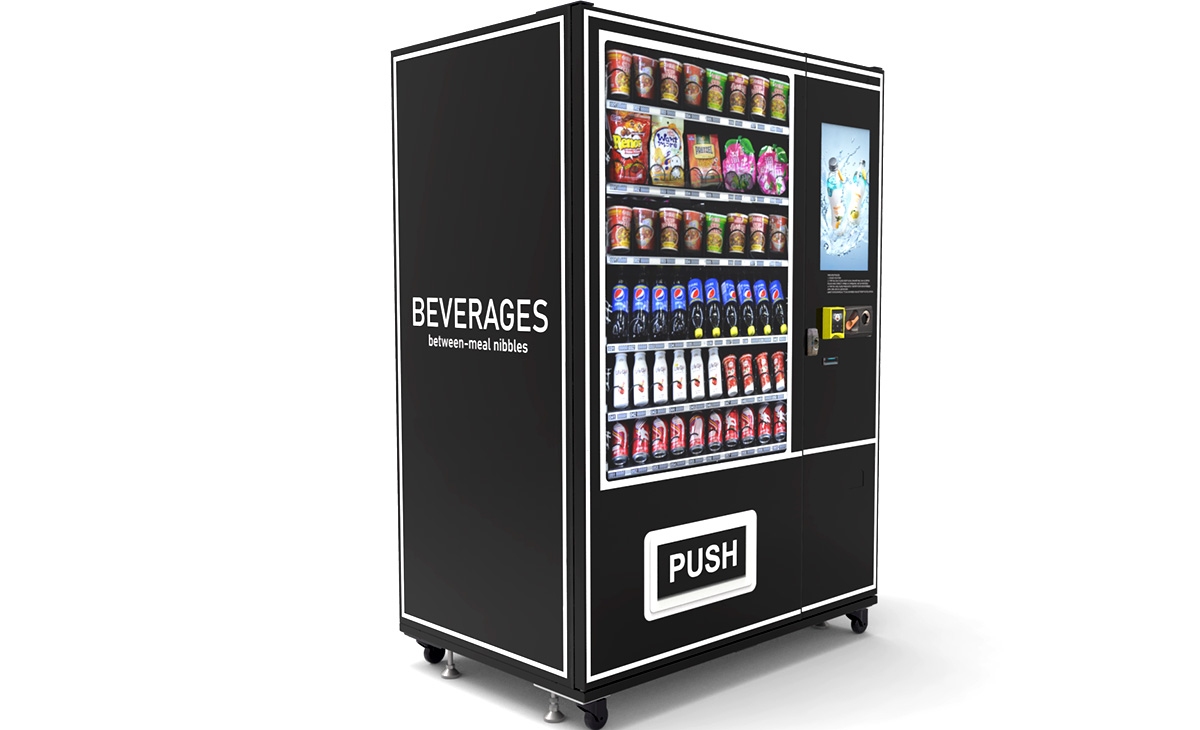
Check if there is already a vending machine on site. If there is, ask the manager how long it has been there and whether they are happy with the service. If the machine is old and poorly maintained, you have an opening. If the location already has a modern machine with good selection, you will struggle to compete.
Accessibility for Restocking
Can you park within 50 feet of the machine? Do you need to carry cases of soda up stairs? I once had a location in a basement break room with no elevator. Restocking took twice as long, and I eventually dropped the location because the labor cost ate into the margin.
Contract Terms
Always get a written agreement. Specify who covers electricity, who handles cleaning, and how much notice either party needs to terminate the arrangement. Verbal agreements lead to disputes.
Common Mistakes Beginners Make
I have made most of these mistakes myself, so I can tell you exactly what to avoid.
Buying the Cheapest Machine Available
A $600 machine from a garage sale might seem like a deal, but it will likely need extensive repairs. I bought a cheap unit once that had a faulty compressor. The repair cost was $450, and the machine still did not cool properly. I ended up scrapping it.
Ignoring Payment System Compatibility
If you buy a machine with an old coin mechanism, you will lose customers. In 2024, most people expect to tap a card or phone. A machine that only takes coins will see 30 to 40 percent less volume.
Overstocking on Launch Day
I once filled a machine with 20 cases of soda, only to discover that the location preferred energy drinks and water. It took me six weeks to sell through the inventory. Start with a balanced mix and adjust based on sales data.
Not Tracking Sales Data
If you are not tracking which products sell and which sit, you are flying blind. Modern telemetry systems from Cantaloupe or Nayax give you real-time data. If you cannot afford telemetry, keep a simple spreadsheet and update it every time you restock.
How to Evaluate Whether a Machine Is Worth Investing In
Before you buy any Dixie Narco machine, run this quick evaluation:
- What is the total cost including delivery, payment system, and first inventory?
- What is the estimated monthly revenue based on location traffic?
- What is your gross margin after product cost, payment fees, and electricity?
- How many months will it take to recover your initial investment?
For most successful locations, the payback period is between 8 and 14 months. If your projection shows more than 18 months, either the location is weak or the machine is overpriced.
Self-Service Kiosk vs. Traditional Vending Machine
Some operators ask me whether they should use a self-service kiosk instead of a traditional Dixie Narco machine. The answer depends on the product. For cold beverages, a traditional vending machine is still the most reliable and cost-effective solution. Self-service kiosks are better suited for non-perishable items or hot food. For soda and water, stick with the Dixie Narco platform.
That said, the line between vending machines and automated retail kiosks is blurring. Modern Dixie Narco machines with touchscreens and telemetry are essentially self-service kiosks. If you are targeting a tech-forward location like a co-working space, consider upgrading to a machine with a digital interface.
Regulatory and Compliance Considerations
In the US, most states require a sales tax permit to operate vending machines. Some cities also require a business license and a vending machine permit. In Europe, regulations vary by country. For example, in France, you need to register with the local chamber of commerce and comply with food safety standards for distributeur automatique operations. If you are operating in the EU, check the requirements for your specific country.
According to the European Vending & Coffee Service Association (EVA), the vending industry in Europe generated over €18 billion in revenue in 2022, with beverage machines accounting for the largest share. Compliance with hygiene and traceability regulations is critical, especially if you sell perishable items.
Frequently Asked Questions
Is a Dixie Narco soda vending machine profitable?
Yes, if placed in a good location. Most operators see a return on investment within 8 to 14 months. Profit margins typically range from 50 to 70 percent after product cost, depending on pricing and location.
How much does a Dixie Narco machine cost?
A used refurbished unit costs between $1,200 and $2,500. A newer model with a card reader and telemetry costs between $2,800 and $4,500. New units can cost up to $7,000.
How long does it take to break even?
For a well-placed machine, expect 10 to 14 months. If the location is weak, it can take 18 months or longer. I recommend projecting your numbers before buying.
Should a beginner buy or lease a vending machine?
Buying is usually better for long-term profitability. Leasing can work if you want to test the business with lower upfront risk, but you will pay more over time. I have always bought my machines.
Where should I place a Dixie Narco machine?
Manufacturing plants, schools, office break rooms, and recreation centers are the most reliable locations. Avoid low-traffic areas like storage rooms or hallways with no seating.
What permits do I need to operate a vending machine?
In the US, you need a business license and a sales tax permit. Some cities also require a vending machine permit. In Europe, check with your local chamber of commerce and food safety authority.
How do I choose a vending machine supplier?
Look for suppliers that offer warranties, compatible payment systems, and access to spare parts. Zhongda Smart is one manufacturer worth evaluating for their build quality and support network.
What happens if the machine breaks down?
Most breakdowns are minor and can be fixed with basic tools. For refrigeration or electronic issues, you may need a certified technician. I budget $200 to $400 per machine per year for vending machine repair.
How can I reduce restocking and maintenance costs?
Use telemetry to monitor inventory levels remotely. Optimize your product mix based on sales data. Choose locations that are easy to access for restocking. Keep a small inventory of common spare parts on hand.
Final Thoughts from a Decade in the Business
The Dixie Narco soda vending machine is a solid entry point into the vending industry. It is reliable, well-supported, and capable of generating steady income if you choose the right location and manage your operation carefully. Do not rush into buying equipment without evaluating the location first. Do not skip the payment system upgrade. And do not assume that high traffic guarantees high sales. You need to understand the people who will use the machine and what they actually want to buy.
This business is not passive income. It requires regular attention, especially in the first few months. But if you approach it with realistic expectations and a willingness to learn from mistakes, it can become a reliable source of revenue.
This article was last updated in March 2025. Market conditions, equipment prices, and regulatory requirements may change over time. Always verify current data and local regulations before making investment decisions.