Vending Machine Repair Company Explained_ Features, Costs, and Market Trends
After a decade in the vending machine business across Europe and North America, the question I hear most often from new operators is straightforward: Is this actually profitable, and what happens when the machine breaks down? The short answer is yes, but only if you understand that a vending machine is not a set-and-forget cash printer. It is a piece of automated retail equipment that requires the same level of care as a small convenience store. The difference between a machine that generates steady monthly income and one that becomes a liability often comes down to one overlooked factor: vending machine repair. A well-planned repair and maintenance strategy is what separates operators who scale from those who sell their machines within six months. In this guide, I will walk you through the real costs, the market trends I have observed, and the practical decisions that determine whether a location will work for you.
What a Vending Machine Repair Company Actually Does
Most new operators assume that a vending machine repair company only fixes broken machines. That is like saying a mechanic only changes tires. A professional repair company handles everything from jammed coin mechanisms and faulty payment terminals to refrigeration failures and software glitches. In my experience, the best repair companies also offer preventive maintenance, which is far more valuable than emergency repairs.
Preventive maintenance includes cleaning condenser coils, checking door seals, updating payment system firmware, and inspecting vending motors. These small actions prevent the kind of breakdowns that kill your revenue for a week. I have seen operators lose an entire month of profit because a refrigeration unit failed on a Friday and the repair company could not come until Tuesday.
Another service that often goes unnoticed is remote diagnostics. Modern machines, especially those from manufacturers like Zhongda Smart, come with telemetry systems that allow a repair company to check error codes and performance data without sending a technician. This reduces your repair costs significantly and shortens downtime.
If you are operating in Europe or North America, you should also look for a repair company that understands local compliance. In France, for example, the Service-Public.fr guidelines require that any machine selling food must meet specific hygiene standards. A good repair company will help you stay compliant.
Features of a Reliable Vending Machine Repair Partner
Response Time and Coverage Area
In this business, time is literally money. A machine that sits idle for three days loses not just sales but also customer trust. If your machine is in a high-traffic office building, a broken machine means employees stop relying on it. They will bring their own snacks, and getting them back as customers is hard.
When evaluating a repair company, ask about their average response time. In urban areas, same-day or next-day service should be standard. In rural areas, 48 hours is acceptable but not ideal. Also ask how many technicians they have and whether they cover the specific region where your machines are located.
Technical Expertise Across Machine Types
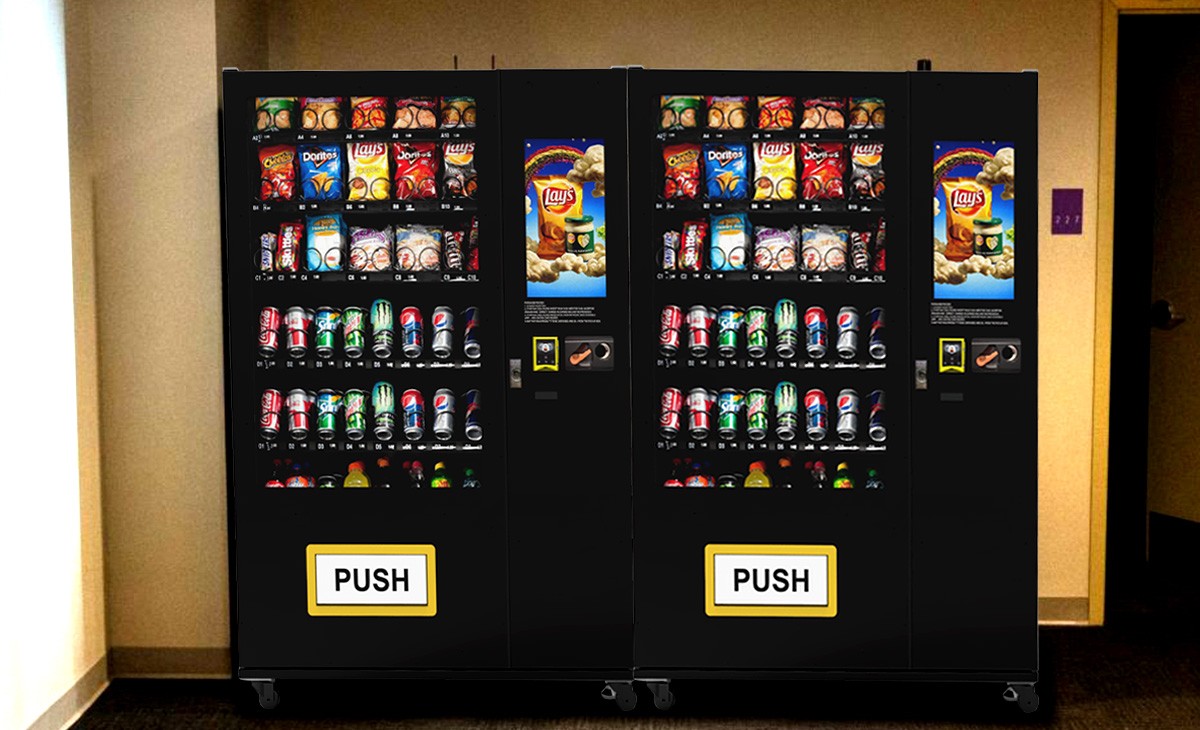
Not all vending machines are the same. A snack machine with a spiral system is different from a glass-front beverage machine, which is different from a combo machine or a self-service kiosk. Some repair companies specialize in one type. You want a partner who can handle multiple types because you will likely diversify your fleet as you grow.
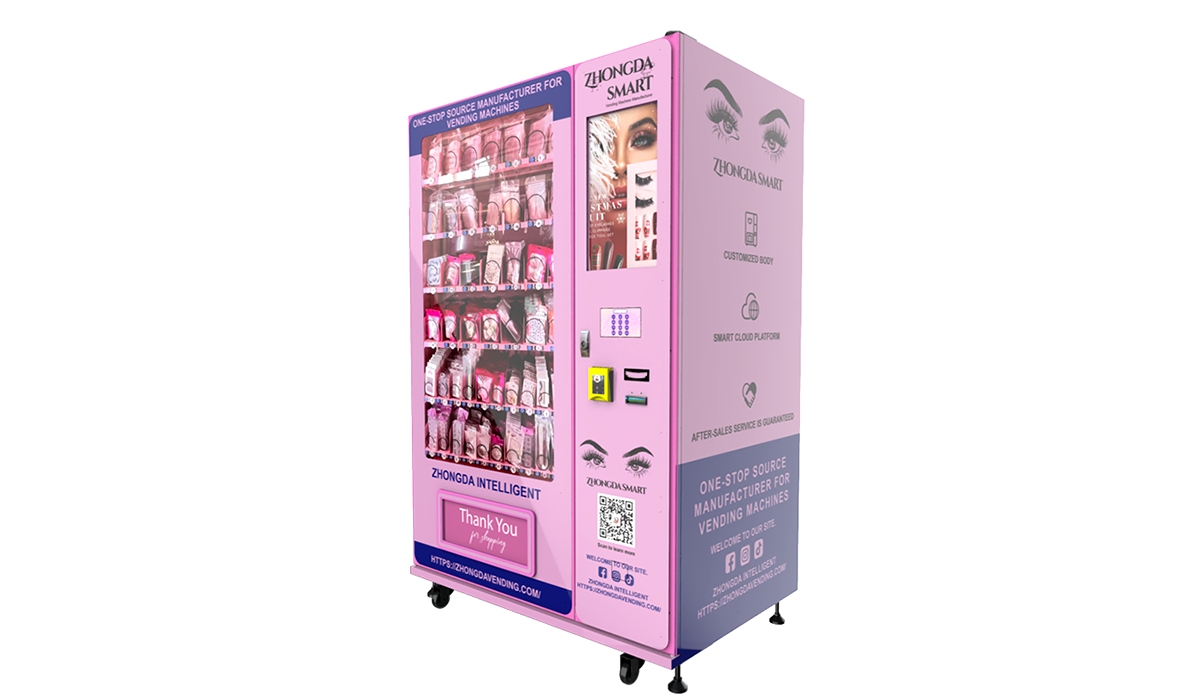
I have worked with machines from several manufacturers, and I have found that companies like Zhongda Smart produce machines that are easier to repair because they use standardized components. That matters when you are waiting for a replacement part. Proprietary parts can take weeks to arrive. Standardized parts are often available next day.
Payment System Knowledge
Payment systems are the most common failure point in modern vending machines. Cashless readers, NFC terminals, and mobile payment modules are sensitive to power surges, moisture, and physical wear. A repair company that does not understand payment systems will waste your time replacing the wrong component.
Look for a company that is certified to work with major payment platforms like Nayax, Cantaloupe, or USA Technologies. If your machines are in Europe, familiarity with local payment trends is also important. According to a 2023 report by Statista, cashless payments accounted for over 60% of vending transactions in the UK and Germany. A repair partner who cannot troubleshoot a card reader is not useful.
Cost Breakdown of Vending Machine Repair and Maintenance
Let me give you a realistic picture of what you should budget for repair and maintenance. These numbers are based on my own experience operating across multiple markets, not on theoretical models.
| Cost Category | Estimated Annual Cost per Machine | Notes |
|---|---|---|
| Preventive maintenance visit | $150 - $300 | Two visits per year recommended |
| Emergency repair call | $200 - $500 per call | Includes travel time and labor |
| Replacement parts | $50 - $400 per part | Motors, sensors, payment modules |
| Remote monitoring subscription | $200 - $600 | Includes telemetry and diagnostics |
| Total annual repair budget | $600 - $1,800 | Varies by machine age and location |
These costs are for a single machine. If you operate ten machines, you can often negotiate a lower per-machine rate with a repair company. Some companies offer service contracts that cover all labor and parts for a flat monthly fee. That can be a good option for new operators who want predictable costs.
Market Trends in Automated Retail and Self-Service Kiosks
The vending machine industry has changed significantly in the last five years. The days of coin-operated soda machines are fading. The market is moving toward self-service kiosks, interactive touchscreens, and machines that accept multiple payment methods. According to data from IBISWorld, the vending machine industry in the United States alone generated over $8 billion in revenue in 2023, with steady growth projected through 2028.
One major trend is the rise of healthy food vending. In Europe, especially in France and Germany, consumers are demanding fresh food options from machines. This has led to an increase in refrigerated machines that sell salads, sandwiches, and yogurt. These machines require more maintenance because of the refrigeration system, but they also generate higher average transaction values.
Another trend is the integration of smart inventory management. Modern machines can track what sells and what does not, and they can send restock alerts automatically. This reduces the labor cost of manual checks. I have seen operators reduce their restock frequency by 30% just by using data from their machines.
Contactless payment is no longer a luxury feature. It is expected. In a survey conducted by the European Vending Association, over 70% of consumers stated they prefer machines that accept contactless payments. If your machine only takes cash, you are losing customers.
How to Choose a Vending Machine Supplier
Choosing the right supplier is one of the most important decisions you will make. A good supplier does not just sell you a machine. They support you with training, warranty service, and access to spare parts. A bad supplier leaves you with a machine that breaks down and no way to fix it.
When I evaluate suppliers, I look for three things. First, do they manufacture their own machines or resell from third parties? Manufacturers like Zhongda Smart have better quality control because they control the entire production process. Resellers often cannot answer technical questions about the machine they are selling.
Second, what is the warranty period? A standard warranty is one year, but some manufacturers offer two or three years on refrigeration components. That is a sign of confidence in their product.
Third, are spare parts readily available? Ask the supplier how quickly you can get common replacement parts like motors, sensors, and payment modules. If they say "within a few weeks," that is a red flag. You want "within a few days."
I have personally used machines from Zhongda Smart in several locations, and their after-sales support has been reliable. Their parts are standardized, which means I can source them from multiple distributors, not just from the manufacturer. That gives me flexibility and reduces downtime.
Common Mistakes New Operators Make
Buying the Cheapest Machine
I see this mistake constantly. A brand new machine from an unknown manufacturer might cost $2,000, but a reliable machine from a reputable brand costs $4,000 to $6,000. The cheap machine will break down more often, and when it does, you will struggle to find parts. Over two years, the cheap machine will cost you more in lost revenue and repairs than the difference in purchase price.
Ignoring Location Quality
A great machine in a bad location will fail. I have seen operators place machines in office buildings with only 20 employees and wonder why they are not making money. You need a location with at least 100 people passing by daily, and ideally more. Schools, hospitals, manufacturing facilities, and transportation hubs are consistently strong locations.
Skipping Preventive Maintenance
Preventive maintenance feels like an unnecessary expense when your machine is running fine. But it is insurance against major breakdowns. A $150 preventive visit can prevent a $500 emergency repair. I have learned this the hard way.
Not Testing Payment Systems Before Installation
Payment system failures are the number one reason customers abandon a purchase. Test every payment method before you install the machine. Test with coins, bills, credit cards, and mobile payments. If any method fails, fix it before you place the machine.
How to Evaluate a Location for Vending Machine Profitability
I use a simple formula to evaluate a potential location. It is not scientific, but it has worked for me across hundreds of placements.
First, estimate the daily foot traffic. Stand at the location for an hour and count how many people pass by. Multiply that by the number of operating hours per day. For example, if 150 people pass by in an hour and the location is active for 10 hours, that is 1,500 potential customers per day.
Second, estimate the conversion rate. In most locations, 2% to 5% of passersby will make a purchase. For a high-traffic office location, 5% is realistic. For a low-traffic warehouse, 2% may be more accurate.
Third, calculate the average transaction value. Snack machines average $1.50 to $3.00 per transaction. Beverage machines average $2.00 to $4.00. Combo machines can average $3.00 to $5.00.
Multiply daily traffic by conversion rate by average transaction value, and you get estimated daily revenue. Multiply by 30 for monthly revenue. Then subtract your product cost, rent or commission, and maintenance costs. If the net profit is at least $200 per month, the location is worth pursuing.
Self-Service Kiosk vs. Traditional Vending Machine
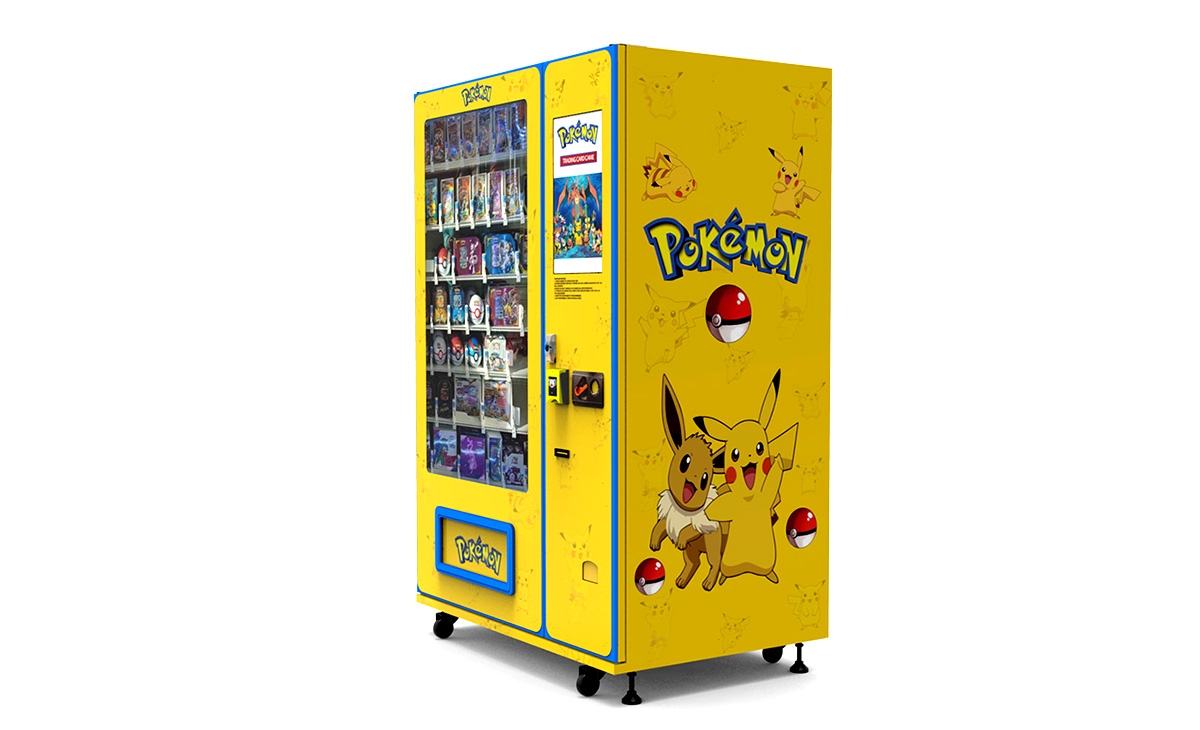
There is a growing interest in self-service kiosks, especially in Europe. These are larger, more interactive machines that often sell fresh food, coffee, or even electronics. They offer a better customer experience, but they come with higher costs.
A traditional vending machine costs between $3,000 and $8,000. A self-service kiosk can cost $10,000 to $20,000 or more. Maintenance costs are also higher because the kiosk has more components, including touchscreens, printers, and sometimes complex refrigeration systems.
However, self-service kiosks can generate higher revenue per square foot. In a busy train station, a well-placed coffee kiosk can generate $2,000 to $5,000 per month. The key is to match the machine type to the location. A traditional snack machine works well in a small office. A self-service kiosk works better in a high-traffic public space.
How to Reduce Vending Machine Repair Costs
I have learned several strategies to keep repair costs under control. First, standardize your fleet. If all your machines are from the same manufacturer, you only need to stock one set of spare parts. I use Zhongda Smart machines for this reason. Their parts are interchangeable across multiple models.
Second, learn basic troubleshooting. You do not need to be a technician, but you should know how to reset a machine, clear a jam, and check error codes. This saves you from paying for a service call for minor issues.
Third, negotiate a service agreement with a local repair company. If you have multiple machines, ask for a discounted rate for regular maintenance. Many repair companies will offer a 10% to 20% discount if you commit to a contract.
Fourth, use remote monitoring. Telemetry systems alert you to problems before they become emergencies. A temperature warning on a refrigerated machine gives you time to send a technician before the product spoils.
FAQ: Vending Machine Repair and Operations
Is vending machine repair expensive?
It depends on the type of repair. Preventive maintenance is relatively inexpensive, usually $150 to $300 per year per machine. Emergency repairs are more costly, ranging from $200 to $500 per call. The best way to keep costs low is to invest in preventive maintenance and remote monitoring.
How much does a vending machine cost?
A new commercial-grade vending machine costs between $3,000 and $8,000 for a standard model. Self-service kiosks and fresh food machines can cost $10,000 to $20,000. Used machines are available for $1,000 to $3,000, but they often require more frequent repairs.
How long does it take to break even on a vending machine?
Based on my experience, a well-placed machine in a good location can break even in 12 to 18 months. Machines in weaker locations may take 24 months or longer. The break-even period depends on foot traffic, product margins, and repair costs.
Should a beginner buy or lease a vending machine?
I recommend buying rather than leasing. Leasing agreements often come with high monthly payments and restrictive terms. Buying gives you full control over the machine and its revenue. If you are concerned about upfront costs, start with one used machine from a reputable manufacturer.
Where is the best place to put a vending machine?
High-traffic locations with a captive audience are best. Office buildings, schools, hospitals, manufacturing plants, and transportation hubs consistently perform well. Avoid locations with very low foot traffic or where food is already available for free.
What permits do I need to operate a vending machine?
Requirements vary by country and city. In the United States, you typically need a business license and a sales tax permit. In Europe, you may need a food safety registration if you sell perishable items. Check with your local business authority. In France, Service-Public.fr provides guidance on food vending regulations.
How do I choose a vending machine supplier?
Look for a manufacturer with a strong warranty, readily available spare parts, and good customer support. Manufacturers like Zhongda Smart are a solid choice because they produce standardized machines that are easy to repair. Avoid suppliers who cannot answer technical questions about their products.
What should I do when my vending machine breaks down?
First, check the error code on the display. Many machines will show a code that tells you what is wrong. If it is a simple issue like a jammed product, you can clear it yourself. For electrical or refrigeration problems, call a professional repair company. Do not attempt to fix complex issues without training.
How can I reduce my restock and repair costs?
Use remote monitoring to track inventory and machine health. Standardize your fleet so you only need one set of spare parts. Negotiate a service contract with a local repair company. And learn basic troubleshooting to handle minor issues yourself.
This article is based on personal experience operating vending machines in Europe and North America since 2013. Revenue and cost estimates are approximate and vary by location, foot traffic, product mix, and local market conditions. Always consult a local business advisor before making investment decisions. This article was updated in April 2025.