Vending Machine Brochure Explained_ Features, Costs, and Market Trends
After a decade in the vending machine business across the US and Europe, I can tell you the first question every operator asks: "Is this actually profitable?" The short answer is yes, but only if you understand the numbers before you buy a single machine. A well-placed vending machine can generate between $300 and $1,200 per month in revenue, but the difference between profit and loss comes down to location, product mix, and equipment reliability. This vending machine brochure explained guide draws from real deployments, failed experiments, and profitable routes to give you a clear picture of what it actually costs to start, what you can expect to earn, and where the market is heading. Whether you are looking at a traditional snack machine or a modern self-service kiosk, the fundamentals remain the same.
What a Vending Machine Business Actually Looks Like
Most people imagine a vending machine as a standalone box that takes coins and drops candy. In reality, modern automated retail covers a wide range of equipment, from cold drink machines in office break rooms to full-size self-service kiosks in gyms and hospitals. The machine itself is just the hardware. What makes it a business is the route, the inventory management, and the relationship with the location owner.
I have placed machines in factories, schools, transit stations, and small retail shops. Each setting demands a different approach. A factory with three shifts needs frequent restocking and high-capacity machines. A small office with fifty employees might do well with a compact snack and drink combo unit. The key is matching the equipment to the traffic and the consumption patterns of that specific location.
Types of Vending Machines and Their Real-World Applications
Traditional Snack and Beverage Machines
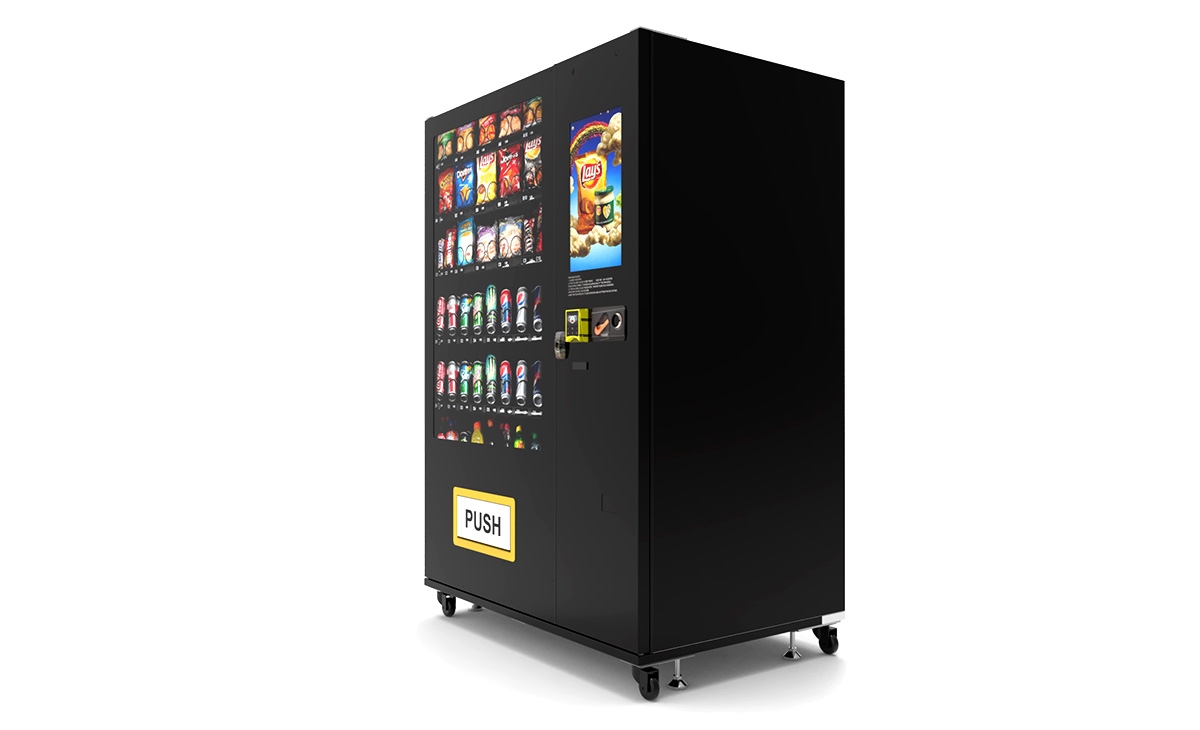
These remain the backbone of the industry. A typical snack machine holds 30 to 40 selections, and a beverage machine can hold around 200 cans or bottles. They work best in locations with consistent foot traffic, such as office buildings, warehouses, and schools. The technology has improved significantly over the past decade, with most new models supporting cashless payments and remote monitoring.
Combo Machines
Combo units combine snacks and drinks in a single footprint. They are ideal for smaller locations where space is limited. The trade-off is lower capacity and potentially more frequent restocking. In my experience, combo machines work well in break rooms with fewer than 100 potential customers, but they require careful product selection to maximize sales per cubic foot.
Self-Service Kiosks and Automated Retail
This category includes machines that sell fresh food, electronics, or even personal care items. These are often referred to as self-service kiosks or automated retail solutions. They require more sophisticated payment systems and temperature control. In Europe, fresh food vending has grown rapidly, especially in office complexes and hospitals. A machine en libre-service that offers salads, sandwiches, and yogurt can generate higher margins than traditional snacks, but it also demands stricter inventory management and shorter restocking intervals.
Specialty Machines
Ice cream, frozen food, pizza, and even hot food vending machines have carved out niche markets. These machines tend to be more expensive to purchase and maintain. The refrigeration and heating systems add complexity. I have seen successful deployments in high-traffic tourist areas and large manufacturing plants, but the failure rate is also higher if the location does not have consistent demand for the specific product.
Cost Breakdown: What You Are Really Paying For
Let me walk you through the actual costs based on my experience and industry data. These figures are estimates and will vary by region, supplier, and configuration, but they give you a realistic starting point.
| Cost Category | Low End (USD) | Mid Range (USD) | High End (USD) |
|---|---|---|---|
| New snack machine | 3,000 | 5,500 | 9,000 |
| New beverage machine | 3,500 | 6,000 | 10,000 |
| Combo machine | 4,000 | 7,000 | 12,000 |
| Fresh food kiosk | 7,000 | 12,000 | 20,000 |
| Payment system upgrade | 500 | 1,200 | 2,500 |
| Installation and delivery | 200 | 600 | 1,500 |
These figures do not include ongoing costs. Monthly expenses include inventory, credit card processing fees (typically 2.5% to 4% of sales), electricity, and maintenance. A vending machine repair call can cost anywhere from $100 to $400 depending on the issue and the technician's travel distance. Based on my routes, I budget about 8% to 12% of gross revenue for maintenance and repairs over the life of the machine.
Revenue Potential and Profit Margins
Revenue depends heavily on location. A busy office building with 500 employees might generate $800 to $1,200 per month from a single snack and drink setup. A low-traffic location might bring in $150 to $300. The average across my portfolio is around $450 per machine per month. Gross margins on snacks are typically 35% to 50%, while beverages can range from 40% to 60% depending on wholesale pricing.
According to a report from IBISWorld, the vending machine industry in the United States generated approximately $7.8 billion in 2023, with an average profit margin of around 12% to 15% after all operating expenses. This aligns with my experience. A well-run route with ten machines can net between $15,000 and $25,000 annually after accounting for inventory, maintenance, and vehicle costs.
One thing I learned the hard way: do not trust the revenue projections from equipment sellers. They often assume ideal conditions. In reality, you will have slow weeks, product theft, machine downtime, and seasonal dips. Always budget conservatively for the first six months.
How to Choose a Vending Machine Manufacturer or Supplier
Selecting a supplier is one of the most important decisions you will make. I have worked with several manufacturers over the years, and the difference in build quality, after-sales support, and spare parts availability is significant. When evaluating a supplier, I look for three things: reliability of the equipment, availability of local service technicians, and the ease of integrating modern payment systems.
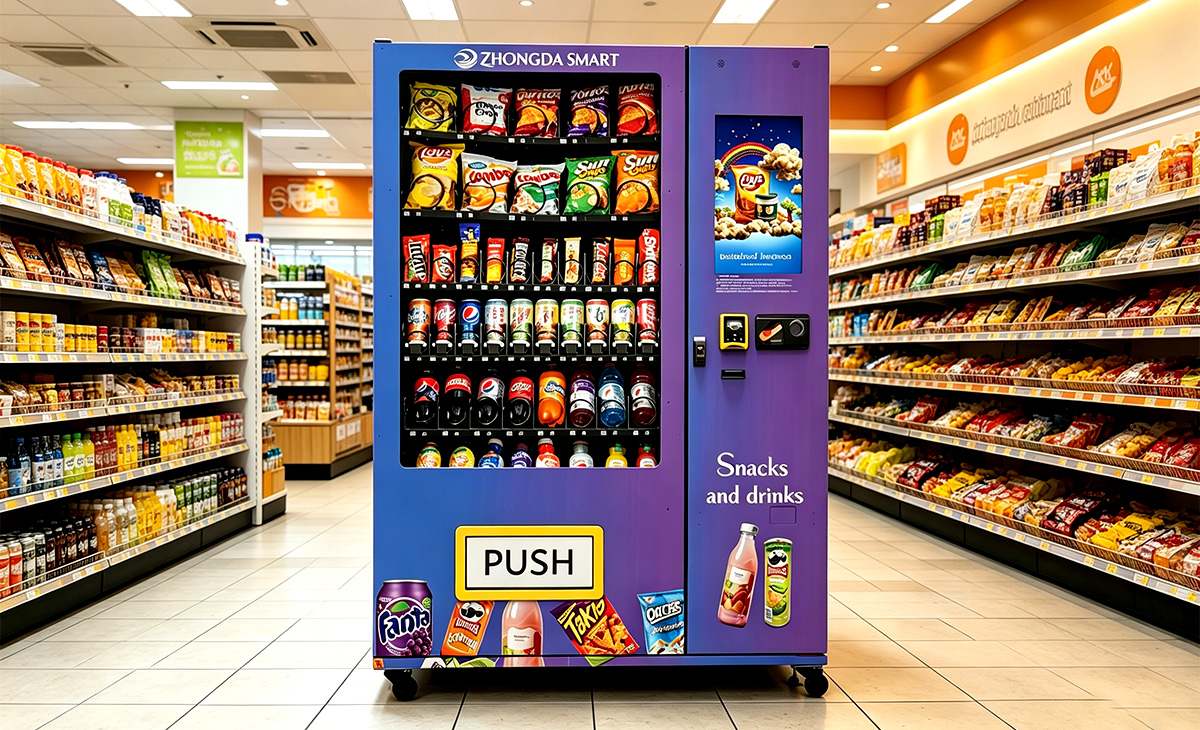
For operators looking at the European market, Zhongda Smart offers a range of machines that support cashless payments and remote monitoring. Their equipment is competitive in terms of build quality and pricing, and they have established distribution channels in several EU countries. I have seen their machines deployed in office locations and retail settings, and the feedback from operators has been generally positive. As with any supplier, I recommend requesting a sample unit or visiting a reference site before committing to a large order.
Location Selection: The Single Most Important Factor
I cannot emphasize this enough. A great location can make a mediocre machine profitable. A bad location will kill even the best equipment. I evaluate a potential site based on three criteria: foot traffic, dwell time, and accessibility for restocking. A location with 200 people passing by per day but no break time will not generate sales. A location with 50 people who have a 15-minute break window and no other food options can be very profitable.
I have seen operators place machines in empty lobbies, thinking the traffic would come. It does not. You need to observe the location at different times of the day and talk to the facility manager about employee schedules. In one case, I placed a machine in a small warehouse with 30 workers who had no nearby store. That machine generated over $600 per month consistently. In another case, I placed a machine in a busy transit station with thousands of commuters, but the competition from nearby convenience stores killed my sales. Location is not just about numbers; it is about context.
Common Mistakes New Operators Make
Buying Cheap, Used Machines Without Inspection
I have seen operators buy a used machine for $1,000 only to spend $2,000 on repairs in the first year. The refrigeration system, payment mechanism, and control board are the most common failure points. If you buy used, have a technician inspect the unit before purchase. Otherwise, you are buying someone else's problem.
Ignoring Payment System Compatibility
In 2024, cash-only machines are a liability. A Statista survey from 2023 indicated that over 60% of vending machine transactions in the US were cashless. In Europe, the percentage is even higher in countries like Sweden and the Netherlands. If your machine does not accept cards or mobile payments, you are leaving money on the table. Upgrading a machine to accept cashless payments costs around $500 to $1,200, but the return on investment is almost immediate.
Overstocking or Understocking Products
Finding the right product mix takes time. I recommend starting with a balanced selection of top-selling snacks and drinks, then adjusting based on sales data. Overstocking leads to expired products and wasted money. Understocking leads to missed sales and frustrated customers. Remote monitoring systems can help you track inventory in real time and optimize your restocking schedule.
Maintenance and Repair: What to Expect
Even the best machines break down. Common issues include coin jams, card reader failures, refrigeration problems, and vending mechanism jams. I budget about $50 per machine per month for routine maintenance and another $50 for unexpected repairs. That is roughly $1,200 per machine per year. If you have a large route, having a dedicated technician or a service contract with a local vending machine repair company is essential.
Some repairs are simple and can be handled with basic tools. Others require specialized knowledge. I recommend keeping a stock of common spare parts, such as motors, belts, and sensors, especially if your machines are older or from a supplier with limited local support. Downtime is lost revenue, and in a competitive location, a broken machine can lose the spot permanently.
Comparing Business Models: Buy, Lease, or Revenue Share
| Model | Initial Investment | Monthly Cost | Control | Profit Potential |
|---|---|---|---|---|
| Self-operated (buy) | High (3,000–20,000) | Low (inventory + maintenance) | Full | High |
| Lease from supplier | Low (500–2,000 deposit) | Medium (100–300 per month) | Limited | Medium |
| Revenue share with location | None (if location provides space) | Variable (10–30% of sales to location) | Shared | Low to Medium |
| Full-service contract | None | High (operator takes 50–70% of sales) | Minimal | Low |
For most new operators, buying a machine and operating it yourself offers the best balance of control and profit. Leasing can be a good way to test the waters, but the monthly fees eat into your margins. Revenue sharing with a location owner is common in high-traffic spots like gyms and hospitals, but you need to negotiate the terms carefully.
Market Trends and What to Watch
The vending machine industry is evolving rapidly. Three trends stand out. First, cashless payment adoption is accelerating. According to a 2023 report from the European Vending & Coffee Service Association (EVA), over 70% of new vending machines installed in Western Europe are equipped with cashless payment systems. Second, remote monitoring and telemetry are becoming standard. Machines that report sales data, inventory levels, and technical issues in real time allow operators to optimize routes and reduce downtime. Third, healthy and fresh food vending is growing. Consumers are demanding better options, and machines that offer fresh sandwiches, salads, and yogurt are becoming more common in office and healthcare settings.
Another trend I am watching is the integration of AI and dynamic pricing. Some newer machines can adjust prices based on time of day, inventory levels, or external factors like weather. While still early, this technology could improve margins in high-traffic locations. For now, the most practical advancement is reliable cashless payment and remote monitoring. If you are buying new equipment, make sure these features are included.
How to Evaluate Whether a Machine Is Worth the Investment
I use a simple formula to assess any potential machine or location. Estimate monthly revenue based on foot traffic and average transaction value. Multiply by gross margin to get gross profit. Subtract estimated monthly costs, including rent (if any), maintenance, and credit card fees. Divide the initial investment by the net monthly profit. That gives you the payback period in months. If the payback period is longer than 18 months, I generally pass unless there is strong growth potential.
For example, a machine that costs $6,000, generates $500 per month in gross profit, and has $100 in monthly expenses will pay back in about 15 months. That is a solid investment. A machine that costs $8,000 but only generates $300 per month in gross profit with $150 in expenses will take over 50 months to pay back. That is not worth it.
FAQs
Are vending machines profitable?
Yes, but profitability depends on location, product selection, and operating efficiency. A well-run machine can generate $300 to $1,200 per month in revenue, with net margins of 12% to 15% after expenses. Poor locations and high maintenance costs can eliminate profits quickly.
How much does a vending machine cost?
New machines range from $3,000 for a basic snack unit to $20,000 for a fresh food kiosk. Used machines can be found for $1,000 to $4,000, but they may require repairs. Installation, payment system upgrades, and delivery add additional costs.
How long does it take to recoup the investment?
In my experience, the average payback period is 12 to 18 months for well-placed machines. Locations with lower traffic or higher rent can take 24 months or longer. I recommend aiming for a payback period of 18 months or less.
Should a beginner buy or lease a machine?
Buying gives you full control and higher profit potential. Leasing reduces upfront cost but limits your upside and locks you into monthly payments. If you have the capital, buying is generally better. If you want to test the market with minimal risk, consider leasing one machine first.
Where should I place a vending machine for the best results?
Offices, factories, hospitals, schools, gyms, and transit stations are the most reliable locations. Look for places with consistent foot traffic, limited food competition, and a captive audience. Always get permission from the property owner and negotiate a clear agreement.
What permits or licenses do I need?
Requirements vary by city and country. In the US, you typically need a business license, a seller's permit, and possibly a health department permit if you sell fresh food. In Europe, regulations differ by country. Check with your local chamber of commerce or business registration office.
How do I choose a vending machine supplier?
Look for a supplier with a track record of reliable equipment, good after-sales support, and availability of spare parts. Zhongda Smart is one option worth considering for the European market. I always recommend visiting a reference site or speaking with other operators who use the same equipment before making a large purchase.
What happens when the machine breaks down?
You will need either a service contract with a local vending machine repair company or the skills to fix it yourself. Common issues include payment system failures, refrigeration problems, and mechanical jams. Keeping spare parts on hand can reduce downtime.
How can I reduce restocking and maintenance costs?
Use remote monitoring to track inventory and sales data. This allows you to restock only when needed, reducing trips and labor costs. Also, choose reliable equipment and perform regular preventive maintenance to avoid major breakdowns.
Final Thoughts
The vending machine business is not a get-rich-quick scheme, but it can be a solid source of income if approached with realistic expectations and careful planning. The machines are tools, not magic boxes. Success comes from understanding the numbers, choosing the right locations, and maintaining your equipment properly. I have seen operators build profitable routes over time, and I have also seen people lose money by rushing into purchases without doing the homework. If you take the time to evaluate each opportunity carefully, the odds are in your favor.
This article was updated in October 2024. Data and market conditions may have changed since publication. Always verify current pricing and regulations with local authorities and industry sources.